The Quick Answer: Subaru's Electric SUV Landscape in 2026
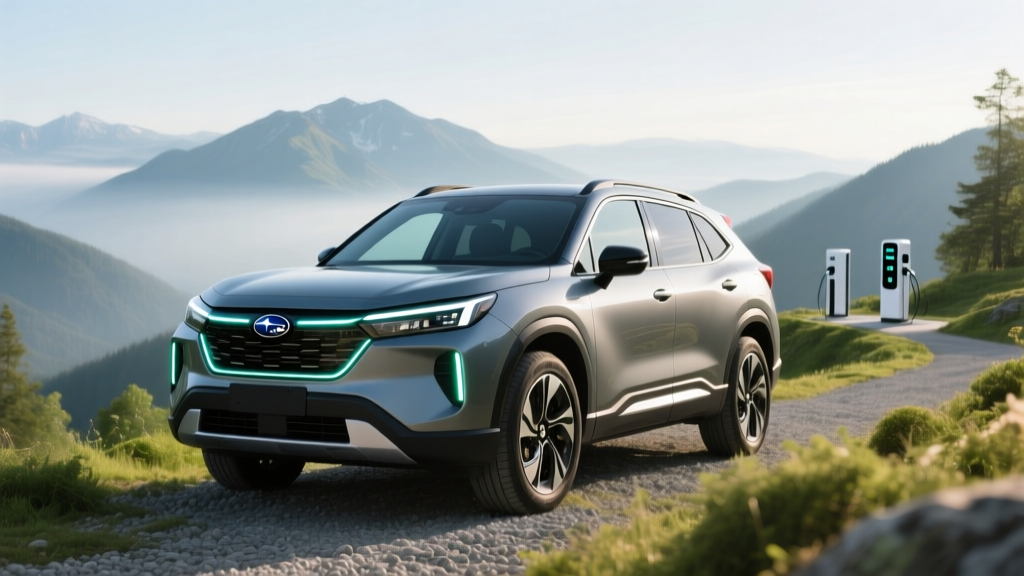
If you're searching for a Subaru SUV electric option, the 2026 Subaru Solterra is currently the only all-electric SUV Subaru sells. It delivers an EPA-estimated 228 miles of range (XLE trim) or up to 236 miles (Limited trim with 18-inch wheels), packs a 72.8 kWh usable battery, and starts at approximately $44,995 MSRP before incentives. Subaru has also announced a larger, three-row electric SUV expected for the 2027 model year, but it is not yet available for purchase. For buyers who need Subaru's signature all-wheel-drive capability and ground clearance but aren't ready for full electric, the Crosstrek Hybrid (PHEV) remains an alternative with ~17 miles of electric-only range.
2026 Subaru Solterra: Range, Battery, and Efficiency
The Solterra shares its e-TNGA platform with the Toyota bZ4X, but Subaru tunes it for off-road competence with standard symmetrical all-wheel drive, 8.3 inches of ground clearance, and X-MODE traction management. Here's what the numbers look like:
| Specification | 2026 Solterra XLE | 2026 Solterra Limited/Touring |
|---|---|---|
| EPA Range | 228 miles | 236 miles (18" wheels) |
| Battery (usable) | 72.8 kWh (NMC lithium-ion) | 72.8 kWh (NMC lithium-ion) |
| Combined MPGe | 104 MPGe | 102 MPGe |
| Efficiency (kWh/100 mi) | 32 kWh/100 mi | 33 kWh/100 mi |
| Peak DC Fast Charge | ~150 kW | ~150 kW |
| 10–80% DC Charge Time | ~35 minutes | ~35 minutes |
| Level 2 Charge Rate | 7.2 kW (~11 hrs full) | 7.2 kW (~11 hrs full) |
| Horsepower | 215 hp combined | 215 hp combined |
| 0–60 mph | ~6.5 seconds | ~6.5 seconds |
| Starting MSRP | $44,995 | $48,495 |
| Powertrain Warranty | 5 yr / 60,000 mi | 5 yr / 60,000 mi |
| Battery Warranty | 8 yr / 100,000 mi (≥70% capacity) | 8 yr / 100,000 mi (≥70% capacity) |
Real-World Range Reality Check
The EPA estimates 228–236 miles, but expect ~185–210 miles at sustained highway speeds (70–75 mph) in moderate temperatures. In cold weather (below 30°F), plan for 150–180 miles of usable range due to battery resistance and cabin heating demands. Subaru's standard heat pump helps mitigate cold-weather losses compared to EVs without one, but the Solterra's boxy SUV shape and AWD drivetrain create efficiency drag that keeps real-world highway numbers below the EPA sticker.
Solterra vs Gas Subaru: 5-Year Cost Comparison
How does a Solterra stack up against the gas-powered Subaru Outback — the model most cross-shoppers already own or are considering? Below is a data-driven comparison using national averages. Your actual numbers depend on local electricity rates, gas prices, and driving habits.
| Cost Factor | 2026 Solterra (EV) | 2026 Outback AWD (Gas) |
|---|---|---|
| Base MSRP | $44,995 | $32,695 |
| Federal Tax Credit (§30D) | Up to $7,500 (eligibility varies) | $0 |
| Effective Starting Price | ~$37,495* | $32,695 |
| Fuel/Energy Cost (15,000 mi/yr) | ~$612/yr (home charging at $0.16/kWh) | ~$1,938/yr (28 MPG avg at $3.60/gal) |
| 5-Year Fuel/Energy Total | ~$3,060 | ~$9,690 |
| Maintenance (5 yr est.) | ~$1,200 (no oil, fewer brake pads) | ~$3,500 (oil, filters, brakes) |
| Insurance (avg annual) | ~$1,850/yr | ~$1,520/yr |
| 5-Year Insurance Total | ~$9,250 | ~$7,600 |
| 5-Year Total Cost of Ownership | ~$53,065 | ~$53,485 |
*Effective price assumes full §30D credit eligibility. Actual credit depends on income limits, battery sourcing requirements, and MSRP caps. Always verify with IRS guidelines or a tax professional.
The takeaway: the Solterra's higher sticker price is largely offset within five years by fuel savings and lower maintenance, especially if you qualify for the federal credit and charge primarily at home. If you rely exclusively on DC fast charging at public stations (averaging $0.35–$0.48/kWh), your annual energy cost rises to roughly $1,700–$2,300, narrowing the advantage significantly.
Charging the Solterra: What You Actually Need to Know
Subaru equips the Solterra with a CCS1 (Combined Charging System) port. With the industry's ongoing transition to NACS (Tesla's connector), Subaru has indicated future models will adopt NACS, but the 2026 Solterra still uses CCS1. You can charge at Tesla Superchargers using an approved adapter, though availability and compatibility should be confirmed with your specific adapter model.
| Charging Level | Power (kW) | Miles Added per Hour | Typical Use Case |
|---|---|---|---|
| Level 1 (120V household) | ~1.4 kW | ~3–4 miles | Emergency / overnight trickle |
| Level 2 (240V home) | 7.2 kW | ~20–22 miles | Daily home charging |
| DC Fast Charge | Up to ~150 kW peak | ~150+ miles in 30 min | Road trips |
Charging curve reality: The Solterra peaks near 150 kW only between roughly 10–40% state of charge. Above 60%, the rate tapers progressively, dropping below 50 kW past 80%. This is normal for NMC battery chemistry and thermal management, but it means the advertised 10–80% time of ~35 minutes assumes optimal battery preconditioning and a capable charger.
Home Level 2 Installation Cost Estimate
| Component | Cost Range |
|---|---|
| Level 2 charger (240V, 32–48A) | $350–$700 |
| Electrician labor (240V circuit run) | $500–$2,000 |
| Permit & inspection | $50–$250 |
| Electrical panel upgrade (if needed) | $1,500–$3,500 |
| Total (no panel upgrade) | $900–$2,950 |
| Total (with panel upgrade) | $2,400–$6,450 |
Final costs depend on panel capacity, distance from panel to charger location, and local code requirements. Always get a quote from a licensed electrician.
Federal Tax Credit: Does the Solterra Qualify?
The §30D Clean Vehicle Credit can provide up to $7,500 for eligible buyers purchasing a new Solterra, but qualification is not automatic. Here's the eligibility checklist as of 2026:
- MSRP cap: SUVs must have an MSRP at or below $80,000 — the Solterra qualifies at all trims.
- Buyer income limits: Modified AGI must not exceed $300,000 (joint), $225,000 (head of household), or $150,000 (single).
- Battery component sourcing: A percentage of battery components must be manufactured or assembled in North America (threshold increases annually).
- Critical minerals sourcing: A percentage of critical minerals must be sourced from the U.S. or FTA partners (threshold increases annually).
- Point-of-sale transfer: You can transfer the credit to the dealer at purchase for an immediate price reduction, or claim it on your tax return.
The sourcing requirements are the most common disqualifier. Subaru sources battery cells from Panasonic (shared with Toyota's bZ4X supply chain), and critical-mineral compliance shifts year to year. Always check the latest eligibility on fueleconomy.gov before purchasing.
Myths vs Facts: Common Solterra Misconceptions
| Myth | Fact |
|---|---|
| "The Solterra can only go 100 miles in winter." | Cold-weather testing shows 150–180 real-world miles in sub-freezing temps — reduced, but not halved, thanks to the standard heat pump. |
| "It charges at 350 kW like a Porsche." | Peak rate is ~150 kW. Expect 10–80% in ~35 min, not 15. This is adequate for road trips but slower than Hyundai/Kia's 800V architecture. |
| "Subaru has no EV experience — it'll break." | The e-TNGA platform is co-developed with Toyota and has been on sale since 2023. Battery warranty covers 8 yr / 100,000 mi with ≥70% capacity retention. |
| "I can't take it off-road." | 8.3 inches of ground clearance, X-MODE, and standard AWD make it genuinely capable on forest roads and snow. It's not a Wrangler, but it outperforms most crossovers on loose surfaces. |
| "I'll save $7,500 no matter what." | Federal credit eligibility depends on your income, the vehicle's battery sourcing in the specific model year, and MSRP. Verify before signing. |
Decision Framework: Is the Solterra the Right Subaru SUV Electric Choice for You?
Choose the Solterra If:
- You have home Level 2 charging access (garage or driveway with 240V circuit potential).
- Your daily commute is under 80 miles round-trip, and you take road trips fewer than 6 times per year.
- You need AWD, 8+ inches of ground clearance, and X-MODE for snow, dirt roads, or trailheads.
- You qualify for the §30D tax credit (bringing effective price near $37,500).
- You value Subaru's safety reputation (EyeSight driver-assist is standard, and the Solterra earns strong IIHS ratings).
Look Elsewhere (or Wait) If:
- You need 300+ miles of EPA range for frequent long-distance driving — consider the Hyundai Ioniq 5 (305 mi) or Tesla Model Y (320 mi).
- You need a third row — Subaru's announced three-row EV SUV is expected for model year 2027 but is not yet available.
- You lack home charging and your area has limited public DC infrastructure — a PHEV like the Crosstrek Hybrid may suit you better.
- You prioritize the fastest charging speeds — Hyundai/Kia's 800V architecture delivers 10–80% in ~18 minutes, nearly half the Solterra's time.
- Budget is the top priority — the Outback gas model starts ~$12,300 lower and still offers AWD and 32 MPG combined.
First-Time EV Buyer Essentials
If the Solterra is your first electric vehicle, here's what to internalize before signing:
- Home charging is non-negotiable for convenience. Level 1 (standard outlet) adds only 3–4 miles per hour — insufficient to replenish a depleted 72.8 kWh battery overnight. Budget $900–$3,000 for a Level 2 home install.
- Plan road trips around chargers. Use apps like PlugShare or A Better Routeplanner. The Solterra's CCS1 port accesses Electrify America, EVgo, and (with adapter) Tesla Superchargers.
- Precondition the battery. When you navigate to a DC fast charger using the Solterra's built-in nav, the battery thermal system warms the pack for faster charging. Skipping this can add 10–15 minutes to your stop.
- Insurance may cost 15–25% more than a comparable gas Subaru. Get quotes before purchasing.
- Regenerative braking takes adjustment. The Solterra offers adjustable regen but doesn't enable true one-pedal driving as aggressively as some competitors. Expect a brief adaptation period.
A Note on EyeSight and Driver Assist
Subaru's EyeSight system (standard on the Solterra) is a SAE Level 2 driver-assistance feature — it provides adaptive cruise control and lane centering, but you must remain fully engaged with hands on the wheel and eyes on the road. This is not autonomous or "self-driving" capability.
Frequently Asked Questions
What is the real-world range of the 2026 Subaru Solterra?
EPA-rated at 228–236 miles depending on trim and wheel size. Expect approximately 185–210 miles on the highway in mild weather, and 150–180 miles in cold conditions (below 30°F). City and mixed driving with regenerative braking can match or slightly exceed the EPA number.
Does the Subaru Solterra qualify for the $7,500 federal tax credit?
It can, but eligibility depends on your income (under $150K single / $300K joint), the vehicle's battery sourcing compliance for the specific model year, and the MSRP cap (the Solterra is under the $80K SUV limit). Check current status on fueleconomy.gov and consult a tax professional.
How long does it take to charge the Solterra at home?
On a Level 2 (240V) home charger at 7.2 kW, a full charge from near-empty takes approximately 11 hours. Most owners charging from 20–80% daily will need about 6 hours — easily accomplished overnight.
Is Subaru releasing a larger electric SUV?
Subaru has announced plans for a three-row electric SUV, expected for the 2027 model year. As of early 2026, it has not been released, and final specifications (range, pricing, battery size) are preliminary. The Solterra remains the only electric Subaru SUV currently available.
How does the Solterra compare to the Toyota bZ4X?
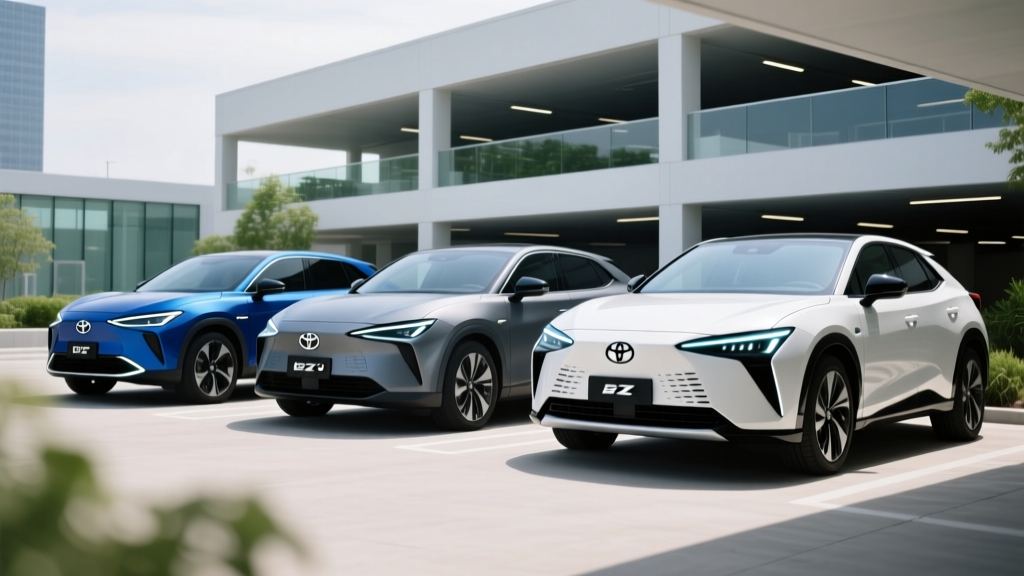
They share the e-TNGA platform and 72.8 kWh battery, but the Solterra comes standard with AWD (bZ4X offers FWD base), more ground clearance (8.3" vs 8.1"), and Subaru's X-MODE off-road system. The bZ4X FWD achieves slightly higher EPA range (up to 252 mi) due to the single-motor configuration. Pricing is comparable.
Can I charge the Solterra at Tesla Superchargers?
Yes, using a CCS-to-NACS adapter. Subaru has not equipped the 2026 Solterra with a native NACS port. Confirm adapter compatibility and check that the specific Supercharger station supports non-Tesla vehicles via the Tesla app before relying on it for a trip.