The Short Answer on the Subaru EV SUV Trailseeker
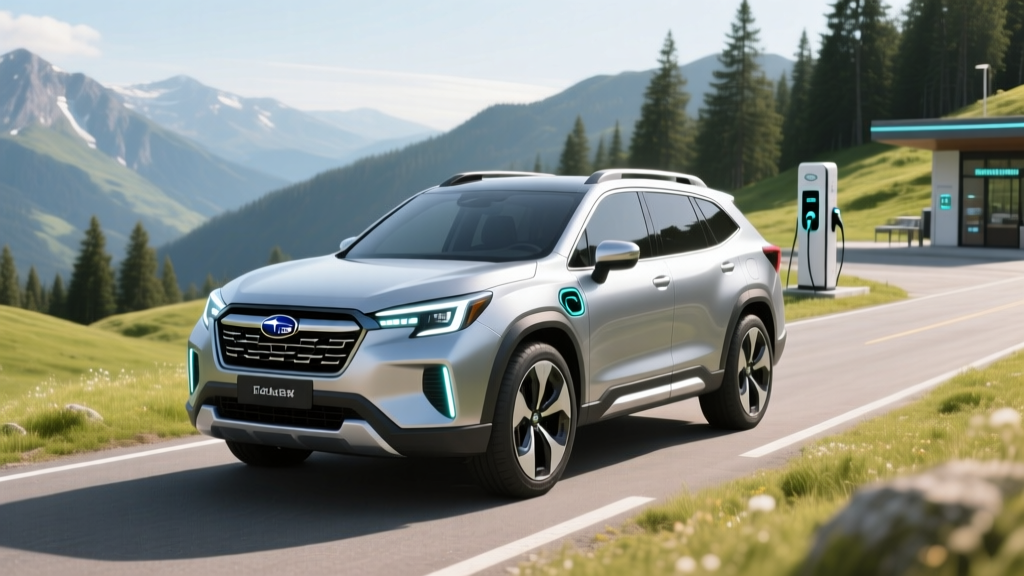
The 2026 Subaru EV SUV Trailseeker (the production name for Subaru's next-generation all-electric SUV built on the e-Subaru Global Platform with Toyota collaboration) is an all-wheel-drive, mid-size electric SUV targeting approximately 270–290 miles of EPA-estimated range, dual-motor AWD, and an expected starting MSRP around $38,000–$42,000. It is designed for buyers who want Subaru's signature standard AWD and outdoorsy utility in a battery-electric package. If you have access to Level 2 home charging and drive fewer than 250 miles most days, the Trailseeker can realistically replace a gas Outback or Forester while cutting your per-mile fuel cost by roughly 50–65%, depending on your local electricity rates. However, if you live in a charging desert, regularly tow heavy loads, or face extreme cold without a garage, you'll need to weigh those limitations carefully before buying.
What We Know About the 2026 Subaru EV SUV Trailseeker
Subaru has been methodical about its EV rollout. After launching the Solterra (co-developed with Toyota's bZ4X) for the 2023 model year, Subaru announced plans for a larger, next-generation electric SUV on the newly developed e-Subaru Global Platform. Industry reporting and Subaru's own product roadmap point to a mid-size SUV—widely referred to in enthusiast and media circles as the "Trailseeker" or a similar outdoors-oriented nameplate—slotted above the Solterra in size, range, and capability.
As of early 2026, Subaru has confirmed the vehicle is in production planning with an anticipated on-sale date in late 2026 or early 2027. The specifications below reflect Subaru's announced targets, platform capabilities, and informed projections based on the Solterra's evolution and competitive segment benchmarks. Final EPA-certified figures may differ at launch.
| Specification | Projected / Target Figure |
|---|---|
| EPA-Estimated Range | 270–290 miles |
| Battery Capacity (usable) | ~82–90 kWh (NMC chemistry) |
| Drivetrain | Dual-motor AWD (standard) |
| Horsepower | ~300–340 hp combined |
| 0–60 mph | ~5.5–6.5 seconds (est.) |
| Max DC Fast Charge Rate | ~150–180 kW peak |
| 10–80% DC Fast Charge Time | ~28–35 minutes |
| Level 2 (240V) Charge Rate | ~7.2–11.5 kW |
| Towing Capacity | ~3,500 lbs (target) |
| Ground Clearance | ~8.7 inches (est., Subaru target) |
| Starting MSRP (est.) | $38,000–$42,000 |
| Battery/Powertrain Warranty | 8 years / 100,000 miles |
Range Reality: EPA Sticker vs. the Real World
EPA Estimate: 270–290 miles (projected, pending certification)
Real-World Expectation: Plan for 220–250 miles on sustained highway driving at 70+ mph. In freezing temperatures (below 32°F), expect a further 15–30% range reduction, bringing usable range down to roughly 190–220 miles. Subaru's standard heat pump (expected based on Solterra updates) will mitigate some cold-weather losses compared to EVs without thermal management, but physics is physics—cold batteries are less efficient.
The Trailseeker's projected 82–90 kWh battery pack uses NMC (nickel manganese cobalt) chemistry, which prioritizes energy density over the LFP (lithium iron phosphate) chemistry found in some competitors like the base Tesla Model Y. NMC gives you more range per kilogram of battery weight, but it also means Subaru will likely recommend keeping daily charge to 80% for long-term battery health—reserving 100% charges for road trips. At an 80% daily ceiling, your practical everyday range drops to roughly 216–232 miles, which still covers the average American's daily driving of ~37 miles (FHWA data) with substantial buffer.
Charging the Trailseeker: Home, Public, and What It Costs
Charging speed is where the Trailseeker needs to be competitive. The Solterra initially launched with a disappointing ~100 kW peak DC charge rate, which Subaru later improved via software and hardware updates. The next-gen platform is expected to support 150–180 kW peak on DC fast chargers, which is respectable though not class-leading (the Hyundai Ioniq 5 peaks at ~240 kW on 800V architecture).
| Charging Level | Power (kW) | Miles Added per Hour | Typical Use Case |
|---|---|---|---|
| Level 1 (120V household) | ~1.4 kW | ~4–5 miles/hr | Emergency/overnight top-up |
| Level 2 (240V home charger) | ~7.2–11.5 kW | ~25–40 miles/hr | Daily home charging |
| DC Fast Charge | ~150–180 kW peak | ~500–650 miles/hr (peak) | Road trips, 10–80% in ~28–35 min |
kW vs. kWh—critical distinction: kW (kilowatts) is the rate of charging—think of it as how fast water flows through a hose. kWh (kilowatt-hours) is the total energy stored in the battery—like the size of the tank. The Trailseeker's ~85 kWh battery charged at 150 kW won't sustain that rate for the full session; charge speed tapers significantly above 80% state of charge to protect battery health.
Home Charging Installation Costs
Most Trailseeker buyers will want a Level 2 home charger (240V). Here's a realistic cost breakdown:
| Component | Cost Range |
|---|---|
| Level 2 charger unit (hardwired, 40–48A) | $350–$700 |
| Electrician labor (standard install) | $500–$1,500 |
| Electrical permit | $50–$200 |
| Panel upgrade (200A service, if needed) | $1,500–$3,000 |
| Total (no panel upgrade) | $900–$2,400 |
| Total (with panel upgrade) | $2,400–$5,400 |
If your home already has a 200-amp electrical panel with spare breaker slots, expect to pay on the lower end. Older homes with 100-amp service will likely need a panel upgrade—factor this into your total EV budget. The federal 25C residential energy credit covers 30% of home charging equipment and installation costs, up to $1,000, through 2032.
Trailseeker vs. Gas SUV: The Real Cost Comparison
How does the Subaru EV SUV Trailseeker stack up against the gas Outback or a comparable mid-size SUV on total cost? Here's a 5-year, 60,000-mile comparison using national averages:
| Cost Category | Trailseeker (EV, est.) | Gas SUV (e.g., Outback, 28 MPG combined) |
|---|---|---|
| Purchase price (MSRP) | $40,000 | $33,000 |
| Federal tax credit (§30D, if eligible) | –$3,750 to $7,500* | $0 |
| Fuel / electricity (60k mi) | $3,600 (at $0.15/kWh, 3.5 mi/kWh) | $6,430 (at $3.00/gal, 28 MPG) |
| Maintenance (60k mi) | $600–$900 | $2,000–$2,800 |
| Insurance (5-year avg.) | $7,500–$9,000 | $6,000–$7,500 |
| Estimated 5-Year Total | $37,200–$40,700 | $47,430–$49,230 |
*Federal §30D EV tax credit eligibility for 2026 depends on MSRP caps (≤$80,000 for SUVs), buyer income limits ($150K single / $300K joint), and battery critical-mineral and component sourcing requirements. The credit amount varies—some vehicles qualify for $3,750, others for the full $7,500, and some may not qualify at all depending on supply-chain compliance. Check current rules at IRS.gov and consult a tax professional. The credit can now be transferred to the dealer at point of sale as an upfront discount.
The EV's higher purchase price is substantially offset by the tax credit, dramatically lower fuel costs (especially if you charge at home on off-peak rates), and minimal maintenance—no oil changes, no transmission fluid, fewer brake replacements thanks to regenerative braking. Insurance tends to run 15–25% higher on EVs due to higher repair costs and parts pricing, but the gap has been narrowing.
Common Misconceptions About the Trailseeker and EVs
| Myth | Fact |
|---|---|
| "The battery will need replacing in 5 years." | NMC batteries in modern EVs are engineered for 200,000+ mile lifespans. Subaru's expected 8-year/100,000-mile battery warranty covers capacity below ~70%. Average degradation is ~10–15% over 10 years based on industry data. |
| "I can't take it on road trips." | With 270–290 miles of range and 150–180 kW DC fast charging, a 10–80% stop takes ~28–35 minutes. Plan charging stops around meals or rest breaks. Networks like Electrify America and EVgo continue expanding, though rural coverage gaps remain real. |
| "AWD on an EV isn't as capable." | Dual-motor AWD provides instant torque to all four wheels with no mechanical lag. Subaru's X-MODE traction management (expected on the Trailseeker) and 8.7 inches of ground clearance make it genuinely capable on snow, mud, and gravel—though it's not a dedicated rock crawler. |
| "EVs are worse in cold weather." | Range drops 15–30% in freezing temps—this is real. But EVs start instantly in cold (no cranking), cabin heating is immediate with a heat pump, and preconditioning while plugged in preserves range. Many EV owners in Minnesota and Maine report high satisfaction. |
| "I'll save $7,500 no matter what." | The §30D credit has strict income caps, MSRP limits, and battery sourcing requirements that change annually. Not every buyer or vehicle qualifies for the full amount. Verify eligibility before purchasing. |
First-Time EV Buyer: What You Must Know Before Ordering
If the Trailseeker would be your first EV, here are the practical realities that spec sheets don't convey:
- Home charging is the cornerstone. Roughly 80%+ of EV charging happens at home. If you can install a Level 2 charger (or even reliably use a 120V outlet for overnight trickle charging that adds ~40 miles per night), EV ownership is seamless. If you're entirely dependent on public charging, your experience will be more expensive and less convenient—factor in $0.30–$0.50/kWh at public DC fast chargers versus $0.12–$0.18/kWh at home.
- Preconditioning matters. The Trailseeker is expected to support battery preconditioning—warming the battery pack before you arrive at a DC fast charger. This is critical in cold weather to achieve advertised charge speeds. Always navigate to a charger using the built-in nav to trigger preconditioning automatically.
- Regenerative braking changes how you drive. Subaru will likely offer adjustable regen levels. At maximum, you'll do most driving with just the accelerator pedal ("one-pedal driving"), slowing significantly when you lift off. It takes a week to adjust, then most drivers prefer it.
- Tire wear increases. EVs are heavier (the Trailseeker will likely weigh 4,500–4,800 lbs) and deliver instant torque. Expect to replace tires 20–30% sooner than on a comparable gas SUV. Budget for EV-rated tires with higher load ratings.
- The charging network is fragmented. Unlike Tesla's seamless Supercharger ecosystem, non-Tesla EVs rely on Electrify America, EVgo, ChargePoint, and others with varying reliability, connector types, and payment apps. Subaru's partnership may include access to Tesla Superchargers via NACS adapter (increasingly standard for 2025+ model-year EVs), which significantly expands your road-trip network.
Decision Framework: Is the Subaru EV SUV Trailseeker Right for You?
Choose the Trailseeker if:
- You have reliable Level 2 home charging access (garage or driveway with 240V outlet).
- Your daily driving is under 200 miles round-trip, with occasional longer road trips you're willing to plan around charging stops.
- You want standard AWD for snow, rain, or light off-road use without the fuel cost of a gas SUV.
- You qualify for some or all of the §30D federal tax credit (check income and sourcing requirements).
- You value lower ongoing maintenance and want to reduce per-mile fuel costs by 50%+.
Consider a Gas or Hybrid SUV Instead if:
- You live in an apartment or street-park with no realistic path to home charging.
- You regularly drive 300+ miles in a single day through areas with sparse charging infrastructure (rural West, parts of the Great Plains).
- You tow heavy loads frequently (over 3,000 lbs)—towing can cut EV range by 30–50%.
- Your budget is strictly under $30,000 and you cannot absorb the higher upfront cost, even with tax credits.
- You want to buy today and cannot wait for the Trailseeker's on-sale date (consider the Solterra or a plug-in hybrid Outback as an interim option).
Frequently Asked Questions
When will the Subaru EV SUV Trailseeker actually be available to buy?
Subaru has indicated the next-generation electric SUV will arrive in showrooms in late 2026 or early 2027 as a 2027 model-year vehicle. Exact timing depends on production ramp at Subaru's Gunma, Japan plant. Reservations or pre-orders may open several months before deliveries begin.
Will the Trailseeker qualify for the $7,500 federal EV tax credit?
It depends on final battery sourcing compliance at launch. Under current IRS §30D rules, the credit is split: $3,750 for meeting critical-minerals requirements and $3,750 for meeting battery-component requirements. Subaru's Japanese manufacturing and supply chain may affect eligibility. The vehicle's MSRP (expected under $80,000) and your income will also factor in. Check IRS.gov closer to launch for the definitive answer.
How does the Trailseeker compare to the Subaru Solterra?
The Trailseeker is expected to be larger (closer to an Outback in size vs. the Solterra's compact footprint), offer more range (~270–290 miles vs. the Solterra's ~222–228 miles EPA), and charge faster. Think of it as the Solterra's bigger, more capable sibling—aimed at the family-SUV segment rather than the urban-crossover segment.
Can I charge a Subaru Trailseeker at a Tesla Supercharger?
Most 2025+ non-Tesla EVs are adopting the NACS (North American Charging Standard) connector or shipping with a CCS-to-NACS adapter. Subaru has confirmed NACS adoption for future models. The Trailseeker is expected to support Tesla Supercharger access either natively or via adapter, which would add over 15,000 Supercharger stalls to your charging network—a significant advantage for road trips.
What happens if the battery degrades significantly?
Subaru is expected to offer an 8-year/100,000-mile battery warranty covering capacity retention below approximately 70%. Industry-wide, modern NMC battery packs lose roughly 1–2% capacity per year under normal use. At that rate, a Trailseeker battery should retain 85–90% of original capacity at 100,000 miles. Full battery replacement, if ever needed out of warranty, currently costs $10,000–$18,000 for packs of this size—though prices continue declining.
Is the Trailseeker really capable off-road?
Subaru's brand identity is built on all-weather, all-terrain capability, and the Trailseeker will carry that forward with standard dual-motor AWD, expected X-MODE traction management, and approximately 8.7 inches of ground clearance. It will handle snow, mud, forest roads, and camping trails competently. It is not a Wrangler competitor for extreme rock crawling, but for the vast majority of outdoor-adventure use cases, it will be more than adequate—while being far quieter and cheaper to "fuel" on the trail.