The Short Answer on Stellantis China EVs
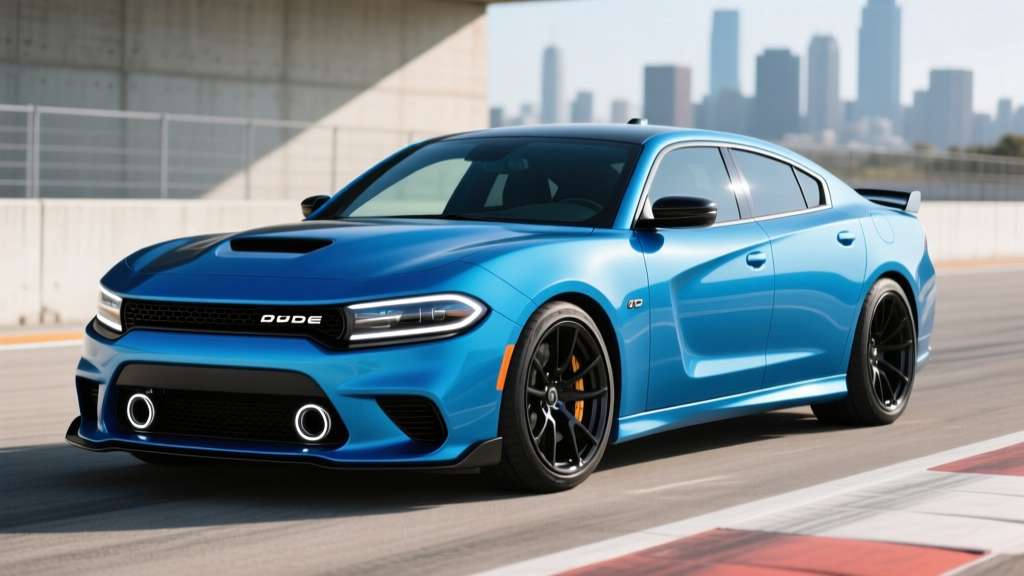
As of 2026, Stellantis sells China-developed EVs primarily through its Leapmotor joint venture (a 51% stake acquired in late 2023) and technology partnerships. Leapmotor models — including the C10 midsize SUV and T03 city car — are actively sold in Europe, South America, and Asia-Pacific markets, but no Leapmotor or Stellantis China-built EV is currently on sale in the United States. US-bound Stellantis EVs (the Dodge Charger Daytona, Jeep Wagoneer S) use domestic platforms. If you're a US shopper researching Stellantis China EVs, the practical takeaway is: these vehicles won't affect your near-term purchase decisions, but the cost-efficient LFP battery tech and sub-$35,000 pricing they pioneer may eventually influence global EV pricing — including vehicles Stellantis sells stateside.
What "Stellantis China EVs" Actually Means in 2026
Stellantis doesn't build a single monolithic "China EV" — the phrase covers three distinct strategies the automaker is pursuing simultaneously:
- Leapmotor International (JV): Stellantis holds a 51% controlling stake in the Hangzhou-based EV maker Leapmotor (零跑汽车). Through the joint venture "Leapmotor International," Stellantis handles manufacturing logistics, distribution, and dealer networks for Leapmotor vehicles sold outside China. The C10 SUV and T03 hatchback launched across 13 European markets in 2024 and expanded into Brazil, Turkey, and Australia by 2025.
- Chinese battery and platform supply: Stellantis sources LFP (lithium iron phosphate) battery cells from CATL for several European-market models including the Peugeot e-208 and Citroën ë-C3. This is a supply-chain relationship, not a branded vehicle.
- China-market legacy production: Jeep and Peugeot maintain limited production and sales in China through joint ventures (GAC-Stellantis, Dongfeng), though these operations have been shrinking since GAC-Stellantis filed for bankruptcy restructuring in 2022.
For US consumers, only the first two matter — and neither puts a Chinese-built Stellantis EV in an American driveway today.
Leapmotor C10: The Flagship Stellantis China EV (Non-US Specs)
The Leapmotor C10 is the most globally visible product of the Stellantis-China partnership. Here's what we know from European-market specifications as of early 2026:
| Attribute | Value |
|---|---|
| Body Style | 5-seat midsize SUV |
| Battery (usable) | ~67 kWh (LFP chemistry) |
| WLTP Range | ~260 mi (420 km) |
| Estimated EPA-equivalent Range | ~220–235 mi (if US-certified) |
| Motor Output | 228 hp (170 kW), rear-wheel drive |
| DC Fast Charge (peak) | ~90 kW |
| 10–80% DC Charge Time | ~30 minutes |
| Level 2 AC Charge | 6.6 kW |
| 0–100 km/h (0–62 mph) | ~7.5 sec |
| Europe Starting Price | €36,400 (~$39,500 USD) |
| US Availability | Not sold / Not announced |
Real-world context: WLTP range figures run 10–15% higher than EPA estimates in typical conditions. A C10 rated at 420 km WLTP would likely sticker around 225–235 miles EPA if imported to the US. That's competitive with a base Hyundai Ioniq 5 (EPA 220–303 mi depending on trim) but trails the Chevrolet Equinox EV (EPA 319 mi) in the same price bracket.
The C10's LFP battery chemistry is worth noting. LFP cells trade energy density for longevity and cost — they typically endure 3,000+ charge cycles with minimal degradation and contain no cobalt or nickel. The tradeoff is lower range per kilogram, which is why the C10's battery is relatively large for its range class. For buyers who prioritize 10-year battery health over maximum range, LFP is a rational choice.
Why Aren't Stellantis China EVs Sold in the US?
Three structural barriers keep Leapmotor vehicles out of American showrooms:
- 25% Section 301 tariff on Chinese-built vehicles. Since 2024, the US has imposed a 25% tariff on all China-manufactured automobiles (raised to 100% on EVs under Biden-era trade policy, maintained through 2026). A €36,400 C10 would effectively cost $50,000+ landed in the US before dealer markup — eliminating its price advantage entirely.
- Federal safety and emissions homologation. Leapmotor vehicles are built to UNECE standards (used in Europe and most of the world), not FMVSS standards (required in the US). Retooling for US crash-test compliance, lighting regulations, and airbag specifications would require significant engineering investment for a market where the tariff makes the car uncompetitive anyway.
- No §30D tax credit eligibility. Even if Leapmotor could clear the tariff and safety hurdles, the IRS §30D clean vehicle credit requires final assembly in North America, battery component sourcing from the US or FTA partners, and critical minerals from approved supply chains. A China-assembled Leapmotor would qualify for $0 of the up-to-$7,500 federal credit, while US-built competitors like the Tesla Model Y and Chevrolet Equinox EV can qualify for partial or full credits depending on buyer income and MSRP caps.
How Stellantis China EVs Compare to What US Buyers Can Actually Purchase
Since you can't buy a Leapmotor in the US, here's how the C10's specs stack up against the EVs you can buy in the same price range:
| Spec | Leapmotor C10 (EU) | Hyundai Ioniq 5 SE | Chevrolet Equinox EV LT | Tesla Model Y RWD |
|---|---|---|---|---|
| EPA-equivalent Range | ~225 mi (est.) | 220–303 mi | 319 mi | 320 mi |
| Battery Chemistry | LFP | NMC (LFP on base) | NMC | LFP |
| Peak DC Charge | ~90 kW | 175–240 kW | 150 kW | 250 kW |
| 10–80% Time | ~30 min | ~18–25 min | ~32 min | ~25 min |
| Horsepower | 228 hp | 168–320 hp | 213 hp | 295 hp |
| Starting MSRP (USD) | N/A (not sold) | $42,600 | $33,600 | $44,990 |
| §30D Credit Eligible | No | Partial | Up to $7,500 | Up to $7,500 |
| Battery Warranty | 8 yr / 160,000 km (EU) | 10 yr / 100,000 mi | 8 yr / 100,000 mi | 8 yr / 120,000 mi |
The numbers tell the story: The C10's ~90 kW peak charge rate is the weakest link. On a road trip, 30 minutes for a 10–80% charge is 10+ minutes slower than the Ioniq 5's 800V architecture. The C10's range is also the lowest in this comparison. Where Leapmotor wins is platform cost — the C10 undercuts competitors in Europe by thousands, a margin that would evaporate under US tariffs.
Cost Reality: What US EV Ownership Actually Looks Like
If you're a US buyer considering an EV (any brand), here's a realistic 5-year cost breakdown using a Chevrolet Equinox EV LT ($33,600 MSRP, eligible for $7,500 credit) versus a comparably equipped Toyota RAV4 gas model (~$33,000 MSRP):
| Category | Chevy Equinox EV LT | Toyota RAV4 LE (Gas) |
|---|---|---|
| Purchase Price | $33,600 | $33,000 |
| Federal Tax Credit (§30D) | –$7,500 | $0 |
| Effective Purchase | $26,100 | $33,000 |
| Home Level 2 Charger Install | $1,200–$2,500 | $0 |
| 5-Yr Fuel / Electricity | $3,200 (home charging) | $8,800 (gas @ $3.40/gal, 28 MPG) |
| 5-Yr Maintenance | $1,800 | $3,600 |
| Insurance (5-yr avg) | $9,500 | $7,800 |
| Estimated Depreciation | $11,000 | $9,500 |
| 5-Year Total | ~$39,300 | ~$52,700 |
Key takeaways: The EV wins on total cost by roughly $13,000 over five years, driven almost entirely by the §30D credit and fuel savings. But EV insurance premiums run 15–25% higher (sourced from III.org industry data), and upfront charger installation is a real cost. If you lack home charging access and rely on public DC fast charging at $0.35–$0.50/kWh, your fuel cost jumps to ~$5,500 over five years — narrowing the gap significantly.
Myths vs. Facts: Stellantis China EVs and the Broader Market
| Myth | Fact |
|---|---|
| "Stellantis is selling cheap Chinese EVs in America" | No Stellantis China-built EVs are sold in the US. The Leapmotor JV operates in Europe, South America, and Asia-Pacific only. |
| "Chinese EVs will flood the US market and crash prices" | The 100% tariff on Chinese EVs effectively blocks this. BYD, NIO, and Leapmotor have all confirmed no US market entry plans while tariffs remain. |
| "LFP batteries are inferior" | LFP offers superior cycle life (3,000+ cycles vs ~1,500 for NMC), better thermal stability, and lower cost — at the tradeoff of ~15% lower energy density. Tesla and Ford now use LFP in multiple US-market models. |
| "Stellantis is abandoning EVs" | Stellantis has scaled back some EV targets and reintroduced hybrid options (e.g., Dodge Charger SIXPACK), but continues to sell the EV-only Charger Daytona, Jeep Wagoneer S, and European-market Fiat 500e. The Leapmotor JV represents a hedged, capital-efficient EV strategy rather than a retreat. |
| "The $7,500 tax credit applies to all EVs" | §30D eligibility requires North American assembly, battery sourcing compliance, MSRP caps ($55,000 cars / $80,000 SUVs/trucks), and buyer income limits ($150K single / $300K joint). Always verify at fueleconomy.gov. |
Decision Framework: Should You Wait for Chinese-Platform EVs?
If your priority is... Then you should...
- Lowest purchase price today: Buy the Chevrolet Equinox EV LT ($33,600, up to $7,500 credit → ~$26,100 effective). No need to wait for Leapmotor.
- Best range per dollar: Tesla Model 3 RWD (EPA 341 mi, ~$38,990 before credit) or Hyundai Ioniq 5 (303 mi, $42,600). Chinese-platform EVs don't compete on range.
- Longest battery lifespan: Any LFP-equipped EV — Tesla Model 3/Y RWD, Ford Mustang Mach-E Select (2025+), or the Leapmotor C10 (if you live in Europe). LFP chemistry degrades slower than NMC.
- Fastest road-trip charging: Hyundai Ioniq 5 or Kia EV6 (800V architecture, 10–80% in ~18 min at 350 kW chargers). The C10's ~90 kW peak is not competitive for highway travel.
- Maximum §30D tax credit: Choose a vehicle assembled in the US or Canada with compliant battery sourcing. The IRS maintains an updated eligible vehicle list at fueleconomy.gov. Stellantis China EVs will never qualify under current rules.
What Stellantis China EVs Signal for the Future
While US buyers can't purchase these vehicles today, the Leapmotor partnership reveals three trends that will affect the American EV market:
- LFP is the future of affordable EVs. Leapmotor's aggressive pricing is possible because LFP batteries cost roughly 20–30% less per kWh than NMC cells. Expect more US-market EVs to adopt LFP for base trims — Tesla already does, and Ford is expanding LFP usage.
- Chinese EV platforms set a global price floor. Even behind tariff walls, the existence of a 420 km-range SUV for €36,400 pressures legacy automakers to cut costs. This is one reason we're seeing aggressive price cuts from Tesla and new sub-$35,000 EV entries from Chevrolet and Nissan.
- Stellantis is hedging its EV bet. Rather than investing $20B+ in a proprietary EV platform (as VW did with MEB), Stellantis is leveraging Leapmotor's established Chinese platform for emerging markets while using STLA Large/Medium platforms for premium US/EU products. It's a capital-efficient strategy that may produce more competitive pricing globally — just not in America, where trade policy blocks it.
Frequently Asked Questions
Can I buy a Leapmotor C10 in the United States?
No. As of 2026, Stellantis has not announced any plans to sell Leapmotor vehicles in the US. The 100% tariff on Chinese-built EVs, FMVSS safety certification requirements, and §30D tax credit ineligibility make US import economically unviable. Leapmotor International currently operates in Europe, Brazil, Turkey, Australia, and select Asia-Pacific markets.
Does the Dodge Charger Daytona use Chinese battery technology?
No. The Dodge Charger Daytona (2024–present) is built on Stellantis's STLA Large platform at the Windsor, Ontario assembly plant. Its battery cells are sourced from Stellantis's joint venture with Samsung SDI (ACC — Automotive Cells Company) and LG Energy Solution, not Chinese suppliers. The Charger Daytona qualifies for partial §30D credit depending on battery component sourcing year.
What is the cheapest EV I can buy in the US in 2026?
The Nissan LEAF S starts at approximately $28,140 MSRP and is eligible for up to $3,750 in federal tax credits (limited by battery sourcing rules). After credit, effective price is ~$24,390. The Chevrolet Equinox EV LT at $33,600 with a full $7,500 credit comes in at ~$26,100 effective — offering significantly more range (319 mi vs 149 mi EPA) for a marginal increase. Always verify current credit eligibility at fueleconomy.gov.
Are LFP batteries safe in cold weather?
LFP batteries experience similar cold-weather range loss as NMC chemistry — typically 20–30% reduction at temperatures below freezing, per Argonne National Laboratory testing data. However, LFP cells are more thermally stable and less prone to thermal runaway. Most modern LFP-equipped EVs (including Tesla and Leapmotor) use active thermal management systems with battery preconditioning to mitigate cold-weather charging slowdowns. If you live in a cold climate, budget for 20–30% less range in winter regardless of chemistry.
Will tariffs on Chinese EVs change?
Tariff policy is subject to executive and legislative action and can shift with trade negotiations. As of 2026, the 100% tariff on Chinese-built EVs remains in effect under Section 301 authority. Any change would require formal rulemaking by USTR. For current tariff status, check the Office of the United States Trade Representative. Even if tariffs were reduced, FMVSS homologation and §30D sourcing rules would remain as separate barriers.