Why Stellantis BEV Sales Percentage in 2026 Matters to EV Shoppers
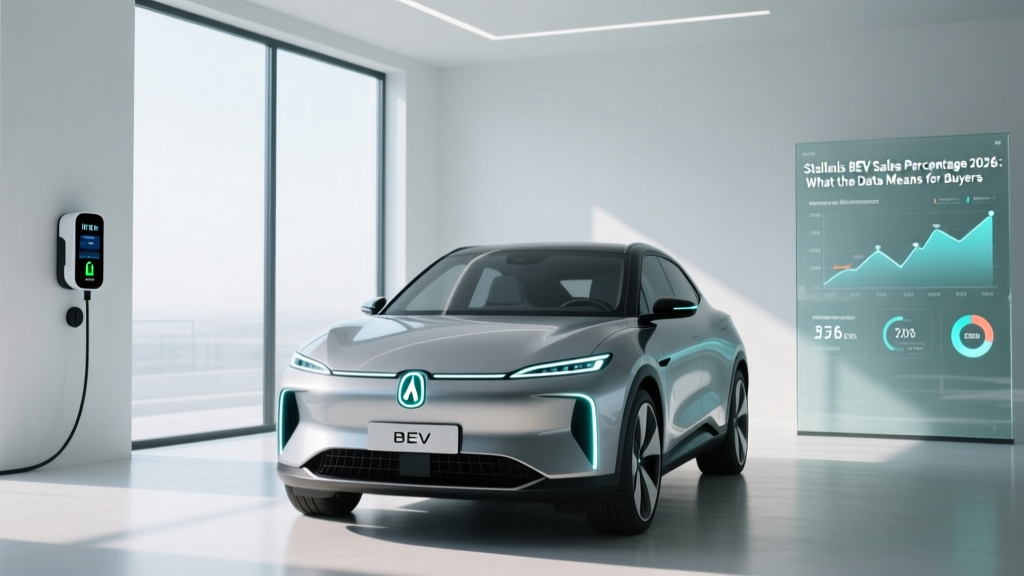
If you have been tracking Stellantis—the parent company of Jeep, Dodge, Ram, Chrysler, Alfa Romeo, Maserati, Fiat, and Peugeot—you have likely noticed a strategic pivot. Analysts and company guidance have pointed toward an aggressive electrification roadmap, and the Stellantis BEV sales percentage in 2026 is one of the most closely watched metrics in the industry. But what does a shifting sales mix actually mean for you as a buyer?
A higher BEV sales percentage signals broader dealer inventory, more competitive pricing, expanded charging partnerships, and stronger long-term parts and service support for electric models. It also tells us which Stellantis EVs are resonating with real buyers versus which are struggling on lots. In this guide, we break down the 2026 Stellantis BEV landscape, profile the key electric models driving those numbers, and give you the exact specs, pricing, and ownership data you need to decide whether a Stellantis EV belongs in your driveway.
The 2026 Stellantis BEV Lineup: Models Driving the Sales Mix
Stellantis has deployed its STLA platform architecture across multiple vehicle segments. The STLA Large platform underpins midsize and large SUVs and sedans, while STLA Medium supports compact crossovers. Here is a snapshot of the key battery-electric models available or arriving for the 2026 model year in the U.S. market:
| Model | Platform | Segment | Status |
|---|---|---|---|
| Jeep Wagoneer S | STLA Large | Premium SUV | On sale |
| Jeep Recon | STLA Large | Midsize SUV | On sale |
| Dodge Charger Daytona EV | STLA Large | Muscle Coupe/Sedan | On sale |
| Alfa Romeo Junior (if imported) | STLA Small | Subcompact CUV | Announced / TBD |
| Ram 1500 REV | STLA Frame | Full-Size Pickup | On sale / ramping |
The models above are the primary contributors to Stellantis's U.S. BEV sales volume. The Wagoneer S and Ram 1500 REV carry the heaviest volume expectations, while the Charger Daytona serves as a halo product designed to pull Dodge loyalists into the electric era. How these models perform at the dealer level directly shapes the Stellantis BEV sales percentage heading into late 2026 and beyond.
2026 Jeep Wagoneer S: The Volume Leader Under the Microscope
The Wagoneer S is Stellantis's most important U.S. BEV for 2026. It is the first all-electric Jeep aimed squarely at the premium SUV buyer, competing with the BMW iX, Cadillac Lyriq, and Genesis Electrified GV70. Here is the full spec breakdown:
| EPA Est. Range | ~300 miles (Launch Edition, AWD) |
| Battery Capacity | ~100 kWh usable (NMC lithium-ion) |
| Drivetrain | Dual-motor AWD |
| Horsepower | 600 hp |
| 0-60 mph | ~3.4 seconds |
| Max DC Fast Charge | ~185 kW peak |
| 10-80% DCFC Time | ~23 minutes (est.) |
| Level 2 Home Charge Rate | ~11.5 kW (~28-30 mi/hr) |
| Efficiency | ~84 MPGe combined (est.) |
| Cargo Volume | ~30 cu ft (rear seats up), ~60 cu ft (folded) |
| Base MSRP | ~$71,995 (Launch Edition) |
| Battery Warranty | 8 years / 100,000 miles |
Charging Speed and Infrastructure
The Wagoneer S peaks at roughly 185 kW on a DC fast charger. That is respectable but trails the Hyundai Ioniq 5 (up to 240 kW) and Porsche Macan EV (up to 270 kW). The 10-80% charge time of approximately 23 minutes is adequate for highway stops but not class-leading. On a Level 2 home charger at 11.5 kW, a full overnight charge from 20% to 100% takes about 7-8 hours—easily manageable with a standard 48-amp home wall connector.
Stellantis has partnered with Electrify America and other networks for complimentary charging credits on some trims. Check current dealer promotions, as these offers change by model year.
Tech, Interior, and Drawbacks
The Wagoneer S features a multi-screen dashboard layout (12.3-inch cluster, 12.3-inch passenger display, and a large central touchscreen), wireless Apple CarPlay/Android Auto, a head-up display, and Jeep's latest ADAS suite including adaptive cruise with lane centering. The interior uses premium synthetic materials, and the panoramic glass roof creates an airy cabin.
Notable drawbacks: The premium pricing pushes it above many buyers' comfort zones, especially before incentives. Rear-seat legroom is adequate but not generous for a vehicle in this price bracket. The charging speed, while sufficient, may disappoint buyers comparing against 800-voltage-architecture competitors.
- 600 hp with 3.4-sec 0-60 — genuinely quick for a family SUV
- Premium interior with multi-screen tech
- AWD standard with real Jeep-trail capability modes
- ~300-mile EPA range is competitive in the segment
- Starting near $72K limits tax-credit accessibility
- DCFC speed trails 800V rivals
- Rear legroom tighter than expected at this price
- Dealer EV inventory still thin in some markets
2026 Ram 1500 REV: The Electric Truck That Could Move the Needle
If any single model can dramatically shift the Stellantis BEV sales percentage, it is the Ram 1500 REV. The full-size electric pickup segment is fiercely competitive—Ford F-150 Lightning, Chevrolet Silverado EV, and the Tesla Cybertruck all fight for the same buyer. Here is how the Ram 1500 REV stacks up:
| EPA Est. Range | ~350 miles (standard pack); up to ~500 miles (optional large pack) |
| Battery Capacity | ~168 kWh (standard); ~229 kWh (large pack, est.) |
| Chemistry | NMC lithium-ion |
| Drivetrain | Dual-motor AWD |
| Horsepower | ~654 hp |
| 0-60 mph | ~4.4 seconds |
| Max DC Fast Charge | ~200+ kW peak (800V architecture) |
| 10-80% DCFC Time | ~25 minutes (standard pack, est.) |
| Towing Capacity | Up to ~14,000 lbs (est.) |
| Base MSRP | ~$58,000 (base Tradesman, est.) |
| Battery Warranty | 8 years / 100,000 miles |
The Ram 1500 REV's 800-volt architecture is a genuine differentiator for fast charging, and the available large battery pack offers range that exceeds the F-150 Lightning's extended-range pack. However, the large pack adds significant cost and weight, which affects payload and efficiency. The standard pack at ~350 miles EPA is a more practical choice for buyers who do not regularly tow heavy loads.
2026 Dodge Charger Daytona EV: The Halo Muscle Car
The Charger Daytona EV is not a volume play—it is a statement. Dodge is betting that its loyal muscle-car audience will transition to electric if the performance numbers are undeniable:
- Horsepower: Up to 670 hp (Scat Pack trim)
- 0-60 mph: ~3.3 seconds (Scat Pack)
- EPA Est. Range: ~317 miles (R/T); ~260 miles (Scat Pack, est.)
- Battery: ~100 kWh NMC
- Max DCFC: ~185 kW peak
- Base MSRP: ~$61,995 (R/T); ~$75,000+ (Scat Pack)
The Charger Daytona's contribution to the Stellantis BEV sales percentage is modest by volume but outsized by brand impact. It proves Stellantis can build an EV that excites enthusiasts. The trade-off is a starting price that exceeds the §30D MSRP cap for sedans ($55,000), meaning most trims will not qualify for the full federal tax credit.
Pricing, Tax Credits, and Total Cost of Ownership
Understanding how Stellantis EVs interact with the IRS §30D federal tax credit is critical for 2026 buyers. The credit offers up to $7,500, but eligibility depends on three main factors:
- MSRP Cap: SUVs, pickups, and vans must have an MSRP at or below $80,000; sedans and other body styles at or below $55,000.
- Buyer Income Cap: Modified adjusted gross income must not exceed $150,000 (single), $225,000 (head of household), or $300,000 (joint filing).
- Battery Sourcing: Critical minerals and battery components must meet increasing domestic/free-trade-partner sourcing thresholds, which tighten each year. Stellantis has been working to localize its supply chain, but eligibility varies by model and build date.
| Model | Base MSRP | §30D Eligible? | Effective Price (with credit) |
|---|---|---|---|
| Jeep Wagoneer S Launch Edition | ~$71,995 | Potentially (SUV cap $80K) — depends on sourcing | ~$64,495 |
| Jeep Recon | ~$50,000-$55,000 (est.) | Likely eligible (SUV cap $80K) | ~$42,500-$47,500 |
| Ram 1500 REV (base) | ~$58,000 | Likely eligible (pickup cap $80K) — sourcing TBD | ~$50,500 |
| Dodge Charger Daytona R/T | ~$61,995 | Unlikely (sedan cap $55K) | ~$61,995 |
The point-of-sale transfer option allows eligible buyers to apply the credit as an immediate dealer discount rather than waiting to claim it on their tax return. Always confirm eligibility with your tax professional and check the latest fueleconomy.gov listings before purchasing, as sourcing compliance can change between model-year production runs.
Who Should Buy a Stellantis BEV in 2026?
Choose a Stellantis BEV if:
- You want a premium electric SUV with genuine performance (Wagoneer S) and are willing to pay a premium.
- You need an electric full-size pickup with available 500-mile range and competitive towing (Ram 1500 REV).
- You are a Dodge enthusiast who refuses to give up muscle-car thrums and wants 670 hp with zero tailpipe emissions (Charger Daytona).
- You value Stellantis's dealer network for service and want a brand with deep U.S. roots.
Look elsewhere if:
- You need the fastest DC charging speeds available—Hyundai/Kia's 800V platforms still lead here.
- Budget is your top priority—Stellantis EVs skew premium, with limited sub-$40K options in the U.S.
- You want a compact or midsize electric sedan—Stellantis has minimal sedan offerings beyond the Charger.
Frequently Asked Questions
What is Stellantis's BEV sales percentage target for 2026?
Stellantis has publicly targeted a significant increase in its global electrified vehicle mix by 2026, with BEVs expected to represent a growing share of total sales. Exact percentages vary by region—in Europe, Stellantis BEV penetration is substantially higher than in the U.S., where pickup and large SUV demand still favors ICE and hybrid powertrains. The U.S. BEV sales percentage is climbing but remains below the company's European figures.
What is the real-world range of the Jeep Wagoneer S?
The EPA estimates approximately 300 miles for the Wagoneer S. Real-world highway driving at 70+ mph yields roughly 250-270 miles, and cold-weather conditions can reduce that to 210-230 miles. Always plan charging stops conservatively, especially on unfamiliar routes.
How fast does the Ram 1500 REV charge?
The Ram 1500 REV uses an 800-volt architecture and peaks at approximately 200+ kW on a DC fast charger. Expect a 10-80% charge in roughly 25 minutes for the standard battery pack. The large pack will take longer due to its higher capacity, though the 800V system helps sustain higher charge rates longer in the session.
Does the Dodge Charger Daytona qualify for the federal EV tax credit?
Most Charger Daytona trims exceed the $55,000 MSRP cap for sedans under §30D rules, making them ineligible for the $7,500 federal credit. The R/T trim at ~$61,995 is above the cap. Always verify current eligibility on IRS.gov and consult a tax professional.
Is a Stellantis BEV worth buying versus competitors?
It depends on the segment. The Wagoneer S competes well on performance and premium feel but trails rivals like the Ioniq 5 and BMW iX on charging speed and price. The Ram 1500 REV's available 500-mile range and 800V charging are compelling against the F-150 Lightning. The Charger Daytona is essentially without a direct rival in the electric muscle-car niche. Compare total cost of ownership, not just sticker price, and factor in your home charging setup and typical driving patterns.
What battery warranty does Stellantis offer on its EVs?
Stellantis provides an 8-year / 100,000-mile warranty on the high-voltage battery and electric powertrain components across its U.S. BEV lineup. This is the industry-standard coverage level and matches competitors like Ford, GM, and Hyundai. The warranty typically covers battery capacity retention below a specified threshold (commonly 70% of original capacity).
Where can I find official Stellantis EV specifications and tax credit details?
For official EPA range and efficiency data, check fueleconomy.gov. For current federal tax credit eligibility, visit the IRS clean vehicle credits page. Manufacturer specifications and trim-level pricing are available on each brand's official U.S. website (jeep.com, ramtrucks.com, dodge.com).