Is the Stark Varg EX Electric Dirt Bike Worth It?
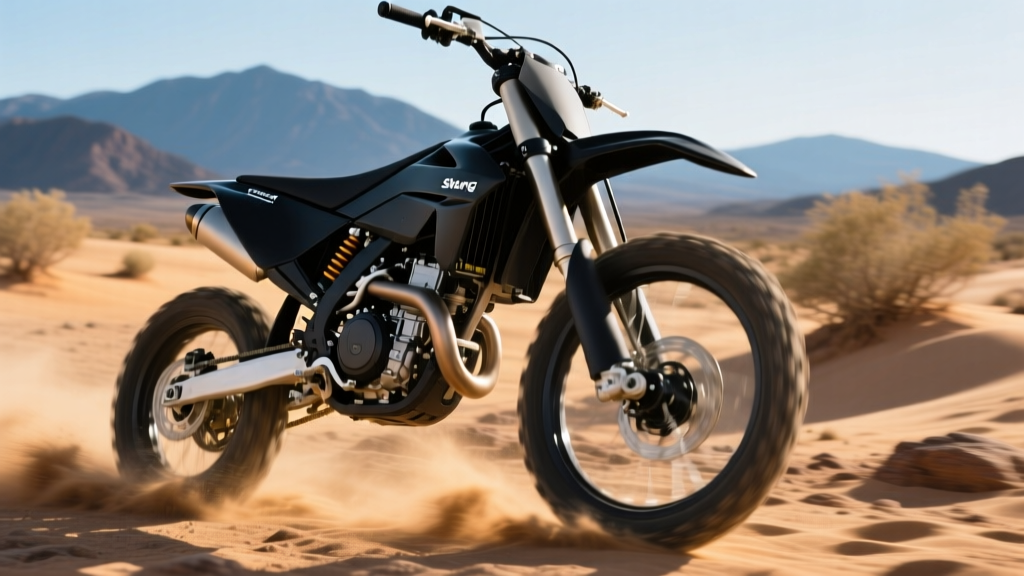
The Stark Varg EX is a full-size electric motocross bike priced at $13,490 (2026 MSRP), delivering up to 80 hp from a 6.0 kWh battery pack. Expect roughly 45–60 minutes of hard motocross riding or up to 90 minutes of trail riding on a single charge — comparable to one full tank on a 450cc gas motocross bike. Charging from 0–100% takes approximately 1.5–2 hours on a standard 120V household outlet. The Varg EX eliminates fuel, oil changes, air filter swaps, and top-end engine rebuilds, but it trades instant refueling for plug-in downtime and a higher upfront cost versus a ~$10,500 gas 450cc competitor. It's best suited for riders with home or paddock charging access who want near-silent, low-maintenance off-road performance.
Electric off-road motorcycles are no longer novelties. The Stark Varg EX, produced by Swedish manufacturer Stark Future, represents the current benchmark in the full-size electric motocross segment. This guide covers the real-world numbers that matter — runtime, charging logistics, total cost of ownership, and how it compares to the gas 450cc machines that dominate motocross tracks and trails.
Stark Varg EX: Core Specifications
| Spec | Stark Varg EX (2026) |
|---|---|
| Motor Power (Peak) | 80 hp (60 kW) |
| Torque | ~460 Nm (wheel) |
| Battery Capacity | 6.0 kWh (usable) |
| Battery Chemistry | Lithium-ion (NMC) |
| Weight (claimed) | ~238 lbs (108 kg) |
| Charge Time (120V / Level 1) | ~1.5–2 hours (0–100%) |
| Charge Time (240V / Level 2) | ~50–70 minutes (0–100%) |
| Runtime (motocross, hard) | ~45–60 minutes |
| Runtime (trail, moderate) | ~70–90 minutes |
| MSRP (2026) | $13,490 |
| Warranty | 2-year limited; battery 2 years |
Note: kW (kilowatts) measures power — the rate of energy delivery or charging speed. kWh (kilowatt-hours) measures energy capacity — how much the battery stores. The Varg EX's 60 kW peak motor draws from a 6.0 kWh battery.
Real-World Runtime vs. Sticker Claims
Stark Future does not publish EPA-style range figures because off-road motorcycles are not EPA-rated for range the way street-legal EVs are. Instead, runtime depends heavily on riding style, terrain, and ambient temperature. Here's what to expect based on rider reports and testing patterns:
- Hard motocross (full-throttle jumps, race pace): 40–55 minutes before the battery reaches ~10% SoC
- Moderate trail riding (mixed terrain, 50–70% throttle): 70–90 minutes
- Easy fire-road cruising: Up to 2+ hours, but this is not typical dirt bike use
- Cold weather (below 40°F / 4°C): Expect 15–25% less runtime due to NMC chemistry sensitivity at low temperatures
For context, a typical 450cc gas motocross bike carries about 1.6 gallons of fuel and runs roughly 45–60 minutes at race pace before needing a refill. The Varg EX's hard-riding runtime is therefore in the same ballpark — the difference is that refueling takes 30 seconds with a gas can, while recharging takes 50 minutes to 2 hours depending on your outlet.
Stark Varg EX vs. Gas 450cc Motocross Bike: Cost Breakdown
The purchase price tells only part of the story. Here's a five-year ownership comparison assuming 100 riding sessions per year (roughly twice a week during riding season):
| Cost Category (5 Years) | Stark Varg EX (Electric) | Gas 450cc MX Bike |
|---|---|---|
| Purchase Price | $13,490 | $10,500 |
| Fuel / Electricity | ~$450 ($0.90/session @ $0.15/kWh) | ~$3,750 ($7.50/session @ premix) |
| Engine Maintenance | $0 (no oil, piston, rings, valves) | ~$2,500 (top-end rebuilds, oil, filters) |
| Drivetrain / Consumables | ~$800 (chain, sprockets, brake pads) | ~$1,200 (chain, sprockets, clutch plates) |
| Tires (shared cost) | ~$1,500 | ~$1,500 |
| Suspension Service | ~$600 | ~$600 |
| 5-Year Total | ~$16,840 | ~$20,050 |
| Cost Per Session | ~$33.68 | ~$40.10 |
Key takeaway: The Varg EX's higher purchase price is typically recovered within 2–3 riding seasons through eliminated fuel and engine maintenance costs. Over five years and 500 sessions, you save roughly $3,200. Ride fewer than 40 sessions per year and the math tilts back toward gas.
Charging Logistics: What First-Time Electric Dirt Bike Buyers Must Know
Unlike electric cars that tap into DC fast-charging networks, the Stark Varg EX charges from standard AC power — the same outlets in your garage or at the track. Here's the practical breakdown:
| Charging Level | Power (kW) | 0–100% Time | Where |
|---|---|---|---|
| Level 1 (120V household) | ~1.0 kW | ~5–6 hours* | |
| Stark Fast Charger (240V) | ~3.5–4.0 kW | ~1.5–2 hours | |
| Level 2 (240V, aftermarket) | ~3.0–4.5 kW | ~1.5–2 hours |
*Stark's onboard charger limits the Level 1 draw; a standard 120V outlet at 12A delivers ~1.4 kW, but the bike's charge controller may cap intake. Stark advertises ~1.5–2 hours with their included charger plugged into a 240V source.
Home Charging Setup
Most Varg EX owners charge at home using a standard 120V outlet overnight — sufficient if you ride once a day or less. If you run multiple motos per session or ride at a track without power, plan for one of these:
- 240V outlet install (NEMA 14-50): $300–$800 for a licensed electrician to add a dedicated circuit in your garage. This cuts charge time significantly.
- Portable generator (for the track): A 3,500W inverter generator ($800–$1,500) can recharge the Varg EX in roughly 2 hours between motos — essentially replacing the gas can with a gas generator, which somewhat defeats the purpose.
- Second battery (if available): Stark has discussed swappable battery options, but as of 2026, the Varg EX uses an integrated pack. Hot-swapping is not currently supported.
Charging at the Motocross Track
This is the biggest ownership friction point. Most motocross tracks do not offer rider-accessible 240V outlets, and even 120V access may be limited or unavailable. Before buying, confirm your home track has:
- Accessible power outlets in the pit area
- Track management permission to plug in (some tracks restrict this)
- Sufficient amperage on the circuit (shared circuits with concession stands or lighting may trip breakers)
Electric vs. Gas Dirt Bike: Performance and Riding Experience
| Factor | Stark Varg EX (Electric) | 450cc Gas MX Bike |
|---|---|---|
| Peak Power | 80 hp | 55–60 hp |
| Power Delivery | Instant, linear torque | RPM-dependent, needs clutch |
| Noise Level | Near-silent (chain/impact only) | 95–110 dB |
| Heat Output | Minimal (no exhaust) | High (exhaust, radiator) |
| Weight | ~238 lbs | ~237–245 lbs |
| Gears / Clutch | None (direct drive) | 5-speed + hydraulic clutch |
| Engine Braking | Adjustable regen | Compression-based |
| Refuel / Recharge | 1.5–2 hours (240V) | 30 seconds (gas can) |
| Altitude Performance | No power loss | Loses ~3% per 1,000 ft |
The Varg EX's 80 hp peak output exceeds most 450cc gas bikes by roughly 20–25 hp. More importantly, the instant torque delivery means power is available from zero RPM with no clutch modulation — a significant advantage for less experienced riders and a different feel for veterans accustomed to powerband management. The absence of gears and a clutch simplifies the riding interface to throttle and brakes only, though some riders miss the ability to clutch-kick or engine-brake through corners in a familiar way.
The near-silent operation opens riding opportunities that gas bikes cannot access — private land where noise ordinances restrict use, early-morning sessions before tracks officially open, and residential-area trail access. This is arguably the Varg EX's most transformative practical advantage.
Common Misconceptions About Electric Dirt Bikes
| Myth | Fact |
|---|---|
| "Electric dirt bikes have no power" | The Varg EX produces 80 hp — more than a KTM 450 SX-F or Yamaha YZ450F. Power delivery is instant, with no lag. |
| "The battery will die in 15 minutes" | Hard motocross riding yields 45–60 minutes. Trail riding extends to 90+ minutes. This matches a tank of gas on a 450cc. |
| "You need a special charger" | The Varg EX charges from standard 120V or 240V outlets. Stark includes a charger. A 240V NEMA 14-50 outlet speeds things up but isn't mandatory. |
| "Battery replacement will cost a fortune" | NMC batteries in off-road use typically retain 80%+ capacity after 500–800 full charge cycles. At 100 sessions/year, that's 5–8 years before meaningful degradation. Replacement cost is estimated at $3,000–$4,500 based on 6 kWh NMC pack pricing. |
| "It's not a real motocross bike" | The Varg EX uses full-size MX geometry, WP suspension, and standard 21"/19" wheels. It competes in the same weight class and fits the same tracks. |
| "You can't ride it in the rain or mud" | The battery and motor are IP-rated for water ingress. The Varg EX is designed for the same conditions as gas MX bikes — mud, water crossings, and rain. |
Federal Tax Credit and Incentive Eligibility
Here's a critical distinction for buyers: the Stark Varg EX does not qualify for the federal §30D Clean Vehicle Credit (up to $7,500). The IRS §30D credit applies to four-wheeled on-road vehicles that meet specific MSRP, income, and battery-sourcing requirements. Off-road motorcycles — electric or gas — fall outside this program.
However, some states and local utility districts offer off-road electrification rebates or clean-sport incentives. For example:
- California's Clean Off-Road Equipment Voucher Incentive Project (CORE) has historically offered vouchers for zero-emission off-road equipment, though availability and amounts vary by year — check the CalStart CORE page for current status.
- Some local air-quality management districts offer rebates for replacing gas off-road equipment with electric alternatives.
- Check your state's energy office or utility provider for current programs.
Always verify eligibility with a tax professional or official program administrator before relying on any incentive.
Decision Framework: Is the Stark Varg EX Right for You?
Choose the Stark Varg EX If:
- ✅ You have home or paddock charging access (120V minimum, 240V preferred)
- ✅ You ride 40+ sessions per year (the cost-per-session advantage compounds)
- ✅ Noise restrictions limit where or when you can ride a gas bike
- ✅ You want minimal maintenance — no oil, filters, piston rings, valves, or clutch plates
- ✅ You value instant, clutchless torque delivery and adjustable power mapping via smartphone
- ✅ You ride at altitude where gas engines lose power
Choose a Gas 450cc If:
- ❌ Your track has no accessible power outlets in the pit area
- ❌ You regularly ride multiple full motos back-to-back with no downtime between them
- ❌ You ride in extreme cold (below 20°F) where NMC battery performance drops sharply
- ❌ You need to refuel in seconds during endurance or multi-rider relay events
- ❌ Your budget is firmly under $11,000 and you can't absorb the upfront premium
- ❌ You ride remote trails with no power access for multi-day trips
Long-Term Battery Health and Ownership Tips
The Varg EX's NMC lithium-ion battery will degrade over time, as all lithium batteries do. To maximize lifespan:
- Avoid storing at 100% SoC for extended periods. If you won't ride for more than a week, store at 50–60% charge.
- Don't let it sit at 0% — deep discharge can damage cells. Recharge to at least 20% after every ride.
- Charge in moderate temperatures (50–85°F). Avoid charging immediately after a hard ride when the pack is hot — let it cool for 15–20 minutes first.
- Use the Stark app to monitor battery health (State of Health / SoH) and track cycle counts.
- Store in a climate-controlled space during winter if possible. Prolonged exposure to freezing temperatures while fully charged accelerates degradation.
Based on NMC chemistry data from the broader EV and powersports industry, expect ~80% capacity retention after 500–800 full charge cycles. For a rider doing 100 sessions per year with one full cycle each, that's 5–8 years before you'd notice meaningful runtime reduction. A replacement battery pack, when needed, is estimated at $3,000–$4,500 based on current 6 kWh NMC pack pricing trends, though Stark Future's official replacement pricing should be confirmed directly with the manufacturer.
Frequently Asked Questions
Can I ride the Stark Varg EX on the street?
No. The Varg EX is an off-road-only motocross bike. It does not come with DOT-approved lighting, mirrors, or a license plate holder, and it is not street-legal in any U.S. state. Stark Future offers the Varg Alpha for road use in some markets, but that is a separate model.
How does the Varg EX compare to the KTM SX-E or other electric dirt bikes?
The KTM SX-E 5 and similar models are mini-bikes designed for youth riders — they produce roughly 5–7 hp and are not in the same class. The Varg EX is currently the only full-size, full-power electric motocross bike competing directly with 450cc gas machines. The Stark Future official site lists current availability and specs.
Do I need a special electrical panel upgrade to charge it at home?
Almost certainly not. The Varg EX's onboard charger draws a maximum of roughly 3.5–4.0 kW on 240V — equivalent to a clothes dryer. A standard 120V household outlet is sufficient for overnight charging. A 240V NEMA 14-50 outlet (commonly installed for EV home charging) will speed things up but does not require a panel upgrade in most homes. Always consult a licensed electrician for your specific setup.
Is the Stark Varg EX eligible for any federal tax credits?
No. The IRS §30D Clean Vehicle Credit applies only to four-wheeled, street-legal vehicles meeting specific criteria. Off-road motorcycles are excluded. Check state and local programs for possible off-road electrification incentives.
What happens if I run out of battery on the trail?
Unlike a gas bike that can accept a fuel pour from a buddy, a dead Varg EX must be ridden back (if any charge remains in the reserve buffer), pushed, or loaded onto a truck. Plan your rides conservatively — treat 20% SoC as your "reserve tank" and head back when you hit it. The Stark app provides real-time remaining-runtime estimates based on your current riding intensity.
How loud is the Varg EX compared to a gas dirt bike?
A 450cc gas motocross bike produces 95–110 dB at the exhaust — loud enough to require ear protection and trigger noise complaints near residential areas. The Varg EX produces roughly 55–65 dB under hard riding (chain noise, tire impact, and suspension movement). It's comparable to a loud conversation. This difference is transformative for riding on private land or noise-sensitive areas.