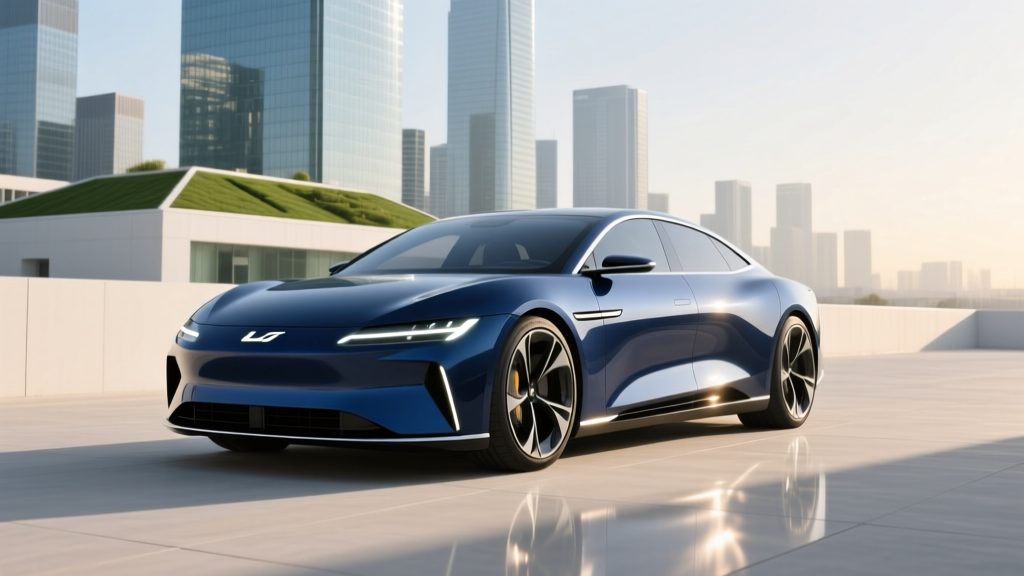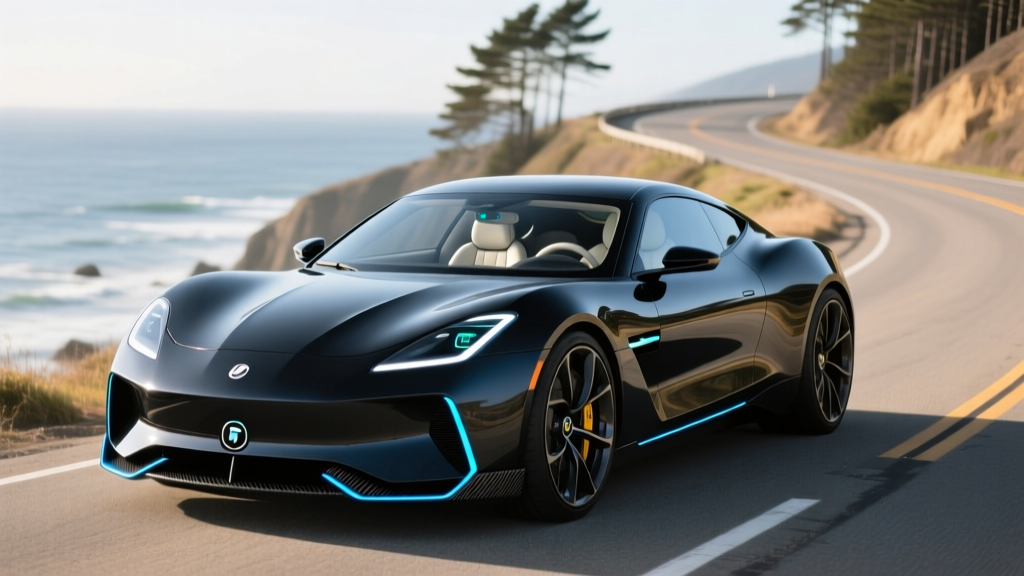
The nameplate that started it all in the plug-in luxury space has had a turbulent ride — from Henrik Fisker's original 2012 vision, through bankruptcy, a Chinese rescue, and a full reinvention. Today, the sports car Fisker Karma lineage lives on in the 2026 Karma Revero GT, an extended-range electric vehicle (EREV) that pairs a BMW-sourced range-extender generator with a high-output electric drivetrain. It's not a pure battery-electric vehicle, and it's not a conventional plug-in hybrid — it occupies a distinct niche that buyers either love or misunderstand entirely.
This review breaks down exactly what the 2026 Revero GT delivers in range, charging, performance, and ownership economics — with the real-world caveats that spec sheets leave out.
Quick Verdict: Who the Karma Revero GT Is For
Choose the Karma Revero GT if: You want a head-turning four-door grand tourer that drives like an EV 95% of the time, you have home Level 2 charging, and you value exclusivity over mass-market practicality.
Look elsewhere if: You need a pure EV for HOV-lane access in all states, you want a sub-5-second 0-60, or cargo space and rear-seat comfort are priorities.
Range, Battery & Real-World Efficiency
| Spec | 2026 Karma Revero GT |
|---|---|
| Battery (usable) | ~28 kWh (NMC lithium-ion) |
| EPA electric-only range | 61 miles |
| Total range (EREV, with fuel) | ~360 miles combined |
| EPA MPGe (charge-sustaining) | ~58 MPGe combined (EV+gas) |
| Range-extender engine | 1.5L 3-cyl BMW turbo (generator only) |
| Fuel tank | ~9.5 gallons (premium required) |
Real-World Range Note: The EPA's 61-mile electric-only figure assumes moderate temperatures and mixed driving. In our experience, expect ~48-55 miles of pure EV range on the highway at 70 mph, and as little as ~40 miles in freezing weather due to cabin heating load and reduced battery efficiency. The NMC chemistry in the Revero GT is energy-dense but more temperature-sensitive than LFP. Once the BMW range-extender kicks in, total range extends to roughly 360 miles — but fuel economy in charge-sustaining mode drops to approximately 22-25 mpg combined, which is modest for a vehicle this size.
Efficiency in EV mode is reasonable at approximately 46 kWh/100 miles, but the Revero GT's ~5,400-pound curb weight works against it. For comparison, the lighter and more aerodynamic Lucid Air achieves roughly 24-28 kWh/100mi. The Karma's efficiency story is one of trade-offs: dramatic styling and a heavy platform versus the flexibility of a gasoline backup.
Charging Speed: DC Fast & Home Level 2
| Charging Level | Max Power | Time / Rate | Notes |
|---|---|---|---|
| Level 1 (120V) | ~1.4 kW | ~2-3 miles/hr | Emergency/trickle only |
| Level 2 (240V, 32A) | 7.2 kW | ~4.5 hours (0-100%) | Home overnight charge |
| DC Fast Charge | ~40 kW peak | ~35 min (10-80%) | CCS connector; limited by small battery |
Here's the charging reality for the Revero GT: the ~28 kWh battery is small by modern EV standards, which means DC fast charging is relatively quick in absolute time but limited in peak power. The pack tops out around 40 kW on a CCS DC fast charger — nowhere near the 150-350 kW peaks of dedicated BEVs. The 10-80% charge takes approximately 35 minutes, which is acceptable given the small battery but means you won't see the ultra-fast top-ups that 800V architectures deliver.
At home on a Level 2 charger (7.2 kW), a full charge from empty takes about 4.5 hours. Most owners will plug in overnight and wake to a full battery every morning — the ideal EREV use case. If you can charge at home daily, the Revero GT operates as a pure EV for commutes under 50 miles, with the gasoline engine never activating.
Performance & Drivetrain
| Performance Spec | 2026 Karma Revero GT |
|---|---|
| Powertrain | Dual rear-mounted electric motors + BMW 1.5L range-extender |
| Drivetrain | Rear-wheel drive (RWD) |
| Total system output | 536 HP (combined electric + generator assist) |
| 0-60 mph | 4.5 seconds |
| Top speed | 125 mph (electronically limited) |
| Curb weight | ~5,400 lbs |
The Revero GT's twin electric motors on the rear axle deliver instant torque and a 4.5-second 0-60 time that feels quicker than the number suggests, thanks to the linear power delivery characteristic of electric drivetrains. The BMW range-extender never drives the wheels directly — it solely generates electricity to sustain the battery or feed the motors. This gives the car a consistent EV driving feel regardless of whether you're running on battery or gasoline.
That said, at 5,400 pounds, the Karma is no lightweight sports car. The original Fisker Karma was criticized for feeling heavy through corners, and while the Revero GT's revised suspension and lower center of gravity improve matters, this is a grand tourer, not a track car. Think of it as a four-door alternative to a BMW M8 Gran Coupe in spirit, not a Porsche Taycan in execution.
Interior, Cargo & Technology
The Revero GT's interior is where exclusivity shows — for better and worse. The cabin features:
- Seating: Four individual bucket seats (no bench rear). Front seats are heated and ventilated; rear seats offer ~33 inches of legroom — tight for tall adults on long trips.
- Cargo: Approximately 6.9 cubic feet of trunk space, constrained by the battery pack placement. This is sports-coupe territory, not sedan practicality. No frunk (front trunk) is available due to the range-extender engine.
- Infotainment: A 10.2-inch center touchscreen with Apple CarPlay (wired). The system is functional but lags behind the responsiveness of Tesla, Lucid, or BMW iDrive interfaces.
- Solar roof: The Karma's signature feature — a full-length solar panel integrated into the roof glass. It contributes a modest amount of range (roughly 1-3 miles per day in full sun) and primarily powers auxiliary systems. It's more of a brand statement than a meaningful range extender.
- Driver assists: Adaptive cruise control, lane-keeping assist, blind-spot monitoring, and automatic emergency braking. These are SAE Level 2 driver-assist features — the driver must remain fully engaged at all times. No hands-free driving system is offered.
Pricing, Trims & Federal Tax Credit
| Item | Amount |
|---|---|
| Base MSRP (Revero GT) | $132,000 |
| As-tested (with options) | $145,000 - $155,000 |
| Federal §30D EV tax credit | Up to $7,500 (EREV eligible — see caveats below) |
| Estimated price after credit | ~$124,500 (if fully eligible) |
| Destination fee | $1,500 |
The Revero GT sits firmly in six-figure luxury territory. Whether you qualify for the IRS §30D federal tax credit depends on several current-year requirements:
- Vehicle MSRP cap: Sedans/EREVs must be under $55,000 MSRP. The Revero GT at $132,000 exceeds this cap and does NOT qualify for the new-vehicle §30D credit.
- Buyer income limits: AGI must be ≤ $150,000 (single) or ≤ $300,000 (joint) — moot here since the vehicle itself is ineligible.
- Battery sourcing / critical minerals: Must meet phased-in domestic-content thresholds — also moot for this vehicle.
- Point-of-sale transfer: Available for qualifying vehicles; not applicable here.
Bottom line on tax credits: The Karma Revero GT's MSRP far exceeds the $55,000 sedan cap set by the Inflation Reduction Act. Per IRS §30D rules, buyers should not expect the $7,500 federal credit. Some state-level incentives may still apply — check your local DMV or energy office — but at the federal level, this is a full-price purchase.
Warranty & Long-Term Ownership
| Coverage | Term |
|---|---|
| Battery (high-voltage) | 8 years / 100,000 miles (≥70% capacity retention) |
| Powertrain (electric motors + range-extender) | 6 years / 75,000 miles |
| Bumper-to-bumper | 4 years / 50,000 miles |
| Roadside assistance | 4 years / 50,000 miles |
Karma Automotive's warranty is competitive for the luxury segment, particularly the 8-year/100,000-mile battery coverage. The 70% capacity retention threshold is industry-standard (matching most BEV warranties). However, long-term parts availability and dealer network depth remain concerns for a low-volume automaker. Karma has fewer than 20 service centers in the U.S. — if you don't live near one, warranty repairs could mean flatbed transport and extended wait times.
Pros, Cons & Competitor Comparison
Pros
- Stunning, concept-car design that turns heads everywhere
- Pure EV driving for daily commutes under 50 miles
- No range anxiety — gasoline backup provides 360+ total miles
- Instant electric torque with 536 HP on tap
- Solar roof is a genuine conversation piece
- Exclusivity — you will almost never see another on the road
Cons
- $132,000+ with no federal tax credit eligibility
- Tiny 6.9 cu ft trunk; tight rear seats
- DC fast charging limited to ~40 kW
- Infotainment feels dated vs. rivals
- Very limited dealer/service network
- Heavy at 5,400 lbs — handling reflects the mass
- Low-volume brand carries resale-value risk
How It Compares
At this price point, the Revero GT competes against very different philosophies:
- Porsche Taycan ($92,000-$190,000): Pure BEV, far superior charging (270 kW peak), sharper handling, better tech. If you want an electric sports sedan, the Taycan is the benchmark.
- BMW i7 ($120,000+): Full-size luxury BEV with 318 miles of EPA range, superior interior tech, and a vastly larger service network. More practical, less exotic.
- Mercedes-AMG EQS ($150,000+): Performance luxury BEV with more power, more space, and better charging. The AMG badge carries its own exclusivity.
The Revero GT's only true advantage over these rivals is rarity and design drama. Every competitor above is objectively better in measurable metrics. The Karma wins on emotion, not spreadsheet.
Frequently Asked Questions
What is the real-world electric range of the Karma Revero GT?
The EPA rates it at 61 miles of electric-only range. In real-world driving, expect 48-55 miles on the highway in moderate weather, and as few as 40 miles in freezing conditions. The range-extender engine then activates for unlimited driving up to the total ~360-mile combined range.
How fast does the Revero GT charge?
On a CCS DC fast charger, it peaks at approximately 40 kW, achieving a 10-80% charge in about 35 minutes. At home on Level 2 (7.2 kW), a full charge takes roughly 4.5 hours. The small ~28 kWh battery means you'll never wait long, but you'll also never see the ultra-fast 15-20 minute top-ups of large-battery BEVs.
Does the Karma Revero GT qualify for the federal EV tax credit?
No. The IRS §30D credit caps sedan MSRP at $55,000. The Revero GT starts at $132,000, making it ineligible regardless of buyer income or battery sourcing. Always verify current rules at IRS.gov.
Is the original Fisker Karma still available?
No. The original Fisker Karma (2011-2012) was discontinued after Fisker Automotive's bankruptcy. The Karma nameplate was acquired by Wanxiang Group and later reorganized as Karma Automotive, which produces the current Revero GT. The original Karma had significant reliability issues, including battery fires and A123 battery-pack failures — NHTSA records document multiple recalls for the 2012 model.
Is it worth buying vs. a Porsche Taycan or BMW i7?
On measurable specs — charging speed, interior tech, handling, cargo, service network — the Taycan and i7 are superior vehicles. The Revero GT is worth considering only if design exclusivity and EREV flexibility (no range anxiety) matter more than objective performance metrics and ownership convenience.
What's the biggest risk of owning a Karma Revero GT?
Low-volume manufacturer risk. Karma Automotive produces fewer than 1,000 vehicles annually. Parts availability, resale value, and long-term brand viability are genuine concerns that buyers of Porsche, BMW, or Mercedes don't face.