The Short Answer: Are Smart Cars Electric Cars?
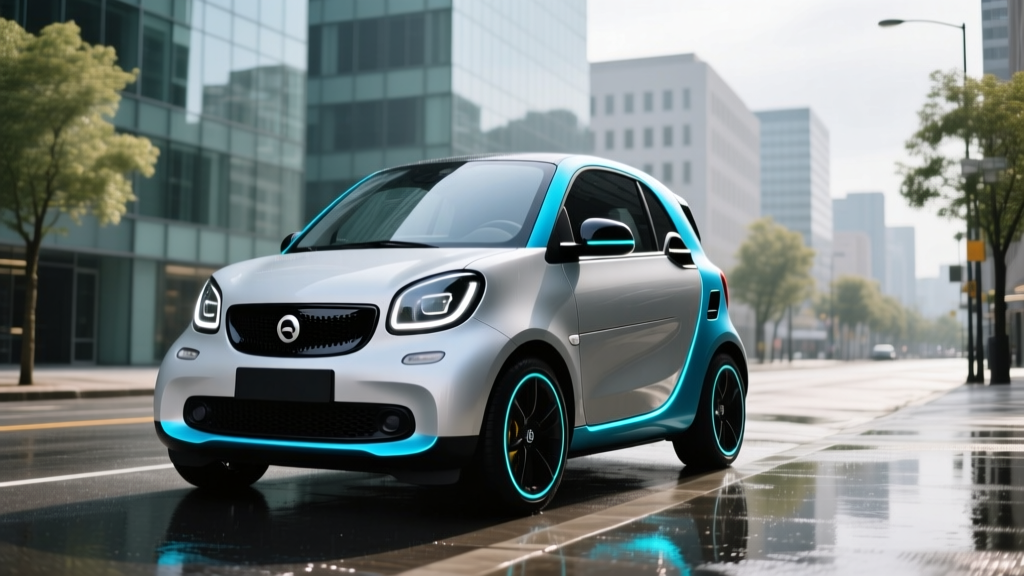
Yes — but with major caveats. The final Smart model sold in the United States was the Smart EQ Fortwo, a fully electric battery-electric vehicle (BEV) with a 17.6 kWh battery and an EPA-estimated range of just 58 miles. Smart exited the U.S. market after the 2019 model year, so no new Smart cars are available stateside. In Europe, Smart continues under a Mercedes-Benz and Geely joint venture, selling the Smart #1 and Smart #3 electric crossovers — but these are not officially imported to the U.S. If you're asking "are Smart cars electric cars" because you're considering one as a used EV or are curious about the brand's electric lineage, this guide covers exactly what you need to know about specs, real-world range, charging, ownership costs, and whether a Smart EQ Fortwo still makes sense as a city commuter in 2026.
Smart EQ Fortwo: Full Electric Specs at a Glance
The Smart EQ Fortwo (sold in the U.S. as the Smart Fortwo Electric Drive from 2017–2019) was one of the smallest BEVs ever sold in America. Here are the exact figures that matter:
| Specification | Smart EQ Fortwo (2019) |
|---|---|
| Powertrain | Battery Electric (BEV) |
| Battery Capacity (usable) | 17.6 kWh (NMC chemistry) |
| EPA Range | 58 miles |
| Real-World Range (city, mild weather) | 50–65 miles |
| Real-World Range (highway/cold) | 38–48 miles |
| Motor Output | 80 hp (60 kW), 118 lb-ft torque |
| 0–60 mph | |
| Top Speed | 81 mph (electronically limited) |
| EPA Efficiency | 108 MPGe combined |
| DC Fast Charging | Not available (no DC capability) |
| Level 2 AC Charging (max) | 7.2 kW (optional onboard charger) |
| Level 1 AC Charging (120V) | ~2.3 kW |
| Charge Time 0–100% (Level 2, 7.2 kW) | ~3 hours |
| Charge Time 0–100% (Level 1, 120V) | ~13 hours |
| Original MSRP (2019 base) | ~$28,900 |
| Typical Used Price (2026) | $7,000–$14,000 |
| Battery Warranty (original) | 8 years / 100,000 miles |
Key takeaway: The Smart EQ Fortwo is undeniably an electric car — it has no gasoline engine whatsoever. But its 58-mile EPA range and lack of DC fast charging make it one of the most limited BEVs ever sold in the U.S.
Smart EQ Fortwo vs. Gas Smart Fortwo vs. Modern Budget EVs
To understand where the Smart EQ Fortwo fits, it helps to compare it against its gas-powered sibling and against what you can buy new or used in 2026 with a similar city-car mission.
| Metric | Smart EQ Fortwo (BEV) | Smart Fortwo Gas (2019) | 2026 Nissan Leaf S (used/refurb) | 2026 Chevy Equinox EV LT |
|---|---|---|---|---|
| Powertrain | Electric (BEV) | Gasoline (ICE) | Electric (BEV) | Electric (BEV) |
| EPA Range | 58 mi | ~280 mi (tank) | 149 mi | 319 mi |
| Fuel/Energy Cost per Mile | ~$0.04 (home L2) | ~$0.14 (gas, $3.50/gal) | ~$0.04 | ~$0.04 |
| Annual Fuel Cost (12k mi/yr) | ~$480 | ~$1,680 | ~$480 | ~$480 |
| DC Fast Charging | No | N/A | Yes (50 kW CHAdeMO) | Yes (150 kW CCS) |
| 0–60 mph | 11.4 sec | ~11.9 sec | ~7.9 sec | ~8.3 sec |
| Cargo (behind seats) | 9.2 cu ft | 9.2 cu ft | 23.6 cu ft | 26.4 cu ft |
| Used/Starting Price | $7K–$14K | $6K–$11K | $15K–$20K | ~$33,000 (new) |
The Smart EQ Fortwo wins on pure city maneuverability (11.0-foot turning circle) and the lowest cost per mile. But its range is a fraction of any modern EV. The gas Fortwo gives you 280+ miles per tank and easy refueling — but costs 3.5x more per mile to "fuel" and requires oil changes and emissions maintenance.
If your budget stretches to $15,000–$20,000, a used Nissan Leaf with 149 miles of range and CHAdeMO DC fast charging is a dramatically more capable commuter. And at the new-car level, the Chevrolet Equinox EV offers over 300 miles of EPA range with modern CCS/NACS fast charging.
Real-World Range: What 58 EPA Miles Actually Means
The EPA's 58-mile estimate for the Smart EQ Fortwo was already among the lowest of any BEV sold in the U.S. In real-world use, here's what owners and testers have observed:
EPA Sticker: 58 miles
City Driving (mild weather, 35 mph avg): 55–68 miles — regenerative braking in stop-and-go traffic can actually push range slightly above the EPA estimate.
Highway Driving (65–70 mph): 38–48 miles — the small battery and aerodynamic drag at speed drain the 17.6 kWh pack quickly.
Cold Weather (below 32°F, no heat pump): 35–45 miles — NMC batteries lose 20–30% of effective capacity in freezing temperatures, and cabin heating draws directly from the traction battery. The Smart EQ Fortwo does not have a heat pump, relying on resistive PTC heating, which is energy-intensive.
Practical Daily Radius: Plan for a comfortable round-trip of no more than 35–40 miles in mixed conditions, or 25–30 miles in winter.
This makes the Smart EQ Fortwo a dedicated city car. It works if your commute is under 20 miles each way, you have home charging, and you rarely drive on highways or in extreme cold. It does not work as a sole vehicle for most households.
Charging the Smart EQ Fortwo: Speeds, Connectors, and Limitations
Charging is where the Smart EQ Fortwo's age and limited engineering show most clearly.
| Charging Level | Power (kW) | Connector | 0–100% Time | Miles Added per Hour |
|---|---|---|---|---|
| Level 1 (120V household) | ~2.3 kW | J1772 | ~13 hours | ~4.5 mi/hr |
| Level 2 (240V, standard 6.6 kW charger) | 6.6 kW | J1772 | ~3.5 hours | ~17 mi/hr |
| Level 2 (240V, optional 7.2 kW charger) | 7.2 kW | J1772 | ~3 hours | ~19 mi/hr |
| DC Fast Charging | N/A | N/A | N/A | N/A |
Critical limitation: The Smart EQ Fortwo has no DC fast charging capability. You cannot plug it into a CCS, CHAdeMO, or NACS DC fast charger. All charging is AC only. This means no road trips — even a 60-mile drive one-way could leave you stranded without a guaranteed Level 2 destination charger.
J1772 connector note: The Smart uses the standard J1772 AC connector. If you buy a used Smart EQ Fortwo in 2026 and want to use Tesla Superchargers or NACS-equipped public stations, you'll need a J1772-to-NACS adapter for AC destination chargers (widely available for ~$150–$250). However, NACS DC fast chargers will still be useless to the Smart since it cannot accept DC power at all.
Home charging reality: With a 240V Level 2 home charger (a ~$500–$1,200 installed setup), the Smart charges fully overnight in about 3 hours. On a standard 120V outlet, a full charge takes ~13 hours — workable if you plug in when you get home and don't drive more than 40 miles the next day. For most owners, a Level 2 home installation is strongly recommended.
Ownership Cost Breakdown: Smart EQ Fortwo vs. Gas Car
One of the strongest arguments for the Smart EQ Fortwo as a used purchase is its extremely low running cost. Here's a realistic 5-year ownership comparison assuming 12,000 miles per year (60,000 miles total):
| Cost Category | Smart EQ Fortwo (used, ~$10K) | Used Gas Compact (e.g., 2019 Honda Fit, ~$12K) |
|---|---|---|
| Purchase Price | $10,000 | $12,000 |
| Fuel/Energy (5 years) | $2,400 (electricity, $0.13/kWh avg) | $8,400 (gas, $3.50/gal, 36 MPG) |
| Maintenance (5 years) | $600 (cabin filter, brake fluid, wipers) | $3,000 (oil, filters, brakes, spark plugs) |
| Insurance (avg annual) | $1,100/yr × 5 = $5,500 | $1,200/yr × 5 = $6,000 |
| Battery Replacement Risk | $5,000–$8,000 (if needed, unlikely under 60K mi) | N/A |
| Estimated Depreciation (5 yr) | -$4,000 | -$5,000 |
| Total 5-Year Cost | ~$14,500–$22,500 | ~$24,400 |
Federal tax credit note: The Smart EQ Fortwo was eligible for a federal tax credit when sold new, but as a used purchase in 2026, it may qualify for the IRS §25E Used Clean Vehicle Credit — up to $4,000 or 30% of the sale price (whichever is less) if you buy from a licensed dealer, the vehicle is under $25,000, and your income is below $75,000 (single) / $150,000 (joint). Check current IRS rules before relying on this credit.
The Smart EQ Fortwo's fuel and maintenance savings are substantial — roughly $1,400/year less than a comparable gas car. But the battery replacement risk is real for a vehicle now 7+ years old. Most Smart EQ batteries show 85–92% State of Health (SoH) at this age, but always request a battery health diagnostic before purchasing.
Common Misconceptions About Smart Cars and EVs
| Myth | Fact |
|---|---|
| "All Smart cars are electric." | False. Smart sold gasoline Fortwo models in the U.S. from 2008–2019 alongside the electric variant. The gas models use a 1.0L 3-cylinder engine. Only the "Electric Drive" / "EQ" badge models are battery-electric. |
| "Smart cars are still sold new in the U.S." | False. Mercedes-Benz (Smart's parent) discontinued U.S. sales after the 2019 model year. No new Smart vehicles are available in America. The brand continues in Europe and China with the Smart #1 and #3 crossovers. |
| "Smart electric cars can use Tesla Superchargers." | False. The Smart EQ Fortwo cannot DC fast charge at all. Even with a J1772-to-NACS adapter, it can only use AC destination chargers — not Supercharger DC stalls. |
| "The battery will need replacing soon." | Partially true, but overstated. NMC batteries in the Smart EQ Fortwo typically show 85–92% capacity at 7 years. Mercedes-Benz's original 8-year/100,000-mile battery warranty has expired for most 2017–2018 models, but the cells are generally durable in moderate climates. A full pack replacement runs $5,000–$8,000 if needed. |
| "58 miles of range is enough for anyone in a city." | It depends. If your daily round-trip is under 35 miles and you charge at home nightly, yes. But detours, highway segments, AC/heating use, and cold weather can cut effective range to 35–40 miles — uncomfortably tight for many drivers. |
| "Smart cars are unsafe because they're tiny." | The Smart Fortwo earned a 4-star overall NHTSA rating and Good ratings in several IIHS crash tests for its era. Its tridion safety cell is engineered for city-speed impacts. However, it lacks modern ADAS features (no automatic emergency braking, no lane-keep assist). |
Decision Framework: Should You Buy a Smart EQ Fortwo in 2026?
Choose the Smart EQ Fortwo if:
- Your daily round-trip commute is under 35 miles, mostly on surface streets
- You have reliable home charging (garage or driveway with 240V access)
- You live in a mild climate (rarely below 32°F)
- You need a second or third household vehicle, not a primary car
- Parking is extremely tight in your city (the Smart is just 8.8 feet long)
- Your budget is under $15,000 and you want the lowest possible cost-per-mile
Do NOT choose the Smart EQ Fortwo if:
- You need more than 50 miles of range on any given day
- You regularly drive on highways or interstates (it's underpowered and range evaporates at 70 mph)
- You live in a cold-weather state (expect 35–45 miles of real winter range)
- You don't have home charging access (public Level 2 charging is slow and inconvenient for a 58-mile car)
- This would be your only vehicle
- You want DC fast charging for any road-trip flexibility
- You need more than 9.2 cu ft of cargo space or more than 2 seats
Better alternatives to consider:
- Used 2019–2022 Nissan Leaf ($15K–$22K): 149–226 miles of range, CHAdeMO DC fast charging, 5 seats, 23.6 cu ft cargo
- Used 2020–2023 Chevy Bolt EV ($16K–$24K): 259 miles EPA range, CCS DC fast charging (with adapter), 5 seats — widely considered the best value used EV
- Used 2021–2024 VW ID.4 ($20K–$30K): 250+ miles, 125–170 kW DC fast charging, crossover practicality
- New 2026 Chevy Equinox EV (~$33K): 319 miles, 150 kW CCS/NACS charging, eligible for §30D tax credit (up to $7,500 if income/MSRP/sourcing rules are met)
What First-Time EV Buyers Should Know Before Buying Any Used Smart
If you're researching "are Smart cars electric cars" because you're considering your first EV purchase, here are the essentials:
- Get a battery health report. Before buying any used EV — especially one with a small 17.6 kWh pack — have a qualified EV technician run a State of Health (SoH) diagnostic. Acceptable SoH for a 7-year-old Smart EQ is 85%+. Below 80%, negotiate the price down by at least $2,000 to account for potential replacement.
- Verify the onboard charger. Some Smart EQ Fortwo models came with a 6.6 kW onboard charger; others had the optional 7.2 kW unit. A few early models may have a 3.6 kW charger, which doubles Level 2 charging time. Check the VIN or window sticker.
- Plan your home charging before you buy. A Level 2 (240V) home charger installation typically costs $500–$1,500 including equipment and electrician labor, depending on your panel capacity and run distance. For a car with only 58 miles of range, reliable overnight home charging is non-negotiable.
- Understand the tax credit landscape. The used EV credit (§25E) can save you up to $4,000 on a dealer-purchased Smart EQ Fortwo under $25,000 — but income caps apply. For new EVs, the §30D new vehicle credit offers up to $7,500 but has MSRP caps ($55,000 for cars, $80,000 for SUVs/trucks), buyer income limits, and battery-sourcing requirements that change annually.
- Factor in insurance. EVs can carry 10–20% higher insurance premiums than equivalent gas cars due to repair costs and battery replacement exposure. Get a quote before committing.
- Check parts availability. With Smart out of the U.S. since 2019, some body panels, trim pieces, and Smart-specific components are becoming harder to source. Mechanical and electrical parts shared with Mercedes-Benz platforms are generally available, but unique Smart items may require specialty importers.
Frequently Asked Questions
Is the Smart Fortwo Electric Drive the same as the Smart EQ Fortwo?
Yes. The "Electric Drive" badge was used from 2013–2017. Mercedes-Benz rebranded its EV lineup under the "EQ" name in 2018, so the 2018–2019 U.S. models are badged "Smart EQ Fortwo." Both are fully electric BEVs with no gasoline engine.
Are the new Smart #1 and Smart #3 electric?
Yes. The Smart #1 (compact crossover) and Smart #3 (coupe-SUV) sold in Europe and China are fully electric vehicles built on the Geely SEA platform with 66 kWh NMC batteries and 240+ miles of WLTP range. However, these vehicles are not sold in the United States and there is no announced plan to import them.
Can I charge a Smart EQ Fortwo at a public charging station?
You can use any public Level 2 AC charger with a J1772 connector — which includes most ChargePoint, EVgo (Level 2 stalls), and Blink stations. You cannot use any DC fast charger (CCS, CHAdeMO, NACS/Supercharger) because the Smart EQ Fortwo lacks DC fast-charging hardware entirely.
How long will the Smart EQ Fortwo battery last?
The 17.6 kWh NMC battery is designed for 1,000+ full charge cycles before significant degradation. At typical usage (one partial cycle per day), that translates to roughly 8–12 years of service before the pack might drop below 70% State of Health. Most 2017–2019 Smart EQ Fortwo batteries in moderate climates still show 85–92% capacity. A replacement pack, if needed, costs approximately $5,000–$8,000 including labor.
Is the Smart EQ Fortwo safe for highway driving?
It's legal and physically capable of highway speeds (electronically limited to 81 mph), but it's not ideal. The 80 hp motor struggles with merging, range drops sharply above 60 mph, and the short wheelbase makes it sensitive to crosswinds and truck turbulence. It's safest and most efficient as a city-speed commuter.
Why did Smart leave the U.S. market?
Mercedes-Benz cited low sales volume, the high cost of U.S. homologation and crash-testing, and the shift toward larger SUVs as reasons for exiting the U.S. after 2019. Global Smart sales never reached the volumes needed to justify continued North American operations.