The Quick Answer
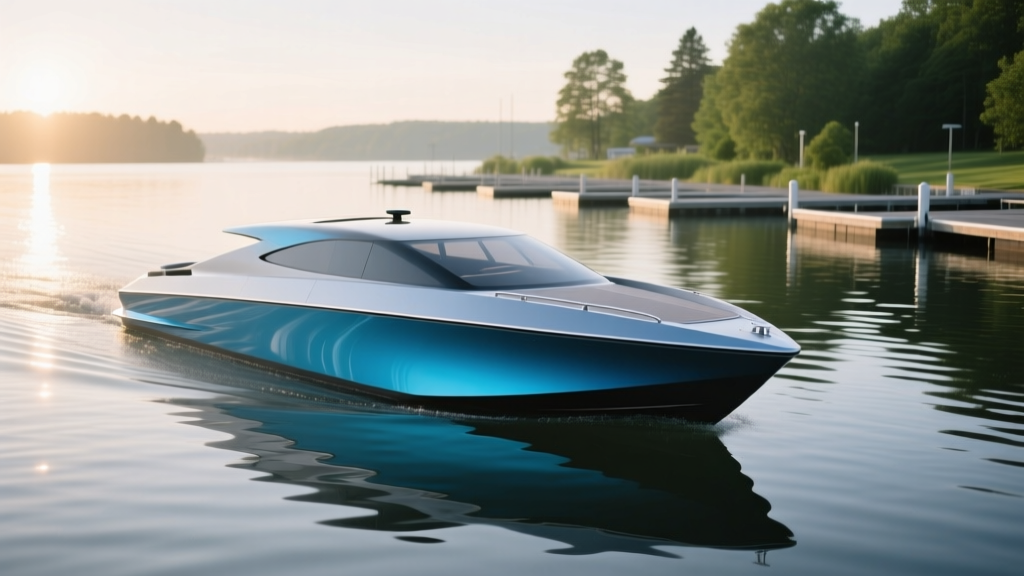
Small electric boats for sale in 2026 typically range from $8,000 to $45,000 depending on size, battery capacity (5–40 kWh), and motor output (3–30 kW). Expect 15–60 miles of range at cruising speeds of 5–8 mph, with DC fast charging unavailable on most models — plan on Level 2 (240V) shore power adding roughly 5–10 kWh per hour. For calm-water recreation, fishing, and tender duty, electric boats deliver near-zero maintenance and fuel costs under $0.05 per mile. They do not yet replace gas outboards for high-speed planing or offshore use.
Why Electric Boats Are Gaining Traction in 2026
The marine electrification market has matured significantly. Lithium iron phosphate (LFP) battery packs — the same chemistry now standard in many automotive EVs for longevity — have become the dominant choice for small electric watercraft. Unlike the NMC (nickel manganese cobalt) packs found in performance-oriented EVs, LFP offers a longer cycle life (3,000–5,000 cycles vs. 1,000–2,000 for NMC) and superior thermal stability, which matters in a marine environment where temperature swings and vibration are constant.
Several manufacturers now offer production electric pontoon boats, fishing skiffs, and tenders with integrated solar-assist panels, regenerative propeller systems, and marine-grade battery enclosures rated to IP67 water ingress protection. The key buyer profile: lake-home owners, marina-based sailors needing a tender, and freshwater anglers who value silent operation and zero exhaust fumes.
What You Need to Know Before Buying a Small Electric Boat
If you are coming from a gas-powered outboard, the ownership experience differs in fundamental ways. Here is what first-time electric boat buyers must understand:
- Battery capacity (kWh) determines range, not motor size (kW). A 20 kWh battery at a 5 kW cruising draw gives roughly 4 hours of runtime — about 20–28 miles at 5–7 mph.
- Charging infrastructure is shore-based. Most small electric boats charge via standard 120V (Level 1, ~1.5 kW) or 240V (Level 2, ~3.3–7.2 kW) connections at your dock or trailer. There is no DC fast-charging standard for recreational boats under 25 feet.
- Cold water reduces range. Just as EVs lose 20–30% range in freezing air, electric boats operating in water below 45°F can see 15–25% range reduction due to increased battery internal resistance and higher drag from denser water.
- Maintenance is minimal but not zero. You eliminate oil changes, fuel stabilizer, impeller replacements, and winterization fuel-system prep. You still need hull cleaning, prop inspection, and battery management system (BMS) firmware updates.
Electric Boat vs. Gas Outboard: Cost & Performance Compared
The following table compares a typical 16-foot electric fishing boat with a comparable gas-powered aluminum hull, based on 100 hours of annual use:
| Factor | Electric Boat (15 kWh LFP, 10 kW motor) | Gas Boat (40 HP 4-stroke outboard) |
|---|---|---|
| Purchase price (2026 typical) | $22,000–$28,000 | $14,000–$18,000 |
| Fuel/energy cost per hour | $0.40–$0.80 (at $0.14/kWh) | $6.00–$10.00 (at $4.00/gal, 4–6 GPH) |
| Annual energy/fuel cost (100 hrs) | $40–$80 | $600–$1,000 |
| Annual maintenance | $50–$150 (hull, prop, BMS check) | $400–$800 (oil, filter, impeller, lower unit) |
| Top speed | 12–18 mph (displacement hull) | 28–35 mph (planing capable) |
| Range per full charge/tank | 20–35 miles at 5–7 mph cruise | 80–150 miles (6–12 gal tank) |
| Noise level at cruise | 50–60 dB (conversation-quiet) | 75–85 dB |
| Battery/engine lifespan | 10–15 years / 3,000+ cycles (LFP) | 1,500–3,000 hours before major service |
The upfront premium for electric is real — typically $6,000–$12,000 more than an equivalent gas setup. But annual operating savings of $600–$1,200 mean a breakeven point of roughly 7–12 years for average users, or 4–6 years for high-use commercial operators (livery fleets, guided fishing services).
2026 Small Electric Boat Models: What's Available
The current market includes several production models worth evaluating. Note that unlike automotive EVs, electric boats do not have EPA range ratings — manufacturers provide estimated range based on standardized calm-water testing at specified speeds. Real-world range varies with wind, current, payload, and hull condition.
| Model | Type | Battery (kWh) | Motor (kW) | Est. Range (mi) | Charge Time (240V) | MSRP (2026) |
|---|---|---|---|---|---|---|
| Flux Marine FM-16 | Fishing skiff | 15 kWh (LFP) | 10 kW | 25–30 @ 6 mph | ~5 hours | $24,500 |
| Arc One (by Arc Boat Co.) | Premium runabout | 40 kWh (LFP) | 25 kW | 45–60 @ 8 mph | ~7 hours | $42,000 |
| Navigator XE (X Shore class) | Day cruiser | 30 kWh (NMC) | 20 kW | 35–45 @ 7 mph | ~6 hours | $38,000 |
| Torqeedo Ultralight-equipped kayak/skiff | Portable/tender | 1–5 kWh (LFP) | 1–3 kW | 8–15 @ 4 mph | 2–4 hours (120V) | $3,500–$8,000 |
For most recreational buyers, the 10–20 kWh LFP segment hits the sweet spot: enough range for a full day on a small-to-medium lake, manageable weight (150–300 lbs for the battery pack alone), and charging from a standard dock outlet overnight.
Real-World Ownership: Charging, Storage, and Climate Considerations
Owning a small electric boat involves logistical questions that do not apply to automotive EVs:
Charging access is your #1 constraint. Unlike cars, you cannot pull into a charging station. Your boat charges where it lives — at the dock, on the lift, or on the trailer at home. If your marina does not offer 240V shore power at your slip, you are limited to 120V trickle charging, which adds roughly 1–2 kWh per hour. A 15 kWh battery at that rate needs 8–15 hours for a full charge. Confirm your dock's electrical capacity before purchasing.
Trailer charging is viable but requires planning. Many owners charge on the trailer in their driveway using a NEMA 14-50 outlet (the same 240V/50A outlet used for home EV charging). This works well if you trailer your boat to different lakes. Budget $500–$1,500 for a dedicated 240V outlet installation by a licensed electrician if you do not already have one — the same panel-capacity considerations that apply to home EV charger installation apply here.
Winter storage requires battery management. LFP batteries should be stored at 40–60% state of charge in temperatures above freezing. If you winterize in an unheated garage in a northern climate, you must either bring the battery pack indoors or use a battery blanket. Leaving an LFP pack at full charge in sub-zero temperatures can cause permanent capacity loss — the same rule that applies to your electric car.
Insurance costs are stabilizing. In 2026, marine insurers (Geico Marine, Progressive Boat, State Farm) offer electric boat policies comparable to gas equivalents, typically $300–$600 annually for a $25,000 vessel. Some carriers offer discounts for LFP chemistry due to lower fire risk. Always get a quote before purchasing.
Common Misconceptions About Small Electric Boats
| Myth | Fact |
|---|---|
| "Electric boats will leave you stranded with no way to recharge on the water." | Range anxiety is manageable: most small electric boats are used on lakes under 5 miles across. A 15 kWh battery at conservative speed gives 4+ hours of runtime. Many models include a backup kick-start or auxiliary gas generator option. |
| "Batteries will need replacement every 3–5 years." | LFP marine packs are rated for 3,000+ full cycles with 80% capacity retention. At 100 cycles per year (weekly use, May–September), that is 30+ years of usable life. Most manufacturers warranty batteries for 5–8 years. |
| "Electric boats are too slow to be practical." | For displacement-hull fishing and cruising, 6–10 mph is standard — matching typical gas-boat trolling and cruising speeds. Electric boats are not designed for water-skiing or high-speed planing. If you need 30+ mph, gas or a high-power electric (25+ kW, $40K+) is required. |
| "You cannot use an electric boat in saltwater." | Modern electric marine drives are sealed to IP67 or IP68 and use corrosion-resistant materials. Saltwater use is fine with proper post-use freshwater rinsing — the same maintenance any saltwater boat requires. |
Decision Framework: Is a Small Electric Boat Right for You?
Choose an electric boat if:
- You primarily boat on calm, inland lakes or protected coastal waters
- Your typical outing is under 25 miles round-trip at displacement speeds
- You have reliable 240V charging access at your dock or home trailer pad
- You value silent operation (fishing, wildlife observation, conversation)
- You want to eliminate fuel storage, winterization, and outboard maintenance
- You plan to keep the boat 8+ years (amortizing the upfront premium)
Stick with a gas outboard if:
- You need planing speeds above 25 mph for water sports or offshore runs
- You boat on large bodies of water where 30+ mile range is routinely needed
- You lack access to shore power and cannot install a 240V outlet
- Your budget is under $12,000 for a complete boat/motor/trailer package
- You frequently boat in remote areas with no electrical infrastructure
Frequently Asked Questions
Do electric boats qualify for any tax credits or incentives?
The federal §30D clean vehicle tax credit applies to road-going EVs, not marine vessels. However, some states and local utility districts offer rebates for electric marine equipment — check with your local utility and state energy office. The IRS §30D guidelines specifically define eligible vehicles as those "made by a manufacturer" and "rated at less than 14,000 pounds" for highway use. Boats do not qualify. Some marinas and municipalities offer reduced slip fees or charging subsidies for electric vessels.
How long does it take to charge a small electric boat?
On a 240V Level 2 connection delivering 3.3–7.2 kW, expect 4–8 hours for a full charge on a 15–30 kWh battery. On standard 120V household power, plan for 10–20 hours. Most owners charge overnight at the dock or on the trailer — similar to home EV charging routines.
What happens to the battery at end of life?
Marine LFP batteries can be repurposed for stationary energy storage (solar backup, off-grid systems) before final recycling. Manufacturers like Flux Marine and Torqeedo offer take-back or recycling programs. Replacement battery packs in 2026 cost $3,000–$8,000 depending on capacity — a significant expense, but one you are unlikely to face for 15+ years with LFP chemistry.
Can I convert my existing gas boat to electric?
Yes, several companies offer electric outboard conversion kits (Torqeedo, ePropulsion, Elco) ranging from $4,000–$15,000 including battery. The conversion makes most sense for displacement-hull boats under 20 feet where the existing hull is in good condition. You will need to factor in battery mounting, weight distribution changes, and charging infrastructure.
Where can I find small electric boats for sale?
Most electric boat manufacturers sell direct or through a limited dealer network. Major platforms listing small electric boats for sale include manufacturer websites (Flux Marine, Arc Boat Co., Torqeedo dealers), BoatTrader.com (which added an electric category in 2025), and regional marine dealers near major lake communities. For used electric boats, check Facebook Marketplace and boating forums — the used market is growing as early adopters upgrade to larger battery packs.
For further reading on electric marine propulsion standards, the National Marine Manufacturers Association (NMMA) publishes guidelines on electric boat safety and certification.