Quick Answer: Is a Single Person Electric Boat Right for You?
If you're considering a single person electric boat for solo fishing, lake cruising, or quiet waterway exploration, the short answer is yes — provided your use case fits within the current battery and range realities of electric marine propulsion. In 2026, single-person electric boats typically offer 4 to 10 kWh of usable battery capacity (LFP chemistry dominates the segment), delivering 2 to 6 hours of runtime at trolling speeds (2-4 mph) and 45 to 90 minutes at cruising speeds (5-7 mph). Expect to pay between $3,500 and $12,000 depending on hull type and motor output, with zero fuel costs and minimal maintenance compared to gas outboards.
However, these vessels are not drop-in replacements for gas-powered boats. They excel in specific scenarios — calm inland lakes, ponds, slow-speed fishing, and noise-sensitive waterways — and fall short for open water, high-speed runs, or extended range needs. This guide breaks down the real numbers so you can decide whether an electric boat fits your pattern or whether a gas outboard (or hybrid approach) makes more sense.
What Exactly Is a Single Person Electric Boat?
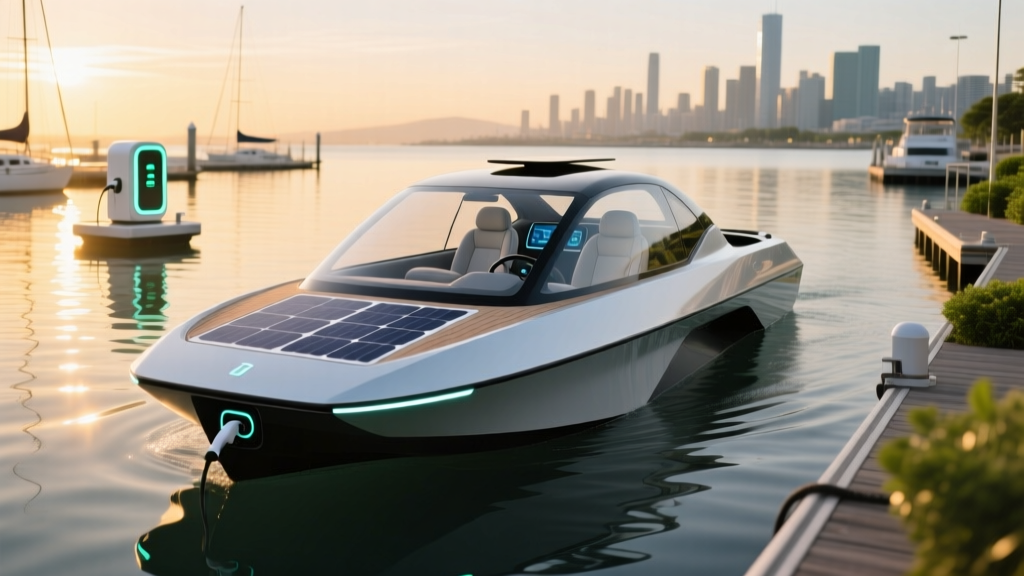
A single person electric boat is a small watercraft — typically 8 to 14 feet in length — powered by a battery-electric motor rather than a gasoline outboard engine. These come in several forms:
- Electric kayaks and canoes with integrated trolling motors (1-3 kWh battery, $1,500-$4,000)
- Electric pontoons and mini-barges designed for one angler (5-10 kWh, $6,000-$12,000)
- Electric skiffs and dinghies with dedicated hull designs (4-8 kWh, $5,000-$10,000)
- Portable electric outboard motors you mount on an existing hull (2-5 kWh battery pack, $2,000-$6,000 for motor + battery)
Unlike electric vehicles on the road, marine electric propulsion faces a unique physics challenge: water is roughly 800 times denser than air, meaning energy consumption scales dramatically with speed. Pushing a hull from 4 mph to 8 mph doesn't double your energy use — it can quadruple it. This is why range and runtime figures for electric boats are always speed-dependent, and why honest manufacturers publish runtime at multiple speed tiers.
Battery, Range, and Charging: The Numbers That Matter
When evaluating any electric vehicle — boat or car — the critical distinction is kW (power, or how fast the motor can push) versus kWh (energy, or how much the battery holds). A 5 kW motor on a 5 kWh battery can theoretically run at full power for one hour, but real-world runtime at partial throttle is much longer.
Typical 2026 Single Person Electric Boat Specs
| Spec | Electric Kayak | Electric Skiff | Electric Mini-Pontoon |
|---|---|---|---|
| Battery Capacity (usable) | 1.5–3 kWh | 4–6 kWh | 7–10 kWh |
| Chemistry | NMC (weight savings) | LFP (longevity) | LFP (longevity) |
| Motor Output | 0.5–1.5 kW | 2–5 kW | 3–5 kW |
| Runtime at Trolling (2-3 mph) | 6–10 hours | 8–12 hours | 10–14 hours |
| Runtime at Cruise (5-6 mph) | 1.5–3 hours | 2–4 hours | 3–5 hours |
| Top Speed | 4–6 mph | 7–12 mph | 6–10 mph |
| Charge Time (120V Level 1) | 3–6 hours | 8–12 hours | 12–18 hours |
| Charge Time (240V Level 2) | N/A most models | 3–5 hours | 4–6 hours |
| Battery Warranty | 2 years / 500 cycles | 3–5 years / 1,000 cycles | 3–5 years / 1,500 cycles |
| Base Price Range | $1,500–$4,000 | $5,000–$10,000 | $6,000–$12,000 |
Real-world caveat: Runtime figures assume calm water, no headwind, and a single occupant with minimal gear. Add a passenger, fight a current, or push into 10 mph winds and you'll lose 20-35% of stated runtime. Cold water temperatures (below 50°F) also reduce LFP battery output by roughly 10-15%, similar to cold-weather range loss in electric cars.
Charging at Home: What You Need to Know
Most single person electric boats charge from a standard 120V household outlet (Level 1 equivalent). This is both the advantage and the limitation — you don't need special electrical work, but charging is slow. A 5 kWh battery at 120V/12A draws roughly 1.4 kW, meaning a full charge takes about 4 hours. Larger 10 kWh packs can take overnight.
If you have a 240V outlet (like a dryer circuit or a dedicated Level 2 EV charger) near your dock or garage, you can cut charge times by 60-70%. Some higher-end electric skiffs in 2026 support J1772 Level 2 charging — the same connector used by most electric cars — meaning your home EV charger can double as your boat charger.
Electric Boat vs Gas Outboard: Cost and Performance Compared
The decision between electric and gas propulsion on the water mirrors the EV vs gas car debate on land, but with some key differences unique to marine use.
| Factor | Single Person Electric Boat | Comparable Gas Outboard (2-5 HP) |
|---|---|---|
| Upfront Cost (boat + motor) | $5,000–$12,000 | $3,000–$7,000 |
| Fuel/Energy Cost per Hour | $0.15–$0.40 (electricity) | $1.50–$3.00 (gasoline) |
| Annual Fuel/Energy (100 hrs/yr) | $15–$40 | $150–$300 |
| Maintenance per Year | $0–$50 (no oil, filters, impeller) | $100–$300 (oil, spark plugs, lower unit, winterization) |
| Noise Level at Cruise | Near-silent (under 50 dB) | 65–80 dB |
| Top Speed | 6–12 mph | 15–25 mph |
| Range at Cruise | 10–25 miles | 40–80+ miles |
| Weight (motor + fuel/battery) | 50–120 lbs | 40–70 lbs (motor) + 20-40 lbs (fuel) |
| Emissions on Water | Zero tailpipe | Unburned hydrocarbons in water |
| Winterization Required | No | Yes (fogging, fuel stabilizer, lower unit drain) |
The cost math: Over 5 years of 100 annual hours on the water, a gas outboard costs roughly $1,250-$2,250 in fuel and maintenance combined. An electric boat's energy and maintenance costs over the same period run $75-$450. That's a savings of $800-$1,800 — meaningful, but not enough to fully offset the higher upfront purchase price of most electric boats. The breakeven point typically arrives at year 6-8 for budget models, or never if you only boat 20-30 hours per year.
The real advantages of electric on the water aren't purely financial. Silence is transformative for fishing — no engine noise means less spooked fish and a more immersive nature experience. Zero exhaust also matters on enclosed waterways and lakes with emission restrictions. Many state parks and wilderness areas now restrict or ban gas motors on certain bodies of water, making electric the only option.
Real-World Ownership: What First-Time Buyers Should Know
Owning a single person electric boat involves practical considerations that spec sheets rarely address:
Home Charging Access
Unlike electric cars, which have a mature public charging network, electric boats rely almost entirely on home or dock charging. If you store your boat at home and have access to a standard outlet in your garage or driveway, you're set. If you keep it at a marina, confirm that your slip has shore power — many do, but not all, and marina electrical rates can be 2-3x residential rates.
Climate and Water Temperature
LFP batteries (used in most electric skiffs and pontoons) perform well in warm weather but lose capacity below 40°F. If you boat in northern states during early spring or late fall, plan for 15-25% less runtime than the spec sheet claims. Store your battery indoors during winter months — not on the boat in freezing temperatures — to preserve long-term health.
Trailer and Transport
Single person electric boats are light enough (200-500 lbs hull weight) to trailer behind most vehicles, including smaller crossovers. The battery pack is typically removable (40-80 lbs for a 5 kWh LFP pack), so you can charge it separately from the boat if needed. This is a significant advantage over larger electric vessels with fixed battery installations.
Registration and Legal Requirements
Most states require registration for any motorized watercraft, including electric boats. However, electric motors under a certain horsepower threshold (varies by state — often under 10 HP) may be exempt from titling or may have reduced registration fees. Check your state's DNR or boating agency for specifics, as these rules vary significantly.
Cost Breakdown: Purchase, Charging, Maintenance, and Insurance
Here's a realistic 5-year total cost of ownership for a mid-range single person electric boat (electric skiff class, ~$7,500 purchase price) versus a comparable gas-powered setup:
| Cost Category | Electric Boat (5 Years) | Gas Outboard Boat (5 Years) |
|---|---|---|
| Purchase Price | $7,500 | $4,500 |
| Energy/Fuel (100 hrs/yr) | $125 | $1,125 |
| Maintenance | $100 | $1,000 |
| Insurance (annual avg) | $750 | $875 |
| Registration/Title | $200 | $250 |
| Battery Replacement (if needed) | $0–$1,500 | N/A |
| Resale Value (estimated) | -$3,000 | -$1,500 |
| Net 5-Year Cost | $5,675–$7,175 | $6,250 |
Insurance note: Boat insurance for small electric craft is generally less expensive than gas equivalents — insurers recognize fewer mechanical failure points and lower fire risk. Expect $100-$200/year for liability and hull coverage on a $7,500 electric skiff, depending on your state and claims history.
Tax credit context: The federal §30D Clean Vehicle Credit applies to qualified plug-in electric vehicles for road use — it does not currently cover electric boats. However, some states and local utilities offer rebates for electric marine equipment. Check with your state's clean energy office and local electric co-op for programs specific to marine electrification.
Common Misconceptions About Electric Boats
| Myth | Fact |
|---|---|
| "Electric boats can't go fast enough to be useful." | Most single-person electric boats cruise at 5-10 mph — sufficient for fishing, lake exploration, and nature observation. They're not designed for watersports or high-speed transit. For those needs, gas remains the practical choice. |
| "The battery will die in the middle of the lake and I'll be stranded." | Unlike a gas boat that runs out of fuel suddenly, electric boats give progressive warnings as the battery depletes. Most systems reduce motor power at 15% SoC and shut down at 5%, leaving reserve. You can also paddle most small electric hulls manually. |
| "Electric boat batteries need constant replacement." | Modern LFP marine batteries are rated for 1,500-3,000 charge cycles before dropping to 80% capacity. At 50 full cycles per year, that's 30-60 years of use. NMC batteries in kayaks are rated lower (500-1,000 cycles) but still last 10+ years at typical usage. |
| "I need a special charger or dock electrical upgrade." | Most single-person electric boats charge from a standard 120V outlet. No electrical upgrade is needed unless you want faster Level 2 charging, which requires a 240V circuit (similar to a home EV charger install, typically $500-$1,500). |
| "Electric boats are bad in saltwater." | Saltwater corrosion affects all boats. Electric motors actually have fewer corrosion-prone components than gas outboards (no exhaust ports, fuel lines, or carburetors). Rinse with freshwater after saltwater use regardless of propulsion type. |
Decision Framework: Should You Buy an Electric Boat?
Choose a single person electric boat if:
- You primarily fish or cruise on calm lakes, ponds, or slow rivers
- Your typical outing is under 4 hours at cruise speed or under 8 hours trolling
- You value silence for fishing, wildlife observation, or relaxation
- You have home or dock access to a 120V outlet for charging
- You boat on waterways that restrict or ban gas motors
- You want near-zero maintenance (no oil changes, winterization, or fuel system issues)
- You're willing to accept 6-12 mph top speed as a tradeoff for quiet operation
Stick with a gas outboard if:
- You need speeds above 15 mph or range beyond 30 miles per outing
- You boat on large lakes, rivers with strong current, or coastal waters
- You frequently boat in cold weather where battery performance drops
- You need to carry heavy gear or multiple passengers that exceed electric motor capacity
- You lack reliable access to electrical charging at your storage location
- Your budget is under $3,000 and you need maximum capability per dollar
Consider a hybrid approach if:
- You want electric for quiet trolling but gas for transit — some anglers mount a small electric trolling motor alongside a gas outboard, using each for its strength
- You're unsure about full electric commitment — a portable electric outboard (like the ePropulsion Spirit or Torqeedo Travel series) can mount on your existing hull and be removed if it doesn't work out
Frequently Asked Questions
How long do electric boat batteries last before needing replacement?
LFP batteries in electric skiffs and pontoons are rated for 1,500-3,000 full charge cycles before degrading to 80% of original capacity. At typical recreational use (30-60 partial cycles per year), you can expect 15-30+ years before meaningful degradation. NMC batteries in electric kayaks have shorter cycle life (500-1,000 cycles) but still deliver 8-15 years of service. Replacement costs range from $800-$2,500 depending on capacity.
Can I charge my electric boat from my electric car's charger?
Possibly. Some 2026 electric boats support the J1772 connector (the standard Level 2 plug for EVs in North America). If your boat has a J1772 inlet, you can plug it into the same Level 2 home charger you use for your EV. However, most smaller electric kayaks and budget skiffs use proprietary DC barrel connectors or standard AC plugs — check compatibility before assuming shared charging.
Are electric boats allowed everywhere?
Electric motors are allowed on virtually all waterways, and many protected lakes and wildlife areas actually require electric-only propulsion. However, some jurisdictions restrict motorized craft entirely on certain wilderness waters regardless of motor type. Always check local regulations with your state DNR or the managing agency for the specific body of water.
What happens if the battery runs out on the water?
Unlike a car that simply stops, most small electric boat hulls can be paddled or rowed manually. Electric motor systems also include progressive low-battery warnings and power reduction before full shutdown. Smart practice: treat 30% remaining charge as your "head home" threshold, just as you'd treat a quarter tank of gas.
Do electric boats qualify for any tax credits or rebates?
The federal §30D Clean Vehicle Credit does not apply to boats — it covers road-going electric vehicles only. However, some state clean energy programs, local utility companies, and conservation districts offer rebates for electric marine equipment, typically $200-$1,000. Check with your state energy office and local electric provider. The IRS Clean Vehicle Credit page outlines what does qualify federally.
How does cold weather affect electric boat performance?
LFP batteries lose roughly 10-15% of usable capacity in water temperatures below 50°F and up to 25% below freezing. NMC batteries are somewhat less affected. If you boat in cold conditions, plan for reduced runtime and store your battery indoors between outings. Pre-warming the battery (bringing it to room temperature before launch) helps recover some lost capacity.