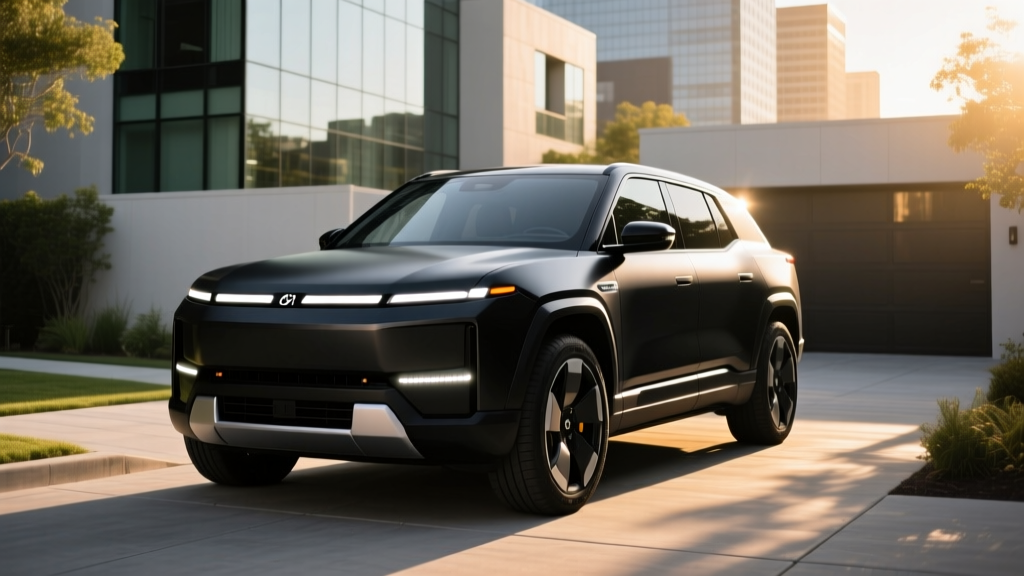
After years of teasers and a highly publicized debut, the Rivian R2 has finally arrived for the 2026 model year, slotting into the most competitive segment in the EV market: the midsize electric crossover. Priced to undercut the R1S and R1T significantly, the R2 is Rivian's bid for volume — and for buyers who have been waiting on the sidelines for a more accessible, adventure-capable electric SUV. But with the federal EV tax credit landscape shifting under the Inflation Reduction Act's evolving battery-sourcing rules, the question on every shopper's mind is straightforward: does the Rivian R2 qualify for the federal tax credit, and what does ownership actually look like?
We've broken down the preliminary specs, pricing tiers, charging performance, and the nuanced §30D tax credit mechanics you need to evaluate before putting down a reservation — or crossing it off your list.
2026 Rivian R2: Preliminary Specifications at a Glance
Because the R2 is in its first model year, the following figures reflect Rivian's published preliminary specifications and early EPA submissions. Final certification numbers may shift slightly as production ramps at Rivian's Normal, Illinois facility and the new Georgia plant.
| Spec | R2 Standard (Dual-Motor AWD) | R2 Extended Range (Dual-Motor AWD) |
|---|---|---|
| Base MSRP | $53,900 | $59,900 |
| EPA-Est. Range | ~300 miles | ~340 miles |
| Battery Capacity (usable) | ~85 kWh (est. LFP) | ~106 kWh (est. NMC) |
| Drivetrain | Dual-Motor AWD | Dual-Motor AWD |
| Horsepower | ~450 hp (est.) | ~450 hp (est.) |
| 0–60 mph | ~4.5 sec (est.) | ~4.5 sec (est.) |
| Max DC Fast Charge | ~200 kW (est.) | ~220 kW (est.) |
| 10–80% DC Charge Time | ~25 min (est.) | ~27 min (est.) |
| Level 2 Home Charging | 11.5 kW (~37 mi/hr) | 11.5 kW (~37 mi/hr) |
| Battery/Powertrain Warranty | 8 yr / 100,000 mi | 8 yr / 100,000 mi |
Range, Efficiency, and the Real-World Reality Check
Efficiency figures are projected in the neighborhood of ~115 MPGe combined (roughly 29–31 kWh/100 mi) for the Extended Range variant, placing it in line with the Tesla Model Y Long Range but slightly behind the Hyundai Ioniq 5's class-leading efficiency. The R2's boxy, adventure-oriented design creates more aerodynamic drag at highway speed than sleeker crossovers, which is the primary reason real-world highway range falls noticeably below the EPA sticker. City and mixed driving, where regenerative braking recaptures energy, will track much closer to the EPA number.
Rivian has not published final chemistry details for every trim, but industry reporting and supply-chain indicators point to an LFP (lithium iron phosphate) pack for the Standard trim and an NMC (nickel manganese cobalt) pack for the Extended Range. The practical trade-off: LFP offers superior cycle life and can be charged to 100% daily without degradation concerns, but it is heavier and loses more range in cold weather. NMC provides higher energy density (more range per pound) but benefits from charging to 80–90% for daily use to preserve long-term health.
Charging Performance: DC Fast Charging and Home Setup
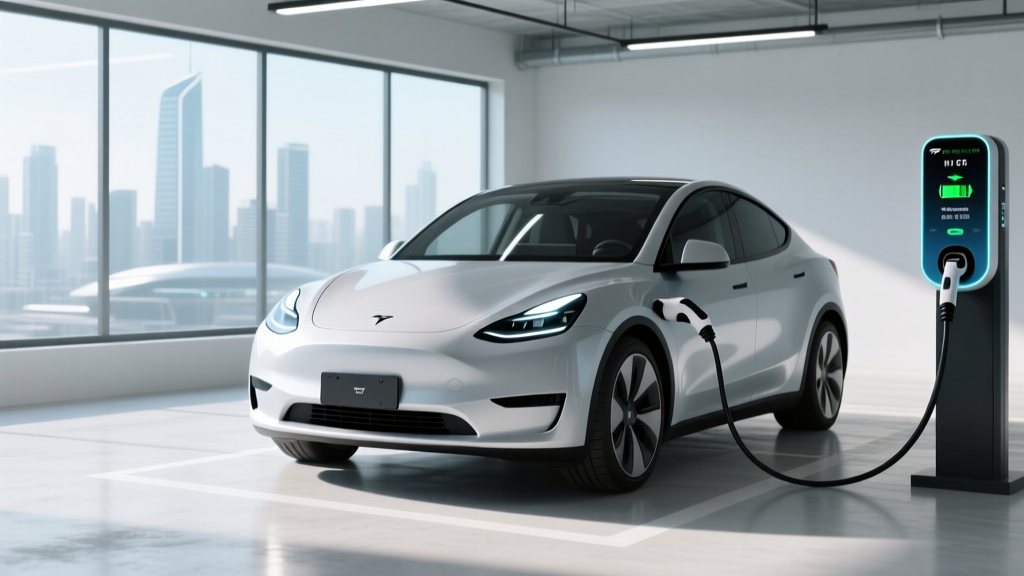
Charging speed is where midsize crossover buyers either gain confidence or develop anxiety. The R2 is expected to support NACS (Tesla's North American Charging Standard) natively, giving it direct access to the Supercharger network — a significant advantage over CCS-only competitors in areas where Electrify America or EVgo coverage is sparse.
| Charging Level | Power | Speed |
|---|---|---|
| Level 1 (120V household) | ~1.4 kW | ~4–5 mi/hr |
| Level 2 (240V home wall connector) | 11.5 kW | ~37 mi/hr |
| DC Fast Charge (peak) | 200–220 kW | 10–80% in ~25–27 min |
A few real-world notes on charging the R2:
- Peak kW is not sustained kW. The R2 will hit its peak charge rate between roughly 10–30% State of Charge, then taper progressively. The 10–80% time of ~25–27 minutes reflects an average rate, not a sustained peak. Expect the final 80–100% top-off to add another 25–35 minutes — plan accordingly on road trips.
- Preconditioning matters. Rivian's navigation system should precondition the battery when a DC fast charger is set as your destination. Skipping this step in cold weather can cut charge speeds in half.
- Home charging on a 48-amp Level 2 circuit (requiring a 60-amp breaker) will fully replenish the Extended Range pack overnight in roughly 9–10 hours. Most owners will rarely need a full 0–100% charge at home.
- Panel upgrade potential: If your home has a 100-amp electrical panel, adding a 48-amp EV circuit may require a panel upgrade to 200 amps, which can add $1,500–$3,500 to your installation cost. Factor this into your purchase budget.
Performance, Drivetrain, and Capability
Rivian's dual-motor AWD architecture carries over from the R1 platform in spirit, though the R2 uses a next-generation, more cost-optimized drivetrain. Estimated output is ~450 horsepower with a 0–60 mph time around 4.5 seconds — quick enough to merge confidently and pass on two-lane highways, if not quite as ballistic as a tri-motor R1T.
The R2 is designed to retain Rivian's adventure DNA: expect approach and departure angles suitable for light off-roading, available all-terrain tires, and a towing capacity estimated at ~4,500–5,000 lbs when properly equipped. That's competitive with the Ford Mustang Mach-E (which isn't really a tow vehicle) and closer to the Hyundai Ioniq 5's modest towing capability, but well short of body-on-frame SUVs.
Rivian's driver-assistance suite, branded Rivian Driver+, is expected to include adaptive cruise control, lane centering, and automated lane changes on divided highways. Per SAE automation definitions, this is a Level 2 system — the driver must remain attentive, keep hands on or near the wheel, and be prepared to take over at any moment. It is not autonomous driving.
Pricing, Trims, and Federal Tax Credit Eligibility
The R2's starting price is the headline: $53,900 for the Standard AWD and $59,900 for the Extended Range AWD, before destination and options. A performance-oriented tri-motor variant is expected later, likely pushing past $68,000.
Now, the critical question: does the 2026 Rivian R2 qualify for the $7,500 federal EV tax credit under IRS §30D?
- MSRP Cap: SUVs and pickups must have an MSRP at or below $80,000. All announced R2 trims fall under this cap. ✓
- Buyer Income Cap: Modified adjusted gross income must not exceed $150,000 (single), $225,000 (head of household), or $300,000 (joint filers). ✓ (if you qualify)
- Battery Sourcing Requirements: The credit is split into two halves — $3,750 for critical minerals and $3,750 for battery component assembly. Both have escalating domestic-content thresholds under the IRA, and vehicles with battery components from a "foreign entity of concern" (FEOC) are disqualified entirely. Rivian has been working to localize its supply chain, but final per-trim eligibility depends on the specific battery pack sourcing for each model year. Check the fueleconomy.gov tax credit lookup for the R2's confirmed status before purchasing.
- Point-of-Sale Transfer: As of 2024, buyers can elect to transfer the credit to the dealer at purchase, receiving the $7,500 as an upfront price reduction rather than a tax-time credit. This is available for the R2 if it qualifies.
| Trim | Base MSRP | Est. After $7,500 Credit | Est. After $3,750 Partial Credit |
|---|---|---|---|
| R2 Standard AWD | $53,900 | $46,400 | $50,150 |
| R2 Extended Range AWD | $59,900 | $52,400 | $56,150 |
The gap between full credit, partial credit, and no credit is substantial — up to $7,500 — and is entirely dependent on battery-sourcing compliance at the time of your delivery. Buyers should confirm eligibility on fueleconomy.gov for the specific model year and trim at the point of purchase, as sourcing can change mid-year.
Interior, Cargo, and Daily Livability
The R2 is smaller than the three-row R1S but larger than most compact crossovers. Rivian has targeted a two-row, five-passenger layout with the following estimated dimensions:
- Cargo volume (behind 2nd row): ~32–35 cu ft
- Cargo volume (2nd row folded): ~70–75 cu ft
- Front trunk (frunk): ~10–12 cu ft — a signature Rivian feature, useful for charging cables, groceries, or gear you want separated from the cabin
- Rear legroom: ~38–40 inches, adequate for adults on longer trips
The interior design follows Rivian's minimalist-but-functional philosophy: a large central touchscreen (expected 15+ inches), a digital driver display, physical knobs for climate control (a welcome concession to touchscreen fatigue), and sustainable material options. The R2 will run Rivian's latest software stack with over-the-air updates, integrated trip planning with charging stops, and the Rivian app ecosystem.
Notable tech includes the Rivian Gear Guard security system, built-in air compressor (available), and camp kitchen compatibility for the adventure crowd. On the infotainment side, expect wireless Apple CarPlay and Android Auto, though Rivian's native navigation and media apps are robust enough that many owners rarely use phone projection.
Pros, Cons, and the Honest Trade-Offs
Pros
- Sub-$54K starting price makes it Rivian's most accessible vehicle
- Native NACS connector = direct Supercharger access
- Frunk + generous cargo space for the segment
- Adventure-oriented features (Gear Guard, air compressor, camp kitchen)
- LFP option on Standard trim allows daily 100% charging
- Falls under $80K MSRP cap for federal tax credit
Cons
- First model year — production ramp and build-quality risk
- Boxy shape hurts highway efficiency vs. sleeker rivals
- Tax credit eligibility uncertain until battery sourcing is finalized per trim
- No tri-motor/performance variant at launch
- Real-world cold-weather range loss steeper on LFP pack
- Rivian's service center network is still expanding — coverage gaps in some regions
How the R2 Stacks Up Against Key Competitors
The R2 doesn't exist in a vacuum. It lands squarely against the Tesla Model Y, Hyundai Ioniq 5, Ford Mustang Mach-E, and potentially the upcoming next-gen Chevrolet Equinox EV. Here's how the decision breaks down:
- Choose the Rivian R2 if: You want adventure features (frunk, Gear Guard, light off-road capability), prefer native Supercharger access without an adapter, value the LFP option for daily charging flexibility, and want to support a newer American EV brand with a strong community following.
- Choose the Tesla Model Y if: You prioritize the most mature Supercharger network experience, want proven long-term reliability data, value the lowest operating costs in the segment, or need the widest service-center coverage today.
- Choose the Hyundai Ioniq 5 if: You want the fastest DC charging in the class (up to 350 kW on 800V architecture), the best efficiency numbers, or the most competitive pricing after incentives — and don't mind using a NACS adapter for Supercharger access.
- Choose the Ford Mustang Mach-E if: You want a sportier driving dynamic, an established dealer service network, or a lower entry price on the Select trim.
Who the Rivian R2 Is Actually For
The R2's ideal buyer is someone who wants a practical daily-driver EV that can also handle weekend camping trips, ski runs, and light trail driving — without stepping up to the R1S's $75K+ price tag. It's a strong fit for:
- Active families who need cargo space, AWD confidence, and enough range for 250-mile day trips without charging
- Commuters with home charging who will rarely use the full battery but want the Extended Range buffer for road trips
- Current R1 owners looking for a smaller, more affordable second EV for the household
It is less suited for buyers who prioritize maximum efficiency over capability, those in regions with no Rivian service presence, or anyone who needs a proven long-term reliability track record before committing.
Frequently Asked Questions
Does the 2026 Rivian R2 qualify for the full $7,500 federal EV tax credit?
It qualifies on MSRP and vehicle class (under the $80,000 SUV cap), and buyer income limits apply. However, the full credit depends on battery-sourcing compliance with IRA critical-mineral and component-assembly requirements. Final per-trim eligibility should be confirmed on fueleconomy.gov at the time of purchase. Rivian's supply chain localization efforts suggest strong odds of at least partial credit, but this is not guaranteed.
What is the real-world range of the Rivian R2?
Expect roughly 280–305 highway miles for the Extended Range in mild weather, dropping to 220–260 miles in cold conditions. The Standard pack should deliver 250–275 highway miles in temperate weather. City and mixed driving will be closer to the EPA sticker.
How fast does the R2 charge at home and on the road?
On a 48-amp Level 2 home charger, the R2 adds approximately 37 miles of range per hour, fully replenishing overnight. On DC fast chargers, peak rates of 200–220 kW should deliver a 10–80% charge in approximately 25–27 minutes, with taper above 80%.
Is the Rivian R2 worth buying over the Tesla Model Y?
It depends on your priorities. The R2 offers more adventure-oriented features, a frunk, native NACS access, and a distinctive design. The Model Y offers a more proven track record, broader service coverage, and typically stronger efficiency. If tax credit eligibility is confirmed, the R2's effective price becomes very competitive.
When can I actually take delivery of a Rivian R2?
Rivian has targeted production beginning in the first half of 2026, with initial deliveries to reservation holders. As an announced vehicle entering production, exact delivery timelines depend on trim, configuration, and factory ramp speed. Check Rivian's official site for current reservation and delivery updates.
What is the battery warranty on the Rivian R2?
Rivian is expected to carry over its standard battery and powertrain warranty of 8 years / 100,000 miles, consistent with the R1 series and the industry standard set by federal emissions warranty requirements. This covers defects and capacity loss below a specified retention threshold (typically 70%).