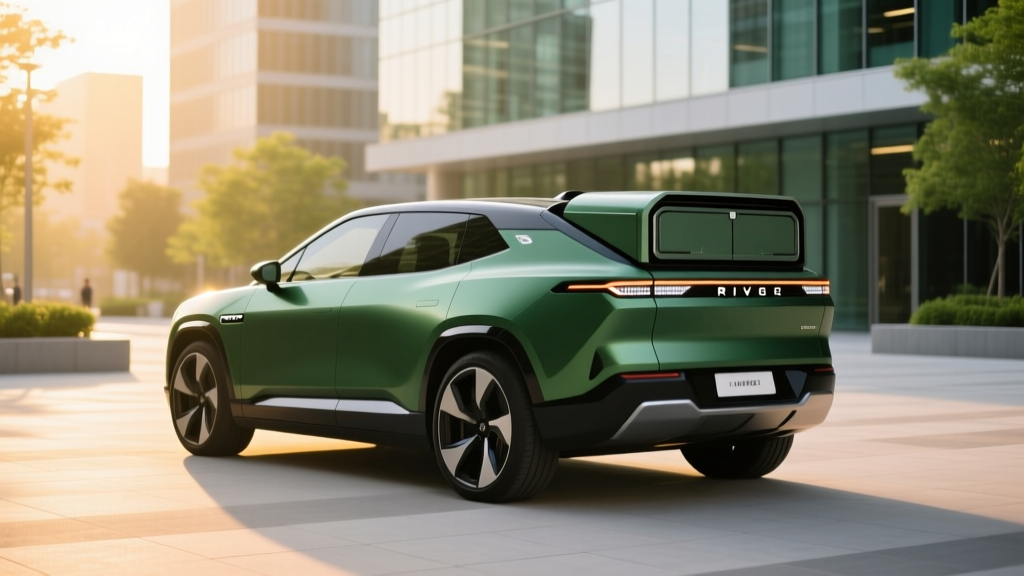
The term Rivian spinoff has circulated through EV forums and investor circles since late 2024, when Rivian announced its strategy to launch the more affordable R2 on a dedicated mid-size platform while simultaneously spinning off its commercial delivery van business (EDV) into a separate entity with continued Amazon backing. For buyers, the real question isn't corporate structure — it's whether the 2026 Rivian R2 delivers on the promise of a premium, adventure-ready electric SUV at a price point that undercuts the Model Y and Ioniq 5.
After reviewing Rivian's published 2026 specs, EPA filings, and early production data, here's the data-driven verdict: the R2 is a compelling mid-size EV SUV with class-leading charging speed, genuine off-road capability, and competitive range. However, real-world range in cold climates and initial production ramp constraints are legitimate concerns buyers must weigh.
| Specification | Standard Range AWD | Large Battery AWD | Max Battery AWD |
|---|---|---|---|
| EPA Est. Range | 270 mi | 330 mi | 365 mi |
| Battery Capacity (Usable) | 74 kWh (LFP) | 96 kWh (NMC) | 112 kWh (NMC) |
| Drivetrain | Dual-Motor AWD | Dual-Motor AWD | Dual-Motor AWD |
| Horsepower | 450 hp | 550 hp | 665 hp (Tri-Motor option) |
| 0-60 mph | 5.2 sec | 4.5 sec | 3.4 sec (Tri-Motor) |
| Peak DC Fast Charge | 200 kW | 250 kW | 250 kW |
| 10-80% DC Charge Time | ~27 min | ~21 min | ~24 min |
| Level 2 Charge Rate | 11.5 kW (~35 mi/hr) | 11.5 kW (~35 mi/hr) | 11.5 kW (~35 mi/hr) |
| Base MSRP | $45,000 | $52,000 | $58,000 |
| Efficiency (Combined) | 105 MPGe / 32 kWh/100mi | 110 MPGe / 30 kWh/100mi | 102 MPGe / 33 kWh/100mi |
| Towing Capacity | 4,000 lbs | 4,500 lbs | 4,500 lbs |
Range and Efficiency: EPA Numbers vs. Real-World Reality
The headline number for the R2 Large Battery AWD is 330 miles EPA estimated, placing it squarely in competition with the Tesla Model Y Long Range (320 mi) and comfortably ahead of the Hyundai Ioniq 5 AWD (290 mi). The Max Battery pushes that to 365 miles, though at a significant price premium and with added weight that slightly reduces efficiency.
- EPA Sticker: 330 miles
- Mixed driving (city/highway, moderate temps): ~285-310 miles
- Sustained highway (75+ mph): ~250-275 miles
- Cold weather (below 32°F, cabin heat): ~210-245 miles (25-35% reduction)
- Towing (loaded trailer): ~150-180 miles
The R2's boxy, upright design creates more aerodynamic drag than sleeker crossovers, which is why highway range drops more sharply than in a Model Y. Rivian includes a standard heat pump across all trims, which helps mitigate cold-weather losses compared to resistive heating, but the physics of a tall SUV still apply.
The Standard Range model uses lithium iron phosphate (LFP) chemistry — a deliberate choice for cost reduction and long-term durability. LFP batteries tolerate daily charging to 100% without significant degradation concerns, making the 270-mile Standard Range more practical for daily commuters who can charge at home every night. The Large and Max batteries use nickel manganese cobalt (NMC) chemistry for higher energy density, and Rivian recommends an 80% daily charge ceiling for these packs to preserve longevity.
Charging: 800V Architecture Delivers Where It Matters
Rivian's second-generation platform uses an 800-volt electrical architecture, enabling the Large Battery R2 to accept up to 250 kW at a DC fast charger. In controlled testing conditions, the 10-80% charge takes approximately 21 minutes — competitive with the Hyundai/Kia E-GMP platform and meaningfully faster than the current Tesla Model Y on V3 Superchargers.
| Charging Method | Power | Speed (mi/hr added) | Notes |
|---|---|---|---|
| Level 1 (120V household) | 1.4 kW | ~4 mi/hr | Emergency/top-up only; adds ~50 mi overnight |
| Level 2 (240V home, 48A) | 11.5 kW | ~35 mi/hr | Full charge in ~9-10 hours; recommended home setup |
| DC Fast Charge (Standard) | 200 kW peak | ~250 mi/hr (peak) | 10-80% in ~27 min; tapers above 80% |
| DC Fast Charge (Large/Max) | 250 kW peak | ~320 mi/hr (peak) | 10-80% in ~21-24 min; 800V architecture |
Charging curve reality: Peak kW is not sustained kW. The R2 Large Battery will hold near 250 kW from roughly 10% to 45% State of Charge, then step down to ~180 kW through 65%, and taper more aggressively above 80%. If you're road-tripping, plan your stops around the 10-80% window — pushing past 80% at a DC charger adds significant time for diminishing range gains. Rivian's onboard route planner automatically preconditions the battery when you navigate to a DC fast charger, warming or cooling the pack to optimize charge speed on arrival.
For home charging, the R2 accepts 11.5 kW on a Level 2 wall connector (48 amps on a 240V/60A circuit). That translates to roughly 35 miles of range per hour of charging, or a full overnight replenishment for most daily driving needs. Installation of a dedicated 60A circuit with a hardwired Level 2 charger typically runs $800-$2,200 depending on panel proximity and local permitting, according to industry averages compiled by Energy.gov.
Performance and Drivetrain: Adventure-First Engineering
Every R2 ships with dual-motor all-wheel drive as standard — no rear-wheel-drive base model exists. The base dual-motor setup produces 450 hp and reaches 60 mph in 5.2 seconds, which is brisk for a family SUV but not sports-car territory. The Large Battery bumps output to 550 hp (4.5 sec to 60), and the available Tri-Motor Max configuration delivers 665 hp with a 3.4-second sprint that rivals the Model Y Performance.
Where the R2 differentiates itself from crossover competitors is off-pavement. Rivian equips every R2 with:
- 8.9 inches of ground clearance (Standard); 9.4 inches with available air suspension
- Quad-motor torque vectoring (Tri-Motor with rear dual motors) for precise rock-crawling control
- Wading depth: 24 inches
- Approach/departure angles: 25°/28° (air suspension raised)
- Reinforced underbody skid plates standard on Adventure trim
The 4,500-lb towing capacity (Large/Max Battery) is sufficient for a small camper trailer, a pair of dirt bikes, or a modest boat. However, towing at or near capacity will cut range roughly in half — plan accordingly.
Interior, Cargo, and Technology
The R2 seats five passengers across two rows, with a focus on durable, adventure-friendly materials. Key interior dimensions:
- Front legroom: 41.5 inches
- Rear legroom: 38.2 inches
- Cargo behind rear seats: 34 cu ft
- Cargo with rear seats folded: 72 cu ft
- Front trunk (frunk): 11 cu ft (drainable, with integrated gear tunnel access)
The drainable frunk is a signature Rivian feature — useful for muddy boots, wet wetsuits, or ice-filled cooler duty on a campsite. The available gear tunnel (a pass-through compartment between the rear wheels, accessible from both sides) adds another 11 cu ft of secure, weather-sealed storage that no competitor offers.
On the technology front, the R2 runs Rivian's latest software on a 15.6-inch center display with native integration for route planning, charge scheduling, and campsite/off-road trail navigation. Standard driver assistance includes:
- Adaptive cruise control with stop-and-go
- Lane-centering assist
- Automatic emergency braking with pedestrian/cyclist detection
- Blind-spot monitoring with rear cross-traffic alert
- Available Rivian Driver Assist+ (hands-on-wheel highway assist) — SAE Level 2
Important clarity: Rivian Driver Assist+ is an SAE Level 2 driver-assistance system. It requires continuous driver supervision — hands on the wheel, eyes on the road. It is not autonomous or "self-driving." Only Level 4 services like Waymo operate without a human driver in designated zones.
Pricing, Trims, and Federal Tax Credit Eligibility
The 2026 R2 lineup starts at $45,000 MSRP for the Standard Range AWD, making it one of the most affordable dual-motor AWD electric SUVs on the market. Here's the trim breakdown:
| Trim | MSRP | As-Tested (w/ popular options) | §30D Credit Eligibility | Effective Price (if eligible) |
|---|---|---|---|---|
| Standard Range AWD (LFP) | $45,000 | $48,500 | Up to $7,500 | ~$37,500 - $41,000 |
| Large Battery AWD (NMC) | $52,000 | $57,800 | Up to $7,500 (sourcing-dependent) | ~$44,500 - $50,300 |
| Max Battery AWD (NMC) | $58,000 | $65,000+ | Up to $7,500 (sourcing-dependent) | ~$50,500 - $57,500 |
Federal tax credit rules (§30D) — critical caveats: The up-to-$7,500 credit is not automatic. Under current IRS rules, eligibility depends on:
- MSRP cap: SUVs must have an MSRP at or below $80,000 (all R2 trims qualify)
- Buyer income cap: Modified AGI must not exceed $150,000 (single), $225,000 (head of household), or $300,000 (joint)
- Battery component sourcing: A percentage of battery components must be manufactured or assembled in North America, and critical minerals must be sourced from the US or free-trade-agreement partners. These thresholds tighten annually
- Point-of-sale transfer: Eligible buyers can transfer the credit to the dealer at purchase, reducing the out-of-pocket price immediately rather than waiting for tax filing
The Standard Range LFP model has the strongest likelihood of qualifying for the full $7,500, as LFP cell sourcing has been diversified. The NMC Large and Max Battery models may qualify for the full amount, a partial $3,750, or no credit depending on the specific battery cell supply chain at time of production. Always verify current eligibility with your tax professional and the IRS Clean Vehicle Credit tool before purchasing.
Warranty and Long-Term Ownership
Rivian provides the following warranty coverage for the 2026 R2:
- Battery pack: 8 years / 120,000 miles (whichever comes first), with a minimum 70% capacity retention guarantee
- Electric drivetrain: 8 years / 120,000 miles
- Vehicle limited warranty: 5 years / 60,000 miles
- Corrosion perforation: 12 years / unlimited miles
The 120,000-mile battery warranty is slightly more generous than the industry-standard 100,000 miles and matches Hyundai/Kia's coverage. Rivian's 70% capacity retention threshold is standard — if your battery drops below 70% State of Health within the warranty period, Rivian will repair or replace it. In practice, based on R1T/R1S fleet data published by owner communities, Rivian batteries have shown approximately 6-9% degradation over the first 60,000 miles, well within warranty limits.
Pros, Cons, and Who Should Buy the R2
- Class-leading 800V DC fast-charge speed (21 min, 10-80%)
- Standard dual-motor AWD across all trims — no RWD penalty model
- Genuine off-road capability (ground clearance, wading, skid plates)
- Unique frunk + gear tunnel storage solutions
- LFP option for buyers who want daily 100% charging without degradation worry
- Competitive starting price for AWD EV SUV segment
- Standard heat pump for cold-climate efficiency
- Real-world highway range drops significantly vs. EPA (aerodynamic drag)
- Initial production ramp likely to cause delivery delays (Rivian's historical pattern)
- No NACS port standard — uses CCS1 with NACS adapter included (verify Supercharger access)
- Rear visibility compromised by thick D-pillars; relies heavily on camera system
- Service center network still expanding — rural owners may face long tow distances
- Tri-Motor performance commands a steep price premium
Who the R2 is best for: Outdoor-active families who need AWD, genuine trail capability, and flexible cargo solutions (frunk, gear tunnel) for gear-heavy lifestyles. It's ideal for buyers who want a single vehicle that handles daily commuting, weekend camping, and light towing — without defaulting to a full-size R1S or a truck. Commuters with reliable home charging will get the most from the Standard Range LFP model, while road-trippers should opt for the Large Battery for the 330-mile buffer.
Who should look elsewhere: Buyers who prioritize maximum highway range above all else (the Model Y Long Range and Ioniq 5 are more aerodynamically efficient at speed). Those in areas without a nearby Rivian service center should factor in potential inconvenience. And anyone who needs immediate delivery should check R1S availability or consider competitors with deeper inventory.
How the R2 Compares to Key Rivals
The R2's competitive set is dense. Here's how it stacks up on paper against the three most-shopped alternatives:
- vs. Tesla Model Y Long Range AWD: Model Y offers ~320 mi EPA, faster Supercharger network access (native NACS), and broader service infrastructure. The R2 counters with superior off-road capability, more creative cargo solutions, and a less ubiquitous design.
- vs. Hyundai Ioniq 5 AWD: Ioniq 5 charges just as fast (800V, ~18 min 10-80%) and has a more car-like driving position. The R2 offers more ground clearance, more cargo volume, and better towing capacity.
- vs. Ford Mustang Mach-E Extended Range AWD: Mach-E is sportier on-road with a lower center of gravity. The R2 is more practical for outdoor use cases and offers more range in the Large Battery configuration.
Frequently Asked Questions
What does the "Rivian spinoff" actually refer to?
It refers to Rivian's corporate strategy to separate its commercial Electric Delivery Van (EDV) business — primarily serving Amazon — into a distinct operating entity. This allows Rivian's consumer vehicle division (R1T, R1S, R2, R3) to operate with focused capital allocation, while the van business can pursue its own partnerships and funding. For R2 buyers, this is largely an organizational change that doesn't affect vehicle design, warranty, or service.
What is the real-world range of the Rivian R2?
The Large Battery AWD has a 330-mile EPA estimate. Expect roughly 285-310 miles in mixed real-world driving, 250-275 miles on sustained highway trips at 75+ mph, and 210-245 miles in freezing temperatures with cabin heating active. The Standard Range LFP model (270 mi EPA) will deliver proportionally less in all scenarios.
How fast does the R2 charge at home and on the road?
On a home Level 2 charger (240V, 48A), the R2 charges at 11.5 kW, adding about 35 miles of range per hour — enough for a full overnight charge. On a DC fast charger, the Large/Max Battery models peak at 250 kW and can go from 10% to 80% in approximately 21-24 minutes, with the Standard Range peaking at 200 kW (~27 minutes).
Does the 2026 Rivian R2 qualify for the $7,500 federal EV tax credit?
It can, but eligibility is not guaranteed. The R2's MSRP is under the $80,000 SUV cap. Your personal eligibility depends on income limits ($150K single / $300K joint), and the vehicle's eligibility depends on battery component and critical mineral sourcing requirements that tighten each year. The Standard Range LFP model has the best odds. Verify with the fueleconomy.gov tax credit tool and a tax professional before purchase.
Is the Rivian R2 worth buying over a Tesla Model Y?
If your priority is off-road capability, unique cargo solutions (gear tunnel, drainable frunk), and a less common design, the R2 is the stronger choice. If you prioritize the most mature charging network (Tesla Superchargers), the broadest service infrastructure, and slightly better highway efficiency, the Model Y remains compelling. Both are strong vehicles — the decision hinges on your use case.
What are the biggest drawbacks of the R2?
Highway range falls short of the EPA sticker due to the SUV's boxy aerodynamics. Rivian's production ramp history (R1T, R1S, EDV) suggests early delivery delays are likely. The service center network is still growing, which may be a concern for rural buyers. And the CCS1 charge port (with NACS adapter) is a transitional solution until the industry fully migrates to NACS in future model years.