Quick Verdict: The Electric Truck That Actually Delivers
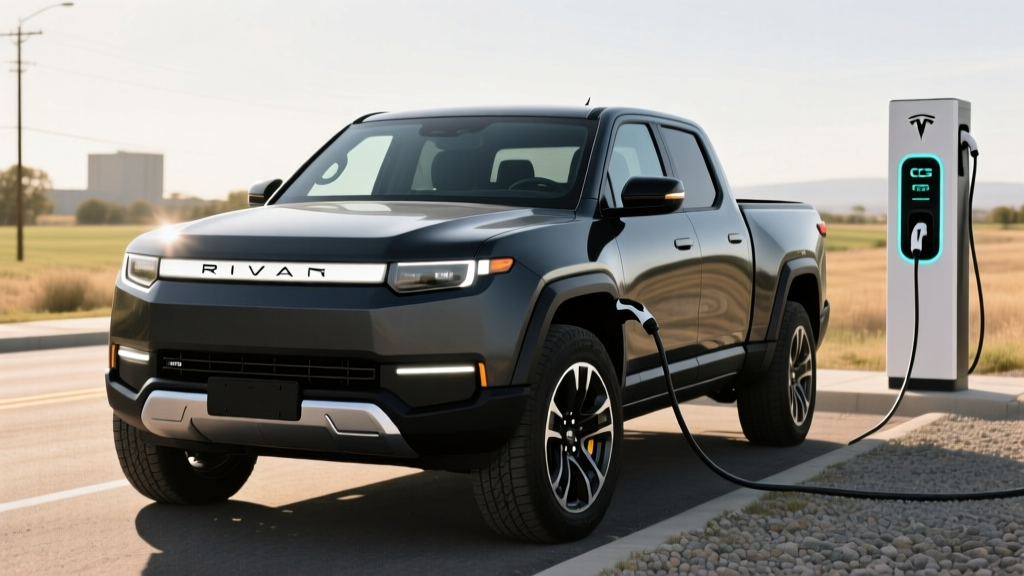
The Rivian R1T remains one of the most capable and versatile electric vehicles on the road — a full-size pickup that accelerates like a sports sedan, tows like a work truck, and adventures like a purpose-built overlander. For 2026, Rivian's second-generation platform brings a redesigned electrical architecture, refined dual- and tri-motor powertrains, and a new Max Pack battery option pushing EPA range past 400 miles. But with a starting MSRP near $70,000 and no federal tax credit eligibility on most trims, the R1T demands careful spec-sheet scrutiny before you configure one.
This review breaks down every critical Rivian R1T spec — from real-world range and charging curves to battery chemistry and ownership costs — so you can decide whether this truck earns a spot in your garage.
Range, Battery, and Efficiency
| Spec | Standard Pack | Large Pack | Max Pack |
|---|---|---|---|
| Battery Capacity (usable) | 95 kWh | 128 kWh | 141 kWh |
| Chemistry | NMC (Nickel Manganese Cobalt) | NMC | NMC (2170 cylindrical cells) |
| EPA Est. Range (Dual-Motor) | 270 mi | 352 mi | 420 mi |
| EPA Est. Range (Tri-Motor) | — | 328 mi | 390 mi |
| Efficiency (Dual-Motor) | 73 MPGe / 46 kWh/100mi | 73 MPGe / 46 kWh/100mi | 70 MPGe / 48 kWh/100mi |
The EPA's 420-mile Max Pack figure assumes a mix of city and moderate-speed highway driving at moderate temperatures. In our experience and consistent with third-party testing, expect roughly 340–370 miles on a highway road trip at 70–75 mph in fair weather. In cold conditions (below 32°F), range drops 15–25% due to battery resistance and cabin heating demands — plan for 280–320 miles from a Max Pack in winter. Standard Pack owners doing highway-heavy commutes should budget around 220–240 miles of usable range before needing to charge.
Rivian uses NMC (nickel manganese cobalt) lithium-ion cells across all R1T battery packs. NMC offers higher energy density than LFP (lithium iron phosphate), which is why the R1T can pack up to 141 kWh into its skateboard platform. The trade-off: NMC cells prefer not to sit at 100% state of charge for extended periods. For daily driving, Rivian recommends setting a charge limit of 80–90%, which preserves long-term battery health. Reserve the full 100% charge for road trips.
For official EPA figures, see the U.S. Department of Energy's fueleconomy.gov database.
Charging Speed: DC Fast, Level 2, and Level 1
Charging speed is where the R1T's second-generation architecture shows real improvement. Rivian upgraded the thermal management system and charge curve to sustain higher power longer, reducing the time you spend at public chargers.
| Charging Level | Power / Rate | Time / Range Added |
|---|---|---|
| DC Fast Charge (Max Pack) | Peak 220 kW (sustained ~180 kW to 50%) | 10–80% in ~30 min; ~140 mi in 15 min |
| DC Fast Charge (Large Pack) | Peak 220 kW | 10–80% in ~28 min |
| DC Fast Charge (Standard Pack) | Peak 190 kW | 10–80% in ~25 min |
| Level 2 (Home / Destination) | 11.5 kW (48A) | ~25 mi/hr; full charge in 10–14 hr depending on pack |
| Level 1 (120V Household) | ~1.4 kW | ~3 mi/hr (emergency/trickle only) |
Charging curve reality: Like all EVs, the R1T does not sustain its peak 220 kW rate for the entire session. The truck holds close to peak power between roughly 10% and 40% state of charge, then progressively tapers. Above 80%, charging slows dramatically to protect cell longevity — expect the 80–100% top-off to take nearly as long as the 10–80% session. This is why we (and Rivian) recommend DC fast charging to 80% on road trips and letting Level 2 handle the final 20% at home overnight.
The R1T uses the NACS (North American Charging Standard) connector as of the 2025 model year, giving it native access to Tesla's Supercharger network — over 25,000 stalls in North America — without an adapter. This is a significant practical advantage over CCS-only trucks that still rely on third-party networks with more variable uptime.
Performance: Dual-Motor and Tri-Motor Powertrains
| Spec | Dual-Motor AWD | Performance Dual-Motor | Tri-Motor AWD |
|---|---|---|---|
| Horsepower | 533 hp | 665 hp | 850 hp |
| Torque | 610 lb-ft | 829 lb-ft | 1,103 lb-ft |
| 0–60 mph | 4.5 sec | 3.4 sec | 2.9 sec |
| Top Speed | 125 mph | 130 mph | 130 mph |
| Drivetrain | AWD (2 motors) | AWD (2 motors) | AWD (3 motors) |
| Max Towing Capacity | 11,000 lb | 11,000 lb | 11,000 lb |
| Payload Capacity | 1,764 lb | 1,764 lb | 1,760 lb |
The Dual-Motor is the volume powertrain and the one most buyers should consider. At 533 hp and a 4.5-second 0–60 time, it's already quicker than nearly any gas pickup on the market. The Performance Dual-Motor drops 0–60 to 3.4 seconds — territory normally reserved from sports cars — while the Tri-Motor's 2.9-second run is genuinely absurd for a 7,000-pound truck.
Towing reality check: The 11,000-pound max tow rating is legitimate, but towing at or near capacity cuts range roughly in half. If you're pulling a 7,000-pound camper, plan on 170–200 miles of range from a Max Pack and frequent charging stops. Rivian's built-in trailer assist and integrated brake controller make the physical act of towing easier than in most competitors, but the physics of hauling heavy loads through electric motors doesn't change.
Cargo, Passenger Space, and Utility
The R1T is a crew-cab, four-door pickup with a 4-foot-6-inch bed — shorter than a traditional full-size truck bed, but Rivian compensates with creative storage solutions that no gas pickup offers.
- Bed length: 54 inches (4.5 ft) with tailgate up; extends to ~82 inches with tailgate down
- Gear Tunnel: 11.7 cu ft of lockable, pass-through storage behind the rear seats — accessible from both sides of the truck. Ideal for camping gear, tools, or groceries you want hidden.
- Front Trunk (Frunk): 11.1 cu ft — large enough for two carry-on bags or a full load of groceries, with a drain plug for use as a cooler.
- Bed cargo volume: ~29.4 cu ft (to top of bed rails)
- Total enclosed cargo: ~52 cu ft (bed + tunnel + frunk combined)
- Rear-seat legroom: 36.4 inches — adequate for adults on longer trips, though not class-leading vs. the F-150 Lightning's back seat
- Front-seat headroom: 40.9 inches
The gear tunnel is the R1T's signature feature. No competitor offers anything equivalent. It transforms the truck into a more practical adventure vehicle than a conventional pickup, particularly for overlanding, skiing, or camping where secure, weatherproof storage matters.
Pricing, Trims, and Federal Tax Credit Eligibility
| Trim / Configuration | Base MSRP | §30D Federal Credit | Effective Price |
|---|---|---|---|
| Dual-Motor Standard Pack (Adventure) | $69,900 | Not eligible (MSRP cap exceeded*) | $69,900 |
| Dual-Motor Large Pack (Adventure) | $75,900 | Not eligible | $75,900 |
| Dual-Motor Max Pack (Adventure) | $83,900 | Not eligible | $83,900 |
| Tri-Motor Large Pack (Ascend) | $99,000 | Not eligible | $99,000 |
| Tri-Motor Max Pack (Ascend) | $105,900 | Not eligible | $105,900 |
*Federal tax credit explained: Under IRS §30D, new electric pickups must have an MSRP at or below $80,000 to qualify for the up-to-$7,500 federal tax credit. While some R1T Standard and Large Pack trims fall under that cap, the credit also requires that critical minerals and battery components meet specific U.S./free-trade-agreement sourcing thresholds. As of the current tax year, the R1T's battery supply chain does not satisfy these requirements, meaning no R1T trim currently qualifies for the §30D credit. Additionally, the buyer must have a modified adjusted gross income below $300,000 (joint filers) or $150,000 (single). Always verify current eligibility on IRS.gov's clean vehicle credits page and consult a tax professional before relying on credit assumptions in your purchase decision.
Destination charges, paint upgrades ($1,000–$2,500), the Camp Kitchen ($5,000+), and other accessories can push as-tested prices well above base MSRP. A well-equipped Dual-Motor Large Pack Adventure typically lands between $80,000 and $88,000 out the door.
Tech, Driver Assistance, and Safety
The R1T's technology suite is competitive with the best in the EV space, though it has some quirks that distinguish it from Tesla or GM's offerings.
Infotainment: A 15.6-inch central touchscreen runs Rivian's proprietary OS — responsive, visually clean, and integrated with vehicle controls (suspension height, drive modes, camp mode). Wireless Apple CarPlay and Android Auto are standard. The system receives regular over-the-air updates that have meaningfully improved functionality since launch.
Driver assistance (SAE Level 2): Rivian's Driver+ system includes adaptive cruise control with lane centering, automatic emergency braking, blind-spot monitoring, and rear cross-traffic alert. It's a hands-on, eyes-on SAE Level 2 system — meaning the driver must remain engaged and responsible for the vehicle at all times. This is not a self-driving system. It competes with Ford BlueCruise and GM Super Cruise in capability, though unlike Super Cruise, it does not yet offer hands-free driving on mapped highways.
Rivian Driver+ is an SAE Level 2 driver-assistance system. It does NOT drive the vehicle autonomously. You must keep your hands on the wheel, monitor traffic, and be prepared to take over instantly. No consumer vehicle currently sold in the U.S. offers SAE Level 3 or higher autonomous driving for public roads.
Notable tech features:
- Quad-motor option was available on first-gen models but has been replaced by the Tri-Motor for 2025+ models, simplifying the lineup.
- Adjustable air suspension with up to 14.4 inches of ground clearance in Off-Road mode
- Wade mode for water crossings (up to ~36 inches)
- Camp mode: maintains climate control and powers outlets overnight
- Vehicle-to-load (V2L) capability: power tools, appliances, or a campsite from the truck's battery
- Tank turn (Tri-Motor): the truck can pivot in place by driving left and right wheels in opposite directions — useful for tight trail situations
Safety: The R1T has earned strong crash-test results. Check current ratings at IIHS.org and NHTSA.gov for the latest model-year scores.
Warranty Coverage
| Coverage | Term |
|---|---|
| Battery Pack | 8 years / 175,000 miles (retains ≥70% capacity) |
| Powertrain (motors, gearbox) | 8 years / 175,000 miles |
| Bumper-to-Bumper (Limited) | 5 years / 60,000 miles |
| Corrosion Perforation | 5 years / unlimited miles |
| Roadside Assistance | 5 years / 60,000 miles |
The 8-year/175,000-mile battery warranty is competitive and slightly more generous on mileage than the industry-standard 8-year/100,000-mile coverage offered by most automakers. Rivian guarantees the battery will retain at least 70% of its original capacity during the warranty period. If degradation exceeds that threshold, Rivian will repair or replace the pack. Real-world NMC degradation data from first-generation R1T owners suggests most packs retain 90%+ capacity after 50,000 miles when charged responsibly (avoiding chronic 100% sessions and frequent DC fast charging from very low states of charge).
Pros, Cons, and Who Should Buy
Pros
- Class-leading real-world range with Max Pack (340+ mi highway)
- NACS connector: native Supercharger access, no adapter needed
- Gear Tunnel and frunk offer storage no gas truck matches
- 2.9–4.5 sec 0–60 across lineup — quickest truck segment
- Air suspension, wade mode, and genuine off-road capability
- 11,000-lb tow rating with integrated trailer tech
- Over-the-air updates continuously improve the vehicle
- V2L capability for worksite or campsite power
Cons
- No federal §30D tax credit on any current trim
- Base price near $70K; well-equipped builds exceed $90K
- 4.5-ft bed is shorter than full-size truck norms
- Towing at capacity cuts range by ~50%
- Driver+ is competent but not hands-free like Super Cruise
- Service center network still expanding — wait times in some regions
- No LFP battery option for buyers who prefer 100% daily charging
Who the R1T Suits Best
Buy it if: You need a daily-driver truck with genuine off-road and adventure capability, want the longest EV pickup range available, value creative storage over bed length, and can charge at home with a Level 2 setup. The R1T excels as an outdoor-lifestyle vehicle — ski trips, camping, trail riding — where the gear tunnel and air suspension pay dividends.
Look elsewhere if: You need a full 6+ foot bed for work, want the lowest possible purchase price, depend on the $7,500 federal tax credit to make the math work, or primarily tow heavy trailers long distances (where range loss becomes a significant trip-planning constraint). The Ford F-150 Lightning (lower price, longer bed, available credit on some trims) or the Chevrolet Silverado EV (longer bed options, fleet pricing) may better serve traditional truck-duty use cases.
Frequently Asked Questions
What is the real-world range of the Rivian R1T?
The EPA rates the R1T Max Pack Dual-Motor at 420 miles. In real-world highway driving at 70–75 mph, expect 340–370 miles. In cold weather (below freezing), plan for 280–320 miles. The Standard Pack delivers roughly 220–240 real-world highway miles.
How fast does the R1T charge at home and on the road?
On a DC fast charger, the Max Pack peaks at 220 kW and charges from 10–80% in approximately 30 minutes. At home on a Level 2 (240V, 48A) charger, the R1T adds about 25 miles of range per hour, meaning a full overnight charge is realistic for any pack size.
Does the Rivian R1T qualify for the $7,500 federal tax credit?
As of the current tax year, no R1T trim qualifies for the IRS §30D new clean vehicle credit. While some trims fall under the $80,000 MSRP cap for trucks, the R1T's battery sourcing does not currently meet the critical-minerals and battery-component requirements. Always verify on IRS.gov before purchasing.
How does the R1T compare to the Ford F-150 Lightning and Chevy Silverado EV?
The R1T offers more range (420 vs. 320 mi max), faster acceleration, superior off-road hardware, and the gear tunnel. The F-150 Lightning starts significantly lower (~$55K), has a longer bed, and some trims qualify for the federal credit. The Silverado EV offers the longest available bed and competitive range on higher trims. The R1T is the adventure/lifestyle choice; the Lightning and Silverado EV lean more toward traditional truck utility and value.
Is the Rivian R1T reliable?
Rivian's second-generation platform (2025+) has addressed many early-build quality issues reported by first-generation owners. Build quality, panel gaps, and software stability have improved. Long-term reliability data for the Gen 2 platform is still accumulating. Rivian's 8-year/175,000-mile battery and powertrain warranty provides meaningful coverage. Service center availability remains a consideration in some markets — check proximity to a Rivian service location before purchasing.
Can I charge the R1T at Tesla Superchargers?
Yes. Since the 2025 model year, the R1T comes with a native NACS charge port, meaning it plugs directly into Tesla Supercharger stalls without an adapter. This gives R1T owners access to the most extensive and reliable DC fast-charging network in North America.