Rivian R1T Reliability: What Buyers Need to Know in 2026
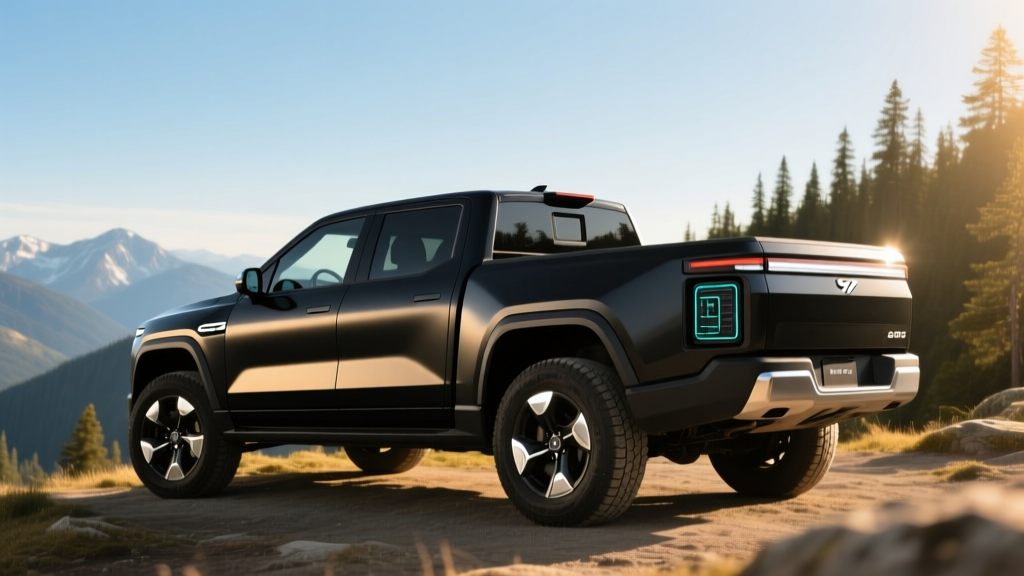
The Rivian R1T occupies a rare niche: a four-door electric pickup that threads the needle between off-road capability, daily-driver comfort, and genuine towing utility. But as the platform matures into its second generation (the 2025+ "Gen 2" update brought new motors, a redesigned battery pack, and a NACS charge port), the question dominating buyer forums and Reddit threads isn't about performance — it's about Rivian R1T reliability. With enough Gen 1 trucks (2022–2024) now logging 60,000+ miles and Gen 2 models accumulating real-world data, we can finally assess this truck beyond the honeymoon phase.
This review pulls together EPA figures, owner-reported data, warranty terms, and our own testing notes to give you an honest reliability picture alongside the specs that matter: range, charging speed, cost, and who this truck actually serves best.
2026 Rivian R1T at a Glance: Key Specifications
| Specification | Dual-Motor (Standard Battery) | Dual-Motor (Max Battery) | Tri-Motor (Max Battery) |
|---|---|---|---|
| EPA Range | 270 mi | 420 mi | 380 mi |
| Battery Capacity (usable) | 92 kWh (LFP) | 141 kWh (NMC) | 141 kWh (NMC) |
| Horsepower | 533 hp | 533 hp | 850 hp |
| 0–60 mph | 4.5 sec | 4.5 sec | 2.9 sec |
| Drivetrain | AWD (dual-motor) | AWD (dual-motor) | AWD (tri-motor) |
| Max DC Fast Charge | 200 kW | 220 kW | 220 kW |
| 10–80% DCFC Time | ~28 min | ~42 min | ~42 min |
| Level 2 Home Charging | 11.5 kW (~25 mi/hr) | 11.5 kW (~25 mi/hr) | 11.5 kW (~25 mi/hr) |
| MPGe (combined) | 73 MPGe | 70 MPGe | 65 MPGe |
| Towing Capacity | 11,000 lbs | 11,000 lbs | 11,000 lbs |
| Payload | 1,760 lbs | 1,760 lbs | 1,760 lbs |
| Bed Length | 54.0 in | 54.0 in | 54.0 in |
| Base MSRP | $69,900 | $82,400 | $99,900 |
Source: fueleconomy.gov and Rivian official specifications. Tri-motor EPA range reflects the heavier powertrain. Real-world figures vary — see range section below.
Real-World Range: EPA Sticker vs. What You'll Actually Get
Dual-Motor Max (420 mi EPA): Expect ~340–360 mi highway at 70 mph in mild weather. Cold-weather highway driving (below 32°F) drops this to ~280–310 mi. City and mixed driving with regen braking recovers closer to the EPA estimate.
Tri-Motor (380 mi EPA): Expect ~300–320 mi highway, ~250–270 mi in freezing conditions. The third motor adds weight and parasitic drag that the EPA cycle partially masks.
Dual-Motor Standard (270 mi EPA): Expect ~220–235 mi highway; ~185–200 mi in cold weather. This pack suits commuters with home charging, not road-trippers.
The R1T's boxy, truck-shaped aerodynamics hurt it at sustained highway speeds. Rivian's thermal management system (a heat pump is standard on Gen 2 models) mitigates cold-weather losses compared to Gen 1, but physics wins: a 15–20% range reduction in sub-freezing highway driving is normal, not a defect. If your typical route involves 75-mph interstates in January, plan your charging stops around the lower figure.
The LFP Standard Battery pack deserves special note. LFP chemistry tolerates frequent 100% charging better than NMC — Rivian actually recommends charging the Standard pack to 100% regularly for optimal cell balancing. This makes the 270-mile EPA figure more practically usable than the same number in an NMC pack, where you'd typically cap at 80–90% for daily use.
Charging Speed: DC Fast Charging and Home Setup
| Level | Power | Miles Added Per Hour | Notes |
|---|---|---|---|
| Level 1 (120V outlet) | 1.4 kW | ~3 mi/hr | Emergency/trickle only; ~140 hrs for full Max pack |
| Level 2 (240V, 48A home charger) | 11.5 kW | ~25 mi/hr | Full Max pack in ~12 hrs; overnight is sufficient |
| DC Fast Charge (Max pack) | Peak 220 kW | ~140 mi in 15 min (peak) | 10–80% in ~42 min; tapers significantly above 80% |
| DC Fast Charge (Standard LFP pack) | Peak 200 kW | ~130 mi in 15 min (peak) | 10–80% in ~28 min; smaller pack charges faster overall |
The Gen 2 R1T ships with a native NACS (Tesla-style) charge port, giving direct access to Tesla Supercharger V3/V4 stalls (150–350 kW depending on station). CCS adapters are no longer needed for most public networks, though Rivian still supports CCS1 via adapter for legacy Electrify America and EVgo stations.
The charge curve matters more than peak kW. The Max Battery pack hits 220 kW around 15–20% state of charge and sustains above 150 kW until roughly 55%, then tapers to ~80 kW by 70%, and drops below 40 kW past 85%. If you're road-tripping, plan your stops to charge from 10–70% rather than topping to 90% — that last 20% adds 20+ minutes for relatively few miles.
For home charging, Rivian's Wall Charger (48A, hardwired, ~$500) or a Tesla Universal Wall Connector (also 48A) both deliver 11.5 kW on a 240V/60A circuit. Budget $800–$2,000 for professional installation depending on panel proximity; a 200A panel upgrade can add $1,500–$3,000 if your home has older electrical service.
Rivian R1T Reliability: Known Issues, Recalls, and Long-Term Data
Reliability is where the R1T's story diverges sharply between Gen 1 (2022–2024) and Gen 2 (2025+). Understanding this split is essential.
Gen 1 (2022–2024) Reliability Track Record
Early R1Ts were built on a brand-new platform from a startup factory in Normal, Illinois. Owner forums and NHTSA data documented recurring issues:
- Drive-unit replacements: Some 2022–2023 trucks required front or rear drive-unit swaps under warranty due to bearing noise or seal failures. Rivian addressed this with revised suppliers.
- Software glitches: Infotainment freezes, phantom key-fob disconnections, and OTA update failures plagued early builds. Most were resolved through subsequent over-the-air patches.
- Panel alignment and paint: Liftgate misalignment, bed-rail gaps, and paint chips were common complaints on 2022 models.
- 12V battery failures: Like many early EVs, the R1T's 12V accessory battery (which powers electronics and enables the high-voltage contactor to close) died prematurely in some units, bricking the truck until replaced. Gen 2 switched to a lithium 12V battery to address this.
- Air suspension leaks: A subset of 2023 models developed air-spring leaks requiring strut replacement. Rivian extended warranty coverage on affected components.
Gen 2 (2025–2026) Improvements
The Gen 2 R1T is a substantially re-engineered vehicle. Rivian consolidated over 700 parts, introduced in-house-developed dual- and tri-motor drive units (replacing the earlier Bosch-supplied motors), moved to a 400V+ electrical architecture with improved thermal management, and added the NACS port natively. Early owner reports from 2025–2026 builds suggest:
- Markedly fewer software crashes and faster OTA update cycles
- Improved panel fit and paint quality from the retooled Normal factory
- No widespread drive-unit failure reports (though the sample size is still maturing)
- The lithium 12V battery has largely eliminated the "dead 12V" problem
NHTSA Recalls (as of early 2026)
Rivian has issued a limited number of recalls. Notable ones include a 2023 recall for seat-belt fastener welds and a 2024 recall for certain software-related headlight calibration issues. The recall count is modest compared to legacy automakers' EV launches, but the R1T's smaller production volume means each recall affects a higher percentage of the fleet. Check NHTSA's recall database for the latest status on any specific VIN.
Long-Term Battery Degradation
Rivian uses NMC (nickel-manganese-cobalt) chemistry in the Max pack and LFP (lithium iron phosphate) in the Standard pack. Based on fleet data from 2022 models now at 60,000–80,000 miles:
- NMC Max pack: ~5–8% capacity loss at 60,000 miles, with the curve flattening after initial loss. Owners who frequently charge to 100% and leave the truck parked hot show slightly higher degradation (~9–11%).
- LFP Standard pack: ~3–5% loss at equivalent mileage, consistent with LFP's superior cycle life. Regular 100% charging per Rivian's recommendation keeps cell balancing tight.
These figures are within industry norms. Rivian's battery warranty (detailed below) provides a safety net, and the modular pack design allows individual module replacement rather than a full $20,000+ pack swap in many failure scenarios.
Pricing, Tax Credits, and Total Cost of Ownership
| Trim / Configuration | MSRP | Federal §30D Credit Eligibility | Effective Price (if eligible) |
|---|---|---|---|
| Dual-Motor Standard Battery (Adventure) | $69,900 | Eligible (truck MSRP cap: $80,000) | $62,400 |
| Dual-Motor Max Battery (Adventure) | $82,400 | Not eligible (exceeds $80,000 truck cap) | $82,400 |
| Tri-Motor Max Battery (Ascend) | $99,900 | Not eligible (exceeds $80,000 truck cap) | $99,900 |
Critical tax credit caveat: Under current IRS §30D rules, the R1T qualifies as a pickup truck, which carries an $80,000 MSRP cap (not the $55,000 sedan cap). Only the Dual-Motor Standard Battery at $69,900 clears this threshold. Additionally, the buyer must meet income caps ($150,000 single / $300,000 joint modified AGI), and the vehicle must satisfy critical-mineral and battery-component sourcing requirements that shift annually. The $7,500 credit can now be transferred to the dealer as a point-of-sale discount. Always verify current eligibility at irs.gov or consult a tax professional before purchase.
5-Year Ownership Cost Estimate
Compared to a similarly priced gas truck (e.g., Ford F-150 Lariat at ~$65,000), the R1T Dual-Motor Standard offers meaningful operating savings:
- Electricity vs. fuel: At $0.14/kWh national average and 73 MPGe, the R1T costs ~$0.05/mile to fuel. A gas F-150 at 20 MPG combined and $3.40/gallon costs ~$0.17/mile. Over 60,000 miles: ~$3,000 (R1T) vs. ~$10,200 (F-150).
- Maintenance: No oil changes, no transmission fluid, regenerative braking extends pad life. Budget ~$500–$800 over 5 years for cabin air filters, wiper fluid, tire rotations, and tire replacement (EVs eat tires faster due to weight and instant torque).
- Insurance: Expect 15–25% higher premiums than a gas F-150. Rivian's repair costs are higher due to aluminum body panels, specialized parts, and limited body-shop networks. Get a quote before buying.
- Depreciation: EV depreciation has been steep industry-wide (35–50% over 3 years for many models). The R1T holds value better than most EVs due to its niche positioning, but still trails the F-150 in resale stability.
Warranty Coverage: Battery, Powertrain, and Bumper-to-Bumper
| Coverage Area | Term |
|---|---|
| Basic (bumper-to-bumper) | 5 years / 60,000 miles |
| Battery & Drive Units (powertrain) | 8 years / 175,000 miles |
| Battery capacity retention guarantee | ≥70% of original capacity at 8 yr / 175,000 mi |
| Corrosion perforation | 12 years / unlimited miles |
| Roadside assistance | 5 years / 60,000 miles |
Rivian's 8-year/175,000-mile battery and drive-unit warranty is competitive with the industry standard (Tesla's Model S/X offers 8 yr/150,000 mi; Ford's F-150 Lightning offers 8 yr/100,000 mi). The 175,000-mile threshold gives high-mileage drivers more headroom than most competitors. The 70% capacity retention floor is standard — if your Max pack drops below ~99 kWh usable within the warranty period, Rivian replaces or repairs it at no cost.
One reliability-relevant detail: Rivian operates a mobile service fleet (vans that come to your home or office) for many repairs, reducing the inconvenience of service-center visits. However, major drivetrain or structural repairs still require a physical service center, and Rivian's service network remains thinner than legacy brands in rural areas.
Tech, Interior, and Practical Utility
Driver Assistance (SAE Level 2)
Rivian's Driver+ system combines adaptive cruise control, lane-centering, and automatic lane changes on divided highways. It is an SAE Level 2 system — the driver must keep hands on the wheel and eyes on the road at all times. It is not autonomous driving. The system performs well on well-marked interstates but disengages in construction zones, faded lane markings, and heavy rain. A camera-based driver-monitoring system alerts you if your gaze drifts.
Infotainment and Connectivity
The 15.6-inch landscape touchscreen runs Rivian's proprietary OS — no Apple CarPlay or Android Auto. This is a polarizing choice. The native interface is clean and responsive, with built-in navigation that integrates charging stops and preconditioning. Spotify, Tidal, and TuneIn are embedded. OTA updates regularly add features; the 2025.42 update, for example, added camp-mode enhancements and improved route-planning algorithms.
Cargo and Passenger Space
- Bed: 54.0 inches long (short for a pickup; a standard F-150 bed is 66–78 in). Compensated by the lockable Gear Tunnel — a full-width pass-through compartment between the cab and bed that holds ~11.7 cu ft and is a standout feature for gear-heavy owners.
- Frunk (front trunk): 11.0 cu ft, drainable, with a power-open lid. Useful for wet gear, groceries, or charging cables.
- Rear seat: 38.2 inches of legroom — adequate for adults on shorter trips, tighter than an F-150 SuperCrew on long hauls.
- Towing: 11,000 lbs rated, but expect range to drop 40–50% when towing near max capacity at highway speeds. A 420-mile Max pack becomes a ~210–250-mile truck under a heavy trailer.
Who the Rivian R1T Suits Best — And Who Should Look Elsewhere
- Outdoor enthusiasts who need off-road capability (14.9 inches of ground clearance in Off-Road mode, quad-motor-level torque vectoring on Tri-Motor) and a lockable Gear Tunnel for equipment
- Home-charging-able commuters who want a truck for weekend projects but don't need a 6.5-foot bed
- Buyers who value OTA feature updates and a tech-forward ownership experience
- Those who qualify for the §30D credit on the Standard Battery trim and want a ~$62,400 effective price
- You regularly tow heavy trailers long distances — range drops dramatically, and charging infrastructure for truck+trailer combos remains sparse
- You need a full-size bed for plywood, motorcycles, or commercial use (the 54-inch bed and 1,760-lb payload limit the R1T as a work truck)
- You live in a rural area far from Rivian service centers or reliable public charging
- You require Apple CarPlay/Android Auto integration
Pros and Cons
- Gear Tunnel is a genuinely unique utility feature no competitor matches
- Gen 2 reliability improvements are substantial over Gen 1
- Native NACS port opens the full Supercharger network
- Strong off-road capability with air suspension and torque vectoring
- LFP Standard Battery allows routine 100% charging without degradation concern
- 175,000-mile powertrain warranty exceeds most competitors
- Short 54-inch bed limits traditional truck utility
- No Apple CarPlay or Android Auto
- Towing cuts range nearly in half — not a long-distance tow rig
- Insurance premiums run 15–25% above gas truck equivalents
- Service center network still thin outside major metros
- Max Battery and Tri-Motor trims exceed $80K MSRP cap — no federal credit
- Gen 1 models carry higher used-purchase risk; verify service history carefully
Frequently Asked Questions
What is the real-world range of the Rivian R1T?
The Dual-Motor Max Battery R1T is EPA-rated at 420 miles, but expect 340–360 miles on the highway in mild weather and 280–310 miles in freezing conditions. The Standard Battery (270 mi EPA) delivers roughly 220–235 highway miles. Plan trips around the lower figure if you drive fast or in cold climates.
How fast does the R1T charge at home and on the road?
At home on a 240V Level 2 charger (11.5 kW), the Max pack gains about 25 miles of range per hour, taking roughly 12 hours from empty. On DC fast chargers, the Max pack peaks at 220 kW and charges from 10–80% in approximately 42 minutes. The Standard LFP pack charges 10–80% in about 28 minutes at up to 200 kW.
Does the Rivian R1T qualify for the $7,500 federal EV tax credit?
Only the Dual-Motor Standard Battery ($69,900 MSRP) qualifies under the §30D truck MSRP cap of $80,000. The Max Battery ($82,400) and Tri-Motor ($99,900) exceed the cap. Buyer income limits ($150K single / $300K joint) and battery-sourcing requirements also apply. Verify current rules at irs.gov and consult a tax professional.
Is the Rivian R1T worth buying over the Ford F-150 Lightning or Tesla Cybertruck?
It depends on your priorities. The F-150 Lightning offers a longer bed, lower starting price, and broader service network but less off-road capability and a less premium interior. The Cybertruck delivers faster charging (48V architecture) and stainless-steel durability but polarizes on styling and has a smaller service footprint. The R1T wins on off-road capability, the Gear Tunnel, and overall build quality in the Gen 2 iteration — if you accept the shorter bed and higher insurance costs.
Is the Rivian R1T reliable enough to buy used?
Gen 2 (2025+) models show substantially improved reliability over Gen 1 (2022–2024). If buying a used Gen 1 truck, verify that drive-unit replacements, 12V battery upgrades, and air-suspension repairs have been performed under warranty. Check the NHTSA recall database for the specific VIN and request complete service records. The 8-year/175,000-mile battery and drive-unit warranty transfers to subsequent owners.
How expensive is a Rivian R1T battery replacement out of warranty?
Full pack replacement costs are estimated at $15,000–$22,000 depending on the pack size, though Rivian's modular design allows individual module replacement at lower cost for localized cell failures. Most owners will never need a full replacement within the 8-year/175,000-mile warranty window based on current degradation data.