When Did Rivian Start Selling Cars? The Short Answer
Rivian delivered its first consumer vehicle — the R1T electric pickup — in September 2021, followed by the R1S SUV in December 2021. The company had been developing vehicles since 2009 under various names, but it wasn't until the launch-edition R1T rolled off the line in Normal, Illinois, that buyers could actually take delivery. That makes Rivian roughly five years into production as of the 2026 model year, and the brand has evolved significantly since those early reservation-holder deliveries.
If you're researching Rivian today, you're probably less interested in corporate history and more interested in whether a 2026 R1T or R1S fits your garage, budget, and lifestyle. Let's break down the current lineup with the exact numbers that matter.
2026 Rivian Lineup at a Glance
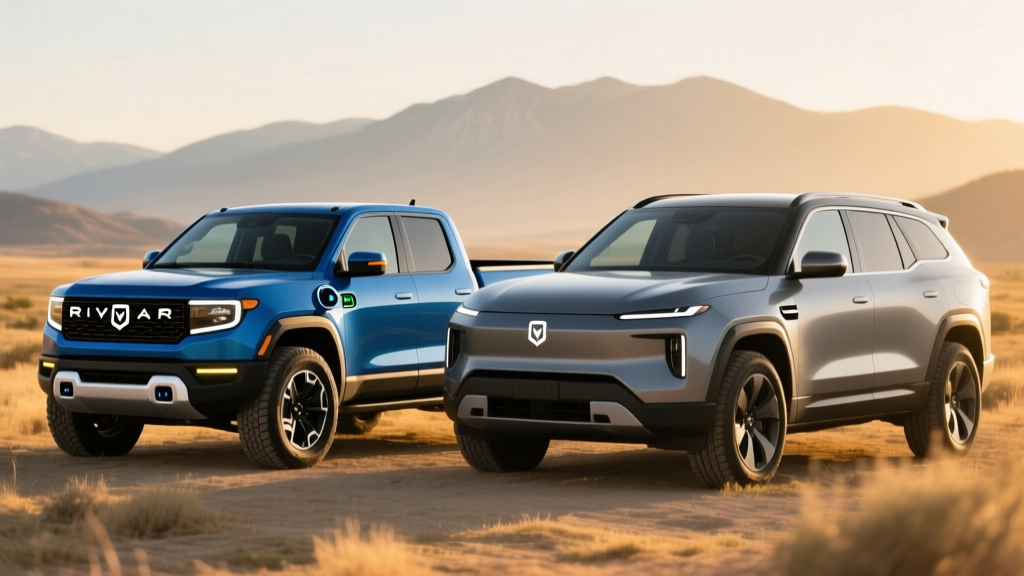
Rivian currently sells two consumer vehicles: the R1T pickup and the R1S three-row SUV. Both share the same skateboard platform, battery options, and dual-motor or tri-motor powertrains. Here are the core specs side by side.
| Spec | R1T (Pickup) | R1S (SUV) |
|---|---|---|
| EPA Range (Max Pack) | 420 mi | 410 mi |
| EPA Range (Standard Pack) | 270 mi | 260 mi |
| Battery (Max Pack) | ~141 kWh usable, NMC | ~141 kWh usable, NMC |
| Battery (Standard) | ~95 kWh usable, LFP | ~95 kWh usable, LFP |
| Peak DC Fast Charge | 220 kW | 220 kW |
| 10–80% DC Charge Time | ~21 min (Max Pack) | ~21 min (Max Pack) |
| Level 2 Home Charge Rate | 11.5 kW (~25 mi/hr) | 11.5 kW (~25 mi/hr) |
| 0–60 mph (Dual Motor) | 4.5 sec | 4.6 sec |
| 0–60 mph (Tri Motor) | 2.9 sec | 3.1 sec |
| Horsepower (Tri Motor) | 850 hp | 850 hp |
| Drivetrain | AWD (Dual/Tri Motor) | AWD (Dual/Tri Motor) |
| Towing Capacity | 11,000 lbs | 7,700 lbs |
| Cargo Volume | 54 cu ft bed + 11 cu ft frunk | 104 cu ft (rear seats folded) |
| MPGe (Dual Motor, Max Pack) | 70 MPGe combined | 69 MPGe combined |
| Efficiency | 48 kWh/100 mi | 49 kWh/100 mi |
| Base MSRP | $69,900 | $74,900 |
Source: fueleconomy.gov and Rivian's official spec pages. Specs reflect 2026 model-year data for Dual Motor / Tri Motor configurations.
Real-World Range: What the EPA Sticker Doesn't Tell You
R1T Max Pack — EPA: 420 mi
• Highway (70 mph, mild weather): ~330–350 mi
• Cold weather (below 32°F, mixed driving): ~270–300 mi
• Towing (5,000 lb trailer): ~180–210 mi
R1S Max Pack — EPA: 410 mi
• Highway (70 mph, mild weather): ~320–340 mi
• Cold weather (below 32°F, mixed driving): ~260–290 mi
Standard Pack (both): EPA 270/260 mi — expect ~210–230 mi highway, ~170–190 mi in deep cold.
Rivian's 420-mile EPA figure for the R1T Max Pack is genuinely class-leading among electric trucks, but physics always collects its due. At sustained highway speeds above 70 mph, aerodynamic drag on a pickup-shaped vehicle reduces efficiency sharply. Add winter temperatures and you're looking at a 25–35% reduction from the sticker number. The LFP chemistry in the Standard Pack is more resilient to cold and tolerates frequent 100% charging, but you trade roughly 150 miles of rated range to get that longevity benefit.
Charging Speed: DC Fast Charging and Home Setup
Rivian's 2026 models peak at 220 kW on DC fast chargers using the NACS (Tesla Supercharger-compatible) connector. That's a meaningful upgrade from the early CCS-equipped 2022 models, which peaked around 200 kW and required adapters for the growing NACS network.
| Charging Level | Power / Voltage | Miles Added per Hour | Notes |
|---|---|---|---|
| Level 1 (120V household) | ~1.4 kW | ~3–4 mi/hr | Emergency/trickle only |
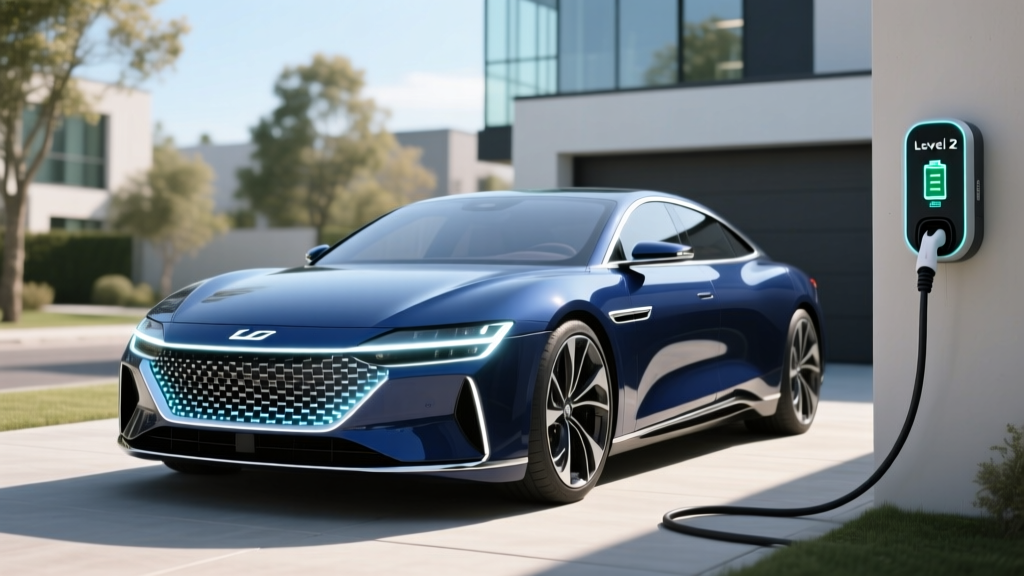
| Level 2 (240V home) | 11.5 kW | ~25 mi/hr | Full charge overnight (~12–14 hrs for Max Pack) |
| DC Fast Charge | Up to 220 kW | ~550 mi/hr (peak) | 10–80% in ~21 min (Max Pack); tapers sharply above 80% |
Charging curve reality: Rivian's 220 kW peak is sustained roughly from 10–40% State of Charge (SoC). From 40–60%, expect ~170–190 kW. Above 80%, the rate drops to under 50 kW as the battery management system protects cell health. If you're road-tripping, plan your stops around 10–80% increments — sitting at a charger waiting for 80–100% adds 25+ minutes for negligible range gain.
For home charging, a 48-amp Level 2 wall connector on a 60-amp circuit delivers the full 11.5 kW. Budget $800–$1,500 for the charger hardware and $1,200–$3,500 for professional installation depending on your panel capacity and run distance. If your home has a 100-amp main panel, expect a potential $2,000–$4,000 panel upgrade to support a dedicated 60-amp EV circuit.
Performance and Drivetrain: Dual Motor vs. Tri Motor
Rivian offers two powertrain configurations across both the R1T and R1S. The Dual Motor setup uses one motor per axle for standard AWD, while the Tri Motor (branded as the "Tri Motor AWD" on the 2026 models) adds a second rear motor for serious performance.
The Dual Motor R1T hits 0–60 mph in 4.5 seconds — quick for a 7,000-pound truck. The Tri Motor drops that to 2.9 seconds with 850 horsepower, which puts it in supercar territory despite the curb weight. Both configurations feature Rivian's quad-motor torque-vectoring heritage (now consolidated into fewer motors with equivalent torque control via brake-based vectoring and electronic differentials).
Off-road, Rivian's air suspension provides up to 14.9 inches of ground clearance in the R1T, with a wading depth of over 3 feet. The gear tunnel (R1T only) adds a lockable, weather-sealed 11-cubic-foot pass-through storage space between the cab and bed — genuinely useful for skis, fishing rods, or charging cables.
Pricing, Trims, and Federal Tax Credit Eligibility
Rivian's pricing has shifted multiple times since 2021, and the 2026 lineup reflects a more streamlined trim structure.
| Model / Trim | MSRP | Est. Price After §30D Credit |
|---|---|---|
| R1T Dual Motor Standard Pack | $69,900 | $62,400* |
| R1T Dual Motor Max Pack | $83,900 | $76,400* |
| R1T Tri Motor Max Pack | $99,900 | $92,400* |
| R1S Dual Motor Standard Pack | $74,900 | $67,400* |
| R1S Dual Motor Max Pack | $89,900 | $82,400* |
| R1S Tri Motor Max Pack | $104,900 | $97,400* |
*Estimated after $7,500 federal tax credit. Actual eligibility depends on IRS §30D requirements.
Does Rivian Qualify for the Federal EV Tax Credit?
As of the 2026 tax year, Rivian's R1T and R1S face a complex credit picture under IRS §30D rules. Here's what determines eligibility:
- MSRP Cap: Vans, SUVs, and pickups have an $80,000 MSRP cap. The R1T Dual Motor Standard ($69,900) and R1S Dual Motor Standard ($74,900) fall under this cap. Max Pack and Tri Motor trims exceed it and do not qualify.
- Buyer Income Cap: Modified AGI must not exceed $150,000 (single), $225,000 (head of household), or $300,000 (joint).
- Battery Sourcing: Critical minerals and battery components must meet phased-in domestic-content and free-trade-agreement thresholds. Rivian has worked to shift supply chains, but specific eligibility varies by build date and battery pack. Check the fueleconomy.gov tax credit lookup for the specific VIN.
- Point-of-Sale Transfer: Eligible buyers can transfer the credit to the dealer at purchase, reducing the purchase price by up to $7,500 upfront rather than waiting for a tax refund.
Bottom line: Only the Standard Pack Dual Motor configurations are likely to qualify, and only if your income, the vehicle's MSRP, and battery sourcing all align. Consult a tax professional before relying on the credit.
Interior, Tech, and Daily Livability
Rivian's interior design leans minimalist-modern, dominated by a 15.6-inch center touchscreen running Rivian's proprietary software. There's no Apple CarPlay or Android Auto — a deliberate choice that draws both praise (clean integration) and criticism (limited app ecosystem). Wireless phone charging, a 12-inch driver display, and a head-up display are standard.
Driver assistance: Rivian's Driver+ system is a Level 2 SAE driver-assist feature combining adaptive cruise control and lane-centering on mapped highways. It is not autonomous driving — you must keep your hands on the wheel and eyes on the road. Hands-free operation is not supported as of the 2026 model year, putting it behind GM's Super Cruise and Ford's BlueCruise in hands-free convenience.
Cargo and passenger space:
- R1T: 4.5-foot bed (54 cu ft) with powered tonneau, 11 cu ft frunk, 11 cu ft gear tunnel. Rear-seat legroom is 38.2 inches — adequate for adults but tighter than a Ford F-150.
- R1S: 104 cu ft with second and third rows folded. Third-row legroom is 30.4 inches — best for children. Behind the third row: 20.3 cu ft.
Warranty and Long-Term Ownership
| Coverage | Term |
|---|---|
| Limited Vehicle Warranty | 5 years / 60,000 miles |
| Battery & Powertrain | 8 years / 120,000 miles (70% minimum capacity retention) |
| Roadside Assistance | 5 years / 60,000 miles |
Rivian's battery warranty guarantees at least 70% State of Health (SoH) over 8 years or 120,000 miles — competitive with Tesla's 8-year/120,000-mile coverage but with a slightly different retention threshold. Real-world degradation data from 2022–2024 R1T owners suggests roughly 5–8% capacity loss over the first 50,000 miles, which is within the expected curve for NMC chemistry. The LFP Standard Pack should degrade more slowly and can be charged to 100% daily without concern, making it the pragmatic choice for high-mileage commuters.
Pros, Cons, and Who Should Buy a Rivian
- Class-leading 420-mi EPA range (Max Pack)
- Genuine off-road capability with air suspension
- Unique storage (gear tunnel, massive frunk)
- NACS native for 2026 — full Supercharger access
- Strong towing (11,000 lbs R1T)
- Over-the-air updates add features regularly
- High starting price — qualifying trims for tax credit are limited
- No Apple CarPlay / Android Auto
- Driver+ is hands-on only (no hands-free highway assist)
- Third row in R1S is tight for adults
- Service center network still expanding in rural areas
- Efficiency drops significantly when towing
Who Is the Rivian R1T/R1S Best For?
Buy the R1T if: You need a capable electric pickup for weekend towing, off-road adventures, or gear-heavy trips, and you value range over price. The Max Pack is the road-trip king of electric trucks.
Buy the R1S if: You want a three-row electric SUV with genuine off-road chops and don't need adults in the third row regularly. It competes directly with the Tesla Model X and Cadillac Escalade IQ but offers better ground clearance and adventure utility.
Look elsewhere if: Budget is a primary concern (the Ford F-150 Lightning starts lower), you need hands-free highway driving (GM Super Cruise), or you rely on CarPlay for navigation.
Frequently Asked Questions
When did Rivian start selling cars to the public?
Rivian delivered its first R1T pickup to a retail customer on September 14, 2021, in Normal, Illinois. The R1S SUV followed in December 2021. Prior to that, Rivian had been an EV startup since 2009 (originally called Mainstream Motors, later A123 Systems spinoff ventures) but had no production vehicles on the road.
What is the real-world range of a Rivian R1T?
The EPA rates the R1T Max Pack at 420 miles, but real-world highway driving at 70 mph yields roughly 330–350 miles in mild weather. In cold conditions (below freezing), expect 270–300 miles. Towing cuts range roughly in half — plan for 180–210 miles with a 5,000-pound trailer.
How fast does a Rivian charge at home and on the road?
On a Level 2 home charger (11.5 kW), a Rivian adds about 25 miles of range per hour — a full Max Pack charges in roughly 12–14 hours. On a DC fast charger, it peaks at 220 kW and charges from 10–80% in about 21 minutes for the Max Pack, with significant taper above 80%.
Does the Rivian R1T or R1S qualify for the $7,500 federal tax credit?
Only Standard Pack Dual Motor trims fall under the $80,000 MSRP cap for trucks/SUVs under IRS §30D. You must also meet income limits ($300,000 joint / $150,000 single) and the vehicle's battery must satisfy critical-mineral and component sourcing rules. Verify eligibility at fueleconomy.gov or with a tax professional before purchasing.
Is the Rivian R1T worth buying over the Ford F-150 Lightning?
The R1T offers more range (420 vs. 320 miles EPA on max batteries), better off-road capability, and more unique storage. The F-150 Lightning starts at a lower price, has a larger service network, and offers Pro Power Onboard for job-site use. If range and adventure are priorities, Rivian wins. If budget and fleet practicality matter more, Ford has the edge.
How long will a Rivian battery last?
Rivian warranties the battery for 8 years or 120,000 miles with a 70% capacity retention guarantee. Early owner data from 2022–2024 models shows 5–8% degradation at 50,000 miles for NMC Max Packs. The LFP Standard Pack is expected to degrade more slowly and supports daily 100% charging without longevity penalty.