Rivian in Manhattan's Meatpacking District: What the Hub Means for Buyers
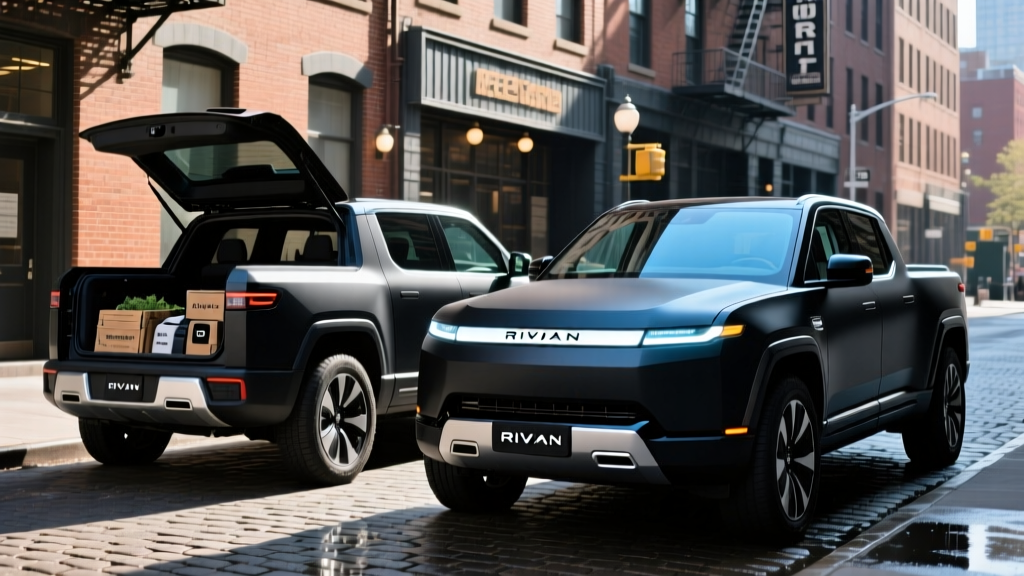
If you've walked through Manhattan's Meatpacking District in the past year, you've likely spotted a cluster of Rivian R1T pickups and R1S SUVs parked near the Rivian Meatpacking Space — the brand's high-visibility urban hub at 401 West 14th Street. This isn't just a showroom; it's a delivery center, service touchpoint, and brand immersion space rolled into one. For New York-area buyers, it's the primary gateway into Rivian ownership.
But the real question for research-heavy shoppers isn't about the architecture — it's whether the 2026 R1T and R1S actually deliver on range, charging, and daily usability once you leave the cobblestones of Gansevoort Street. This review covers the current-generation Dual-Motor, Performance Dual-Motor, and Tri-Motor configurations with real numbers, real-world caveats, and the ownership math that matters.
The Max Pack R1T/R1S carries an EPA-estimated 420 miles of range. In real-world highway driving at 70-75 mph, expect 340-360 miles. In cold-weather Northeast winters (20-35°F), that drops to roughly 280-310 miles due to battery resistance and cabin heating demands. The Standard pack (270 mi EPA) realistically delivers 215-230 miles on a winter highway run.
2026 Rivian R1T & R1S: Full Spec Breakdown
Rivian simplified its lineup for the second-generation R1 platform (introduced mid-2024, carried into 2026). Here are the numbers that matter across the three main battery/powertrain configurations available through the Meatpacking hub:
| Spec | Standard (Dual-Motor) | Large (Dual-Motor) | Max (Tri-Motor) |
|---|---|---|---|
| Battery Usable Capacity | ~92 kWh (LFP) | ~109 kWh (NMC) | ~141 kWh (NMC) |
| EPA Range (R1T) | 270 mi | 352 mi | 420 mi |
| EPA Range (R1S) | 270 mi | 352 mi | 410 mi |
| Drivetrain | Dual-Motor AWD | Dual-Motor AWD | Tri-Motor AWD |
| Horsepower | 533 hp | 533 hp (665 hp Perf) | 850 hp |
| 0-60 mph | 4.5 sec | 4.5 sec (3.4 Perf) | 2.9 sec |
| Max DC Fast Charge | 200 kW | 220 kW | 220 kW |
| 10-80% DC Time | ~28 min | ~21 min | ~30 min |
| Level 2 Home Rate | 11.5 kW (~25 mi/hr) | 11.5 kW (~25 mi/hr) | 11.5 kW (~25 mi/hr) |
| Efficiency (R1T) | 73 MPGe / 46 kWh/100mi | 70 MPGe / 48 kWh/100mi | 65 MPGe / 52 kWh/100mi |
| Towing Capacity | 11,000 lbs | 11,000 lbs | 11,000 lbs |
| Cargo Bed (R1T) | 54 cu ft (bed); ~11 cu ft (gear tunnel); ~11 cu ft (frunk) | ||
| Cargo (R1S behind 3rd row) | ~20 cu ft; ~59 cu ft (2nd row folded); ~104 cu ft max | ||
| Battery/Powertrain Warranty | 8 years / 175,000 miles | ||
Sources: fueleconomy.gov (EPA), Rivian R1T specs.
Battery Chemistry: LFP Standard vs. NMC Max
Rivian's second-gen platform introduced LFP (lithium iron phosphate) chemistry for the Standard pack — a significant shift. LFP offers a longer cycle life (3,000+ cycles vs. ~1,500 for NMC), better thermal stability, and lower cost. The trade-off: lower energy density, which is why the Standard pack tops out at 270 miles EPA despite weighing almost as much as the 352-mile Large pack.
The Large and Max packs use NMC (nickel manganese cobalt) cells, optimized for energy density. If you regularly drive the Long Island Expressway to Montauk or take the R1T up to the Catskills in January, the Max pack's 420-mile EPA buffer is worth the $10,000-$12,000 premium over the Large. For NYC-only commuters who charge at home nightly, the Standard LFP pack is arguably the smartest buy — it'll outlast the vehicle.
Charging Speed: The Full Curve, Not Just the Peak
Rivian quotes a peak 220 kW DC fast-charge rate for the Large and Max packs, but sustained rates tell the real story. On a Rivian Adventure Network charger (or any CCS-compatible 350 kW station), the Large pack holds above 180 kW from roughly 15-55% SoC before tapering. A 10-80% session takes about 21 minutes on the Large pack and roughly 30 minutes on the Max (larger battery = more total kWh to push, even at the same peak rate).
| Charging Level | Power | Rate (Approx.) | Best For |
|---|---|---|---|
| Level 1 (120V outlet) | ~1.4 kW | ~3 mi/hr | Emergency top-ups |
| Level 2 (240V home) | 11.5 kW | ~25 mi/hr | Daily/overnight charging |
| DC Fast (CCS) | Up to 220 kW | ~550 mi/hr (peak) | Road trips, Adventure Network |
| NACS Adapter | Up to 250 kW (Tesla V3/V4) | ~500 mi/hr (peak) | Supercharger access |
For home charging at the typical Meatpacking-area apartment or Westchester suburban garage, a Level 2 Wall Connector or Rivian Wall Charger on a 60-amp circuit will fully replenish even the Max pack overnight (~13-14 hours from empty). Most owners report arriving home at 40-50% and waking to 100% — no daily range stress.
Rivian now ships vehicles with a NACS adapter, granting access to Tesla Supercharger stations (V3 at 250 kW, V4 at up to 350 kW). This effectively doubles the fast-charging network available to R1 owners in the tri-state area. Note: charge speed on Superchargers may be slightly lower than on Rivian's own Adventure Network due to V3's 250 kW cap and shared-cabinet power splitting.
Pricing, Trims & Federal Tax Credit Eligibility
The 2026 Rivian lineup starts at $69,900 for the R1T Dual-Motor Standard and climbs to $99,900+ for the R1S Tri-Motor Max in Ascend trim. Here's the current pricing matrix as delivered through the Meatpacking hub:
| Configuration | Base MSRP | §30D Credit Eligible? | Effective Price (est.) |
|---|---|---|---|
| R1T Dual-Motor Standard | $69,900 | Yes (if under income/MSRP caps) | ~$62,400 |
| R1T Dual-Motor Large | $75,900 | Yes | ~$68,400 |
| R1T Tri-Motor Max | $89,900 | No (exceeds $80K truck cap) | $89,900 |
| R1S Dual-Motor Standard | $74,900 | Yes (SUV cap: $80K) | ~$67,400 |
| R1S Dual-Motor Large | $79,900 | Yes (at cap limit) | ~$72,400 |
| R1S Tri-Motor Max | $99,900 | No (exceeds $80K SUV cap) | $99,900 |
Critical §30D caveats (per IRS guidelines):
- MSRP caps: $80,000 for SUVs/wagons/vans (R1S qualifies); $80,000 for pickups (R1T qualifies on Standard/Large, but Tri-Motor Max at $89,900+ exceeds the cap).
- Income limits: MAGI ≤ $300,000 (joint), $225,000 (head of household), $150,000 (single).
- Battery sourcing: Critical minerals and battery component requirements phase in annually. Verify current-year compliance on the IRS qualified vehicles list before purchase.
- Point-of-sale transfer: You can transfer the credit to the dealer at purchase, reducing your out-of-pocket immediately — no need to wait until tax filing.
Tech, Driver Assistance & Interior
Rivian's second-generation software stack runs on a Qualcomm Snapdragon-based platform with over-the-air updates. The 15.6-inch center display handles navigation, climate, and vehicle settings; a dedicated driver display replaces the original's binnacle. Key features:
- Rivian Driver+: Level 2 SAE driver-assist with adaptive cruise, lane centering, and automatic lane changes on divided highways. This is not autonomous driving — hands-on-wheel monitoring is enforced via capacitive sensing.
- Highway Assist: Hands-on lane centering that works well on I-87 and I-95, though it occasionally hunts in faded construction-zone lane markings.
- 360° camera with trailer hitch view: Essential for the 11,000-lb tow rating.
- Gear Tunnel (R1T): 11 cu ft lockable pass-through between cab and bed — uniquely Rivian.
- Camp Kitchen (optional): Slide-out induction cooktop and sink that mounts in the gear tunnel.
Rivian Driver+ is an SAE Level 2 system. The driver must remain engaged, monitor the road, and keep hands on the wheel. It does not navigate intersections, construction zones, or unmapped roads autonomously. Level 4 (true driverless) currently exists only in geofenced robotaxi services like Waymo.
Interior materials are premium but utilitarian — vegan leather, open-pore wood, and durable rubberized flooring that hoses off. Rear-seat legroom is generous at 38.2 inches (R1T) and 36.5 inches (R1S third row). The R1S third row fits adults under 5'10" for short trips but is best reserved for children on longer hauls.
Pros, Cons & Who Should Buy
- Class-leading range (420 mi Max) among electric pickups/SUVs
- Adventure Network + NACS Supercharger dual access
- 11,000-lb towing with integrated trailer brake controller
- Unique gear tunnel (R1T) and camp kitchen ecosystem
- LFP Standard pack offers 3,000+ cycle longevity at lower cost
- 8-yr/175,000-mi battery warranty (above industry average of 100K)
- OTA updates continuously add features post-purchase
- Tri-Motor configurations exceed §30D MSRP cap — no federal credit
- Efficiency lags rivals: 46-52 kWh/100mi vs. ~30-35 for lighter EVs
- Service center capacity in NYC still catching up to delivery volume
- 220 kW peak charge rate trails Hyundai Ioniq 5's 240+ kW on 800V
- Third-row R1S space is tight for adults
- Premium pricing: even the Standard starts near $70K
- No Apple CarPlay / Android Auto (Rivian's native system only)
Who This EV Suits Best
- Weekend adventurers: The R1T Max with gear tunnel and camp kitchen is purpose-built for overlanding, skiing, and towing a boat to the Hamptons.
- Three-row families: The R1S Large offers 352 miles and seven seats — viable for NYC-to-Vermont ski trips without a charge stop.
- Urban commuters with garage access: The Standard LFP pack at $69,900 (after credit: ~$62,400) is the value play if you charge at home and rarely exceed 200 miles/day.
- Not ideal for: Budget-conscious buyers (consider the Hyundai Ioniq 5 or Tesla Model Y), apartment dwellers without charging access, or those who need Apple CarPlay.
Meatpacking Hub: What to Expect at Delivery
The Rivian Meatpacking Space handles deliveries for the greater New York metro area. Expect a 45-60 minute delivery appointment covering vehicle walkthrough, app pairing, and Rivian Driver+ tutorial. Service is handled through a combination of the Meatpacking service bay, mobile service vans (for software and minor hardware fixes at your home/office), and the larger service center in Brooklyn. As of early 2026, service appointment wait times in NYC average 7-10 days for non-critical issues — improved from 2024 but still a friction point versus legacy luxury brands with larger service networks.
Is the 2026 Rivian Worth It vs. Competitors?
| Spec | Rivian R1T (Large) | Tesla Cybertruck AWD | Ford F-150 Lightning (Ext. Range) |
|---|---|---|---|
| EPA Range | 352 mi | 340 mi | 320 mi |
| 0-60 mph | 4.5 sec | 4.1 sec | 3.8 sec |
| Max DC Charge | 220 kW | 250 kW | 150 kW |
| Towing | 11,000 lbs | 11,000 lbs | 10,000 lbs |
| Base MSRP | $75,900 | $79,990 | $69,995 |
| Bed Length | 4'6" | 6'0" | 5'5" |
| §30D Credit | Yes | No (MSRP/battery sourcing) | Yes (if under caps) |
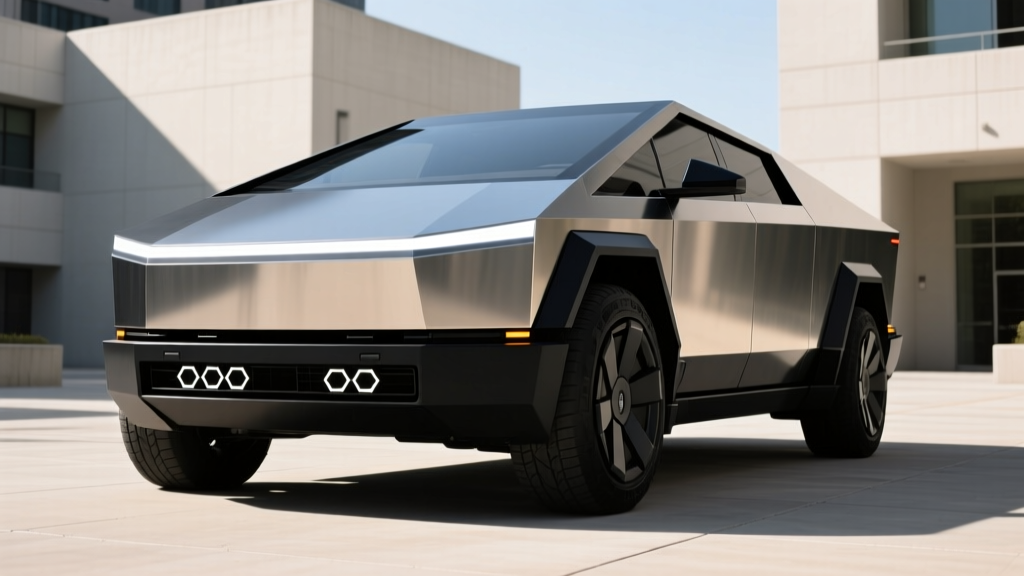
The Rivian wins on range, adventure ecosystem, and build quality perception. The Cybertruck edges on charging speed and bed length. The Lightning undercuts on price but trails in charging and range. If you value the gear tunnel, camp kitchen, and Rivian's Adventure Network for remote-area charging, the R1T has no direct substitute.
What is the real-world range of the Rivian R1T/R1S?
The Max pack's 420-mile EPA estimate drops to approximately 340-360 miles at highway speeds and 280-310 miles in cold Northeast winters. The Standard pack delivers roughly 215-230 real-world highway miles in winter. Plan trips around 80% of the EPA sticker for a safety buffer.
How fast does the Rivian charge at home and on the road?
At home on a 240V Level 2 charger (11.5 kW), expect about 25 miles of range per hour — a full overnight charge from 20% to 100% takes 8-13 hours depending on pack size. On DC fast chargers, the Large/Max packs peak at 220 kW with a 10-80% session in 21-30 minutes. The NACS adapter unlocks Tesla Superchargers at up to 250 kW.
Does the Rivian qualify for the $7,500 federal EV tax credit?
The R1T Standard ($69,900) and Large ($75,900) qualify under the §30D pickup MSRP cap of $80,000. The R1S Standard ($74,900) and Large ($79,900) qualify under the SUV cap. Tri-Motor Max configurations exceed the cap. Buyer income limits ($150K single / $300K joint) and battery sourcing rules also apply — verify on the IRS qualified vehicles list before purchasing.
Is the Rivian Meatpacking Space a dealership?
No. Rivian sells direct-to-consumer. The Meatpacking Space is a brand hub, delivery center, and limited service point. You configure and order your vehicle online, then pick up at Meatpacking (or have it delivered to your driveway in the metro area). There are no negotiated prices — MSRP is fixed.
How does Rivian's warranty compare?
Rivian offers an 8-year/175,000-mile battery and drive unit warranty — significantly more mileage coverage than the industry-standard 8-year/100,000-mile warranty from most competitors. The bumper-to-bumper warranty is 5 years/60,000 miles. Battery replacement cost out of warranty is estimated at $15,000-$25,000 depending on pack size, though Rivian has not published official replacement pricing.