Quick Verdict: The Max Pack Is a Range King With Trade-Offs
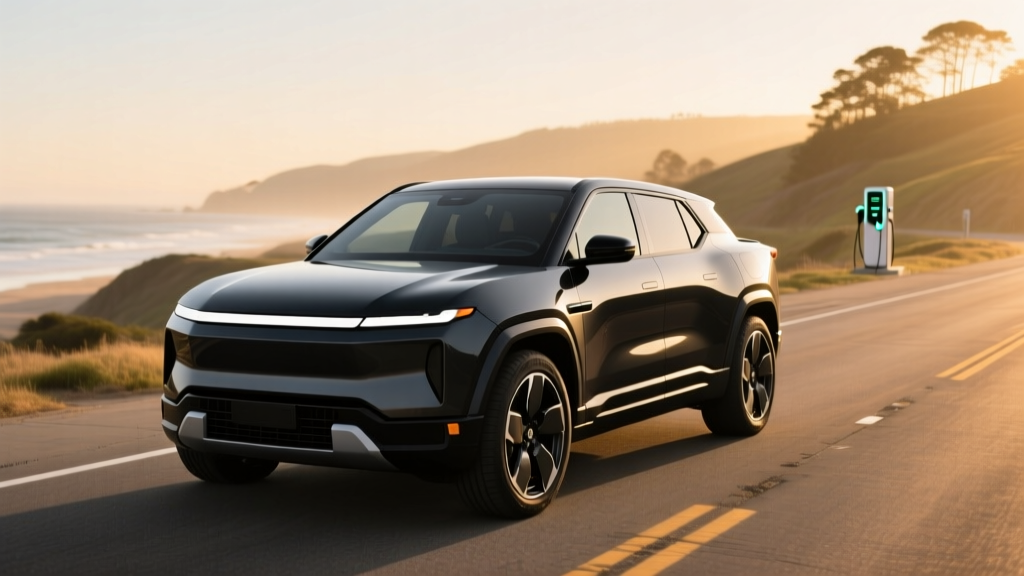
If you're researching the Rivian Max Pack, you're likely chasing one thing: maximum electric range without stepping up to a heavy-duty pickup or sacrificing off-road credibility. For 2026, Rivian continues to offer the Max Pack battery option on both the R1S SUV and R1T truck, pairing a massive 149 kWh usable battery with the Dual-Motor AWD powertrain. The result is an EPA-estimated range up to 410 miles on the R1T and 400 miles on the R1S — figures that place these vehicles among the longest-range EVs on the market.
But range is only part of the ownership equation. The Max Pack adds significant weight, increases cost by roughly $10,000-$11,000 over the Standard battery, and alters charging behavior in ways buyers need to understand before committing. This review breaks down every spec that matters — from real-world highway efficiency to DC fast-charge taper curves — so you can decide if the Max Pack premium is worth it for your driving profile.
Range & Efficiency: EPA Numbers vs. Reality
Real-World Expectation: 340–370 miles highway at 70 mph; 300–330 miles in cold weather (below 32°F) with cabin heating; 380+ miles mixed city driving with regenerative braking.
The 149 kWh usable battery capacity is the largest pack Rivian offers, and it delivers on the sticker promise in moderate conditions. In mixed suburban and city driving where regenerative braking recaptures energy frequently, hitting 380–400 miles before needing a charge is realistic. Highway driving at sustained speeds above 70 mph, however, tells a different story — aerodynamic drag on these tall, boxy vehicles pushes consumption to roughly 42–46 kWh/100mi, cutting effective range to the 340–370 mile corridor.
Cold weather compounds this. Lithium-ion cells lose efficiency below freezing, and cabin heating demands are substantial in a three-row SUV or crew-cab truck. Expect a 15–25% range reduction in sustained sub-freezing temperatures, bringing real-world winter range to approximately 300–330 miles. That's still excellent by EV standards, but it's a meaningful gap from the 410-mile sticker.
Efficiency ratings from fueleconomy.gov place the R1S Dual-Motor Max Pack at approximately 73 MPGe combined (roughly 46 kWh/100mi), while the R1T Max Pack sits slightly lower at around 70 MPGe combined due to its open-bed aerodynamics. These are not class-leading efficiency numbers — the physics of moving 7,000+ pounds with a large frontal area are unavoidable — but they're competitive for the capability offered.
Battery Chemistry, Capacity & Longevity
| Specification | Max Pack Details |
|---|---|
| Usable Battery Capacity | 149 kWh |
| Chemistry | NMC (Nickel Manganese Cobalt) |
| Thermal Management | Active liquid cooling/heating |
| Battery Warranty | 8 years / 175,000 miles (70% capacity retention) |
| Estimated Degradation (Year 5) | ~8–12% based on NMC fleet data |
The Max Pack uses NMC (nickel manganese cobalt) chemistry, which offers higher energy density than LFP (lithium iron phosphate) but follows different charging best practices. Rivian recommends daily charging to 85–90% for NMC packs and reserving 100% charges for road trips — a practice that slows long-term degradation. The 8-year/175,000-mile battery warranty guarantees at least 70% capacity retention, which is competitive with industry standards.
At 149 kWh usable, the Max Pack provides a substantial buffer against degradation. Even with 10% capacity loss over several years, you'd still have roughly 134 kWh of usable capacity — enough for 350+ miles of EPA-rated range. That buffer is one of the strongest arguments for choosing the Max Pack over the Standard or Large battery options if you plan to keep the vehicle beyond five years.
Charging Speed: DC Fast Charge & Home Level 2
| Charging Level | Power / Rate | Time / Miles Added |
|---|---|---|
| DC Fast Charge (Peak) | 220 kW | 10–80% in ~38 minutes |
| DC Fast Charge (Sustained Avg) | ~150–170 kW | 80–100% adds ~20 min (taper) |
| Level 2 Home (11.5 kW / 48A) | 11.5 kW | ~25 miles per hour of charging |
| Level 2 Home (Full 0–100%) | — | ~13–14 hours |
| Level 1 (120V / 12A) | 1.4 kW | ~3 miles per hour |
The Max Pack's 220 kW peak DC fast-charge rate is respectable, but the large battery means total charge time is longer than smaller-pack EVs. The 10–80% session takes approximately 38 minutes at a capable 250+ kW charger (such as Electrify America or Tesla Supercharger stalls with NACS adapters). The charge curve tapers notably above 80% SoC — pushing from 80% to 100% can add another 20 minutes or more, so plan to unplug at 80% during road trips unless you specifically need those final miles.
At home on a Level 2 wall connector (11.5 kW / 48 amps, requiring a 60-amp circuit), the Max Pack gains roughly 25 miles of range per hour. A full 0–100% charge takes 13–14 hours, which means overnight charging easily tops off the battery if you arrive home with 30–50% remaining. For most Max Pack owners, daily driving of 40–80 miles means plugging in every other night is sufficient, and you'll rarely need a full recharge cycle.
Preconditioning matters: Rivian's navigation system will precondition the battery when you route to a DC fast charger, warming or cooling cells to the optimal temperature for maximum charge acceptance. Skipping preconditioning in cold weather can reduce peak charge rates by 30–50%, turning a 38-minute stop into a 55-minute stop. Always navigate to your charger rather than driving there from memory.
Performance & Drivetrain
| Metric | R1S Max Pack | R1T Max Pack |
|---|---|---|
| Drivetrain | Dual-Motor AWD | Dual-Motor AWD |
| Horsepower | 533 hp | 533 hp |
| Torque | 610 lb-ft | 610 lb-ft |
| 0–60 mph | 4.5 seconds | 4.5 seconds |
| Top Speed | 110 mph | 110 mph |
| Max Towing Capacity | 7,700 lbs | 11,000 lbs |
| Curb Weight (approx.) | ~7,150 lbs | ~7,250 lbs |
The Dual-Motor AWD configuration delivers 533 horsepower and 610 lb-ft of torque — more than adequate for merging, passing, and off-road crawling. The 0–60 mph time of 4.5 seconds is genuinely quick for a vehicle weighing over 7,000 pounds, and instant electric torque makes the Max Pack feel lighter than its curb weight suggests in stop-and-go traffic.
For buyers considering the Quad-Motor powertrain instead, note that it's not available with the Max Pack for 2026 — the Quad-Motor is paired with the Large battery (141 kWh) and offers 1,025 hp with a 0–60 time under 3 seconds, at the cost of reduced range. If maximum range is your priority, the Dual-Motor Max Pack is the correct configuration.
Towing with the Max Pack deserves a specific warning: pulling a trailer at highway speeds can cut range by 40–50%. A 7,000-pound trailer behind the R1T Max Pack may reduce effective range to 200–220 miles, requiring careful route planning around DC fast chargers. The Max Pack's range advantage helps here — you'll still have more buffer than a Standard battery R1T — but towing is where EV range limitations are most acute.
Pricing, Tax Credits & Total Cost
| Item | R1S Max Pack | R1T Max Pack |
|---|---|---|
| Base MSRP (Adventure trim) | $100,900 | $95,900 |
| Max Pack Battery Upgrade | Included (Dual-Motor) | Included (Dual-Motor) |
| Destination Fee | $1,800 | $1,800 |
| Federal Tax Credit (§30D) | Up to $7,500* | Up to $7,500* |
| Effective Price (after credit) | ~$95,200 | ~$90,200 |
*Federal tax credit eligibility requires meeting all of the following under IRS §30D:
- MSRP Cap: SUVs (R1S) must be under $80,000 MSRP — the R1S Max Pack exceeds this cap and does NOT qualify for the new-vehicle credit. Trucks (R1T) fall under the $80,000 truck cap for most configurations, but higher trims may exceed it.
- Buyer Income Limits: AGI must not exceed $300,000 (married filing jointly), $225,000 (head of household), or $150,000 (single).
- Battery Sourcing: Critical minerals and battery components must meet phased-in domestic-content thresholds that tighten annually through 2030.
- Point-of-Sale Transfer: Eligible buyers can transfer the credit to the dealer at purchase, reducing the purchase price directly rather than waiting for a tax refund.
Critical note for R1S buyers: Because the R1S is classified as an SUV and most Max Pack configurations exceed the $80,000 MSRP cap, the R1S Max Pack typically does not qualify for the §30D new-vehicle credit. The R1T, classified as a truck, has a higher MSRP cap and may qualify depending on trim and options. Always verify current eligibility on IRS.gov or with a tax professional before relying on the credit in your purchase budget.
If you don't qualify for the federal credit, check your state's incentive programs — California, Colorado, Massachusetts, and several other states offer rebates of $2,500–$7,500 that stack independently of federal rules and may not have the same MSRP restrictions.
Cargo, Passenger Space & Interior
The R1S Max Pack offers three rows of seating for up to seven passengers. Cargo volume measures approximately 104 cu ft with both rear rows folded, 54 cu ft behind the second row, and 18 cu ft behind the third row. Front trunk (frunk) space adds roughly 11 cu ft of secure, weatherproof storage — a major advantage over body-on-frame SUVs that sacrifice this area to an engine.
The R1T Max Pack provides seating for five with a 54-inch bed (4.5 feet) and a 11 cu ft frunk. The gear tunnel — a full-width pass-through storage compartment between the cab and bed — adds 17 cu ft of lockable space that's ideal for skis, fishing rods, or camping gear. Rear-seat legroom is generous at approximately 38 inches, competitive with full-size crew-cab trucks.
Interior materials and build quality are strong for the price point, with standard vegan leather and available upgrades to Nappa leather. The 15.6-inch center touchscreen runs Rivian's proprietary infotainment software, which supports over-the-air updates, integrated trip planning with charger routing, and a built-in Wi-Fi hotspot. Wireless Apple CarPlay and Android Auto are standard.
Driver Assistance & Standout Technology
Rivian's Driver+ system is a Level 2 driver-assist feature. The driver must remain fully engaged, hands on or near the wheel, and eyes on the road at all times. This is NOT self-driving or autonomous operation.
Rivian's Driver+ suite includes adaptive cruise control, lane-centering assist, automatic emergency braking, blind-spot monitoring, and rear cross-traffic alert. Highway driving assist combines adaptive cruise and lane-centering for reduced fatigue on long trips, but it does not support hands-free operation like GM's Super Cruise or Ford's BlueCruise. You must maintain steering input.
Unique Rivian technology features include:
- Electric Tank Turn: Available on Quad-Motor models (not Max Pack Dual-Motor) — allows near-360° pivoting for tight off-road situations.
- Camp Kitchen: Available slide-out induction kitchen system for the R1T gear tunnel.
- Powered Tonneau Cover: Available on R1T with integrated bed lighting.
- Off-Road Modes: Multiple terrain settings that adjust suspension height, throttle response, and traction control.
- Air Suspension: Standard adaptive air suspension with up to 14.4 inches of ground clearance in off-road mode.
- No hands-free highway driving assist (Driver+ requires steering input)
- DC fast-charge speed (220 kW) trails competitors like the Hyundai Ioniq 9 (350 kW peak) and GMC Sierra EV (350 kW)
- Third-row space in R1S is tight for adults on longer trips
- Service center network is still expanding — rural owners may face long tow distances for warranty work
- Software can be occasionally buggy post-OTA updates, though Rivian patches issues quickly
Who Should Buy the Rivian Max Pack?
Choose the Max Pack if:
- You regularly drive 250+ miles between charging opportunities (rural living, remote trailheads, sparse charger corridors)
- You tow occasionally and want maximum range buffer with a trailer attached
- You plan to own the vehicle 7+ years and want a large battery degradation buffer
- You take frequent road trips through regions with limited DC fast-charging infrastructure
Choose the Standard or Large battery instead if:
- Your daily commute is under 60 miles and you charge at home nightly (the Standard 106 kWh pack covers this easily)
- You prioritize acceleration over range (Quad-Motor Large offers 1,025 hp and sub-3-second 0–60)
- Budget is a primary concern — the Max Pack premium of ~$10,000 is substantial
- You primarily drive in urban/suburban areas where the extra 80+ miles of range goes unused
Pros & Cons Summary
Pros
- 410-mile EPA range (R1T) — among the longest of any production EV
- 149 kWh battery provides excellent long-term degradation buffer
- Standard air suspension with adjustable ride height
- Strong off-road capability with dedicated terrain modes
- Generous frunk + gear tunnel (R1T) storage options
- OTA updates continuously add features and refinements
- Competitive 8-year/175,000-mile battery warranty
Cons
- 220 kW peak DC charging trails newer 800V competitors
- Heavy curb weight reduces efficiency (46 kWh/100mi highway)
- R1S Max Pack typically exceeds $80K MSRP cap for federal tax credit
- $10,000+ premium over Standard battery is hard to justify for commuters
- Third-row seating is cramped for adults
- No hands-free driving mode — steering input always required
- Service center availability varies significantly by region
Warranty Coverage
| Coverage Area | Term |
|---|---|
| Basic Vehicle Warranty | 5 years / 60,000 miles |
| Battery Pack | 8 years / 175,000 miles (70% retention) |
| Drive Unit(s) | 8 years / 175,000 miles |
| Corrosion Perforation | 12 years / unlimited miles |
| Roadside Assistance | 5 years / 60,000 miles |
Rivian's battery and powertrain warranty at 8 years / 175,000 miles exceeds the federal minimum of 8 years / 100,000 miles and provides strong peace of mind for a vehicle in this price range. The 70% capacity retention threshold is standard — if your Max Pack drops below ~104 kWh usable within the warranty period, Rivian will repair or replace the battery at no cost.
Frequently Asked Questions
What is the real-world range of the Rivian Max Pack?
The EPA rates the R1T Max Pack at 410 miles and the R1S at 400 miles. In real-world highway driving at 70 mph, expect 340–370 miles. In cold weather below freezing, plan for 300–330 miles. City driving with regenerative braking can approach or match the EPA sticker.
How fast does the Max Pack charge at home and on the road?
On a DC fast charger, the Max Pack peaks at 220 kW, reaching 10–80% in approximately 38 minutes. At home on a Level 2 wall connector (11.5 kW), you gain about 25 miles per hour, with a full charge taking 13–14 hours. Level 1 (120V) adds only about 3 miles per hour and is impractical for daily use on a battery this large.
Does the Rivian Max Pack qualify for the federal EV tax credit?
It depends on the model and configuration. The R1T (classified as a truck) may qualify for up to $7,500 under IRS §30D if your income is within limits and the battery meets domestic sourcing requirements. The R1S (classified as an SUV) typically exceeds the $80,000 MSRP cap in Max Pack configurations and usually does not qualify. Verify current rules at IRS.gov.
Is the Max Pack worth it over the Standard or Large battery?
If you regularly drive routes with limited charging infrastructure, tow trailers, or plan to keep the vehicle for many years (benefiting from the degradation buffer), the Max Pack's $10,000+ premium is justified. If your daily driving is under 60 miles with reliable home charging, the Standard battery saves money and weight without practical range sacrifice.
How does the Max Pack compare to competitors like the F-150 Lightning Extended Range?
The F-150 Lightning Extended Range offers approximately 320 miles of EPA range with a 131 kWh pack, making the Rivian Max Pack significantly longer-range. However, the F-150 Lightning typically starts at a lower price point and has a more established dealer/service network. The GMC Sierra EV Denali Edition 1 offers up to 440 miles but at a substantially higher starting price (~$99,495). The Max Pack occupies a strong middle ground for range-per-dollar in the electric truck segment.
Can I use Tesla Superchargers with a Rivian Max Pack?
Yes. Rivian provides a NACS (North American Charging Standard) adapter for all vehicles, enabling access to Tesla's Supercharger network. As of 2026, Rivian also offers native NACS charge ports on new vehicles. Supercharger access significantly expands your DC fast-charging options, especially in rural corridors where Electrify America coverage may be sparse.