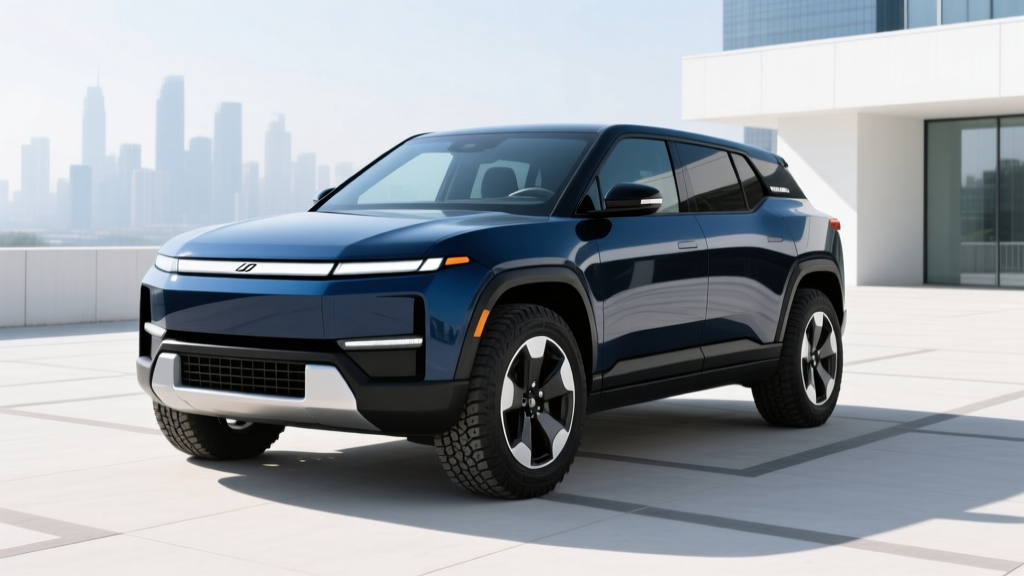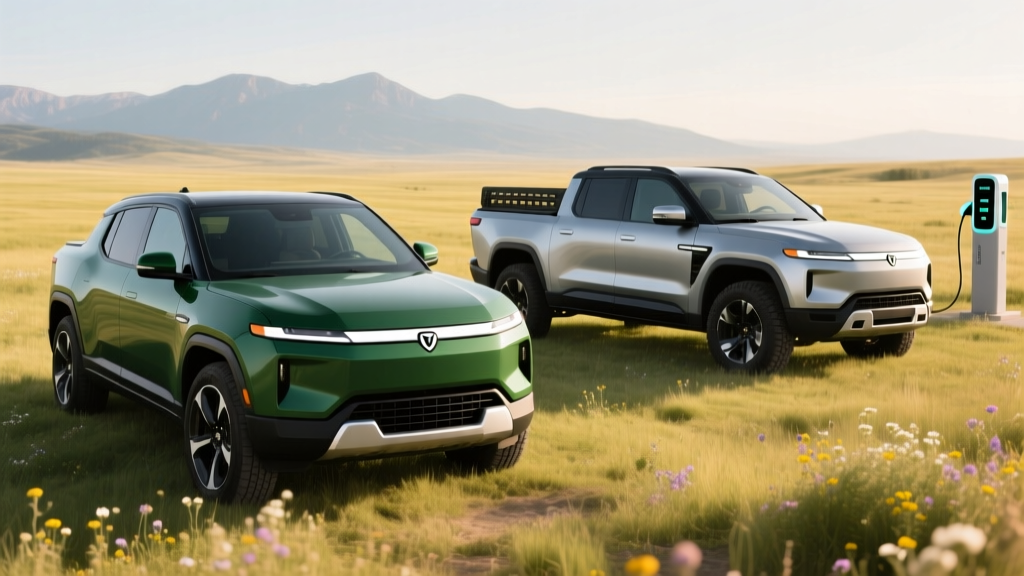
If you've been tracking the electric truck and SUV market, you've likely noticed that the Rivian lease offer has become one of the most compelling entry points into premium electric adventure vehicles. With the refreshed 2026 R1S (three-row SUV) and R1T (pickup truck) now featuring Rivian's in-house Gen 2 drive units and the newly introduced Standard battery pack, the math on leasing versus buying has shifted significantly.
This guide dissects exactly what you're getting — from real-world range and DC fast-charging curves to federal tax credit pass-through mechanics — so you can evaluate whether a Rivian lease makes sense for your driving profile and budget.
2026 Rivian R1S and R1T: Quick Spec Overview
Before we get into lease economics, here's the hardware you're signing up for. Rivian now offers three battery configurations across both the R1S and R1T, all riding on the updated Gen 2 platform with improved efficiency and serviceability.
| Spec | R1S (SUV) | R1T (Truck) |
|---|---|---|
| EPA Range | 270 miles | 270 miles |
| Battery Capacity (usable) | 92 kWh (LFP) | 92 kWh (LFP) |
| Drivetrain | Dual-Motor AWD | Dual-Motor AWD |
| Horsepower | 533 hp | 533 hp |
| 0–60 mph | 4.5 sec | 4.5 sec |
| Max DC Fast Charge | 200 kW (peak) | 200 kW (peak) |
| 10–80% DC Charge Time | ~30 min | ~30 min |
| Level 2 Home Charging | 11.5 kW (~25 mi/hr) | 11.5 kW (~25 mi/hr) |
| MPGe (combined) | 73 MPGe | 70 MPGe |
| Efficiency | 46 kWh/100 mi | 48 kWh/100 mi |
| Towing Capacity | 7,700 lbs | 11,000 lbs |
| Base MSRP | $75,900 | $69,900 |
Source: fueleconomy.gov and Rivian official specifications. Higher trims (Large, Max) offer up to 420 miles EPA with NMC chemistry.
Real-World Range: What the EPA Sticker Doesn't Tell You
EPA Estimate: 270 miles (Standard Pack Dual-Motor)
Real-World Highway (70 mph, mild weather): ~230–245 miles
Cold Weather (below 32°F, mixed driving): ~190–215 miles
Towing (R1T, 5,000-lb trailer): ~130–150 miles
The 270-mile EPA figure on the Standard Pack is achievable in city and suburban driving where regenerative braking recovers energy frequently. However, the R1S and R1T are large, heavy vehicles with the aerodynamic profile of, well, a truck and a three-row SUV. At sustained highway speeds above 70 mph, expect to lose roughly 10–15% from the EPA sticker.
Cold weather compounds this. Rivian's heat pump (standard on 2026 models) helps mitigate cabin heating draw, but battery chemistry itself becomes less efficient below freezing. LFP batteries, which Rivian uses in the Standard Pack, are particularly sensitive to cold-weather range loss compared to NMC. Plan for 25–30% reduction in deep winter conditions if you live in the upper Midwest or Northeast.
If range is a priority, the Max Pack (149 kWh usable, NMC chemistry) pushes the R1S to an EPA-estimated 410 miles and the R1T to 420 miles — but adds roughly $10,000–$15,000 to the price and significant weight.
Charging Speed and Infrastructure: The NACS Advantage
For 2026, all Rivian vehicles ship with the NACS (North American Charging Standard) port natively, meaning direct access to Tesla's Supercharger network — currently the most reliable DC fast-charging infrastructure in the U.S. — without an adapter.
| Charging Level | Power (kW) | Speed (miles/hr added) | Notes |
|---|---|---|---|
| Level 1 (120V household) | 1.4 kW | ~3 mi/hr | Emergency/top-off only |
| Level 2 (240V home, 48A) | 11.5 kW | ~25 mi/hr | Full charge overnight (~10 hrs) |
| DC Fast (Standard Pack) | 200 kW peak | ~550 mi/hr (peak) | 10–80% in ~30 min; tapers above 80% |
| DC Fast (Max Pack, NMC) | 220 kW peak | ~600 mi/hr (peak) | 10–80% in ~35 min (larger battery) |
A critical nuance: the 200 kW peak on the Standard Pack is just that — a peak. The charging curve holds near maximum rate between roughly 10% and 40% State of Charge (SoC), then progressively tapers. Your 10–80% time of approximately 30 minutes assumes you've preconditioned the battery (Rivian does this automatically when you navigate to a charger). Without preconditioning, especially in cold weather, peak rates may be limited to 80–120 kW until the pack warms up.
For home charging, Rivian's Wall Connector or any quality Level 2 station on a 60A circuit (48A continuous) will replenish the Standard Pack from empty in about 10 hours — practical for overnight charging. Budget $800–$2,500 for professional Level 2 installation depending on your panel capacity and run distance, per U.S. Department of Energy guidance.
Breaking Down the Rivian Lease Offer: Pricing and Monthly Costs
Rivian's lease structure is typically offered through partner financial institutions. The attractiveness of any Rivian lease offer depends on the money factor (lease interest rate), residual value, and whether the federal tax credit is applied as a capitalized cost reduction.
| Model / Trim | MSRP | Est. Monthly Lease | Due at Signing | Federal Credit Applied? |
|---|---|---|---|---|
| R1T Dual-Motor Standard | $69,900 | $749–$849 | $3,500–$5,500 | Varies — see below |
| R1S Dual-Motor Standard | $75,900 | $849–$949 | $4,000–$6,000 | Varies — see below |
| R1T Dual-Motor Large | $82,900 | $949–$1,099 | $5,000–$7,000 | Eligible if income/MSRP caps met |
| R1S Dual-Motor Max | $99,900 | $1,199–$1,399 | $7,500–$10,000 | MSRP exceeds SUV cap — ineligible |
Lease estimates are illustrative based on typical money factors and residuals for this vehicle class. Actual offers vary by region, credit tier, and dealer inventory. Always request a full lease breakdown showing money factor, residual percentage, and all fees.
Federal Tax Credit Eligibility on a Rivian Lease
The federal EV tax credit under IRS §30D is a critical variable. Here's where leasing gets interesting: under current IRS rules, when you lease (rather than buy), the credit technically goes to the lessor (the financing company). However, most EV lessors pass the $7,500 credit through as a capitalized cost reduction, effectively lowering your monthly payment.
- MSRP Cap: Vans/SUVs must be ≤$80,000; pickups/sedans ≤$55,000. The R1T (truck classification) is capped at $55,000 MSRP — meaning no R1T trim qualifies at current pricing. The R1S (SUV classification) is capped at $80,000 — only Standard and some Large trims qualify.
- Buyer Income Cap: Modified AGI ≤$150,000 (single), ≤$225,000 (head of household), ≤$300,000 (joint).
- Battery Sourcing: Critical minerals and battery components must meet escalating domestic/free-trade-agreement thresholds. Rivian has been working to qualify, but verify current-year status on IRS.gov.
- Point-of-Sale Transfer: If buying, you can transfer the credit to the dealer for an immediate price reduction. On a lease, it flows through the lessor.
Tax rules are subject to change. Consult a tax professional before relying on credit eligibility. Verify current sourcing compliance at irs.gov.
The practical upshot: if you're leasing an R1S Standard or qualifying Large trim, and your income falls within caps, the $7,500 credit may reduce your effective lease cost by roughly $200–$220/month over a 36-month term. The R1T, classified as a pickup with a $55,000 MSRP cap, currently does not qualify at any trim level.
Performance, Tech, and Daily Livability
Rivian's Gen 2 dual-motor powertrain delivers 533 horsepower and 610 lb-ft of torque in the Standard configuration, enough for a 4.5-second 0–60 mph run. The quad-motor variants (available on Adventure trims) push output to 1,025 hp and a 2.5-second sprint, but at a significant price and efficiency penalty.
The 2026 infotainment system runs on a 15.6-inch center display with native integration for route planning that accounts for charging stops, elevation changes, and weather. Rivian's Driver+ system provides SAE Level 2 driver assistance with adaptive cruise and lane centering on highways — it is not a self-driving system and requires continuous driver supervision.
Rivian Driver+ is a hands-on, eyes-on driver-assist system. It does not replace an attentive driver. You are responsible for steering inputs, braking, and monitoring traffic at all times. This is comparable to Tesla Autopilot, Ford BlueCruise, and GM Super Cruise in automation level — not to Waymo's Level 4 robotaxi service.
Cargo and passenger space is a genuine Rivian advantage. The R1S offers 104.7 cu ft of total cargo volume (all rows folded) and seats up to seven. The R1T provides a 4.5-foot bed with a unique Gear Tunnel (11.7 cu ft of lockable, pass-through storage behind the cab) that no competitor matches. Rear-seat legroom in both vehicles exceeds 38 inches — comfortable for adults on long trips.
Warranty Coverage and Long-Term Battery Outlook
Rivian backs the R1S and R1T with a 5-year/60,000-mile bumper-to-bumper warranty and an 8-year/175,000-mile battery and drive unit warranty. The battery warranty guarantees the pack will retain at least 70% of its original capacity during the coverage period — a relatively generous retention threshold compared to the industry-standard 70% at 100,000 miles.
The LFP chemistry in the Standard Pack is notable for longevity: LFP cells typically endure 3,000+ full charge cycles with minimal degradation, compared to roughly 1,000–2,000 cycles for NMC. This means the Standard Pack may actually outlast the NMC-equipped Max Pack in terms of cycle life, even though it holds less energy. For lease holders on a 36-month term, degradation is unlikely to be a practical concern regardless of chemistry.
Pros and Cons: The Honest Assessment
- NACS port = native Supercharger access (best-in-class charging network)
- Best-in-class off-road capability with air suspension and tank turns (quad-motor)
- R1T Gear Tunnel is genuinely innovative and useful
- Over-the-air updates continuously add features
- LFP Standard Pack offers excellent cycle life for long-term owners
- Strong build quality on Gen 2 vehicles (significant improvement over 2022–2023)
- R1T does not qualify for §30D credit (MSRP exceeds $55K truck cap)
- Real-world highway range falls 10–15% short of EPA, especially in cold
- Service center network still limited outside major metro areas
- Insurance premiums run 15–30% higher than comparable ICE vehicles
- Standard Pack LFP charges slower in cold weather without preconditioning
- Third-row seat in R1S is tight for adults (best for children)
Who Should Lease a Rivian in 2026?
Choose a Rivian lease if:
- You want an electric adventure vehicle with genuine off-road and towing capability (R1T's 11,000-lb rating leads the segment)
- You have reliable home Level 2 charging and want to avoid long-term battery depreciation risk
- You value NACS/Supercharger access for road trips without adapter hassle
- You need three rows (R1S) or a truck bed (R1T) and find the Tesla Model X or Cybertruck lacking in practicality
Look elsewhere if:
- Your budget is under $65,000 — consider the Hyundai Ioniq 5, Ford Mustang Mach-E, or Chevrolet Equinox EV
- You need maximum highway range and don't want to upgrade to the Max Pack — the Hyundai Ioniq 5 (310+ mi EPA) or Tesla Model Y (320+ mi) are more efficient
- You live far from a Rivian service center and can't tolerate potential mobile-service wait times
- Tax credit eligibility is a dealbreaker and you're set on the R1T (it doesn't qualify at current pricing)
Frequently Asked Questions
What is the real-world range of the Rivian R1S and R1T?
The Standard Pack carries a 270-mile EPA estimate. In real-world highway driving at 70 mph in moderate temperatures, expect 230–245 miles. In cold weather (below freezing), plan for 190–215 miles. The Max Pack pushes this to an EPA-estimated 410–420 miles with more highway buffer, though cold-weather losses still apply.
How fast does a Rivian charge at home and on the road?
On a Level 2 home charger (11.5 kW / 48A), you'll add roughly 25 miles of range per hour — a full Standard Pack charge takes about 10 hours overnight. On DC fast chargers, the Standard Pack peaks at 200 kW and charges from 10–80% in approximately 30 minutes with proper battery preconditioning. All 2026 Rivians use the NACS connector natively, granting direct Tesla Supercharger access.
Does the Rivian R1T or R1S qualify for the $7,500 federal tax credit?
It depends on the model and trim. The R1S (classified as an SUV, $80,000 MSRP cap) qualifies in Standard and some Large trims, subject to buyer income limits and battery sourcing requirements. The R1T (classified as a pickup, $55,000 MSRP cap) does not qualify at any current trim level because all MSRPs exceed $55,000. On a lease, the credit flows to the lessor but is typically passed through as a capitalized cost reduction. Always verify current eligibility on IRS.gov.
Is leasing a Rivian better than buying?
Leasing makes sense if you want to mitigate depreciation risk (EVs have seen volatile resale values), upgrade to newer battery technology in 3 years, and benefit from the lessor passing through the $7,500 credit as a cap-cost reduction. Buying makes sense if you plan to keep the vehicle 7+ years, drive high annual miles (leases typically cap at 10K–15K/yr), and want to build equity. Run the numbers on both with your specific credit tier and local incentives.
What are the biggest Rivian competitors?
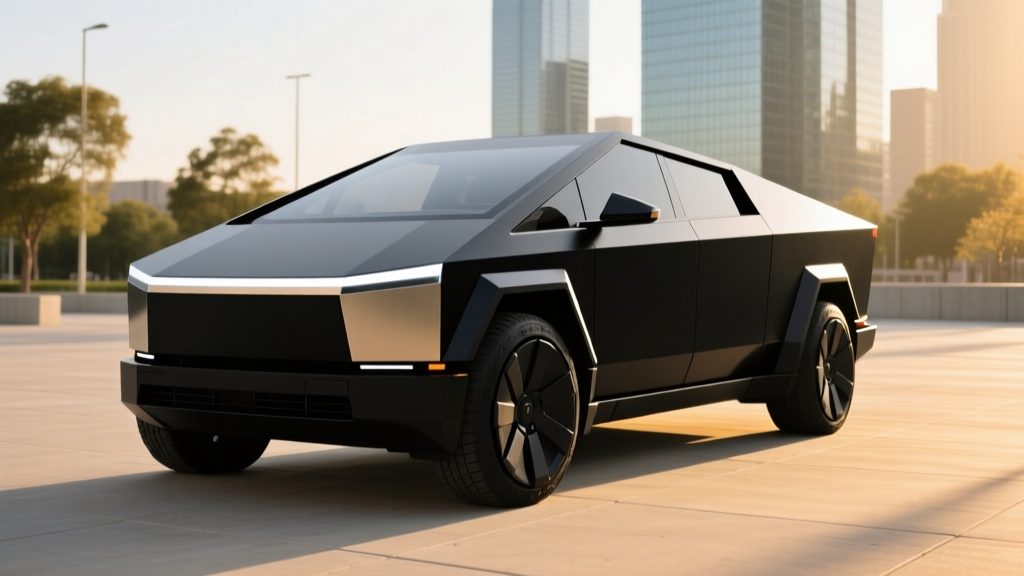
For the R1T, direct competitors include the Ford F-150 Lightning (lower price, less off-road capability), Chevrolet Silverado EV (larger bed options), and Tesla Cybertruck (polarizing design, stainless steel body). For the R1S, the Tesla Model X, Kia EV9, and Cadillac Escalade IQ are the closest comparisons. The Rivian differentiates with off-road hardware, the Gear Tunnel (R1T), and overall build quality that has improved markedly with Gen 2.
How reliable are Rivian vehicles?
Rivian's 2026 Gen 2 vehicles have shown improved reliability over the 2022–2023 launch models, which had documented issues with panel gaps, software glitches, and drive-unit noise. The company has reduced parts count significantly in Gen 2 (fewer drive-unit components, simplified wiring harness). However, Rivian's service center footprint remains smaller than legacy automakers — check for a service center or mobile service availability in your area before committing.