What Is the Rivian Electric Refresh Offer?
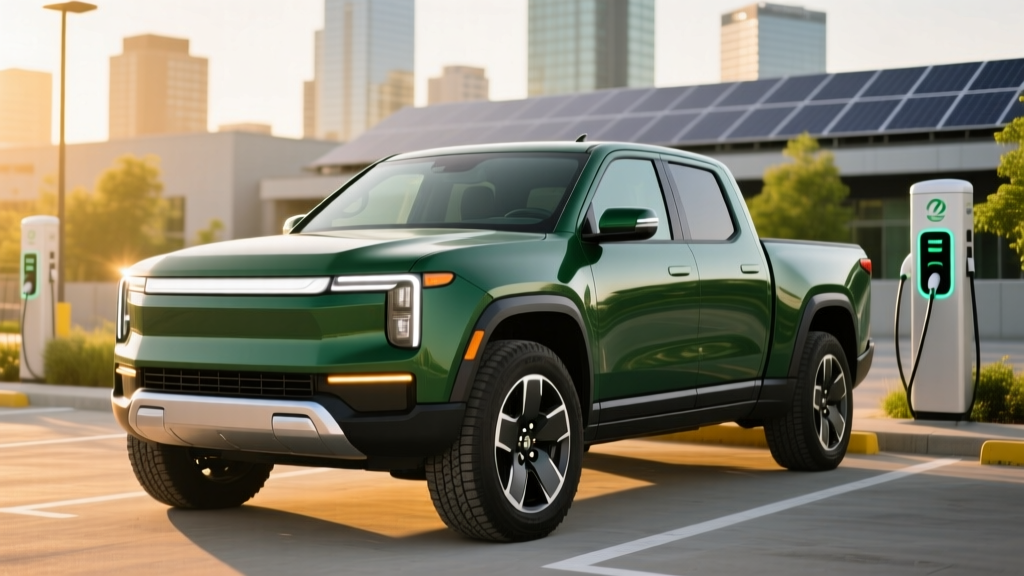
If you've been following Rivian's owner forums or scanning your inbox for update notifications, you've likely encountered the phrase Rivian electric refresh offer — and with good reason. For 2026, Rivian has formalized a structured upgrade pathway aimed at early Gen 1 R1T and R1S owners (model years 2022–2024) who want to transition to the significantly re-engineered Gen 2 platform without starting from scratch on a brand-new order.
The program isn't a traditional trade-in. It's a loyalty incentive that pairs guaranteed minimum trade values for qualifying Gen 1 vehicles with priority build-slot access and, in some configurations, a complimentary software or accessory bundle on the new Gen 2 order. Think of it as Rivian's answer to the depreciation concerns that plague early-adopter EV owners.
Below, we break down what the Gen 2 R1T and R1S actually deliver in 2026 — range, charging, performance, tech, and pricing — so you can decide whether the refresh offer makes financial sense for your situation.
2026 Gen 2 R1T and R1S: The Core Specs
The Gen 2 platform introduced for the 2025 model year and carried into 2026 represents a ground-up rework of Rivian's electric truck and SUV. The tri-motor and dual-motor powertrains are new, the electrical architecture has moved to a zonal design, and the battery packs use updated cell chemistry for better energy density and thermal management.
| Spec | Dual-Motor Standard | Dual-Motor Max | Tri-Motor Max |
|---|---|---|---|
| EPA Est. Range | 270 mi | 420 mi | 380 mi |
| Battery (usable) | 92 kWh (NMC) | 141 kWh (NMC) | 141 kWh (NMC) |
| Horsepower | 533 hp | 533 hp | 850 hp |
| 0–60 mph | 4.5 sec | 4.5 sec | 2.9 sec |
| Max DC Fast Charge | 200 kW | 220 kW | 220 kW |
| 10–80% DCFC Time | ~28 min | ~30 min | ~30 min |
| Level 2 Home Rate | 11.5 kW (~30 mi/hr) | 11.5 kW (~30 mi/hr) | 11.5 kW (~30 mi/hr) |
| Drivetrain | AWD (dual-motor) | AWD (dual-motor) | AWD (tri-motor) |
| Towing Capacity | 11,000 lb | 11,000 lb | 11,000 lb |
| Base MSRP (R1T) | $69,900 | $83,900 | $99,900 |
| Base MSRP (R1S) | $74,900 | $88,900 | $104,900 |
Real-World Range: What to Actually Expect
The 420-mile Max Pack EPA figure is among the highest of any production EV sold in the US. However, real-world results depend heavily on driving conditions:
• Highway (70–80 mph, moderate weather): Expect ~340–370 miles on the Max Pack; ~220–240 on the Standard Pack.
• Cold weather (below 30°F): Plan for 20–30% reduction. The Max Pack drops to roughly 290–335 miles; the Standard to ~190–215 miles.
• Towing (5,000+ lb trailer): Range roughly halves — plan for 180–210 miles on the Max Pack before needing a charge stop.
The tri-motor Max sacrifices ~40 miles of EPA range versus the dual-motor Max due to the added weight and power draw of the third motor, but delivers dramatically quicker acceleration.
Rivian's thermal management system in Gen 2 is noticeably improved over Gen 1. The heat pump is standard across all trims, which mitigates cold-weather cabin energy draw. In our experience, preconditioning the battery before a DC fast-charge stop is essential — skip it and your peak charge rate may be capped at 120–140 kW instead of the rated 220 kW, adding 10–15 minutes to your stop.
Charging Speed and Infrastructure
Charging speed remains a top concern for truck buyers planning road trips or towing. Here's what Gen 2 delivers across charging levels:
| Charging Level | Power (kW) | Miles Added per Hour | Notes |
|---|---|---|---|
| Level 1 (120V outlet) | ~1.4 kW | ~3–4 mi/hr | Emergency/trickle only |
| Level 2 (240V, 48A home) | 11.5 kW | ~30 mi/hr | Full charge in ~12–13 hrs |
| DC Fast Charge (peak) | 220 kW | — | 10–80% in ~30 min |
| DC Fast Charge (sustained avg 10–80%) | ~165 kW avg | — | Charge curve tapers above 60% SoC |
The 220 kW peak rate on the Max Pack is competitive, though it trails the 350 kW capability of some Hyundai/Kia E-GMP vehicles. The critical number for road-trip planning is the sustained average — Rivian's charge curve holds near peak through about 40–50% State of Charge (SoC), then progressively tapers. A 10–80% session takes roughly 30 minutes at a capable 350 kW station (such as Electrify America or Tesla Supercharger V4 stalls via the NACS adapter).
Rivian vehicles built for 2026 ship with the NACS (North American Charging Standard) port natively, giving direct access to the Tesla Supercharger network — over 20,000 stalls in the US. This is a significant practical advantage over CCS-only vehicles, which still face sparser public charging coverage in many regions. For home charging, a 48-amp Level 2 wall connector on a 60-amp circuit is the recommended setup; expect $800–$2,500 for professional installation depending on panel capacity and run distance.
Performance, Tech, and Daily Livability
The tri-motor R1T is a 2.9-second 0–60 vehicle that also tows 11,000 pounds and wades through 3 feet of water. That combination is genuinely unique in the market. The dual-motor models sacrifice the headline acceleration but remain quick (4.5 seconds) and offer a smoother power delivery that's better suited to daily commuting and family hauling.
Gen 2 introduced a redesigned interior with a 15.6-inch center display, a new 12.3-inch driver cluster, and Rivian's latest software stack. The Rivian Autopilot suite includes adaptive cruise, lane centering, and automatic lane changes on divided highways. Important clarity: this is an SAE Level 2 driver-assistance system — the driver must remain attentive with hands on or near the wheel at all times. It is not autonomous driving.
Rivian's driver-assistance features (adaptive cruise, lane centering, highway assist) are SAE Level 2. You are the driver. The system assists but does not replace you. Eyes on the road, hands ready to intervene. This applies to all current consumer vehicles — only Waymo-style robotaxi services operate at Level 4 without a human driver.
Cargo and passenger space (R1T Gen 2):
- Bed length: 4.5 ft (54 in) with gate closed; extends with mid-gate open
- Frunk (front trunk): 11 cu ft — sealed, drainable, with a 120V outlet
- Gear Tunnel (R1T only): 11.6 cu ft pass-through storage behind the cab
- Rear legroom: 38.2 inches (crew cab)
- R1S cargo (behind 3rd row): 10.4 cu ft; behind 2nd row: 46.7 cu ft; max: 104.7 cu ft
Efficiency: The Dual-Motor Max Pack R1T achieves an EPA-rated 73 MPGe combined (approximately 46 kWh per 100 miles). The Tri-Motor drops to roughly 67 MPGe combined due to the additional motor and weight. For context, that translates to an electricity cost of roughly $0.06–$0.08 per mile at the national average residential rate of ~$0.16/kWh — roughly one-third the per-mile fuel cost of a comparable gas truck getting 18 mpg.
Pricing, Trims, and the Federal Tax Credit
The refresh offer's value proposition hinges on the gap between your Gen 1 trade value and the Gen 2 purchase price. Here's the 2026 MSRP landscape:
| Configuration | Base MSRP (R1T) | §30D Credit Eligible? | Est. After-Credit Price |
|---|---|---|---|
| Dual-Motor Standard Pack | $69,900 | Yes (if under MSRP cap & income limits met) | ~$62,400 |
| Dual-Motor Max Pack | $83,900 | No — exceeds $80,000 truck MSRP cap | $83,900 |
| Tri-Motor Max Pack | $99,900 | No — exceeds $80,000 truck MSRP cap | $99,900 |
Under current IRS §30D rules, the federal EV tax credit provides up to $7,500 for qualifying new EVs. However, eligibility is constrained by several requirements:
- MSRP cap: Trucks, SUVs, and vans must have an MSRP of $80,000 or less. This means only the Dual-Motor Standard Pack R1T ($69,900) qualifies. The Max Pack and Tri-Motor trims exceed the cap.
- Buyer income cap: Modified adjusted gross income (MAGI) must not exceed $150,000 (single), $225,000 (head of household), or $300,000 (joint filers).
- Battery sourcing: A percentage of critical minerals and battery components must be sourced from the US or free-trade-agreement countries. Rivian's current sourcing for the Standard Pack meets the partial-credit threshold; full $7,500 eligibility depends on the specific build's supply chain documentation at time of delivery.
- Point-of-sale transfer: The credit can be applied at purchase as a down-payment reduction through a registered dealer, rather than waiting for a tax refund.
For the latest rules, consult IRS.gov's clean vehicle credit page or speak with a tax professional before committing to an order.
How the Refresh Offer Actually Works
The Rivian electric refresh offer, as structured for 2026, includes the following components for eligible Gen 1 owners:
- Guaranteed minimum trade-in value: Rivian provides a floor value for your 2022–2024 R1T or R1S based on mileage and condition. This floor is typically above what third-party dealers (Carvana, CarMax) offer for Gen 1 vehicles, which have seen accelerated depreciation as Gen 2 inventory arrived.
- Priority build slot: Refresh-offer participants are placed in a prioritized queue, reducing the typical 4–8 month build wait to approximately 2–3 months for popular configurations.
- Loyalty accessory credit: A $1,500–$2,500 credit toward Rivian accessories (camp kitchen, crossbars, tonneau cover) on the new Gen 2 order.
- Complimentary software trial: Extended access to Rivian's premium connectivity and driver-assist features for the first 12 months.
The offer is extended directly to registered owners via the Rivian app and email. Eligibility requires that the Gen 1 vehicle be titled in the owner's name for at least 12 months and have fewer than 60,000 miles. The program is not combinable with certain other promotional discounts, and the trade-in value is applied as a capital cost reduction — it does not affect §30D credit eligibility, which is calculated on the new vehicle's MSRP independently.
Pros and Cons at a Glance
- Class-leading 420-mi EPA range (Max Pack)
- Native NACS port — full Supercharger access
- Unique Gear Tunnel and drainable frunk
- 11,000-lb towing with integrated trailer tech
- Tri-motor performance (2.9 sec 0–60) in a full-size truck
- Over-the-air updates continue to add features
- Strong off-road capability (quad-motor mode, tank turns on tri-motor)
- Only base Standard Pack qualifies for §30D credit
- Tri-motor Max Pack approaches $100K before options
- 54-inch bed is shorter than conventional pickups
- Charging curve tapers noticeably above 60% SoC
- Service center network still expanding — wait times in some regions
- Third row in R1S is tight for adults on long trips
- Regenerative braking is not true one-pedal at low speeds
Who Should Use the Refresh Offer — And Who Should Skip It
The refresh offer makes strongest financial sense for Gen 1 owners who:
- Purchased a 2022 or 2023 R1T/R1S and are seeing trade values erode as Gen 2 inventory builds.
- Want the NACS native port and improved charge rates without waiting for a CCS-to-NACS adapter workaround.
- Regularly tow or road-trip and need the Max Pack's 420-mile range.
- Can apply the trade equity to a Standard Pack trim and still capture the $7,500 federal credit.
Consider holding your Gen 1 vehicle if:
- You bought a Launch Edition or well-equipped 2024 model with low miles — the guaranteed trade floor may not beat a private-party sale.
- Your driving is mostly local and your current range is adequate.
- You're not prepared to spend $70K+ after trade credit on the new vehicle.
Frequently Asked Questions
What is the real-world range of the 2026 Rivian R1T Gen 2?
The EPA estimates 420 miles for the Dual-Motor Max Pack, 270 miles for the Standard Pack, and 380 miles for the Tri-Motor Max. In real-world highway driving at 70–80 mph, expect roughly 340–370 miles (Max), 220–240 (Standard), and 310–340 (Tri-Motor). Cold weather below freezing reduces these figures by 20–30%, and towing a heavy trailer can cut range roughly in half.
How fast does the Gen 2 R1T charge at home and on the road?
On a 240V Level 2 home charger at 48 amps (11.5 kW), the R1T adds about 30 miles of range per hour — a full overnight charge from 20% to 100% takes roughly 10–12 hours. On DC fast chargers, the Max Pack peaks at 220 kW and charges from 10–80% in approximately 30 minutes. The Standard Pack peaks at 200 kW with a similar 10–80% time of around 28 minutes. Sustained average rates are lower due to charge-curve taper above 60% SoC.
Does the 2026 Rivian R1T qualify for the $7,500 federal EV tax credit?
Only the Dual-Motor Standard Pack R1T (MSRP $69,900) falls under the $80,000 MSRP cap for trucks under IRS §30D. The Max Pack ($83,900) and Tri-Motor ($99,900) exceed the cap and are ineligible regardless of buyer income. Even for the Standard Pack, you must meet income limits ($150K single / $300K joint) and the vehicle's battery must meet critical-mineral and component-sourcing thresholds. Check IRS.gov for current-year rules and consult a tax professional.
Is the Gen 2 R1T worth buying versus the Ford F-150 Lightning or Chevy Silverado EV?
It depends on your priorities. The R1T Gen 2 Max Pack offers more EPA range (420 mi) than any current F-150 Lightning configuration and significantly more than the Silverado EV's available trims. The R1T is also more compact (shorter wheelbase, 54-inch bed), making it better for trail use and urban parking but less suited to full-sheet-plywood hauling. The F-150 Lightning offers a larger bed (66 in), Pro Power Onboard, and a lower entry price. The Silverado EV targets fleet and work-truck buyers with a massive 400+ mile range on its top trim. For adventure-oriented use and premium build quality, the R1T leads; for pure work-truck utility, the Lightning and Silverado EV are strong alternatives.
What are the biggest drawbacks of the refresh offer?
The main limitation is that the guaranteed trade-in floor may not match private-party values for low-mileage, well-equipped Gen 1 vehicles. Additionally, the most desirable Gen 2 configurations (Max Pack, Tri-Motor) don't qualify for the federal tax credit, which narrows the financial upside. Finally, the accessory credit and software trial are modest perks — they shouldn't be the primary reason to participate.
What battery chemistry does the Gen 2 R1T use, and what's the warranty?
The Gen 2 R1T uses NMC (nickel manganese cobalt) lithium-ion cells across all pack sizes. NMC offers higher energy density than LFP, which is why it's used in long-range applications like the 141 kWh Max Pack. Rivian's battery and powertrain warranty covers 8 years or 175,000 miles (whichever comes first), with a capacity retention threshold of 70% of original capacity during the warranty period. This is competitive with and in some cases exceeds the industry standard of 8 years/100,000 miles. See Rivian's official R1T page for full warranty documentation.