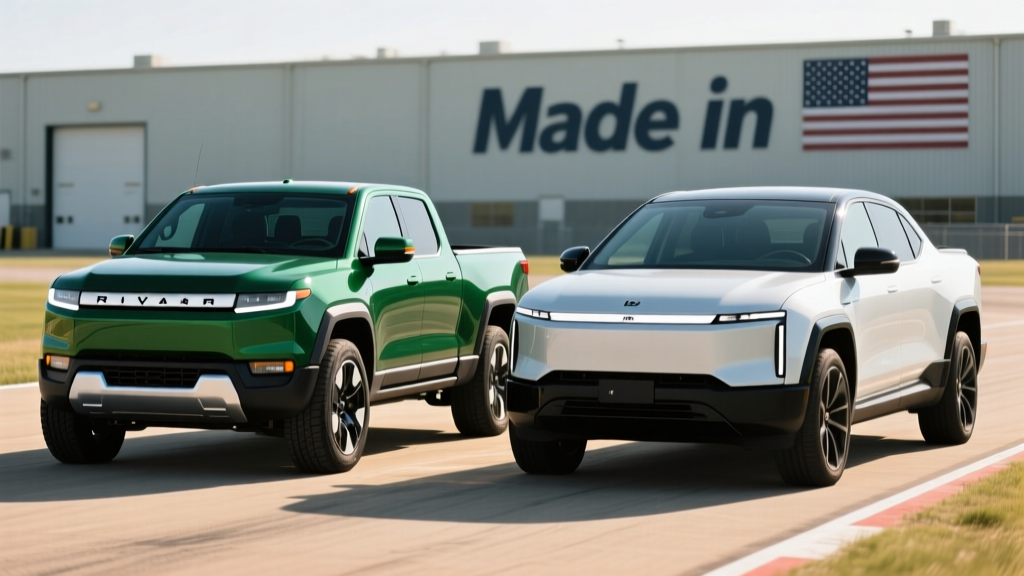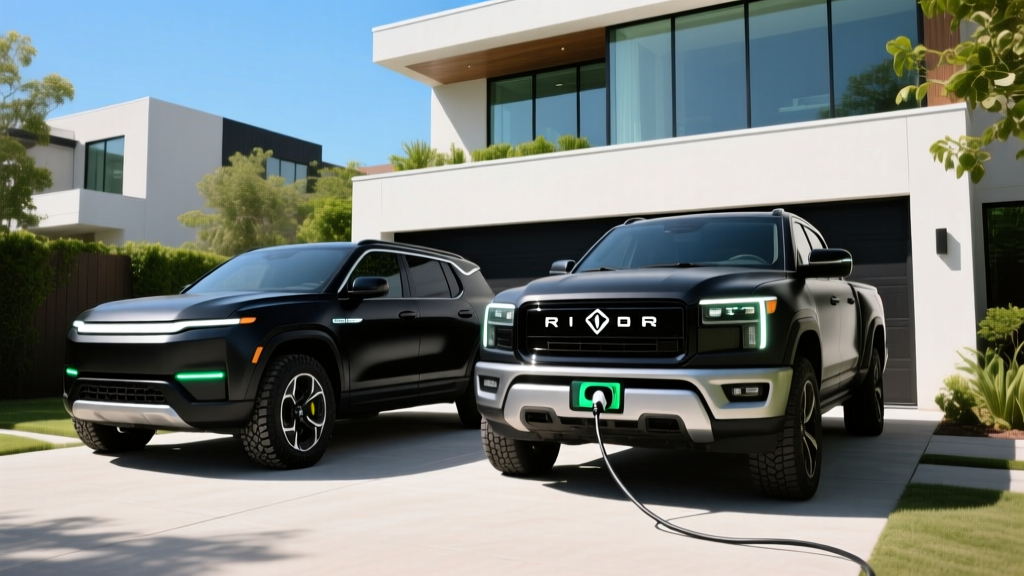
Rivian's Q2 2026 delivery numbers landed below analyst expectations, prompting headlines about slowing demand and production headwinds. But for buyers actually researching the R1S SUV and R1T truck, the more important question isn't quarterly volume — it's whether these vehicles still deliver class-leading capability, range, and value in an increasingly crowded electric truck and SUV market.
This review cuts through the delivery-headline noise to give you the exact specs, real-world range data, charging performance, pricing, and ownership economics you need to make an informed decision about the 2026 Rivian R1S and R1T. Whether the delivery dip signals a buying opportunity or a caution flag depends on your use case.
Why Rivian Deliveries Declined in Q2 2026
Rivian reported approximately 11,500 vehicle deliveries in Q2 2026, down from roughly 13,700 in Q1 and below the company's own guidance. Several factors contributed to the decline rather than a single demand crisis:
- Production retooling at Normal, Illinois: Rivian implemented line upgrades to support the upcoming R2 platform and next-generation R1 variants, temporarily reducing output capacity during changeover periods.
- Supply chain constraints: Specific component shortages — particularly around battery module assembly and certain interior trim suppliers — created bottlenecks that limited finished vehicle throughput.
- Inventory mix shift: A higher proportion of dual-motor configurations relative to the more popular tri- and quad-motor variants led to longer build-to-order wait times for the trims buyers actually want.
- Macro EV market softening: Broader EV adoption deceleration in the U.S. affected order books industry-wide, not just at Rivian.
For buyers, the delivery decline has a practical upside: shorter wait times on in-stock and dealer-allocated units, and slightly more negotiating leverage on demo and lot vehicles than we've seen since the R1 platform launched.
2026 R1S and R1T: Full Spec Breakdown
| Specification | R1S (SUV) | R1T (Truck) |
|---|---|---|
| EPA Estimated Range | 352 miles | 352 miles |
| Battery Capacity (Usable) | ~141 kWh (Max Pack) | ~141 kWh (Max Pack) |
| Battery Chemistry | NMC (Nickel Manganese Cobalt) | NMC (Nickel Manganese Cobalt) |
| Drivetrain | Dual-Motor AWD | Dual-Motor AWD |
| Horsepower | 665 hp (Dual-Motor) | 665 hp (Dual-Motor) |
| 0–60 mph | 4.5 seconds | 4.5 seconds |
| Max DC Fast Charge Rate | 220 kW | 220 kW |
| 10–80% DC Charge Time | ~28 minutes | ~28 minutes |
| Level 2 Home Charge Rate | 11.5 kW (~25 mi/hr) | 11.5 kW (~25 mi/hr) |
| MPGe (Combined) | 73 MPGe | 73 MPGe |
| Efficiency | 46 kWh/100 mi | 46 kWh/100 mi |
| Max Towing Capacity | 7,700 lbs | 11,000 lbs |
| Cargo Volume | 104.7 cu ft (max) | 54.0 cu ft bed + 11.0 cu ft frunk + Gear Tunnel |
| Ground Clearance (max) | 14.9 inches | 14.9 inches |
| Base MSRP (Dual-Motor Standard) | $75,900 | $69,900 |
| As-Tested (Max Pack Adventure) | ~$99,500 | ~$94,500 |
| Battery/Powertrain Warranty | 8 years / 175,000 miles | 8 years / 175,000 miles |
Rivian offers the R1 platform in Standard, Large, and Max battery pack configurations. The Max Pack uses NMC chemistry for maximum energy density — critical for achieving the 352-mile EPA rating in vehicles this heavy (over 7,000 lbs curb weight for the R1S). The Standard pack uses LFP chemistry, which sacrifices range (EPA ~270 miles) but offers superior cycle life and a lower price point.
Real-World Range: What to Actually Expect
Real-World Highway (70 mph, 75°F): ~280–310 miles
Real-World Highway (70 mph, 25°F): ~220–260 miles
Real-World City/Mixed: ~310–340 miles
Towing (5,000-lb trailer, 65 mph): ~160–190 miles
Rivian's R1 vehicles are large, heavy, and aerodynamically challenged compared to sedans. The EPA's test cycle includes substantial city driving where regenerative braking recovers energy. On sustained highway runs at 75 mph, expect to lose 12–20% from the EPA figure depending on temperature, elevation change, and tire selection.
Cold weather hits the Max Pack particularly hard because NMC chemistry is more temperature-sensitive than LFP. In sub-30°F conditions without preconditioning, range loss of 30–40% is typical for any large NMC-based EV. Rivian's heat pump and thermal management system help mitigate this, but physics is physics — heating a 7,000-lb cabin and battery in winter consumes serious energy.
For towing, plan conservatively. The R1T's 11,000-lb rating is impressive, but towing at max capacity cuts range nearly in half. Most owners towing campers in the 4,000–6,000 lb range report 180–220 miles of practical range — enough for regional trips with DC fast-charging stops, but not cross-country without careful route planning around Rivian Adventure Network and third-party chargers.
Charging Performance: DC Fast and Home Level 2
| Charging Level | Power / Rate | Miles Added per Hour | Notes |
|---|---|---|---|
| Level 1 (120V household) | ~1.4 kW | ~3 mi/hr | Emergency/trickle only; full charge in days |
| Level 2 (240V, 48A home charger) | 11.5 kW | ~25 mi/hr | Full Max Pack charge in ~12–13 hours |
| DC Fast Charge (peak) | 220 kW | ~500 mi/hr (at peak) | Peak rate sustained to ~40% SoC, then tapers |
| DC Fast Charge (10–80%) | ~28 minutes | — | Requires preconditioning; NACS connector (2026 models) |
The 220 kW peak charge rate places the R1 platform in the upper tier of large EVs, though below the 350 kW class that vehicles like the Hyundai Ioniq 5 and Porsche Macan Electric can reach. The critical nuance is the charge curve: Rivian's NMC Max Pack holds close to peak rate from roughly 10–40% State of Charge (SoC), then tapers progressively. From 80–100%, charging slows dramatically — adding the final 20% can take as long as the first 70%.
For road trips, the practical strategy is charging from 10–80% in roughly 28 minutes and driving on. Preconditioning the battery by navigating to a charger in the Rivian infotainment system is essential — arriving at a DC fast charger with a cold battery can double your charge time.
All 2026 Rivian vehicles ship with the NACS (North American Charging Standard) connector natively, meaning direct access to Tesla Supercharger stations via Rivian's integrated adapter program. This dramatically expanded the available DC fast-charging network for R1 owners compared to the CCS-only models from 2022–2024.
At home, the 11.5 kW onboard charger requires a 60-amp circuit (48-amp continuous draw). Most homeowners will need a panel evaluation — if your home has a 100-amp main panel, a 200-amp upgrade ($1,500–$3,500) may be necessary before installing a Level 2 wall connector. Homes with existing 200-amp service typically need only the circuit run and charger installation ($500–$1,500 depending on distance from panel to garage).
Pricing, Trims, and Federal Tax Credit Eligibility
| Trim / Configuration | MSRP | Est. Federal Credit (§30D) | Effective Price |
|---|---|---|---|
| R1T Dual-Motor Standard Pack | $69,900 | Up to $7,500* | ~$62,400 |
| R1T Dual-Motor Large Pack | $75,900 | Up to $7,500* | ~$68,400 |
| R1T Dual-Motor Max Pack | $84,900 | Up to $7,500* | ~$77,400 |
| R1S Dual-Motor Standard Pack | $75,900 | Up to $7,500* | ~$68,400 |
| R1S Dual-Motor Max Pack Adventure | $99,500 | $0 (over MSRP cap) | $99,500 |
| R1S Tri-Motor Max Pack | $105,900 | $0 (over MSRP cap) | $105,900 |
*Federal tax credit eligibility under IRS §30D is subject to multiple requirements that change periodically. Verify current rules at irs.gov.
The §30D credit has several critical constraints for Rivian buyers:
- MSRP Cap for SUVs/Pickups: $80,000. R1S and R1T trims priced at or below this cap are potentially eligible. Max Pack and Tri-Motor configurations exceed this threshold and do NOT qualify.
- Buyer Income Limits: Modified AGI must not exceed $150,000 (single), $225,000 (head of household), or $300,000 (joint filing).
- Battery Component Sourcing: The credit phases based on percentage of battery components and critical minerals manufactured or recycled in North America or FTA-partner countries. Rivian's sourcing has improved but the full $7,500 requires meeting both the component and mineral thresholds.
- Point-of-Sale Transfer: Eligible buyers can transfer the credit to the dealer at purchase, reducing the purchase price directly rather than waiting for a tax return credit.
In practice, the R1T Dual-Motor Standard and Large Pack configurations are the most likely to qualify for the full or partial credit. Most R1S configurations and any Max Pack or Tri-Motor variant will exceed the MSRP cap. Always confirm eligibility with a tax professional before relying on the credit in your purchase budget.
Performance, Tech, and Daily Livability
The dual-motor R1 platform produces 665 horsepower and achieves a 4.5-second 0–60 mph time — remarkable for a vehicle weighing over 7,000 lbs. The tri-motor variant drops that to roughly 3.5 seconds with over 850 hp, putting it in supercar acceleration territory despite its size.
Rivian's air suspension provides 14.9 inches of maximum ground clearance (competitive with dedicated off-road vehicles) while lowering for highway efficiency and easy loading. The system automatically adjusts based on drive mode, and the R1T's Gear Tunnel — a pass-through storage compartment behind the cab — remains one of the most clever utility features in any pickup, electric or otherwise.
The infotainment system runs on Rivian's proprietary software with a 15.6-inch center display. It's responsive and well-organized, with integrated trip planning that accounts for charging stops, elevation, and weather. However, Rivian does not support Apple CarPlay or Android Auto — a deliberate choice that frustrates some buyers accustomed to phone projection. The native navigation and media apps are capable, but the absence of CarPlay is a notable drawback for switchers from other brands.
Driver assistance comes via Rivian's Driver+ system, which includes adaptive cruise control, lane centering, and automatic lane changes on divided highways. This is an SAE Level 2 system — the driver must remain engaged, hands on or near the wheel, and eyes on the road at all times. It is not self-driving and does not approach the capability of Level 4 robotaxi services. Driver+ is competent for highway cruising but requires the same vigilance as GM's Super Cruise or Ford's BlueCruise.
Interior space is generous: the R1S offers three rows with 37.3 inches of third-row legroom (usable for adults on shorter trips), and up to 104.7 cubic feet of cargo volume with both rear rows folded. The R1T's 54-inch bed is shorter than full-size trucks but supplemented by the 11-cubic-foot front trunk (frunk) and the 11.7-cubic-foot Gear Tunnel.
R1S and R1T vs. Key Competitors
The delivery decline partly reflects how much more competitive Rivian's segments have become since the R1 platform debuted. Here's how the R1 stacks up against its most direct rivals:
| Attribute | Rivian R1T (Dual-Motor Max) | Ford F-150 Lightning (Ext. Range) | Chevrolet Silverado EV (4WT) | Tesla Cybertruck (AWD) |
|---|---|---|---|---|
| EPA Range | 352 mi | 320 mi | 440 mi | 340 mi |
| Max Tow | 11,000 lbs | 10,000 lbs | 12,500 lbs | 11,000 lbs |
| 0–60 mph | 4.5 sec | 3.8 sec | 5.5 sec | 4.1 sec |
| Peak DC Charge | 220 kW | 150 kW | 350 kW | 250 kW |
| Starting MSRP | $69,900 | $59,995 | $55,900 | $79,990 |
| Bed Length | 54 in | 67 in | 69 in | 72 in |
The R1T trades maximum range and bed length for off-road capability, build quality, and adventure-oriented features like the Gear Tunnel and integrated camp kitchen option. The F-150 Lightning is the pragmatic work-truck choice with a longer bed and lower entry price. The Silverado EV leads on range and charging speed but has faced its own demand challenges. The Cybertruck offers polarizing design and strong specs but limited service infrastructure and longer delivery timelines.
The Verdict: Who Should Buy an R1S or R1T?
Pros
- Class-leading off-road capability with air suspension and quad-motor option
- 352-mile Max Pack range is competitive in the large-EV segment
- Build quality and interior materials exceed most competitors at this price
- Gear Tunnel and frunk provide versatile, secure storage
- 8-year / 175,000-mile battery warranty exceeds industry standard
- NACS connector provides direct Tesla Supercharger access
- Over-the-air updates continue to add features post-purchase
Cons
- Most trims exceed the $80,000 MSRP cap for the federal tax credit
- No Apple CarPlay or Android Auto support
- 54-inch truck bed is shorter than full-size competitors
- Efficiency of 46 kWh/100 mi is poor — large battery means expensive home charging
- Service center network still limited outside major metro areas
- Delivery and service timelines can be unpredictable amid production changes
- Real-world towing range requires careful trip planning
Choose the Rivian R1S if: You need a three-row electric SUV with real off-road ability, prefer a dedicated EV platform over a converted ICE chassis, and your typical trips fall within the 280–310 real-world mile range.
Look elsewhere if: You need maximum towing range without frequent charging stops, require the lowest possible purchase price (F-150 Lightning or Silverado EV), or depend on Apple CarPlay for daily driving.
Frequently Asked Questions
What is the real-world range of the Rivian R1T and R1S?
The EPA rates the Max Pack Dual-Motor R1T and R1S at 352 miles. In real-world highway driving at 70–75 mph in moderate temperatures, expect 280–310 miles. In cold weather (below 30°F), plan for 220–260 miles. Towing a 5,000-lb trailer reduces range to approximately 160–190 miles.
How fast does the R1T/R1S charge at home and on the road?
On a Level 2 home charger (240V, 48A), the R1 platform charges at 11.5 kW, adding roughly 25 miles of range per hour. A full Max Pack charge takes about 12–13 hours. On DC fast chargers, the peak rate is 220 kW, with a 10–80% charge taking approximately 28 minutes when the battery is preconditioned.
Does the Rivian R1T or R1S qualify for the $7,500 federal EV tax credit?
It depends on the trim. Under current IRS §30D rules, SUVs and pickups must have an MSRP at or below $80,000 to be eligible. The R1T Dual-Motor Standard Pack ($69,900) and Large Pack ($75,900) may qualify, subject to buyer income limits and battery-sourcing requirements. Most R1S trims and all Max Pack or Tri-Motor configurations exceed the cap and do not qualify. Verify current eligibility at irs.gov and consult a tax professional.
Is the Rivian R1T worth buying over the Ford F-150 Lightning?
The R1T excels in off-road capability, interior quality, and adventure features (Gear Tunnel, camp kitchen). The F-150 Lightning wins on price, bed length, and fleet/work-truck practicality. If your priority is outdoor recreation and you don't need a 67-inch bed, the R1T is the stronger choice. If you need maximum utility at the lowest cost, the Lightning is more pragmatic.
What is Rivian's battery warranty?
Rivian provides an 8-year / 175,000-mile warranty on the battery pack and drive system, which exceeds the federal minimum requirement of 8 years / 100,000 miles. The warranty covers defects and capacity loss below a specified threshold (typically 70% State of Health). This is one of the more generous battery warranties in the EV market.
How does the Q2 delivery decline affect my order or purchase?
The production slowdown may mean longer wait times for custom build-to-order configurations, particularly tri- and quad-motor trims. However, it also means more inventory availability on pre-built dealer units and potentially more flexibility on pricing and delivery timing. If you're flexible on color and configuration, you may find a suitable vehicle available sooner than during peak-demand quarters.