The Quick Verdict: Is a Rivian Car Lease the Right Move in 2026?
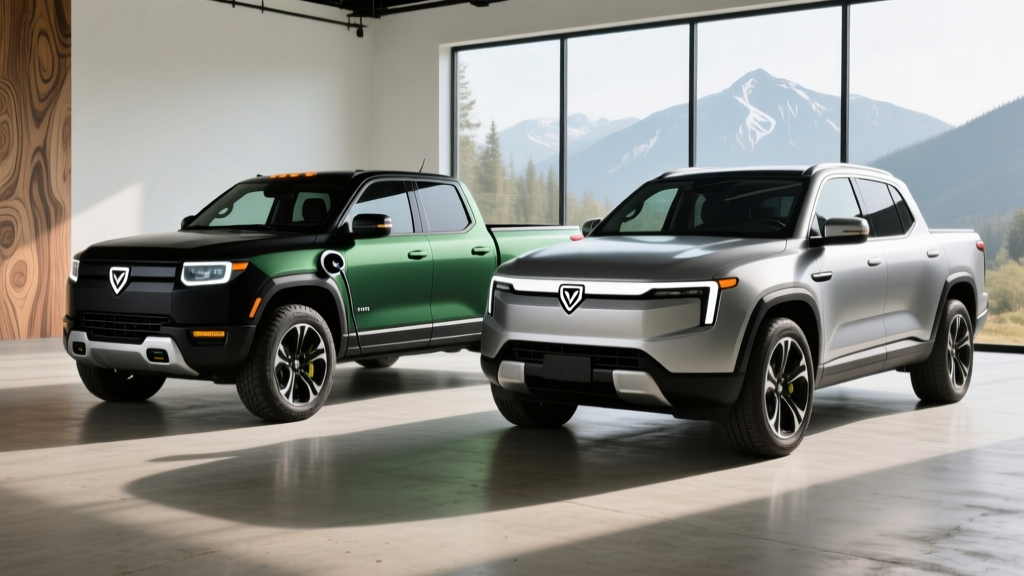
If you're researching a Rivian car lease, you're likely weighing the appeal of Rivian's adventure-ready electric trucks and SUVs against the steep upfront cost and rapidly evolving EV market. Leasing a 2026 Rivian R1T (truck) or R1S (SUV) can lower your monthly outlay, sidestep some tax-credit complexity, and let you upgrade in three years as battery tech advances. But it also means mileage limits, no equity, and potentially higher insurance. This guide breaks down exactly what you're getting — range, charging, pricing, and incentives — so you can decide whether leasing or buying makes more financial sense.
Choose to buy if: You drive high annual miles, want to capture the full §30D tax credit upfront, tow frequently, or plan to keep the vehicle 5+ years.
Rivian R1T & R1S: Range, Battery, and Real-World Expectations
For 2026, Rivian offers the R1T truck and R1S SUV across several battery configurations. The Dual-Motor Standard Pack uses a ~92 kWh usable NMC (nickel manganese cobalt) battery, while the Dual-Motor Max Pack pushes to ~141 kWh usable. Rivian has also begun offering LFP (lithium iron phosphate) chemistry on select Standard configurations, which trades some energy density for longer cycle life and the ability to charge routinely to 100% without degradation concerns.
| Spec | R1T Dual-Motor Standard | R1T Dual-Motor Max | R1S Dual-Motor Standard | R1S Dual-Motor Max |
|---|---|---|---|---|
| EPA Range | ~270 mi | ~410 mi | ~270 mi | ~390 mi |
| Battery (usable) | ~92 kWh (NMC/LFP) | ~141 kWh (NMC) | ~92 kWh (NMC/LFP) | ~141 kWh (NMC) |
| MPGe (combined) | ~70 MPGe | ~65 MPGe | ~70 MPGe | ~65 MPGe |
| kWh/100 mi | ~48 | ~52 | ~48 | ~52 |
| 0-60 mph | ~4.5 sec | ~3.5 sec | ~4.5 sec | ~3.5 sec |
| Horsepower | 533 hp | 665 hp | 533 hp | 665 hp |
| Drivetrain | Dual-Motor AWD | Dual-Motor AWD | Dual-Motor AWD | Dual-Motor AWD |
| Towing Capacity | 7,700 lbs | 7,700 lbs | 7,700 lbs | 7,700 lbs |
Charging Speed: DC Fast Charging and Home Level 2
Rivian uses the NACS (North American Charging Standard) connector on all 2026 models, giving native access to the Tesla Supercharger network — the most reliable DC fast-charging network in North America. Rivian has also upgraded the electrical architecture on newer builds to support faster peak charge rates.
| Charging Level | Power / Rate | Time / Miles Added | Notes |
|---|---|---|---|
| Level 1 (120V) | ~1.4 kW | ~3–4 mi/hr | Emergency/trickle only |
| Level 2 (240V, 48A) | ~11.5 kW | ~25–28 mi/hr; full charge in ~9–13 hrs | Home Wall Connector recommended |
| DC Fast (NACS Supercharger) | Peak ~200 kW | 10–80% in ~28 min (Standard); ~40 min (Max) | Sustained rate tapers above 80% |
| DC Fast (3rd-party CCS via adapter) | Up to ~150 kW | 10–80% in ~35–45 min | Electrify America, EVgo compatible |
Charging-curve reality: Rivian's peak ~200 kW rate holds roughly between 10–40% State of Charge (SoC), then tapers progressively. The 10–80% time is the metric that matters for road trips, and ~28 minutes for the Standard Pack is competitive but not class-leading. The Max Pack takes longer due to its larger battery, but you're also adding far more miles per minute. At home, a 48A Level 2 charger (like the Rivian Wall Connector on a 60A circuit) adds enough overnight range for virtually any daily commute.
Interior, Cargo, and Technology
Both the R1T and R1S seat five (R1S offers an optional third row for seven, though third-row legroom is tight at ~30 inches). The R1T's 4.5-foot bed includes the innovative Gear Tunnel — a lockable, pass-through storage compartment behind the cab that holds long items like skis or camping gear. Front trunk (frunk) space is ~11 cu ft, useful for groceries or charging cables.
Cargo volume:
- R1T bed: ~33 cu ft (plus Gear Tunnel ~11 cu ft, frunk ~11 cu ft)
- R1S behind 2nd row: ~47 cu ft; behind 1st row: ~104 cu ft
- R1S front trunk: ~11 cu ft
Tech highlights:
- 15.6-inch center touchscreen running Rivian's proprietary OS (no Apple CarPlay/Android Auto — Rivian uses native integration)
- 12.3-inch digital instrument cluster
- Over-the-air (OTA) updates adding features post-purchase
- Rivian Driver Assist (Level 2 SAE): adaptive cruise, lane centering, automatic emergency braking — not a self-driving system; driver must remain engaged at all times
- Highway Assist with lane-change assist (hands on wheel required)
- Vehicle-to-load (V2L) capability: power devices or a campsite from the truck's battery
- Built-in air compressor with multiple preset pressures
Pricing, Lease Options, and Federal Tax Credit Eligibility
Rivian pricing varies significantly by configuration. Here's where the 2026 lineup stands at MSRP, before any incentives:
| Model / Trim | Base MSRP | As-Tested (Typical Config) | §30D Credit Eligibility |
|---|---|---|---|
| R1T Dual-Motor Standard | ~$69,900 | ~$74,000–$78,000 | Eligible (SUV/truck MSRP cap $80,000) |
| R1T Dual-Motor Max | ~$83,900 | ~$88,000–$94,000 | Exceeds $80K MSRP cap — not eligible |
| R1S Dual-Motor Standard | ~$74,900 | ~$79,000–$83,000 | Eligible (SUV cap $80,000; watch add-ons) |
| R1S Dual-Motor Max | ~$89,900 | ~$95,000–$101,000 | Exceeds $80K MSRP cap — not eligible |
Federal §30D tax credit rules (2026): According to the IRS, the credit offers up to $7,500, but eligibility depends on several factors:
- MSRP cap: Trucks and SUVs must have a base MSRP ≤ $80,000 (R1T/R1S qualify as trucks/SUVs). The Max Pack trims exceed this.
- Buyer income cap: Modified AGI ≤ $150,000 (single), ≤ $300,000 (joint filers), ≤ $225,000 (head of household).
- Battery sourcing: A percentage of critical minerals and battery components must be sourced from the U.S. or FTA partners. Rivian has been working to meet these thresholds, but exact eligibility varies by build date and battery supplier. Confirm with your dealer and a tax professional.
- Point-of-sale transfer: As of 2024+, you can transfer the credit to the dealer at purchase, reducing the sale price directly. For leases, the credit typically goes to the lessor (leasing company), who may pass savings through as a reduced monthly payment — but this is not guaranteed.
Lease-specific tax credit note: Under IRC §45W, the commercial clean vehicle credit may apply to leased vehicles, where the leasing company (lessor) claims the credit and factors it into your lease terms. This can sometimes allow vehicles that exceed MSRP caps or have sourcing issues to still pass savings to the lessee. However, the lessor is not required to pass the full benefit to you. Always ask Rivian Financial or the leasing entity exactly how much of the credit is reflected in your monthly payment.
Lease vs. Buy: The Rivian-Specific Math
Leasing an EV has unique advantages and pitfalls compared to buying. Here's what to weigh for a Rivian specifically:
Lease advantages:
- Lower monthly payment (typically $800–$1,200/mo depending on term, down, and trim, vs. $1,100–$1,600+ for a financed purchase)
- No exposure to long-term battery degradation risk — you hand it back at lease end
- Upgrade to newer battery/tech in 36 months as solid-state or higher-density packs arrive
- Potential to benefit from §45W commercial credit via lessor (even on trims exceeding MSRP cap)
Lease disadvantages:
- Mileage limits (typically 10,000–15,000 mi/yr) — excess mileage fees of $0.20–$0.30/mi add up fast on road trips
- No equity at lease end — you've paid for depreciation without owning the asset
- Lease-end wear-and-tear charges (Rivian's are generally reasonable, but cosmetic damage counts)
- Cannot modify the vehicle (no aftermarket wheels, wraps, or lift kits without lease-end penalties)
- Cannot claim §30D directly — credit goes to lessor, and passthrough varies
Break-even scenario: If you drive 12,000 miles/year for 3 years (36,000 total), a lease with a $1,000/mo payment costs $36,000 plus down payment and fees. Buying at $78,000 with the $7,500 credit nets $70,500, financed at ~6% over 72 months ≈ $1,170/mo, but you own an asset worth roughly $42,000–$48,000 at year 3 (depending on depreciation). The lease is cheaper month-to-month; the purchase builds equity and has no mileage penalty.
Warranty, Reliability, and Ownership Costs
Rivian's warranty coverage is competitive within the EV truck segment:
- Battery & Drive Unit: 8 years / 120,000 miles (whichever comes first), with a capacity retention threshold of ~70% State of Health
- Bumper-to-Bumper (Limited): 5 years / 60,000 miles
- Corrosion Perforation: 5 years / unlimited miles
- Roadside Assistance: 5 years / 60,000 miles
According to IIHS and NHTSA, the R1T and R1S have earned strong safety ratings. Real-world reliability has improved with each model year as Rivian refined build quality at its Normal, Illinois factory. Early-production 2022–2023 vehicles had more reported issues (panel gaps, software bugs, suspension noises); 2025–2026 builds show marked improvement based on owner surveys. Insurance premiums remain elevated compared to conventional trucks — expect $2,500–$4,000/year depending on your profile, driven by high repair costs for aluminum body panels and advanced sensor arrays.
How the Rivian R1T/R1S Stacks Up Against Competitors
If you're considering a Rivian car lease, you're likely cross-shopping these alternatives:
- Ford F-150 Lightning: Lower starting price (~$55K), comparable range (230–320 mi EPA), wider service network. Less premium interior, lower tech polish. Better value play.
- Chevrolet Silverado EV: Max range up to ~400 mi (EPA, 4WT trim), but large/fleet-oriented. Less refined ride than Rivian.
- Tesla Cybertruck: Starting ~$61K, polarizing design, stainless steel body. Range 250–340 mi (EPA). No Rivian's Gear Tunnel or V2L versatility. Strong Supercharger integration.
- GMC Hummer EV: Much heavier, ~$85K+, 300+ mi range. More extreme off-road capability but worse efficiency and far higher price.
- Genuine off-road capability (8.9" ground clearance standard; up to 14.4" in Max mode)
- Gear Tunnel + frunk = best-in-class storage versatility
- NACS native = Tesla Supercharger access without adapter
- V2L capability for camping/jobsite power
- Strong OTA update track record adding real features
- Premium interior materials and build quality (2025+ builds)
- High starting price; Max trims exceed §30D MSRP cap
- No Apple CarPlay or Android Auto (Rivian-native only)
- Limited service center network vs. Ford/GM
- Heavy vehicle = higher tire wear and electricity cost per mile
- Insurance premiums significantly above segment average
- Towing severely reduces range (~50% loss at max load)
Who Should Lease a Rivian — and Who Shouldn't
Best suited for: Active-lifestyle households who need a daily-driver truck or SUV with weekend adventure capability (camping, skiing, trail access), drive under 15,000 miles/year, value tech-forward features, and want to avoid long-term battery ownership risk. The lease structure works well if you plan to upgrade as Rivian introduces next-generation R2 vehicles or improved battery packs.
Not ideal for: High-mileage commuters (20,000+ mi/yr), commercial fleet buyers (lease restrictions apply), frequent heavy towers (range collapse makes road-tripping while towing impractical without meticulous planning), or budget-conscious buyers who would be better served by an F-150 Lightning or a PHEV truck.
Frequently Asked Questions About Leasing a Rivian
What is the real-world range of a leased Rivian R1T or R1S?
The EPA rates the Standard Pack at ~270 miles and the Max Pack at ~410 miles (R1T). In real-world highway driving at 70–75 mph, expect ~220–240 miles (Standard) and ~330–360 miles (Max). Cold weather (below 32°F) reduces these by 20–30%. Towing cuts range roughly in half.
How fast does the Rivian charge at home and on the road?
At home on a 48A Level 2 charger (240V), the Rivian adds ~25–28 miles per hour, fully charging overnight. On DC fast chargers (NACS Superchargers), it peaks at ~200 kW, achieving a 10–80% charge in ~28 minutes (Standard Pack) or ~40 minutes (Max Pack). The charge rate tapers significantly above 80% SoC to protect the battery.
How much does a Rivian cost after tax credits?
The R1T Dual-Motor Standard starts around $69,900. If you qualify for the full $7,500 federal §30D credit (meeting income, MSRP, and battery-sourcing requirements), the effective price drops to ~$62,400. However, Max Pack trims exceed the $80,000 MSRP cap and are ineligible. For leases, the lessor claims the credit and may pass savings through reduced payments — confirm the exact amount before signing.
Does the Rivian R1T or R1S qualify for the federal EV tax credit?
The Standard Pack trims (under $80K MSRP) are eligible for up to $7,500 under §30D, provided the buyer meets income caps ($150K single / $300K joint) and the vehicle's battery meets critical-mineral and component-sourcing thresholds. Max Pack trims exceed the MSRP cap and do not qualify for §30D, though the §45W commercial credit may apply to leased vehicles. Always verify current-year rules at IRS.gov and consult a tax professional.
Is leasing a Rivian worth it compared to buying?
Leasing makes sense if you want lower monthly payments, plan to upgrade in ~3 years, and drive under 15,000 miles annually. Buying is better if you want to capture the full tax credit, drive high miles, tow frequently, or plan to keep the vehicle 5+ years. The lease's main advantage is avoiding battery-degradation risk and accessing newer tech sooner.
What are the biggest drawbacks of a Rivian car lease?
Mileage limits (excess fees of $0.20–$0.30/mi), no ownership equity at lease end, inability to modify the vehicle, potentially higher insurance costs, and the fact that the tax credit goes to the lessor (with no guarantee of full passthrough to your monthly payment). Rivian's service network is also still growing, so warranty work may require longer travel than with legacy automakers.