If you've been searching Rivian qué marca es, you're not alone. The name has spread fast across Spanish-language EV forums and buyer groups, but the answer is straightforward: Rivian Automotive is an American electric vehicle manufacturer headquartered in Irvine, California, with its primary production facility in Normal, Illinois. Founded in 2009 by R.J. Scaringe (originally as Mainstream Motors, later renamed), Rivian went public in November 2021 and has since become one of the most significant EV startups in North America — alongside Tesla, the only US-based EV maker producing vehicles at scale from a wholly owned factory.
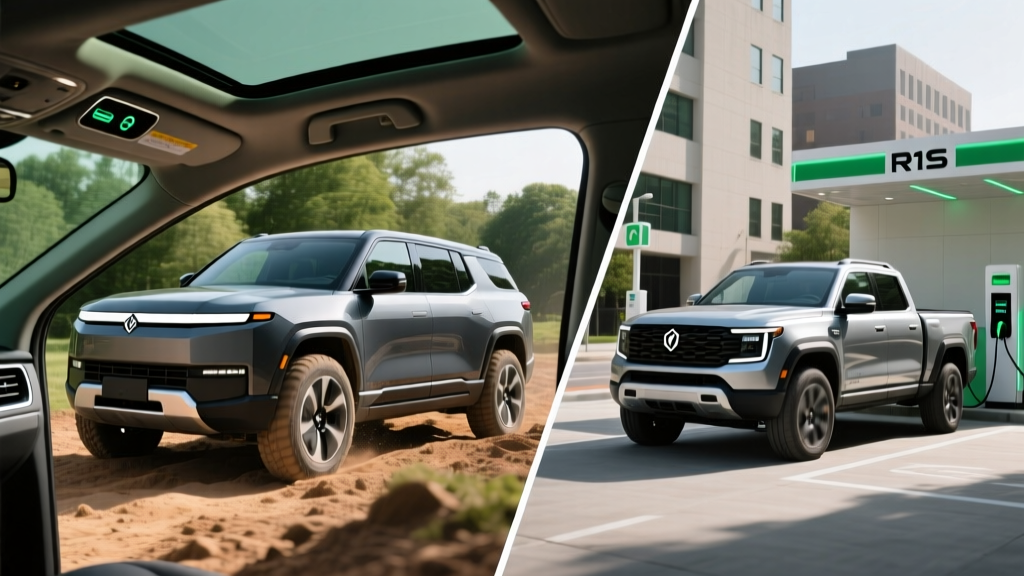
As of the 2026 model year, Rivian offers two core platforms: the R1S (three-row electric SUV) and the R1T (electric pickup truck). Both sit on Rivian's proprietary skateboard architecture and received a major Gen 2 platform refresh for the 2025 model year that carried forward into 2026, bringing upgraded motors, enhanced battery chemistry options, and the addition of the NACS (Tesla-style) charge port as standard.
This review covers what Rivian is as a brand, then dives deep into the specs, real-world performance, charging behavior, and ownership economics that matter to buyers.
Rivian at a Glance: Brand Identity and Manufacturing
Rivian is not a subsidiary of a legacy automaker. It is an independent, publicly traded company (NASDAQ: RIVN). Key brand facts:
- Founded: 2009, Irvine, California
- Manufacturing: Normal, Illinois (former Mitsubishi plant, retooled for EV production)
- Current lineup (2026): R1S SUV, R1T pickup truck, and the newly launched R2 compact SUV (early 2026 production start)
- Commercial fleet: EDV (Electric Delivery Van) built exclusively for Amazon, with over 25,000 units delivered
- Charging network: Rivian Adventure Network (proprietary DC fast chargers at trailheads and outdoor destinations) plus full access to Tesla Superchargers via NACS
- Software: OTA-capable, in-house developed infotainment and driver-assist stack
Rivian positions itself as an "adventure" brand — think outdoor-lifestyle buyers who want serious off-road capability, towing, and cargo space, not just efficiency. That identity shapes everything from suspension tuning to the integrated camp kitchen accessory available on the R1T.
2026 R1S and R1T: Core Specifications
| Spec | R1S Dual-Motor (Standard) | R1S Tri-Motor | R1T Dual-Motor (Standard) | R1T Tri-Motor |
|---|---|---|---|---|
| EPA Range (Max Pack) | 352 mi | 321 mi | 352 mi | 328 mi |
| Battery (usable, Max Pack) | ~128.9 kWh, NMC | ~128.9 kWh, NMC | ~128.9 kWh, NMC | ~128.9 kWh, NMC |
| Battery (Standard Pack) | ~92.5 kWh, LFP | N/A | ~92.5 kWh, LFP | N/A |
| Standard Pack EPA Range | 258 mi | — | 258 mi | — |
| Horsepower | 533 hp | 850 hp | 533 hp | 850 hp |
| 0-60 mph | 4.5 sec | 2.9 sec | 4.5 sec | 2.9 sec |
| Drivetrain | AWD (dual-motor) | AWD (tri-motor) | AWD (dual-motor) | AWD (tri-motor) |
| Max DC Fast Charge | 220 kW | 220 kW | 220 kW | 220 kW |
| 10-80% DCFC Time | ~29 min (Max) | ~29 min (Max) | ~29 min (Max) | ~29 min (Max) |
| Level 2 Home Charge | 11.5 kW (~30 mi/hr) | 11.5 kW (~30 mi/hr) | 11.5 kW (~30 mi/hr) | 11.5 kW (~30 mi/hr) |
| Towing Capacity | 7,700 lb | 7,700 lb | 11,000 lb | 11,000 lb |
| MPGe (combined, Max Pack) | 73 MPGe | 70 MPGe | 73 MPGe | 70 MPGe |
| Efficiency (kWh/100 mi) | 46 | 48 | 46 | 48 |
Sources: EPA fueleconomy.gov, Rivian official specs.
Real-World Range: What the EPA Number Doesn't Tell You
EPA Estimated: 352 miles
Real-World Highway (70-75 mph): ~280–310 miles
Real-World Cold Weather (below 30°F): ~230–260 miles
Towing (5,000+ lb trailer): ~150–180 miles
Rivian's EPA range figures are competitive, but real-world results depend heavily on driving style, climate, and load. In independent highway testing at sustained 70-75 mph speeds, the R1S Dual-Motor Max Pack typically delivers between 280 and 310 miles before requiring a charge — roughly 12-20% below the EPA sticker. This is consistent with most large, heavy EVs; the boxy SUV profile and 6,800+ lb curb weight create significant aerodynamic drag at highway speeds.
Cold weather is the bigger range killer. At temperatures below 30°F, expect a 25-35% reduction from EPA estimates. Rivian includes a heat pump on Gen 2 models, which mitigates cabin heating energy draw, but battery chemistry still loses efficiency in the cold. Preconditioning — warming the battery before fast charging or before departure while plugged in — is essential for both range preservation and charge speed.
If you tow regularly, plan for roughly half the EPA range. The R1T's 11,000-lb max tow rating is impressive, but pulling a 6,000-lb travel trailer at highway speed drops efficiency to roughly 80-90 kWh/100 mi, cutting range to 150-180 miles between charges.
Charging Performance: DC Fast, Level 2, and the NACS Advantage
| Charge Level | Power / Voltage | Speed (miles of range per hour) | Notes |
|---|---|---|---|
| Level 1 (120V household) | ~1.4 kW | ~3-4 mi/hr | Emergency/trickle only |
| Level 2 (240V home, 48A) | 11.5 kW | ~30 mi/hr | Full charge in ~11 hrs (Max Pack) |
| DC Fast Charge (peak) | 220 kW | ~140 mi in 20 min | Peak rate; tapers above 80% SoC |
| DC Fast Charge 10-80% | — | ~29 min (Max Pack) | Charge curve averages ~150 kW sustained |
| Tesla Supercharger (NACS) | Up to 250 kW (V3) | Similar to above | Native access since late 2024 |
Rivian's peak DC fast-charge rate of 220 kW (Max Pack) is solid but not class-leading — the Hyundai Ioniq 5 peaks at 240 kW and the Lucid Air exceeds 300 kW. However, Rivian's charge curve is relatively flat, meaning it sustains a high rate longer before tapering. The 10-80% time of roughly 29 minutes is practical for road-trip rest stops.
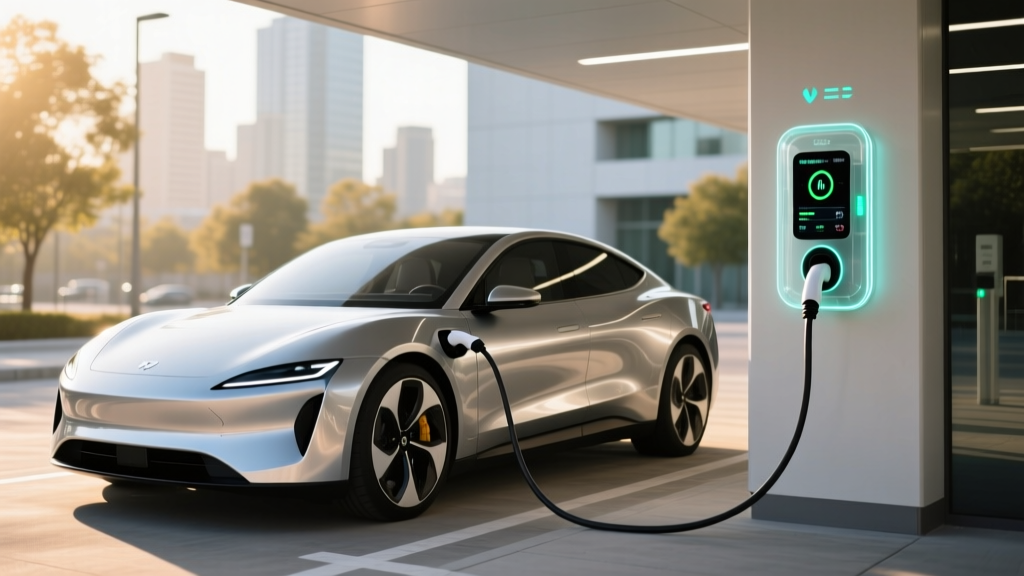
The biggest charging story for Rivian in 2026 is native NACS access. Since adopting the Tesla-standard connector, Rivian owners can use the Supercharger network (17,000+ stalls in North America) without an adapter. This dramatically improves road-trip practicality and is a significant competitive advantage over CCS-only vehicles from legacy automakers still transitioning.
For home charging, Rivian recommends a 48-amp Level 2 wall connector on a 60-amp circuit. At 11.5 kW, you'll add roughly 30 miles of range per hour — enough to fully replenish a Standard Pack overnight and get a Max Pack from 20% to 100% in about 8-9 hours. Installation costs for a Level 2 home charger typically range from $800 to $2,500 depending on your electrical panel capacity and conduit run distance. Homes with older 100-amp panels may need a $1,500-$3,000 panel upgrade.
Interior, Cargo, and Technology
The R1S seats up to seven across three rows, though the third row is best suited for children or short trips. Cargo space is generous:
- R1S cargo (behind 3rd row): 10.6 cu ft
- R1S cargo (3rd row folded): 46.7 cu ft
- R1S cargo (all rows folded): 91.6 cu ft
- R1S front trunk (frunk): 11.0 cu ft
- R1T bed length: 4.5 ft (with midgate closed), 6.5 ft (midgate open into cab)
- R1T Gear Tunnel: 11.7 cu ft (pass-through storage behind cab, unique to Rivian)
- R1T frunk: 11.0 cu ft
The R1T's Gear Tunnel — a lockable, weather-sealed pass-through compartment spanning the width of the truck behind the rear seats — remains one of the most clever storage solutions in any pickup. It accommodates skis, golf bags, or camping gear while keeping the bed free.
Infotainment and Driver Assistance
Rivian runs a proprietary 15.6-inch center touchscreen with a custom operating system — not Android Automotive or Apple CarPlay. This is a polarizing choice: the native software is clean and well-integrated, but the lack of CarPlay/Android Auto frustrates some buyers. Navigation, media, and vehicle controls are all native.
The driver-assistance suite, branded Rivian Driver+, includes adaptive cruise control, lane-centering assist, and highway driving assist. It is a SAE Level 2 system — the driver must keep hands on or near the wheel and remain fully attentive. It is not autonomous driving. Rivian has been developing a more advanced hands-free highway system, but as of the 2026 model year, Driver+ requires active supervision.
Pricing, Trims, and Federal Tax Credit Eligibility
| Model / Configuration | Base MSRP | Est. As-Tested (Adventure) | §30D Credit Eligible? |
|---|---|---|---|
| R1S Dual-Motor Standard Pack | $71,700 | $78,000–$82,000 | Partial — see rules below |
| R1S Dual-Motor Max Pack | $83,700 | $89,000–$96,000 | Yes — under SUV MSRP cap |
| R1S Tri-Motor Max Pack | $94,700 | $102,000+ | Yes — under SUV MSRP cap |
| R1T Dual-Motor Standard Pack | $69,900 | $76,000–$80,000 | Partial — see rules below |
| R1T Dual-Motor Max Pack | $81,900 | $87,000–$94,000 | Yes — under truck MSRP cap |
| R1T Tri-Motor Max Pack | $92,900 | $99,000+ | Yes — under truck MSRP cap |
Federal tax credit eligibility under IRS §30D is nuanced for Rivian vehicles:
- MSRP Caps: SUVs (R1S) must be ≤$80,000 MSRP; trucks (R1T) must be ≤$80,000 MSRP. Many Rivian configurations exceed these caps at base price, but the Standard Pack Dual-Motor models fall within range.
- Income Caps: Buyer AGI must not exceed $300,000 (joint), $225,000 (head of household), or $150,000 (single).
- Battery Sourcing: The credit splits into two halves — $3,750 for critical minerals and $3,750 for battery component assembly. Rivian has been working to qualify for the full $7,500 by shifting supply chains, but eligibility varies by build date and battery pack. Always verify the specific VIN's credit status on the IRS portal before purchasing.
- Point-of-Sale Transfer: As of 2024, qualifying buyers can transfer the credit to the dealer at purchase, reducing the sale price directly rather than waiting for a tax refund.
Because Rivian's pricing frequently pushes above the $80,000 MSRP cap, many buyers will find the credit only partially available or unavailable on higher trims. The Standard Pack Dual-Motor models represent the best path to credit eligibility.
Battery Chemistry, Warranty, and Long-Term Ownership
Rivian offers two battery pack sizes with different chemistries:
- Standard Pack (~92.5 kWh usable): LFP (lithium iron phosphate) chemistry. LFP batteries are more durable over time, tolerate regular 100% charging, and contain no cobalt or nickel — but they are heavier and have lower energy density.
- Max Pack (~128.9 kWh usable): NMC (nickel manganese cobalt) chemistry. Higher energy density for more range, but Rivian recommends charging to 80-90% for daily use and reserving 100% for trips.
Warranty coverage:
- Battery: 8 years / 175,000 miles (retaining ≥70% capacity)
- Powertrain (motors, reducers): 8 years / 175,000 miles
- Bumper-to-bumper: 5 years / 60,000 miles
The 175,000-mile battery warranty is among the best in the industry, exceeding Tesla's 120,000-150,000-mile coverage depending on model. Rivian's 70% capacity retention threshold is standard for the industry.
Long-term degradation data on Gen 2 Rivian packs is still emerging (the platform launched mid-2024), but early fleet data from Amazon delivery vans — which use similar cell suppliers — suggests roughly 8-12% degradation over the first 100,000 miles, which is within normal expectations for NMC packs.
Who Should Buy a Rivian — and Who Shouldn't
- Class-leading off-road capability with quad/tri-motor torque vectoring
- Unique Gear Tunnel (R1T) and frunk on both models
- Native NACS / Tesla Supercharger access
- 175,000-mile battery warranty
- OTA software updates continuously improve the vehicle
- Strong build quality from Gen 2 platform onward
- No Apple CarPlay or Android Auto
- MSRP frequently exceeds §30D tax credit cap
- Highway efficiency lags more aerodynamic SUVs (46 kWh/100 mi)
- Service center network still growing — wait times in some regions
- Third-row space in R1S is tight for adults
- 220 kW peak charge rate trails Hyundai/Kia and Lucid
Look Elsewhere If: You prioritize maximum highway efficiency (consider a Tesla Model X or Hyundai Ioniq 5), need CarPlay integration, or your budget is strictly under $60,000 (wait for the Rivian R2 compact SUV, which targets a lower price point).
How Rivian Stacks Up Against Competitors
The R1S competes most directly with the Tesla Model X (348 mi EPA, starts ~$79,990), the BMW iX xDrive50 (324 mi EPA, starts ~$87,250), and the Kia EV9 (304 mi EPA, starts ~$54,900). The R1T's closest rival is the Ford F-150 Lightning (320 mi extended range, starts ~$54,995) and the Chevrolet Silverado EV (up to 440 mi EPA on 4WT trim).
Rivian's advantage over these competitors is its combination of off-road hardware (adjustable air suspension with 14.9 inches of ground clearance in Max mode), build quality refinement on the Gen 2 platform, and the unique lifestyle features (Gear Tunnel, camp kitchen, integrated air compressor). Its disadvantage is price — the F-150 Lightning and Kia EV9 undercut Rivian significantly at base level.
Frequently Asked Questions
¿Rivian qué marca es?
Rivian es una marca estadounidense de vehículos eléctricos, fundada en 2009 en Irvine, California. Fabrica sus vehículos en Normal, Illinois. No pertenece a ningún fabricante tradicional — es una empresa independiente que cotiza en bolsa (NASDAQ: RIVN). Produce el SUV R1S, la pickup R1T, y la van de reparto EDV para Amazon.
What is the real-world range of a Rivian?
The R1S/R1T Dual-Motor Max Pack is EPA-rated at 352 miles, but expect 280-310 miles at highway speeds and 230-260 miles in freezing temperatures. Standard Pack models deliver roughly 200-230 real-world highway miles.
How fast does a Rivian charge at home and on the road?
At home on a 240V Level 2 charger (48A), Rivian charges at 11.5 kW, adding about 30 miles of range per hour. On DC fast chargers, it peaks at 220 kW and reaches 10-80% in roughly 29 minutes with the Max Pack. Rivian's NACS port gives native access to Tesla Superchargers.
Does Rivian qualify for the $7,500 federal EV tax credit?
It depends on the specific model, trim, and buyer income. The R1S and R1T must have an MSRP ≤$80,000 to qualify, which limits eligibility to Standard Pack Dual-Motor configurations. Buyer income must be under $300,000 (joint) or $150,000 (single). Battery sourcing requirements also apply — verify your VIN's eligibility at fueleconomy.gov before purchasing.
Is Rivian worth buying over a Tesla Model X or Ford F-150 Lightning?
Choose Rivian if you need serious off-road capability, a Gear Tunnel, air suspension, and a more premium adventure-oriented build. Choose the Model X if you prioritize Supercharger network exclusivity (now shared), faster DC charging, and third-row space. Choose the F-150 Lightning if budget and fleet/parts availability matter most. Each serves a different buyer profile.
Does Rivian have Apple CarPlay?
No. Rivian uses a proprietary infotainment system with no CarPlay or Android Auto support. The native software is well-reviewed for navigation and vehicle integration, but you cannot mirror your phone's interface to the vehicle screen.
Always verify current pricing, tax credit eligibility, and specifications directly with Rivian's official site and the IRS, as rules and configurations may change.