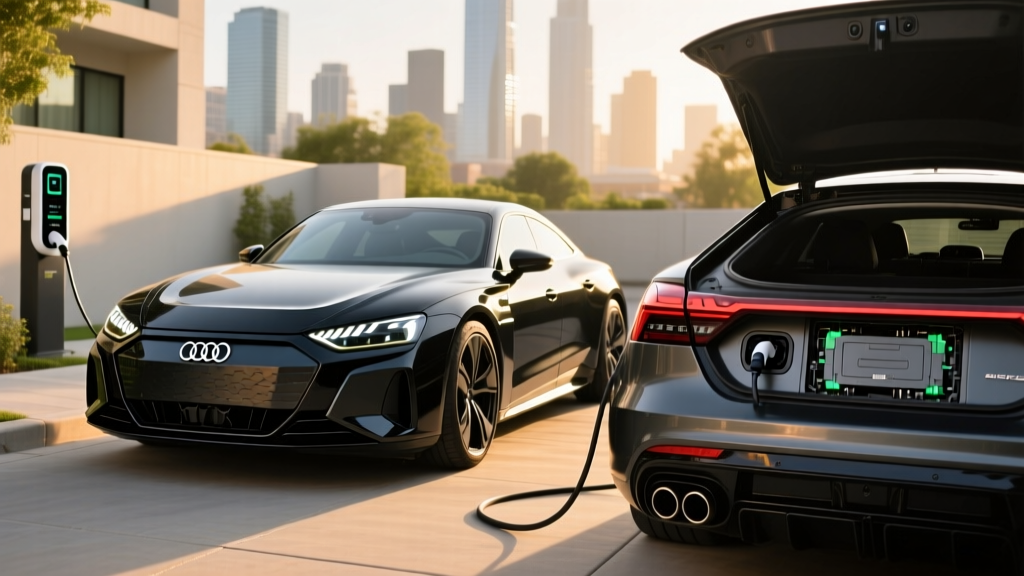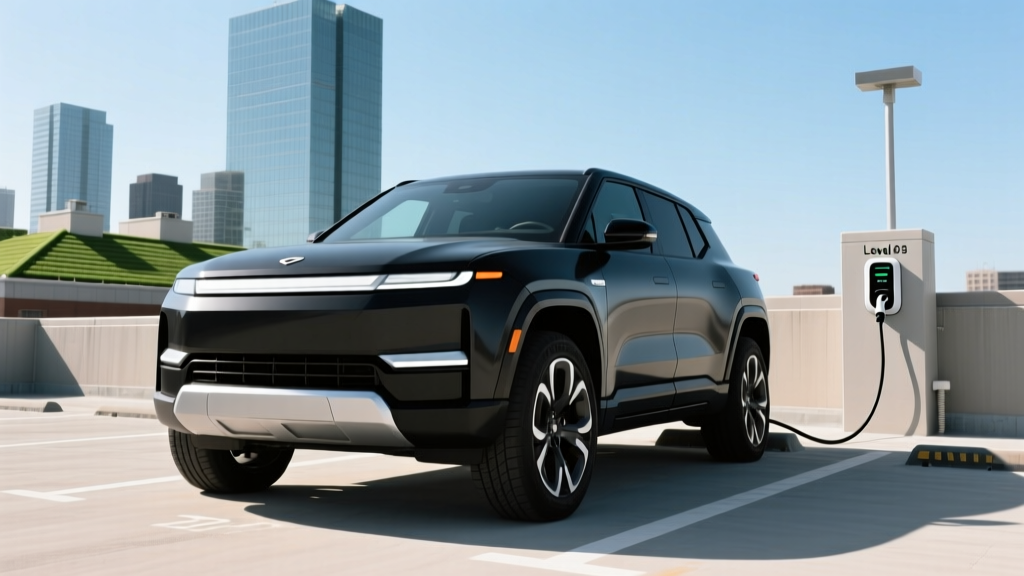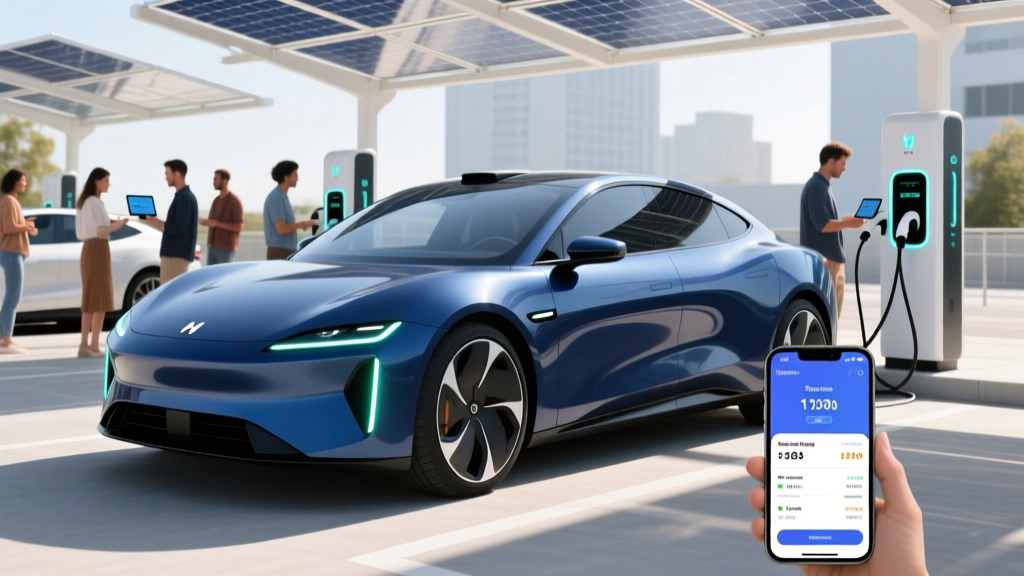
Quick Answer: Should You Rent an Electric Car?
Renting an electric car makes sense if you have reliable access to charging at your destination, drive mostly in urban or suburban areas, and want to test EV ownership before committing to a purchase. Expect to pay $60–$120 per day for mainstream models like the Tesla Model 3 or Hyundai Ioniq 6 at major rental agencies in 2026 — roughly 15–30% more than a comparable gas sedan. However, you can recoup much of that premium through lower fueling costs: electricity averages $0.15/kWh nationally, translating to roughly $0.04–$0.06 per mile versus $0.12–$0.16 per mile for gasoline at $3.40/gallon. The catch? Without home or hotel charging access, public DC fast charging at $0.35–$0.55/kWh can erase those savings entirely.
Why Rent an EV in 2026?
The EV rental fleet has expanded dramatically. Hertz, Enterprise, Avis, and Sixt now stock thousands of electric vehicles across US locations, with the Tesla Model 3, Model Y, Chevrolet Equinox EV, Hyundai Ioniq 5, and Ford Mustang Mach-E forming the backbone of most fleets. For many drivers, renting an electric car serves one of three practical purposes:
- Try before you buy. A weekend rental lets you experience real-world range, regenerative braking, one-pedal driving, and charging logistics before committing $35,000–$55,000 on a purchase.
- Lower trip fueling costs. If you can charge overnight at a hotel or Airbnb with a Level 2 outlet, your per-mile energy cost drops to a third of gasoline.
- Access HOV lanes and urban low-emission zones. Some cities and states grant EVs carpool-lane access even with a single occupant — a tangible time-saver on congested commutes.
EV Rental Costs vs. Gas Car Rentals
The sticker price of renting an electric car is typically higher, but the total trip cost depends heavily on how and where you charge. Here's a realistic breakdown for a 5-day, 600-mile rental comparing a mid-size EV (e.g., Tesla Model 3 RWD) against a mid-size gas sedan (e.g., Toyota Camry):
| Cost Category | EV (Tesla Model 3 RWD) | Gas Sedan (Toyota Camry) |
|---|---|---|
| Daily rental rate | $85/day × 5 = $425 | $62/day × 5 = $310 |
| Energy/fuel cost | $90–$180 (see below) | $204 (at 32 MPG, $3.40/gal) |
| Taxes & fees | ~$65 | ~$50 |
| Insurance (CDW add-on) | ~$150 (same for both) | ~$150 |
| Total estimated | $730–$820 | $714 |
The EV energy cost range reflects two scenarios:
- Best case ($90): Overnight Level 2 charging at home, hotel, or workplace at ~$0.15/kWh. The Model 3 RWD uses roughly 25 kWh/100 miles (EPA-rated 132 MPGe combined), so 600 miles requires ~150 kWh.
- Worst case ($180+): Relying exclusively on public DC fast chargers at $0.40–$0.55/kWh — common on Electrify America, EVgo, and Tesla Superchargers in high-demand urban areas.
The breakeven point: if more than 60% of your charging happens at slower, cheaper Level 2 stations, the EV rental usually costs less overall despite the higher daily rate.
Which EVs Are Available to Rent?
Major rental companies have standardized their EV fleets around a handful of proven, high-volume models. Here's what you're most likely to encounter in 2026:
| Model | EPA Range | Battery (kWh) | Peak DC Charge | 10–80% Time | Typical Daily Rate |
|---|---|---|---|---|---|
| Tesla Model 3 RWD | 363 mi | 60 (LFP) | 170 kW | ~25 min | $75–$95 |
| Tesla Model Y LR AWD | 320 mi | 75 (NMC) | 250 kW | ~18 min | $95–$125 |
| Hyundai Ioniq 5 SEL | 303 mi | 77.4 (NMC) | 240 kW | ~18 min | $70–$90 |
| Chevy Equinox EV RS | 319 mi | 85 (NMC) | 190 kW | ~24 min | $65–$85 |
| Ford Mustang Mach-E Select | 250 mi | 72 (NMC) | 150 kW | ~30 min | $70–$90 |
Real-world range caveat: EPA figures assume a mix of city and highway driving at moderate temperatures. On a road trip at sustained 75 mph highway speeds, expect 15–20% range reduction. In freezing weather (below 32°F), range can drop 25–35% due to battery chemistry limitations and cabin heating demands. A Model 3 RWD rated at 363 miles EPA may deliver only 250–280 miles on a cold-weather highway run. Plan your charging stops accordingly.
Charging Logistics: The Make-or-Break Factor
The single biggest variable in whether renting an electric car saves money — or becomes a frustrating hassle — is charging access. Before booking, honestly assess your situation:
Decision Framework: Is an EV Rental Right for Your Trip?
- If you have overnight Level 2 charging at your destination (hotel garage, Airbnb with EV outlet, workplace charger) → Rent the EV. You'll save on fueling and wake up to a full battery every morning.
- If your trip is mostly urban/suburban under 150 miles/day → Rent the EV. Even one DC fast-charge session per day is manageable, and city driving maximizes regenerative braking efficiency.
- If you're driving 300+ miles per day on rural highways → Stick with gas. DC fast-charging stops add 20–30 minutes each, and rural charging infrastructure remains sparse in many regions.
- If temperatures will be below 20°F for most of the trip → Consider gas or a PHEV. Cold-weather range loss is significant, and charging speeds also slow when the battery is cold, even with preconditioning.
- If you've never driven an EV before and want to learn → Rent the EV for a low-risk weekend. This is one of the smartest ways to evaluate EV ownership.
Charging Speed Refresher
Rental agencies don't always explain charging, so here's the essential breakdown. kW (kilowatts) measures charging power — how fast energy flows into the battery. kWh (kilowatt-hours) measures battery capacity — how much energy the battery holds. Think of kW as the width of a hose and kWh as the size of the bucket.
| Level | Power (kW) | Miles Added/Hour | Best For |
|---|---|---|---|
| Level 1 (120V outlet) | 1.2–1.9 kW | 3–5 mi/hr | Emergency top-ups only |
| Level 2 (240V) | 7.2–19.2 kW | 25–60 mi/hr | Overnight charging at home/hotel |
| DC Fast Charge | 50–350 kW | 150–800+ mi/hr | Road-trip stops; 10–80% in 18–30 min |
Critical charging-curve reality: No EV sustains its peak charge rate for the entire session. A Hyundai Ioniq 5 that peaks at 240 kW will taper to roughly 150 kW by 50% State of Charge and drop below 80 kW past 80%. The published "10–80% in 18 minutes" figure reflects this curve — charging from 80–100% can take nearly as long as 10–80%. On a road trip, plan to charge to 80% and go, rather than waiting for a full battery.
Common Misconceptions About EV Rentals
| Myth | Fact |
|---|---|
| "I'll run out of charge and get stranded." | Modern EV rentals have 250–360+ miles of EPA range. The EPA's fueleconomy.gov lists exact range by model. With route-planning apps like A Better Routeplanner, running out is virtually preventable. |
| "Charging takes hours." | DC fast charging adds 150–250 miles in 15–20 minutes for most current models. That's a typical rest-stop break. |
| "EVs are more expensive to rent, period." | The daily rate is higher, but lower per-mile energy costs often make total trip costs competitive — especially with overnight Level 2 charging. |
| "I need a special adapter or membership." | Most 2026 EV rentals use either the Tesla NACS connector (Tesla models, plus newer Ford, GM, and Rivian vehicles) or CCS1 (Hyundai, Kia, BMW, VW). Major networks now accept credit-card payment without mandatory app sign-up, though apps often offer lower rates. |
| "I have to return it fully charged or pay a huge fee." | Most agencies charge a per-kWh fee for missing charge — typically $0.25–$0.50/kWh. This is more expensive than charging yourself but not catastrophic. Check your rental agreement. |
What First-Time EV Renters Should Know
If you've never driven an electric car, a few things will surprise you — mostly in a good way, but some require adjustment:
Regenerative Braking and One-Pedal Driving
Lifting off the accelerator in an EV engages regenerative braking, which slows the car while sending energy back into the battery. Most EVs let you adjust regen strength; at maximum, you can drive almost entirely without touching the brake pedal ("one-pedal driving"). Expect 15–30 minutes to build muscle memory. In stop-and-go traffic, it's transformative.
Preconditioning for Faster Charging
When you set a DC fast-charger as your navigation destination, the car will precondition the battery — warming it to the optimal temperature for maximum charge speed. Skipping this step (by navigating to a charger manually instead of through the car's nav) can slow your charge session by 30–50%, especially in cold weather. Always use the built-in navigation for charging stops.
Connector Compatibility
In 2026, the US charging landscape has largely consolidated around two connectors:
- NACS (North American Charging Standard): Used by Tesla, Ford, GM, Rivian, and most new 2025+ models. Grants access to the Tesla Supercharger network — the most reliable and widespread fast-charging system in the US.
- CCS1 (Combined Charging System): Used by Hyundai, Kia, BMW, Volkswagen, and legacy models. Supported by Electrify America, EVgo, and ChargePoint.
Before renting, confirm which connector your rental EV uses, and download the relevant charging-network app (Tesla, Electrify America, or EVgo) to check station availability along your route.
Insurance and Damage Considerations
EV rental insurance costs the same as gas-car insurance through the rental agency. However, EVs can carry higher repair costs for body damage due to specialized parts and high-voltage safety protocols. If your personal auto policy or credit card offers rental coverage, confirm it applies to EVs — most major insurers and premium credit cards cover EVs identically, but it's worth verifying before you decline the agency's collision-damage waiver.
EV vs. Gas vs. Hybrid Rental: Which Saves You More?
For cost-conscious renters, a plug-in hybrid (PHEV) like the Toyota RAV4 Prime can be the pragmatic middle ground. Here's how the three options compare on a 600-mile trip:
| Factor | EV (Model 3) | Gas (Camry) | PHEV (RAV4 Prime) |
|---|---|---|---|
| Rental cost (5 days) | $425 | $310 | $400 |
| Energy/fuel (600 mi) | $90–$180 | $204 | $120–$160 |
| Charging stops needed | 1–2 (DC fast) | 1–2 (gas station) | 0–1 (gas; 42 mi electric-only) |
| Range anxiety risk | Moderate (route planning required) | None | Low (gas backup) |
| Total est. cost | $515–$605 | $514 | $520–$560 |
The PHEV offers the best of both worlds for road trips: 42 miles of electric-only range (per EPA data) for city errands, plus a gasoline engine for highway stretches. However, PHEV rental availability remains limited compared to pure EVs and gas cars.
Frequently Asked Questions
Do I need a special license or endorsement to rent an electric car?
No. A standard US driver's license is all you need. Rental agencies do not require EV-specific training or certification.
What happens if the EV runs out of charge during my rental?
You'll need a tow to the nearest charger, and the rental agency will likely charge a roadside-assistance fee ($100–$250). This is avoidable: use the car's built-in navigation and route planner, which will direct you to chargers before the battery depletes. Most EVs also provide multiple low-battery warnings starting around 10% State of Charge.
Can I use Tesla Superchargers if I rent a non-Tesla EV?
Increasingly, yes. As of 2026, Tesla has opened many Supercharger stalls to non-Tesla vehicles equipped with NACS connectors or CCS-to-NACS adapters. Use the Tesla app to check station compatibility. Note that some older Supercharger locations remain Tesla-only.
Is renting an EV cheaper than buying one?
For occasional use, absolutely — renting avoids the purchase price, insurance, depreciation, and maintenance of ownership. For daily driving, purchasing is more economical. A new EV qualifying for the federal §30D clean vehicle credit can reduce your purchase cost by up to $7,500, though eligibility depends on MSRP caps, buyer income limits, and battery-sourcing requirements. A rental lets you test whether EV ownership fits your lifestyle before making that commitment.
How do I find EV charging stations on my rental route?
Three tools cover nearly all scenarios: the car's built-in navigation (best for route planning with preconditioning), the PlugShare app (comprehensive station directory with user reviews), and the specific charging-network app (Tesla, Electrify America, or EVgo) for real-time stall availability and pricing.
Should I charge to 100% before returning the rental?
Most agencies require you to return the EV with a similar charge level to when you picked it up — usually 70–80%. Check your rental agreement. Charging to 100% on a DC fast charger is slow and expensive due to charge-curve tapering; aim for 80% at the last fast-charger stop, then top up at a Level 2 charger near the rental return if needed.
Bottom Line: Who Should Rent an EV?
Renting an electric car in 2026 is a practical, often cost-competitive choice for urban and suburban travelers who can charge overnight, for road-trippers willing to plan 20-minute DC fast-charging stops, and for anyone considering an EV purchase who wants real-world experience before committing. It's a less ideal choice for rural highway driving in extreme cold, for travelers with no overnight charging access, or for tight schedules where every minute counts. Start with a weekend rental close to home, use Level 2 overnight charging, and let the car's navigation handle route planning — that's the formula that turns first-time EV renters into repeat customers.