The Bottom Line on Renault Zoe Electric Cars
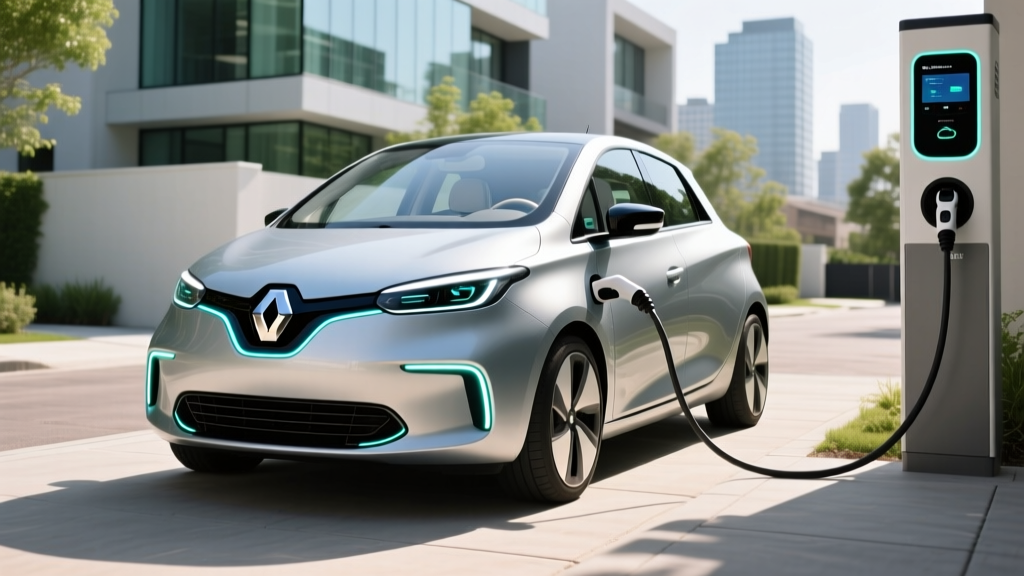
Renault Zoe electric cars are not sold new in the United States, and there is no announced plan for a U.S. launch as of 2026. The Zoe remains one of Europe's best-selling compact EVs, built on Renault's R240 platform with a 52 kWh (usable ~48 kWh) NMC battery, a WLTP-rated range of up to 395 km (~245 miles), and DC fast charging capped at 50 kW. For U.S. buyers researching the Zoe as a potential import, a used-market find, or a benchmark comparison, the real-world highway range drops to roughly 150–180 miles, and the 50 kW charge ceiling means 10–80% takes approximately 55–65 minutes on a CCS plug. If you're shopping for a U.S.-market subcompact EV, the Chevrolet Bolt EV/EUV (discontinued but available used) or the upcoming next-generation affordable EVs from Hyundai and Nissan are more practical paths with dealer support, warranty coverage, and potential §30D tax-credit eligibility.
Renault Zoe Specs at a Glance: What the Numbers Actually Mean
The Zoe has been in production since 2012 with multiple battery and motor revisions. The most recent and widely exported version (E-Tech Electric, final production series before Renault's transition to the Renault 5 E-Tech) carries these specifications:
| Specification | Value |
|---|---|
| Battery (gross / usable) | 52 kWh / ~48 kWh (NMC chemistry) |
| WLTP Range (combined) | 395 km (~245 miles) |
| Estimated EPA-equivalent range | ~210–220 miles (EPA testing is more conservative than WLTP) |
| Real-world highway range (70 mph) | ~150–180 miles |
| Real-world cold-weather range (30°F) | ~120–150 miles |
| Motor output | 100 kW (134 hp) / 245 Nm torque |
| 0–100 km/h (0–62 mph) | ~9.5 seconds |
| DC fast charge (peak) | 50 kW (CCS2) |
| DC 10–80% time | ~55–65 minutes |
| AC Level 2 charge (max) | 22 kW (3-phase, uncommon in U.S.) / 7.4 kW (single-phase) |
| AC 0–100% time (7.4 kW) | ~7–8 hours |
| Length / Width / Height | 4,087 mm / 1,787 mm / 1,562 mm |
| Cargo volume | 338 L (seats up) / 1,225 L (seats folded) |
| Base MSRP (Europe, 2024 final pricing) | ~€32,000 (~$35,000 USD equivalent) |
| U.S. availability | Not sold; no U.S. homologation |
| Battery warranty (Europe) | 8 years / 160,000 km (~100,000 mi), 66% SoH guarantee |
Range Reality Check
The WLTP cycle favors city and low-speed driving with frequent regen opportunities — exactly where the Zoe excels. On a sustained 70 mph highway run at 65°F, expect roughly 150–180 miles from a full charge. In freezing temperatures (30°F or below) with cabin heat active, that figure drops to 120–150 miles. The Zoe lacks a heat pump in many trims, relying on resistive PTC heating, which draws significantly more energy in cold climates. If your daily round-trip commute exceeds 100 miles in a cold-weather region, the Zoe's buffer becomes uncomfortably thin.
How the Renault Zoe Compares to Gas and U.S. EV Alternatives
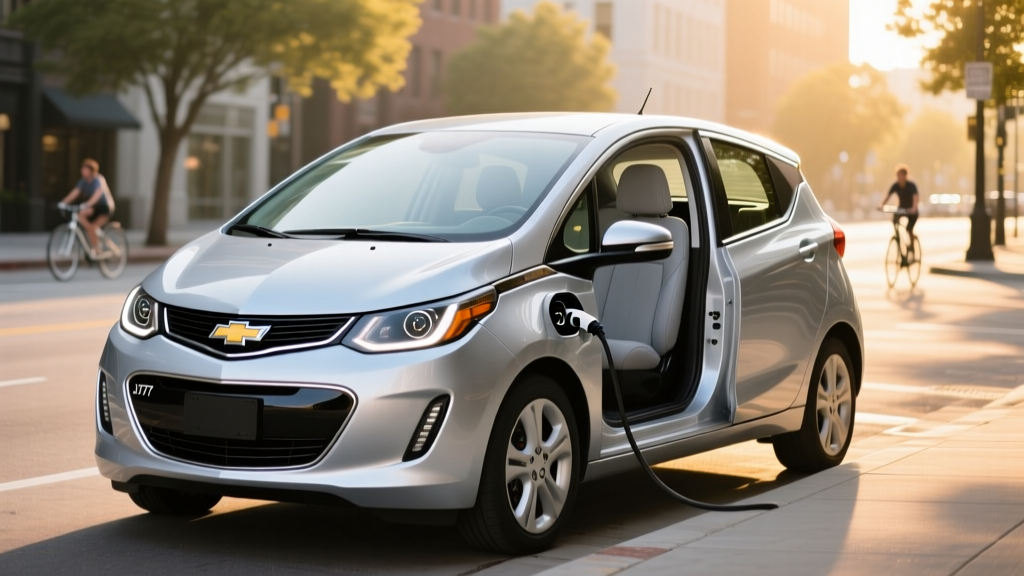
Since the Zoe isn't available stateside, the most useful comparison is against the vehicles U.S. buyers would actually cross-shop: used Chevrolet Bolt EV, Nissan Leaf, and compact gas hatchbacks like the Honda Civic or Toyota Corolla.
| Metric | Renault Zoe (EU Spec) | Chevy Bolt EV (2023, Used) | Honda Civic 2.0L (2025) |
|---|---|---|---|
| EPA / Est. Range | ~210 mi (est. EPA equiv.) | 259 mi (EPA) | ~420 mi (12.4 gal × 33 mpg combined) |
| Battery / Fuel Tank | 52 kWh NMC | 65 kWh NMC | 12.4 gal gasoline |
| DC Fast Charge (peak) | 50 kW | 55 kW (CCS) | N/A |
| 10–80% DCFC Time | ~60 min | ~55 min | ~3 min (refuel) |
| 0–60 mph | ~9.0 sec | 6.5 sec | ~7.9 sec |
| Horsepower | 134 hp | 200 hp | 158 hp |
| Fuel / Energy Cost per Mile | ~$0.04–0.06 (home L2) | ~$0.04–0.06 (home L2) | ~$0.11–0.13 (gas at $3.30/gal) |
| Annual "Fuel" Cost (12,000 mi) | ~$480–$720 | ~$480–$720 | ~$1,320–$1,560 |
| U.S. Dealer Support | None | Yes (GM network) | Yes |
| Federal Tax Credit (§30D) | Not eligible | Eligible when new; used credit up to $4,000 via §25E | N/A |
The Zoe's 50 kW DC charge ceiling is a significant limitation even by 2024–2026 standards. Most modern compact EVs charge at 150 kW or higher. At 50 kW, a 30-minute stop adds roughly 80–100 miles — adequate for planned breaks but noticeably slower than competitors. The Bolt EV isn't much faster at 55 kW, but newer platforms like the Hyundai Kona Electric (100+ kW) and the upcoming affordable models on dedicated 800V architectures leave both behind.
Real Costs of Ownership: Zoe vs. Gas Hatchback
Even though U.S. buyers cannot purchase a Zoe new, understanding its cost profile clarifies the EV-vs-gas economics that apply to any compact electric car you might buy instead.
| Cost Category (5-Year / 60,000 mi) | EV (Zoe-Class Equivalent) | Gas Hatchback (Civic-Class) |
|---|---|---|
| Purchase Price (base, before incentives) | ~$35,000 | ~$25,000 |
| Federal Tax Credit | $0 (Zoe ineligible); up to $7,500 for qualifying U.S. EVs | $0 |
| Fuel / Electricity (12,000 mi/yr) | $2,400–$3,600 (home charging at $0.13/kWh avg) | $6,600–$7,800 (33 mpg at $3.30–$3.50/gal) |
| Maintenance | ~$1,200 (cabin filter, brake fluid, tire rotation) | ~$3,500 (oil changes, filters, spark plugs, brake pads) |
| Insurance (avg) | ~$7,500 (EV premiums run 10–20% higher) | ~$6,500 |
| Tires (replacement at ~40k mi) | ~$800 (EV-specific low-rolling-resistance) | ~$600 |
| Depreciation (est. 5-yr) | ~$18,000–$22,000 | ~$12,000–$14,000 |
| Total 5-Year Cost | ~$50,900–$56,100 | ~$54,200–$57,400 |
The math reveals a near-breakeven scenario over five years when comparing a Zoe-class EV to a gas hatchback — assuming home charging at residential electricity rates. The EV pulls ahead substantially in years 6–10 as maintenance savings compound and the gas car ages. However, if you rely entirely on public DC fast charging at $0.35–$0.50/kWh, the EV's energy cost rises to $0.10–$0.14/mile, erasing much of the fuel-cost advantage. This is why home Level 2 access is the single most important variable in EV ownership economics.
What a First-Time EV Buyer Should Know Before Considering a Zoe
If you've found a Renault Zoe listed through a grey-market importer or are evaluating it as a comparison benchmark, here are the ownership realities that matter:
Home Charging Is Non-Negotiable for This Vehicle
The Zoe's 50 kW DC fast-charge rate means public charging is slow and expensive relative to the vehicle's range. At a public rate of $0.40/kWh, filling the 48 kWh usable battery costs roughly $19 for 150–180 highway miles — about $0.11–$0.13/mile, comparable to a 30 mpg gas car. With home Level 2 charging at $0.13/kWh, that same fill costs ~$6.24, or ~$0.04/mile. Without reliable home or workplace charging, the Zoe's economics deteriorate rapidly.
The CCS2-to-CCS1 Connector Problem
European Zoe models use the CCS2 (Type 2 Combo) connector standard. U.S. public charging infrastructure uses CCS1 (Type 1 Combo) or, increasingly, NACS (Tesla's standard, now adopted by most major automakers). Adapters exist but are not universally available, add cost ($150–$300), and may not support full charge rates. This is a significant practical friction point for any grey-market import.
No U.S. Warranty, No Dealer Network
Renault has no U.S. dealer presence for passenger vehicles. A Zoe imported to the U.S. would carry no manufacturer warranty coverage, no recall support, and no certified service centers. Battery diagnostics, inverter repairs, and software updates would require independent EV specialists — a small and expensive niche. This is the single largest ownership risk.
Cold-Weather Range Loss Is Real
The Zoe's NMC battery loses approximately 25–35% of its range in sustained sub-freezing temperatures, particularly because many trims lack a heat pump. Resistive cabin heating draws 2–4 kW continuously, directly reducing range. In a city like Minneapolis or Denver, a Zoe rated at 210 miles EPA-equivalent might deliver only 120–140 miles in January. Preconditioning the battery while plugged in helps, but the Zoe's thermal management system is less sophisticated than the liquid-cooling-and-heat-pump setups in newer platforms.
Common Misconceptions About the Renault Zoe
| Myth | Fact |
|---|---|
| "The Zoe gets 245 miles of real-world range." | That figure is WLTP combined, which includes extensive low-speed city driving. EPA-equivalent testing yields ~210 miles. Sustained highway driving at 70 mph drops it to 150–180 miles. |
| "It charges fast enough for road trips." | At 50 kW peak DC, 10–80% takes ~60 minutes. That's 2–3× slower than modern 150–250 kW platforms. Road trips require careful planning and patience. |
| "I can buy one in the U.S. and register it easily." | The Zoe was never homologated for U.S. sale. Importing one requires navigating DOT/EPA compliance (the "25-year rule" for most grey imports), which effectively blocks any Zoe built after 2001 from standard registration. |
| "EV batteries need replacing every few years." | NMC batteries in the Zoe degrade approximately 2–3% per year under normal use. Renault's European warranty guarantees 66% State of Health at 8 years/160,000 km. Real-world data from early Zoe owners shows ~80–85% SoH at 100,000 miles. |
| "Electricity is always cheaper than gas." | At home on residential rates ($0.10–$0.18/kWh), yes. On public DCFC at $0.35–$0.50/kWh, the per-mile cost matches or exceeds a 30+ mpg gas car. The savings depend entirely on your charging access. |
Decision Framework: Should You Buy a Zoe, or Something Else?
Choose the Renault Zoe (import/used) if:
- You live in Europe or a market where the Zoe is sold with dealer support
- Your daily commute is under 60 miles round-trip, mostly city driving
- You have reliable home Level 2 charging
- You value a compact footprint for tight urban parking
- You're buying as a second car or city runabout
Choose a U.S.-market alternative (Bolt EV, Kona Electric, Leaf) if:
- You live in the United States and need warranty/dealer support
- Your commute exceeds 80 miles round-trip or includes significant highway driving
- You want DC fast charging above 100 kW for road trips
- You need eligibility for the federal §30D tax credit (up to $7,500 for qualifying new EVs) or the §25E used-EV credit (up to $4,000)
- You drive in cold climates where heat-pump efficiency matters
Choose a gas or hybrid hatchback if:
- You have no home or workplace charging access
- You regularly drive 300+ miles between stops in rural areas or charging deserts
- Your budget is under $20,000 and you need a reliable daily driver now
- You tow anything (the Zoe is not rated for towing)
Frequently Asked Questions
Is the Renault Zoe available in the United States?
No. Renault does not sell passenger vehicles in the U.S. market, and the Zoe was never federally homologated. There is no announced plan for a U.S. launch as of 2026. Grey-market import is effectively blocked by DOT/EPA compliance requirements for vehicles less than 25 years old.
What is the real-world range of the Renault Zoe?
Under WLTP testing, the Zoe achieves 395 km (~245 miles). In real-world U.S.-equivalent conditions, expect approximately 210 miles combined, 150–180 miles at sustained highway speeds, and 120–150 miles in freezing weather with cabin heat. These figures assume a fully charged 52 kWh (48 kWh usable) battery.
How long does it take to charge the Zoe?
On a 50 kW DC fast charger (CCS2), charging from 10% to 80% takes approximately 55–65 minutes. On a 7.4 kW single-phase AC Level 2 charger, a full 0–100% charge takes 7–8 hours. The Zoe's 22 kW three-phase AC capability is rarely usable in the U.S., where three-phase residential power is extremely uncommon.
What battery chemistry does the Zoe use?
The Zoe uses NMC (nickel manganese cobalt) lithium-ion cells supplied primarily by LG Energy Solution. NMC offers higher energy density than LFP (lithium iron phosphate) but is more sensitive to sustained high-State-of-Charge storage and extreme temperatures. For maximum longevity, charge to 80% for daily use and only charge to 100% before long trips.
Does the Zoe qualify for any U.S. tax credits?
No. The Zoe is not sold in the U.S. and is not on the IRS list of qualifying vehicles under §30D (new) or §25E (used). Even if imported, it would not meet the battery-sourcing, critical-mineral, or MSRP-cap requirements. For current federal EV tax-credit eligibility rules, consult IRS.gov §30D guidance.
What should I buy instead of a Zoe in the U.S.?
For a similar compact, affordable EV experience with U.S. dealer support, consider a used Chevrolet Bolt EV (259 miles EPA, eligible for the $4,000 §25E used-EV credit if under $25,000 and income-qualified), a Nissan Leaf (up to 212 miles EPA on SV Plus trims, though CHAdeMO charging limits public network access), or a Hyundai Kona Electric (261 miles EPA, 100+ kW DC charging). According to fueleconomy.gov, the Bolt EV achieves 120 MPGe combined, making it one of the most efficient EVs ever sold in the U.S.
How does the Zoe's charging speed compare to modern EVs?
The Zoe's 50 kW DC peak is below the 2026 compact-EV benchmark. The Hyundai Kona Electric charges at up to 100 kW, the Kia EV6 at up to 240 kW on 800V architecture, and the Tesla Model 3 at up to 170 kW. The industry is moving toward 150–350 kW as standard. The Zoe's charge curve is also relatively flat — it holds close to 50 kW through 50% SoC but tapers significantly above 80%, adding 15–20 minutes for the final 20%. For context on modern charge-curve behavior, see Renault's official Zoe specifications.
Final Assessment
The Renault Zoe is a capable urban EV that served European buyers well as an affordable entry point into electric driving. Its 52 kWh battery, 22 kW AC charging, and compact dimensions make it practical for city commutes with home charging. However, its 50 kW DC charge ceiling, lack of heat pump in many trims, and absence from the U.S. market make it a non-starter for American buyers. If you're researching the Zoe as a benchmark, the data shows that U.S. alternatives like the Bolt EV, Kona Electric, and newer platforms offer meaningfully better range, faster charging, dealer support, and tax-credit eligibility. The Zoe's legacy is as a pioneer — but the EV market it helped create has moved well past its capabilities.