Finding the right pre owned electric vehicle offers in 2026 requires a different strategy than shopping for a used gas car. Instead of checking for oil leaks or transmission shudders, your primary focus must be on battery State of Health (SoH), charging speed capabilities, and software compatibility. The used EV market has matured, offering significant value, but it also presents unique pitfalls regarding warranty coverage and range degradation.
The Quick Answer: What Defines a Good Used EV Deal?
A strong pre-owned EV offer in 2026 is defined by three metrics: a verified battery State of Health (SoH) above 90%, a functional DC fast-charging capability (peak 100 kW or higher), and eligibility for the IRS §25E used clean vehicle credit (up to $4,000). If a seller cannot provide a recent battery health report or the vehicle fails to initiate a fast-charge session, walk away regardless of the mileage or cosmetic condition.
The Financial Reality: Total Cost of Ownership
When evaluating pre owned electric vehicle offers, the sticker price is only the beginning. The true value lies in the operational savings and potential tax incentives. Under current IRS §25E rules, qualifying buyers can claim a tax credit equal to 30% of the sale price, up to a maximum of $4,000, provided the vehicle sells for $25,000 or less and the buyer meets specific income caps.
However, insurance premiums for used EVs can be 15-20% higher than their gas counterparts due to specialized repair requirements. Below is a realistic 5-year cost projection for a typical used EV (e.g., a 2021-2022 Tesla Model 3 or Hyundai Ioniq 5) versus a comparable gas sedan.
| Category | Used EV (Avg. $22k) | Used Gas Sedan (Avg. $18k) |
|---|---|---|
| Purchase Price (after credit) | $18,000 (assuming $4k credit) | $18,000 |
| Energy/Fuel (5 yrs / 60k miles) | $3,600 (Home charging @ $0.16/kWh) | $7,200 (Gas @ $3.50/gal, 28 MPG) |
| Maintenance (5 yrs) | $1,500 (Tires, cabin filters, fluid) | $3,800 (Oil, brakes, belts, trans) |
| Insurance (5 yrs) | $9,000 (Higher premiums) | $7,500 |
| Estimated Repairs | $800 (12V battery, suspension) | $2,200 (Engine/transmission risk) |
| Total 5-Year Cost | $32,900 | $38,700 |
Battery Health: The Heart of the Deal
The battery is the single most expensive component in any EV. In a pre-owned scenario, you are buying the remaining life of that battery. Most modern lithium-ion packs (NMC or LFP chemistry) are designed to retain 70-80% of their original capacity after 100,000 to 150,000 miles. However, a vehicle with 90% SoH is significantly more valuable than one with 75% SoH, even if the latter has lower mileage.
Always request a third-party battery health report or use the vehicle's internal diagnostics to check the "State of Health" percentage. Be wary of vehicles that have been frequently DC fast-charged to 100% or left sitting at 0% for extended periods, as these habits accelerate degradation. For context, a 2021 model with 40,000 miles should ideally show 92-95% SoH. If it shows 85% or lower, the battery may have been subjected to extreme thermal stress or abuse.
Charging Speed and Connector Compatibility
A used EV's value is heavily influenced by how fast it can charge. Older models (2018-2020) may be limited to 50 kW DC fast charging, which adds roughly 100 miles of range in 30 minutes. Newer platforms (2022+) often support 150 kW to 350 kW, allowing for a 10-80% charge in 18-25 minutes.
You must also verify the connector type. While the North American Charging Standard (NACS) is becoming the industry norm for 2025+ models, most pre-owned vehicles from 2020-2024 will feature the CCS1 connector. Ensure the vehicle includes the necessary adapter or that you are comfortable using the CCS network, which is still widely available but transitioning.
Common Misconceptions About Used EVs
- Myth: "I'll need a new battery soon."
Fact: Federal law mandates battery warranties of at least 8 years/100,000 miles. Many 2020 models are still under factory warranty for battery defects. - Myth: "Used EVs don't qualify for tax credits."
Fact: The §25E credit provides up to $4,000 for eligible used EVs sold for $25,000 or less by a licensed dealer. - Myth: "The range will be half of what's on the sticker."
Fact: While degradation occurs, most modern EVs lose only 10-15% of range over the first 5 years. A 250-mile EV from 2021 will likely still offer 215-225 miles of real-world range today.
Decision Framework: Which Used EV Fits Your Life?
Not every pre owned electric vehicle offer is right for every driver. Use this framework to determine if a specific model aligns with your infrastructure and habits.
- Choose a Long-Range BEV (e.g., Model 3, Ioniq 5) if: You have home Level 2 charging, drive more than 40 miles daily, and take road trips of 200+ miles.
- Choose a Used PHEV (e.g., RAV4 Prime, Clariya) if: You lack reliable home charging but want electric commutes, or you frequently drive in extreme cold where BEV range loss is a concern.
- Choose a City EV (e.g., Chevy Bolt, Nissan Leaf) if: Your budget is under $15,000, you have home charging, and 95% of your driving is local.
- Avoid if: You live in an apartment without charging access and your workplace does not offer charging. The public charging cost and time investment will negate most savings.
Inspection Checklist for the Used EV Buyer
Before signing any paperwork, perform these specific checks to ensure the pre owned electric vehicle offers you are considering are legitimate and reliable:
- Cold-Start Test: Start the vehicle when the battery is cold. Listen for loud humming or clicking from the thermal management system, which could indicate a failing coolant pump.
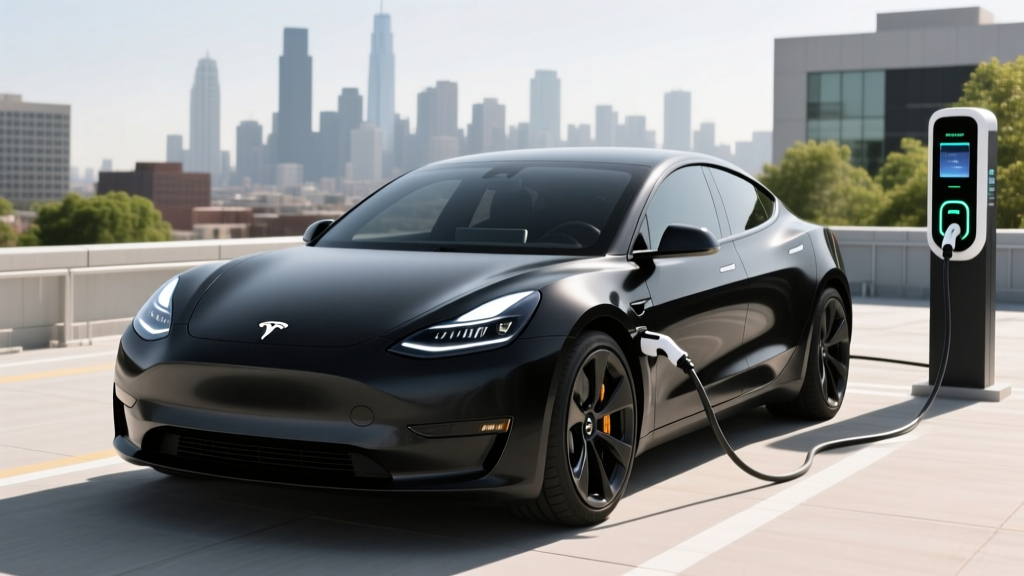
- Charging Test: Plug into a DC fast charger. The vehicle should initiate charging within 2 minutes and ramp up to at least 40 kW within 5 minutes (assuming the battery is below 50% SoC).
- Tire Wear: EVs are heavy and have instant torque. Check for uneven or excessive tire wear, which is a common maintenance cost for previous owners who neglected rotations.
- Software Updates: Ensure the vehicle's infotainment and battery management system (BMS) are up to date. Outdated software can limit charging speeds and range accuracy.
Frequently Asked Questions
Are pre owned electric vehicle offers from private sellers safe?
Private sales can be cheaper, but you lose the eligibility for the $4,000 used EV tax credit (which requires a dealer sale) and often lack the same level of disclosure regarding battery health. Proceed with caution and always hire an EV-specialized mechanic for an inspection.
What is the "buffer" in a used EV battery?
Manufacturers include a "buffer"—extra capacity at the top and bottom of the battery that is hidden from the user. This buffer protects the battery from deep degradation. When you see 100% on the dash, you are actually seeing the top of the usable buffer, not the absolute chemical limit.
Does the original factory warranty transfer to me?
Yes. The 8-year/100,000-mile battery and powertrain warranty mandated by federal law is tied to the vehicle's VIN, not the original owner. If you buy a 2021 model with 40,000 miles, you still have roughly 4 years and 60,000 miles of coverage remaining.