Quick Answer: Is the Porsche Cayenne Electric Car Worth It?
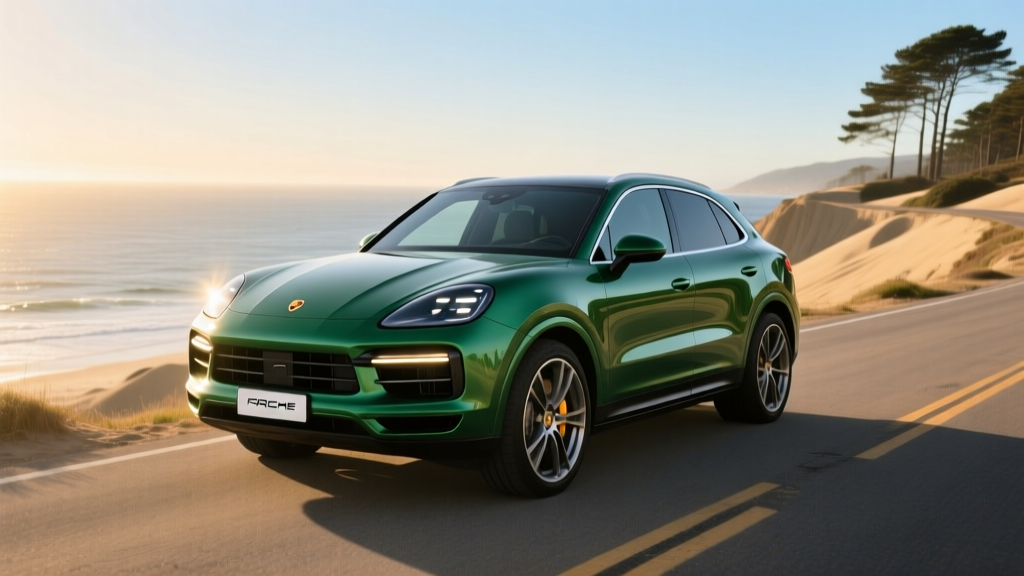
The fully electric Porsche Cayenne EV is expected to reach U.S. dealerships in late 2025 as a 2026 model, built on Porsche's new PPE (Premium Platform Electric) architecture shared with the Macan EV. Preliminary specs point to a dual-motor AWD setup producing up to ~463 hp, an estimated EPA range of 280–310 miles depending on trim, and peak DC fast charging around 270 kW (10–80% in roughly 21 minutes). Pricing is anticipated to start near $85,000 before destination, placing it well above the IRS §30D MSRP cap of $80,000 for SUVs — meaning most buyers will not qualify for the $7,500 federal tax credit. If you want Porsche performance with zero tailpipe emissions and can install a home Level 2 charger, the Cayenne EV is a compelling luxury hauler. If you need tax-credit eligibility or regularly drive in charging deserts, the plug-in hybrid Cayenne E-Hybrid remains a strong bridge option.
Porsche Cayenne EV: Confirmed Specs and What We Know for 2026
Porsche confirmed the electric Cayenne in early 2024, and by the 2026 model year it should be arriving in showrooms alongside the continuing internal-combustion Cayenne and Cayenne E-Hybrid. The EV variant rides on the 800-volt PPE platform — the same architecture underpinning the electric Macan and the Audi Q6 e-tron — which enables both the high charge rates and the performance-oriented torque distribution Porsche buyers expect.
| Spec | Cayenne EV (Base AWD) | Cayenne EV (S / Turbo variants est.) |
|---|---|---|
| Battery (usable) | ~95 kWh (NMC) | ~95–100 kWh (NMC) |
| EPA Range (est.) | 290–310 mi | 260–285 mi |
| Horsepower | ~402 hp | ~463–603 hp |
| 0–60 mph | ~4.7 sec | ~3.5–3.9 sec |
| Peak DC Fast Charge | 270 kW | 270 kW |
| 10–80% DC Charge Time | ~21 min | ~21 min |
| Level 2 Charge Rate | 11 kW (AC onboard) | 11 kW (AC onboard) |
| Platform | PPE (800V architecture) | |
| Drivetrain | Dual-motor AWD | |
| Base MSRP (est.) | ~$85,000 | ~$95,000–$120,000+ |
| Battery Warranty | 8 yr / 100,000 mi (est., ≥70% capacity retention) | |
Note: These figures are preliminary based on Porsche's PPE platform disclosures and Macan EV benchmarks. Final EPA certifications will be published closer to the U.S. launch. Source: Porsche Newsroom.
Real-World Range vs. EPA Estimate
Porsche's PPE vehicles have shown strong efficiency in European WLTP testing, but U.S. EPA numbers are typically 10–15% lower. Based on the Macan EV's EPA results, expect the Cayenne EV base to land around 290–310 miles EPA. In real-world highway driving at 70–75 mph, plan for roughly 245–270 miles. In cold weather (below 30°F), lithium-ion chemistry and cabin heating demands can reduce range by 15–25%, bringing usable range down to 220–250 miles on the base model. The Cayenne EV's heat pump (expected standard) mitigates some of this loss compared to resistive heating systems.
Charging the Cayenne EV: Home, Public, and the 800V Advantage
The 800-volt PPE platform is the Cayenne EV's ace for fast charging. At a compatible 350 kW DC fast charger (like Electrify America's newest stalls), the Cayenne EV should peak at 270 kW, adding roughly 150 miles of range in 10 minutes. However, like all EVs, the charge curve tapers significantly above 80% SoC to protect battery health. A 10–80% session takes about 21 minutes, but 80–100% can add another 25–30 minutes. For road trips, plan your stops around the 10–80% window.
| Charging Level | Power (kW) | Miles of Range Added per Hour | Typical Use Case |
|---|---|---|---|
| Level 1 (120V household) | ~1.4 kW | ~4–5 mi/hr | Emergency / overnight trickle |
| Level 2 (240V, 48A home charger) | ~11.5 kW | ~35–40 mi/hr | Daily home charging (~8 hrs for full charge) |
| DC Fast Charge (peak) | Up to 270 kW | ~650+ mi/hr (peak rate) | Road trips; 10–80% in ~21 min |
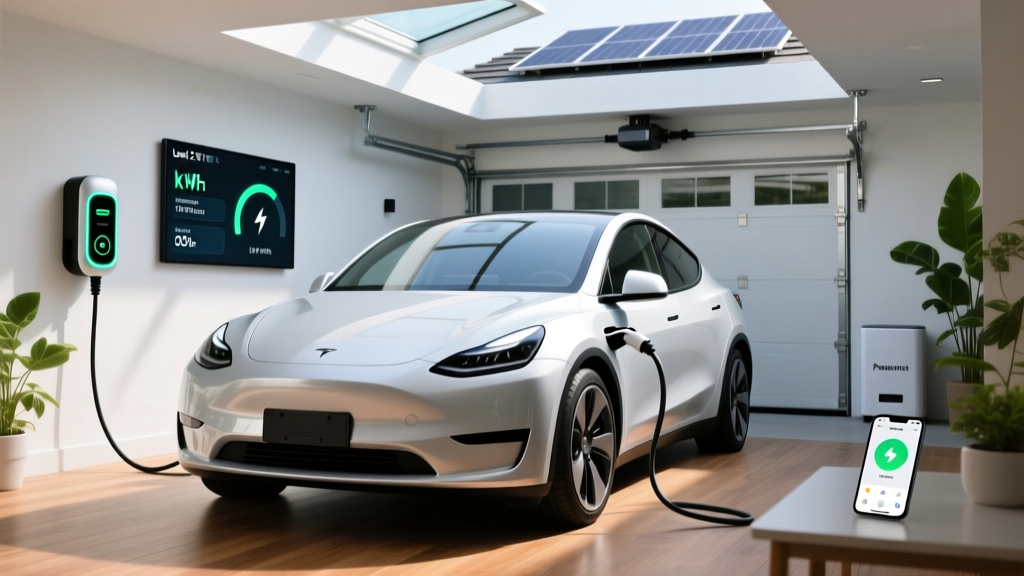
Home charging reality check: To get the full 11 kW Level 2 rate, you'll need a dedicated 240V/60A circuit with a hardwired wall connector (like the Porsche Mobile Charger Connect or a third-party unit such as the ChargePoint Home Flex). Installation typically runs $1,200–$3,500 depending on panel proximity and whether your home's electrical panel needs a 200A upgrade ($2,000–$4,000 additional). Always get a quote from a licensed electrician before committing to the vehicle.
On the connector front, the 2026 Cayenne EV will ship with a NACS (North American Charging Standard) port in the U.S. market, following Porsche's 2024 announcement to adopt Tesla's connector. This gives Cayenne EV owners direct access to Tesla Supercharger stations (over 25,000 stalls in North America) via the built-in NACS port — a significant advantage over CCS-only vehicles that require adapters.
Cayenne EV vs. Cayenne Gas vs. Cayenne E-Hybrid: Cost & Capability Compared
The Cayenne lineup now spans three powertrains. Here's how they stack up on the metrics that matter to buyers.
| Metric | Cayenne EV (est.) | Cayenne E-Hybrid (PHEV) | Cayenne (Gas, base V6) |
|---|---|---|---|
| Base MSRP | ~$85,000 | ~$92,000 | ~$82,000 |
| EPA Range / Fuel Economy | ~300 mi / ~80 MPGe | ~15 mi electric + ~430 mi total / ~46 MPGe | ~19/24 mpg (city/hwy) |
| Energy Cost per Mile | ~$0.045 (at $0.15/kWh) | ~$0.07 (blended) | ~$0.18 (at $3.80/gal) |
| Annual "Fuel" Cost (12,000 mi) | ~$540 | ~$840 | ~$2,160 |
| Annual Maintenance (est.) | ~$300 | ~$600 | ~$750 |
| 0–60 mph | ~4.7 sec | ~5.5 sec | ~5.9 sec |
| Federal Tax Credit (§30D) | Unlikely (MSRP cap $80K SUV) | Possible if eligible trim ≤$80K | N/A |
| Home Charging Required? | Strongly recommended | Recommended for EV-mode savings | No |
The math on fuel savings: Over a typical 5-year ownership period at 12,000 miles/year, the Cayenne EV saves roughly $8,100 in energy costs compared to the gas Cayenne (assuming $0.15/kWh national average electricity and $3.80/gallon gas). Add in reduced maintenance — no oil changes, fewer brake replacements thanks to regenerative braking, no transmission fluid — and you recover another $2,000–$2,500. That's approximately $10,000–$10,600 in 5-year operating savings, which partially offsets the EV's higher sticker price. However, the EV's higher purchase price, potentially steeper insurance premiums (EV collision repair costs run 15–25% higher), and faster initial depreciation on luxury EVs mean the total cost of ownership gap narrows considerably.
Federal Tax Credit and Incentives: What Cayenne EV Buyers Should Know
Under current IRS §30D rules, the federal clean vehicle credit offers up to $7,500 — but with strict eligibility gates:
- MSRP cap: SUVs must have an MSRP of $80,000 or less. The Cayenne EV's estimated starting price of ~$85,000 puts it above this threshold.
- Buyer income limits: Adjusted gross income cannot exceed $300,000 (joint filers), $225,000 (head of household), or $150,000 (single).
- Battery sourcing requirements: Critical minerals and battery components must meet escalating domestic/free-trade-partner percentages each year. Porsche's supply chain details for the Cayenne EV have not yet been confirmed for §30D compliance.
- Point-of-sale transfer: If eligible, the credit can be applied at the dealership as an immediate price reduction rather than a tax-time refund.
Bottom line: Given the Cayenne EV's price positioning, most buyers should not count on the $7,500 federal credit. Some states offer additional rebates (California's CVRP, Colorado's innovative motor vehicle credit, etc.) that may apply — check your state incentive database for current programs. Always consult a tax professional for your specific situation.
5-Year Cost of Ownership Breakdown
| Category | Cayenne EV (est.) | Cayenne Gas (base) |
|---|---|---|
| Purchase Price (base MSRP) | $85,000 | $82,000 |
| Federal Tax Credit | $0 (over MSRP cap) | $0 |
| Home Charger Install | $2,500 | $0 |
| Energy/Fuel (5 yrs, 60K mi) | $2,700 | $10,800 |
| Maintenance (5 yrs) | $1,500 | $3,750 |
| Insurance (5 yrs, est.) | $14,000 | $11,500 |
| Estimated Depreciation (5 yrs) | $42,500 (50%) | $36,900 (45%) |
| Total 5-Year Cost | ~$148,200 | ~$144,950 |
The Cayenne EV's energy and maintenance savings are real and substantial — about $10,350 over 5 years. But higher insurance premiums (luxury EVs carry steeper collision-repair costs due to battery pack proximity and specialized bodywork), the home charger installation, and likely steeper depreciation on a first-generation EV platform mean the total ownership costs are roughly comparable. The EV wins on driving refinement and daily fueling convenience (if you charge at home), not on pure financials.
Common Misconceptions About the Cayenne EV
| Myth | Fact |
|---|---|
| "It'll get the $7,500 tax credit." | Almost certainly not — the estimated $85K+ MSRP exceeds the §30D $80,000 SUV cap. State incentives may still apply. |
| "The range is too low for road trips." | With ~290–310 miles EPA and 270 kW peak charging, you can add ~150 miles in 10 minutes at a compatible DC fast charger. Plan stops around the 10–80% window and road trips are practical. |
| "It's basically a rebadged Audi." | While the Cayenne EV shares the PPE platform with the Audi Q8 e-tron successor, Porsche tunes its own suspension, steering, torque vectoring, and thermal management. The driving dynamics are distinctly Porsche. |
| "I don't need home charging — public chargers are everywhere." | Public DC fast charging costs 2–4× more per kWh than home charging ($0.40–$0.60/kWh at Electrify America vs. $0.15/kWh at home). Without home charging, your annual "fuel" cost nearly triples, erasing the EV's operating-cost advantage. |
| "The battery will need replacing in a few years." | Porsche's PPE battery packs use advanced NMC chemistry with active thermal management. The expected warranty covers 8 years/100,000 miles at ≥70% capacity retention. Industry data shows modern liquid-cooled packs typically retain 85–90% capacity at 100K miles. |
Decision Framework: Should You Buy the Cayenne EV, the E-Hybrid, or Wait?
Choose the Cayenne EV if:
- You have reliable access to home Level 2 charging (garage or driveway with a 240V circuit).
- Your daily driving is under 200 miles round-trip, with occasional road trips where you can plan DC fast-charge stops.
- You prioritize instant torque, a silent cabin, and the lowest per-mile energy cost.
- You live in a region with robust public charging infrastructure (e.g., West Coast, Northeast corridor, major metros).
- You want Porsche performance with zero tailpipe emissions and are comfortable paying a premium for it.
Choose the Cayenne E-Hybrid (PHEV) if:
- You can't install a home charger or frequently drive in areas with sparse DC fast-charging infrastructure.
- You want electric-only commuting (~15 miles) with the gas-engine safety net for long road trips.
- A qualifying E-Hybrid trim falls under the $80,000 MSRP cap, making the §30D credit possible.
- You regularly tow heavy loads (the gas engine supplements the battery under sustained high-load conditions).
Wait if:
- You need confirmed EPA range and final pricing before committing — Porsche should release certified figures closer to the U.S. launch date.
- You're hoping for a lower-priced trim or a rear-wheel-drive variant that might dip under the tax-credit MSRP cap.
- Solid-state battery timelines matter to you — Porsche has indicated next-gen battery chemistries are in development but won't appear in the 2026 Cayenne EV.
First-Time EV Buyer Checklist for the Cayenne EV
If this is your first electric vehicle, here's what to sort out before signing the purchase agreement:
- Electrical panel assessment: Have a licensed electrician evaluate whether your panel can support a 60A dedicated circuit. A 200A panel is typically required; older homes with 100A service may need an upgrade ($2,000–$4,000).
- Utility rate plan: Many utilities offer time-of-use (TOU) plans that drop electricity to $0.08–$0.10/kWh overnight. Charging your Cayenne EV on a TOU plan can cut your annual energy cost to under $400.
- Insurance quotes: Get quotes before buying. Luxury EVs can carry premiums 15–30% higher than their gas counterparts due to battery replacement costs and specialized repair networks.
- Charging apps: Download PlugShare, A Better Routeplanner (ABRP), and the Porsche Charging Service app before delivery. ABRP can model your specific routes with the Cayenne EV's charge curve and elevation data.
- Cold-weather prep: If you live in a sub-freezing climate, preconditioning the battery while plugged in (using the Porsche app) before driving preserves range and enables faster DC charging. Budget for 15–25% range loss in winter.
Frequently Asked Questions
When will the Porsche Cayenne EV be available in the U.S.?
Porsche has confirmed the electric Cayenne for production, with the U.S. market expected to receive it as a 2026 model year vehicle. Deliveries should begin in late 2025 or early 2026. Final EPA certification and pricing will be published closer to launch.
Will the Cayenne EV have access to Tesla Superchargers?
Yes. Porsche has committed to the NACS connector for its U.S.-market EVs. The 2026 Cayenne EV should ship with a native NACS port, enabling direct access to Tesla's Supercharger network without an adapter.
How long does it take to charge the Cayenne EV at home?
On a Level 2 home charger delivering 11 kW, a full 0–100% charge of the ~95 kWh battery takes approximately 9–10 hours. In practice, most owners plug in nightly and charge from 20–80% in about 5 hours, waking to a full battery every morning.
Is the Cayenne EV eligible for any federal or state incentives?
The federal §30D credit is unlikely due to the estimated MSRP exceeding the $80,000 SUV cap. However, state-level incentives (such as Colorado's up-to-$5,000 credit or utility company rebates for charger installation) may still apply. Check the Alternative Fuels Data Center for your state's current programs.
How does the Cayenne EV compare to the Tesla Model X or BMW iX?
The Cayenne EV targets a different buyer than the Model X — Porsche prioritizes driving dynamics, build quality, and dealer service over software-centric features and price. Against the BMW iX xDrive50 (EPA 307 mi, ~$87K), the Cayenne EV will compete closely on range and price but should offer sharper handling. The Tesla Model X (EPA 335 mi, ~$80K) offers more range and Supercharger maturity but a less premium interior and aging platform.
What happens if the Cayenne EV battery degrades?
Porsche's PPE battery uses liquid-cooled NMC cells with active thermal management — the same proven approach in the Taycan. The expected warranty covers capacity retention of ≥70% for 8 years or 100,000 miles. Taycan owners have reported minimal degradation (3–5% loss) at 50,000 miles, suggesting the Cayenne EV pack should retain strong capacity well past the warranty period.