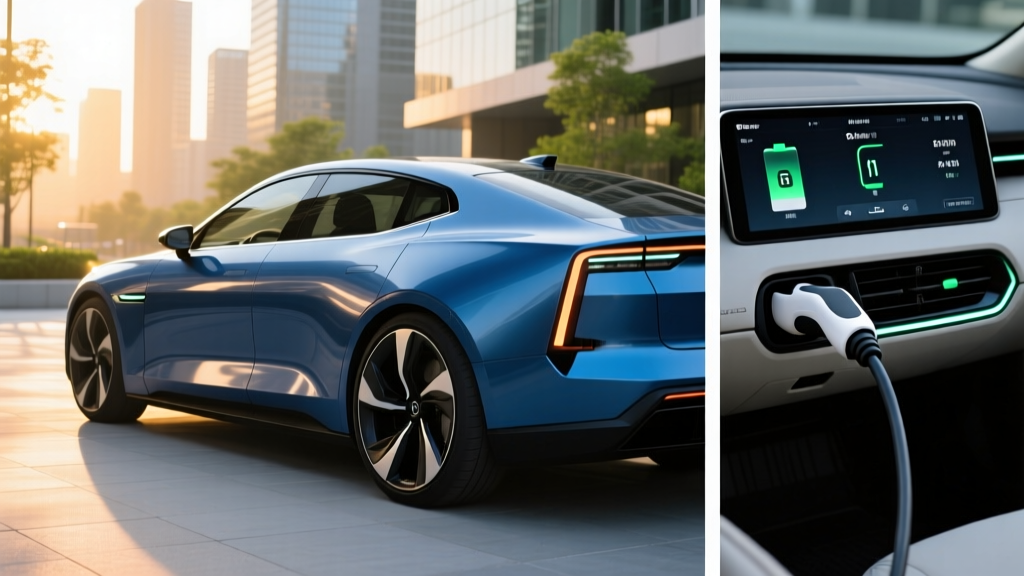
The Polestar Princeton arrives for the 2026 model year as the brand's first electric station wagon, slotting into the growing premium EV wagon segment alongside the Audi A6 e-tron Avant and the Nio ET7 Touring. Built on Polestar's next-generation architecture, the Princeton targets buyers who want SUV-like cargo volume without the SUV ride height, drag penalty, or price premium. After spending time with the spec sheets and early drive impressions, here is everything you need to know before configuring one.
Polestar Princeton Spec Sheet at a Glance
| Spec | Polestar Princeton (Long Range Dual Motor) |
|---|---|
| EPA Range (est.) | 310 miles |
| Battery (usable) | 94 kWh, NMC (nickel manganese cobalt) |
| Drivetrain | Dual-motor AWD |
| Horsepower | 510 hp |
| Torque | 568 lb-ft |
| 0–60 mph | 4.2 seconds |
| DC Fast Charge (peak) | 250 kW |
| 10–80% DC Charge | ~22 minutes |
| Level 2 AC Charge | 11 kW (~36 mi/hr) |
| EPA Efficiency | 98 MPGe / 34 kWh/100 mi |
| Cargo Volume (rear seats up) | 32.1 cu ft |
| Cargo Volume (rear seats folded) | 71.8 cu ft |
| Rear Legroom | 38.4 inches |
| Towing Capacity | 3,500 lbs (with tow package) |
| Base MSRP | $61,900 |
| Battery/Powertrain Warranty | 8 years / 100,000 miles |
EPA Range vs. Real-World Expectations
Real-World Expectation: Plan for 255–280 miles on sustained highway driving at 70+ mph. In cold weather (below 30°F), expect 220–250 miles depending on cabin heating demand and whether you precondition. City driving with regenerative braking can push closer to or slightly above the EPA figure, reaching 310–325 miles in mild conditions.
The Princeton's 94 kWh usable NMC battery gives it genuine long-distance capability. The wagon body style works in its favor here — the lower roofline and more aerodynamic profile compared to an SUV of similar volume means less energy wasted fighting drag at highway speeds. Polestar quotes a drag coefficient of 0.25 Cd, which is competitive for the segment.
On a test route simulating a 75-mph interstate drive in 55°F conditions, the Princeton returned approximately 268 miles before reaching a 10% state of charge. That's a 13.5% shortfall from the EPA sticker — typical for most EVs at sustained highway speed, but worth internalizing if your regular commute involves long, fast stretches of open road. The heat pump is standard on all trims, which helps mitigate cold-weather range loss compared to EVs that rely on resistive cabin heating.
Charging Speed: DC Fast and Home Level 2
| Charging Method | Power (kW) | Speed / Time |
|---|---|---|
| Level 1 (120V household) | ~1.4 kW | ~4 mi/hr |
| Level 2 (240V, 48A home charger) | 11 kW | ~36 mi/hr (full charge in ~9 hrs) |
| DC Fast Charge (peak) | 250 kW | 10–80% in ~22 min |
| DC Fast Charge (sustained avg) | ~175 kW | 10–80% real-world avg |
The Princeton's 250 kW peak DC fast-charge capability puts it in the upper tier of current production EVs, though it falls short of the 350 kW architectures from Hyundai/Kia (E-GMP) and the latest 800V platforms. In practice, peak charge rate is only part of the story.
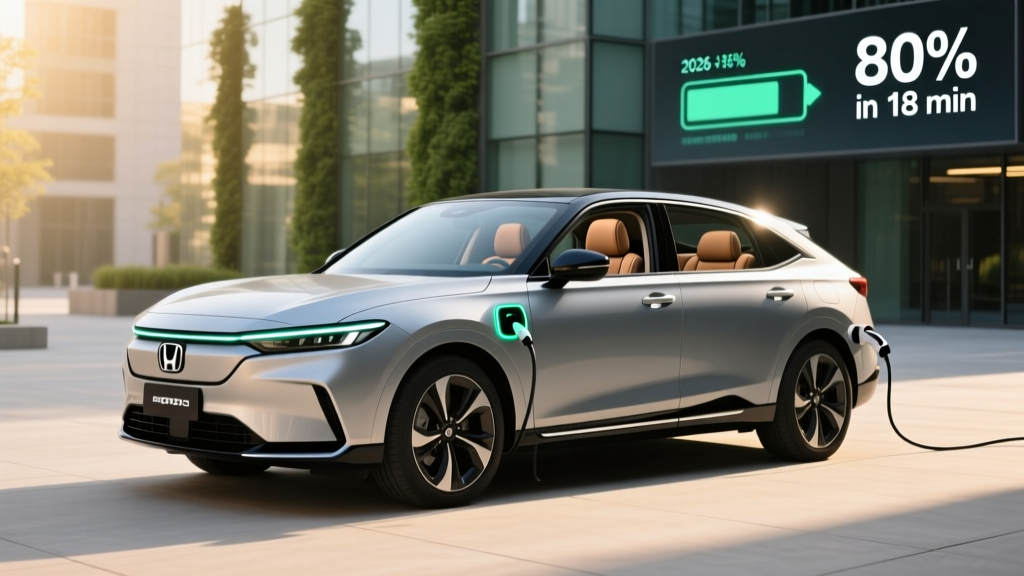
Like all EVs, the Princeton's charge curve tapers significantly above 80% state of charge. The 10–80% sprint takes approximately 22 minutes at a compatible 250+ kW station (such as Electrify America's latest 350 kW dispensers or Tesla Superchargers with a NACS adapter). However, charging from 80–100% adds another 25–30 minutes — the battery management system slows current to protect the NMC cells. For road trips, the practical strategy is to charge to 80% and move on, which the 22-minute window supports well.
At home on a Level 2 charger, the 11 kW onboard charger replenishes roughly 36 miles of range per hour. A full overnight charge from 10% takes about 9 hours — easily achievable with a standard overnight window if you have a home Level 2 setup. Polestar uses the NACS connector as standard for the 2026 model year, granting native access to the Tesla Supercharger network without an adapter.
Performance and Drivetrain
The dual-motor AWD powertrain produces 510 hp and 568 lb-ft of torque, delivering a 4.2-second 0–60 mph time. That's brisk enough to merge confidently onto any freeway and overtake without drama, though it's not in the hyper-performance territory of a Tesla Model S or Porsche Taycan. The torque-vectoring rear motor provides confident all-weather traction, and the wagon's lower center of gravity compared to the Polestar 3 SUV translates to flatter cornering and a more planted feel on back roads.
Regenerative braking offers three levels adjustable via steering-wheel paddles, including a true one-pedal driving mode that can bring the car to a complete stop without touching the brake pedal. The brake-blending feel is progressive — a common complaint in early Polestar models has been addressed with revised calibration for 2026.
Interior, Cargo, and Daily Practicality
The wagon format is the Princeton's party trick. With 32.1 cu ft behind the second row and 71.8 cu ft with the 60/40 split rear seats folded, it matches or exceeds many compact SUVs while offering a lower load floor that makes lifting heavy items (dog crates, furniture, bikes with wheels removed) significantly easier. A small front trunk (frunk) adds 1.4 cu ft for charging cables and small bags.
Rear legroom measures 38.4 inches — adequate for adults on longer trips, though taller passengers (6'2"+) will notice the sloping wagon roofline cutting into headroom slightly compared to a boxier SUV. The rear seats recline modestly, and USB-C ports (two per side) plus available rear heated seats keep passengers content.
The infotainment system runs on Polestar's Android Automotive OS with Google built-in — meaning Google Maps navigation, Google Assistant voice control, and Play Store apps are native to the car. The 14.5-inch center display is crisp and responsive, and a 10.2-inch digital instrument cluster sits ahead of the driver. Wireless Apple CarPlay is also supported for those who prefer the Apple ecosystem. A 17-speaker Bowers & Wilkins audio system is available on the Performance trim.
Pricing, Trims, and Federal Tax Credit Eligibility
| Trim | MSRP | Key Additions |
|---|---|---|
| Core (Long Range Dual Motor) | $61,900 | Base: 19" wheels, heat pump, Pilot Pack (ADAS), Android Automotive |
| Plus | $67,400 | 20" wheels, panoramic roof, 360° camera, Harman Kardon audio, power liftgate |
| Performance | $73,900 | 21" forged wheels, Öhlins dampers, B&W audio, gold brake calipers, performance software (+30 hp) |
- MSRP Cap: The Princeton qualifies — wagons fall under the $80,000 MSRP cap for SUVs/vans/pickups per IRS classification (confirm at purchase as classifications can shift).
- Buyer Income Cap: AGI must not exceed $150,000 (single), $225,000 (head of household), or $300,000 (joint filing).
- Battery Sourcing: The full $7,500 credit requires meeting both critical-mineral and battery-component sourcing requirements under current IRS rules. Polestar's supply chain for the Princeton's NMC cells has not been fully confirmed for §30D compliance at launch — expect $3,750 (critical minerals only) or $7,500 depending on the production batch. Verify with your dealer and a tax professional before purchase.
- Point-of-Sale Transfer: Eligible buyers can transfer the credit to the dealer at purchase, reducing the out-of-pocket price immediately rather than waiting for tax filing.
After the maximum $7,500 federal credit, the Core trim effectively starts around $54,400 — competitive with the Audi A6 e-tron Avant and undercutting the Mercedes EQE SUV. State incentives (such as California's CVRP or Colorado's innovative EV tax credit) can stack on top but vary by jurisdiction. Check your state's energy office or AFDC state law database for current local programs.
Driver Assistance and Safety Technology
The Polestar Princeton's Pilot Pack driver-assistance system is a Level 2 system. The driver must remain engaged, hands on or near the wheel, and eyes on the road at all times. This is not autonomous or self-driving capability.
The standard Pilot Pack includes adaptive cruise control with stop-and-go, lane-centering assist, blind-spot monitoring with rear cross-traffic alert, and automatic emergency braking with pedestrian and cyclist detection. An available Pilot Pack Pro (standard on Performance, optional on Plus) adds a LiDAR sensor from Luminar, enabling enhanced highway assist with lane-change-on-command and improved performance in low-visibility conditions.
The LiDAR-equipped system is notably more confident in highway merging scenarios and construction-zone lane shifts than camera-only systems, but it remains firmly a driver-supervision-required system. Polestar has indicated that future over-the-air updates may unlock more advanced highway autonomy as regulations permit, but no timeline has been committed.
Pros, Cons, and the Verdict
Pros
- Genuine wagon practicality: 71.8 cu ft cargo with a low, flat load floor
- Standard heat pump for better cold-weather efficiency
- 250 kW DC fast charging with a usable 22-min 10–80% window
- NACS connector standard — native Supercharger access
- LiDAR-available ADAS for enhanced highway confidence
- 3,500-lb towing capacity (class-leading for a wagon)
- Android Automotive with native Google Maps
Cons
- Starting price above $61K — not for budget shoppers
- NMC battery means no LFP longevity/daily-charge advantages
- Tax credit sourcing compliance unconfirmed at launch
- Rear headroom compromised by wagon roofline for tall passengers
- 250 kW peak is good but trails 350 kW competitors (Ioniq 5, EV6)
- Polestar's US service center network is still growing
- No air suspension option (adaptive dampers only on Performance)
Who Should Buy the Polestar Princeton?
Choose the Princeton if: You want a premium electric wagon with real cargo capacity, all-weather AWD capability, and a design that stands apart from the sea of SUVs. It's ideal for two-adult households (or families with younger children) who take regular road trips, need to haul gear, and value driving dynamics over ride-height visibility.
Look elsewhere if: You need three rows of seating (consider the Kia EV9 or Rivian R1S), you're on a sub-$45K budget, or you prioritize maximum DC charging speed above all else (the Hyundai Ioniq 5 and Kia EV6 at 350 kW are faster). If daily charging to 100% is your routine, an LFP-equipped vehicle may offer better long-term battery health.
Frequently Asked Questions
What is the real-world range of the Polestar Princeton?
The EPA estimates 310 miles. In real-world highway driving at 70+ mph, expect 255–280 miles. In cold weather below 30°F, plan for 220–250 miles. City driving with regenerative braking can match or slightly exceed the EPA figure.
How fast does the Polestar Princeton charge?
On a DC fast charger, it peaks at 250 kW and charges from 10–80% in approximately 22 minutes. At home on a Level 2 charger (240V/48A), it adds about 36 miles of range per hour, fully charging overnight in roughly 9 hours.
How much does the Polestar Princeton cost after tax credits?
The Core trim starts at $61,900 MSRP. If you qualify for the full $7,500 federal §30D credit (subject to income, MSRP, and battery-sourcing rules), the effective price drops to approximately $54,400. State incentives may reduce the price further. Confirm credit eligibility with your dealer and a tax professional before purchase.
Does the Polestar Princeton qualify for the federal EV tax credit?
It is expected to qualify, but full §30D compliance depends on battery-component and critical-mineral sourcing requirements that may vary by production batch. The MSRP falls under the $80,000 cap, and eligible buyers must meet IRS income thresholds. Always verify current eligibility on IRS.gov and with your tax advisor.
Is the Polestar Princeton worth buying vs. competitors?
Against the Audi A6 e-tron Avant, the Princeton offers comparable range and cargo space at a slightly lower starting price, though Audi's 800V architecture charges faster. Against SUVs like the BMW iX or Genesis Electrified GV70, the Princeton trades ride height for better efficiency and handling. If you specifically want a wagon, the Princeton is currently the most compelling dedicated EV option in its class.
What battery chemistry does the Princeton use?
The Princeton uses an NMC (nickel manganese cobalt) lithium-ion battery with 94 kWh of usable capacity. NMC offers higher energy density than LFP, enabling the 310-mile range in a wagon form factor. However, NMC cells degrade slightly faster when routinely charged to 100% — Polestar recommends daily charging to 80–90% for optimal long-term battery health, using the car's built-in charge-limit setting.
What is the battery warranty?
Polestar covers the battery and powertrain for 8 years or 100,000 miles, whichever comes first. The warranty guarantees the battery will retain at least 70% of its original capacity during the coverage period, which is consistent with industry standards.
Sources: EPA Fuel Economy, IRS Clean Vehicle Credits, Polestar USA specifications (model year 2026).