The Volvo Wagon Dilemma: Full EV or Plug-In Hybrid?
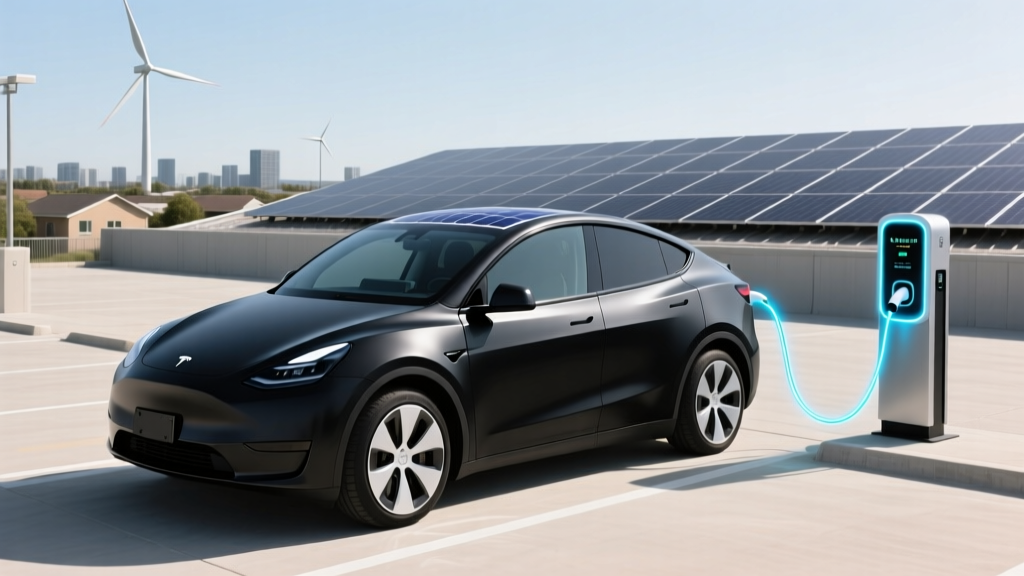
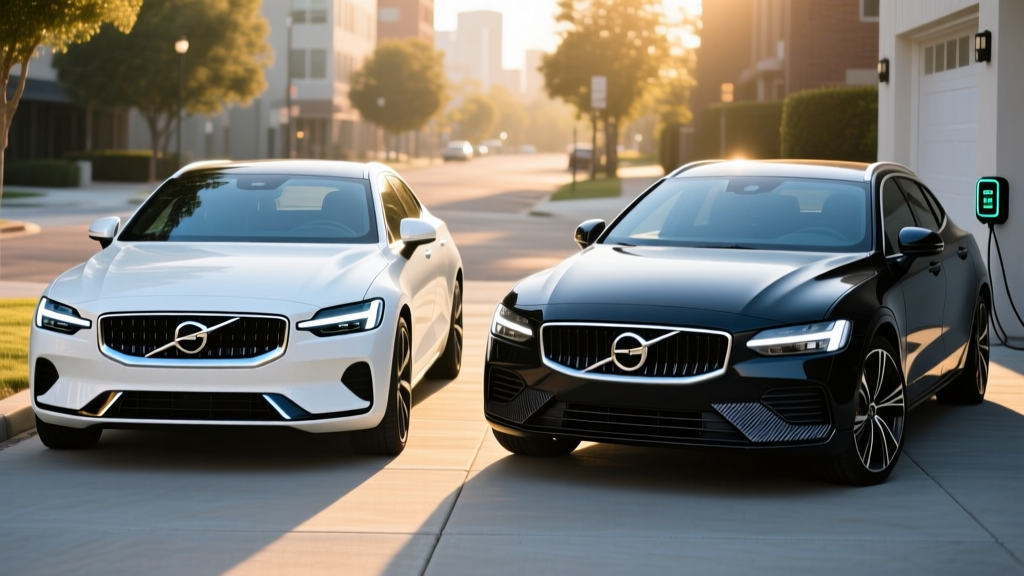
Search for "v60 polestar" and you'll land on two very different vehicles wearing the same gold-seatbelt badge. The Volvo V60 Polestar Engineered is a plug-in hybrid (PHEV) wagon that pairs a turbocharged and supercharged gas engine with an electric motor and an 18.8 kWh battery. The Polestar 2 is a fully electric fastback that shares Volvo's CMA platform but ditches the engine entirely for a 78 kWh (usable) NMC battery. Both wear Polestar tuning, both target driving enthusiasts who need cargo space, and both sit in the $50,000–$65,000 bracket before incentives.
This review breaks down every number that matters—range, charging speed, real-world efficiency, tax credit eligibility, and five-year ownership cost—so you can pick the right one without guessing.
Spec Sheet at a Glance: Polestar 2 vs V60 Polestar Engineered
| Spec | Polestar 2 Long Range Dual Motor | Volvo V60 Polestar Engineered (PHEV) |
|---|---|---|
| Powertrain | Dual-motor AWD, BEV | 2.0L turbo+super I-4 + rear e-motor, PHEV AWD |
| Horsepower | 421 hp | 455 hp (combined system) |
| 0–60 mph | 4.3 sec | 4.3 sec |
| Battery (usable) | 78 kWh, NMC | 18.8 kWh, NMC |
| EPA Electric Range | 276 mi | 35 mi (electric-only) |
| EPA Combined MPGe / MPG | 92 MPGe | 63 MPGe (elec+gas) / 30 MPG (gas-only) |
| Max DC Fast Charge | 200 kW | Not capable (Level 2 max only) |
| 10–80% DC Charge Time | ~28 min | N/A |
| Level 2 Charge Rate | 11 kW (~35 mi/hr) | 3.6 kW (~12 mi/hr) |
| Cargo Volume | 14.4 cu ft (rear seats up) / 36.7 cu ft (folded) | 23.2 cu ft / 50.9 cu ft |
| Base MSRP | $54,800 | $72,350 |
| Battery Warranty | 8 yr / 100,000 mi | 8 yr / 100,000 mi (hybrid components) |
Sources: fueleconomy.gov, Polestar and Volvo USA spec sheets.
Real-World Range: What the EPA Sticker Doesn't Tell You
EPA Estimate: 276 miles
Real-World Highway (70 mph, 68°F): ~240–255 miles
Real-World Cold Weather (30°F, mixed driving): ~200–220 miles
Why the gap: The Polestar 2's heat pump (standard on 2025+ models) reduces cold-weather losses compared to resistive heating, but highway speeds above 70 mph still push consumption to ~32 kWh/100 mi vs. the EPA-rated 28 kWh/100 mi combined.
For the V60 Polestar Engineered, the 35-mile electric-only range is EPA-rated and holds up reasonably well in city driving at low speeds. On the highway, expect that electric-only range to shrink to roughly 25–28 miles before the gas engine kicks in. Once the battery is depleted, the V60 operates as a conventional hybrid returning approximately 30 MPG combined. For a 350-mile road trip, you'll use about 9 gallons of premium fuel after the first 30 electric miles.
The Polestar 2 can complete that same trip with one 28-minute DC fast-charge stop, provided you're routing through areas with reliable 150+ kW chargers. The V60 requires no charging stops but costs more per mile on longer journeys.
Charging Speed: Where the Polestar 2 Pulls Ahead
| Charging Method | Polestar 2 (BEV) | V60 Polestar Engineered (PHEV) |
|---|---|---|
| Level 1 (120V, 1.4 kW) | ~5 mi/hr — 55+ hours for full charge | ~4 mi/hr — ~5 hours for full battery |
| Level 2 (240V, home) | 11 kW — ~7 hours 0–100% (~35 mi/hr) | 3.6 kW — ~5 hours 0–100% (~12 mi/hr) |
| DC Fast Charge | 200 kW peak — 10–80% in ~28 min | Not supported |
| Cost per "full tank" | ~$10–$14 (home, $0.14/kWh avg) | ~$3.50 elec + ~$35 gas (350-mi trip) |
A critical detail for Polestar 2 buyers: the 200 kW peak charge rate only sustains between roughly 10% and 40% state of charge (SoC). Above 60%, the charge curve tapers significantly, dropping to ~80 kW by 80% SoC. This is normal for NMC chemistry but means your actual average charge rate over a 10–80% session is closer to 130–140 kW, not 200 kW.
The V60's 3.6 kW onboard charger is the PHEV's weak link. Even with a dedicated 240V circuit, filling the 18.8 kWh battery takes about five hours. Most PHEV owners charge overnight and start each morning with a full battery—which is perfectly adequate for 35 electric miles of daily commuting.
Pricing, Trims, and Federal Tax Credit Eligibility
| Cost Factor | Polestar 2 LRDM | V60 Polestar Engineered |
|---|---|---|
| Base MSRP | $54,800 | $72,350 |
| As-Tested (Performance/Plus packs) | $60,300 | $74,500 |
| Federal §30D Credit Eligibility | Up to $7,500 (if sourcing rules met) | Up to $7,500 (PHEV ≥4 kWh battery) |
| MSRP Cap (SUVs/vans: $80K; cars: $55K) | $54,800 base qualifies (sedan cap $55K) | Classified as wagon/SUV — $80K cap, qualifies |
| Buyer Income Cap (AGI) | $150K single / $300K joint | $150K single / $300K joint |
| Effective Price After Max Credit | ~$47,300 (base) | ~$64,850 (base) |
| Point-of-Sale Transfer | Yes — dealer applies at purchase | Yes — dealer applies at purchase |
Credit eligibility depends on battery critical-mineral and component sourcing requirements that shift annually. Verify current-year rules at irs.gov and confirm with a tax professional before purchasing.
The Polestar 2's base MSRP of $54,800 squeaks under the $55,000 sedan cap for §30D. However, adding the Performance Pack ($5,500) pushes the MSRP to $60,300, which exceeds the sedan cap and eliminates federal credit eligibility. Polestar has addressed this in some model years by reclassifying trims or adjusting packaging—always verify the exact window-sticker MSRP classification with your dealer.
The V60 Polestar Engineered is classified as an SUV/wagon for tax-credit purposes, giving it an $80,000 MSRP cap. At $72,350, it qualifies comfortably regardless of options. The larger barrier for the V60 is buyer income and the battery-sourcing requirements, which may reduce the credit to $3,750 if only one of the two sourcing thresholds (critical minerals or battery components) is met.
Driving Dynamics, Tech, and Daily Livability
Both vehicles carry Polestar's Öhlins dual-flow dampers (manually adjustable on the V60, electronically tuned on the Polestar 2 Performance Pack), Brembo front brakes, and gold-accented seatbelts and tow loops. The driving feel diverges sharply from there.
Polestar 2: The dual-motor setup delivers instant torque with zero shift interruption. The 421 hp and 442 lb-ft of torque make highway merging effortless, and the low center of gravity (battery pack under the floor) keeps body roll minimal. The Google Automotive OS infotainment is responsive, with native Google Maps navigation that integrates real-time charger availability and battery preconditioning for DC fast stops. Pilot Assist (SAE Level 2) handles highway lane centering and adaptive cruise competently but requires hands on the wheel at all times—this is not a self-driving system.
V60 Polestar Engineered: The 455 hp combined output is the most powerful in the Volvo lineup, and the supercharger fills the low-RPM torque gap before the turbo spools. The result is a linear, urgent pull from any speed. The wagon body delivers 23.2 cu ft of cargo space behind the rear seats—61% more than the Polestar 2's liftback. Rear legroom is 35.4 inches, adequate for adults on longer trips. The Google-based infotainment mirrors the Polestar 2, but the V60 adds a head-up display and a 14-speaker Bowers & Wilkins audio system standard.
Polestar 2 — Pros
- 276-mi EPA range covers most commutes for a week
- 200 kW DC fast charging enables road trips
- Low running costs (~$0.04–0.06/mi on home charging)
- Google Automotive OS with native EV route planning
- Performance Pack adds Öhlins dampers and Brembo brakes
Polestar 2 — Cons
- Only 14.4 cu ft cargo — tight for a family wagon alternative
- Rear visibility compromised by thick C-pillars
- Performance Pack price pushes MSRP past $55K tax-credit cap
- Public charging still unreliable in rural corridors
- No Apple CarPlay on initial Google OS builds (added in OTA updates)
V60 Polestar Engineered — Pros
- 23.2 cu ft cargo — genuine wagon utility
- 455 hp with no range anxiety on long trips
- 35-mi electric-only range covers most daily commutes
- Qualifies for §30D credit under $80K wagon/SUV cap
- Öhlins manually adjustable dampers for track-day tuning
V60 Polestar Engineered — Cons
- $72,350 base — expensive even after tax credit
- 3.6 kW onboard charger is painfully slow for a PHEV
- No DC fast charging — not viable for electric road trips
- 30 MPG gas-only is mediocre for a wagon
- Premium fuel required for rated output
Five-Year Ownership Cost Comparison
| Cost Category | Polestar 2 LRDM | V60 Polestar Engineered |
|---|---|---|
| Purchase Price (after $7,500 credit) | $47,300 | $64,850 |
| Fuel / Electricity (75K mi) | $3,200 (home charging) | $7,800 (gas + elec mix) |
| Maintenance | $1,800 | $4,200 (oil, filters, plugs) |
| Insurance (avg) | $9,500 | $8,800 |
| Estimated Depreciation | $18,000 | $22,000 |
| 5-Year Total | ~$79,800 | ~$107,650 |
The Polestar 2 saves roughly $27,000 over five years, driven primarily by the lower purchase price, cheaper "fuel," and minimal maintenance. The V60's higher insurance is offset slightly by stronger Volvo wagon resale values among enthusiast buyers. These figures assume the buyer qualifies for the full $7,500 federal credit on both vehicles—adjust accordingly based on your income and the current-year battery-sourcing rules.
Who Should Buy Which?
Decision Framework
Choose the Polestar 2 if:
- You have reliable home Level 2 charging and your daily driving is under 100 miles
- You take 2–4 road trips per year and can plan around DC fast-charger networks
- You want the lowest cost per mile and minimal maintenance
- Cargo needs are modest (groceries, gym bags, carry-on luggage)
- You want to eliminate gas station visits entirely
Choose the V60 Polestar Engineered if:
- You regularly need wagon-level cargo space (strollers, ski gear, dog crates)
- You drive in areas with sparse DC fast-charging infrastructure
- Your commute is under 35 miles round-trip and you can charge nightly at home
- You want 455 hp and a gas engine fallback for spontaneous long-distance trips
- You value the exclusivity and manual Öhlins adjustability for occasional track use
Warranty and Long-Term Battery Outlook
Both vehicles carry Volvo/Polestar's 8-year / 100,000-mile battery and hybrid-component warranty, which guarantees the high-voltage battery will retain at least 70% of its original capacity during that period. For the Polestar 2's 78 kWh NMC pack, real-world degradation data from European fleet operators suggests roughly 8–10% capacity loss over 100,000 miles with normal DC fast-charging habits—well within the warranty threshold.
The V60's smaller 18.8 kWh pack cycles more frequently (daily full charges are common for PHEV owners), but the smaller absolute capacity means replacement cost is significantly lower—estimated at $4,000–$6,000 out of warranty vs. $12,000–$16,000 for the Polestar 2's pack. Both batteries use liquid-cooled thermal management, which is the single most important factor in long-term longevity.
Frequently Asked Questions
What is the real-world range of the Polestar 2?
The EPA rates the Polestar 2 Long Range Dual Motor at 276 miles. In real-world highway driving at 70 mph, expect 240–255 miles. In cold weather (below freezing), range drops to approximately 200–220 miles even with the heat pump active. The Single Motor variant (not covered here) achieves up to 320 miles EPA.
How fast does the V60 Polestar Engineered charge at home?
The V60's 3.6 kW onboard charger adds roughly 12 miles of electric range per hour on a 240V Level 2 circuit. A full 0–100% charge takes about five hours. There is no DC fast-charging capability on this PHEV.
Does the Polestar 2 qualify for the $7,500 federal EV tax credit?
The base Polestar 2 at $54,800 MSRP qualifies under the $55,000 sedan cap, provided the buyer meets income limits ($150K single / $300K joint) and the vehicle meets current-year battery-sourcing requirements. Adding the Performance Pack pushes MSRP above the cap. Always verify with irs.gov and a tax professional before purchasing.
Is the V60 Polestar Engineered worth its $72,000 price?
For buyers who need wagon cargo space, want 455 hp, and commute under 35 miles daily with home charging, the V60 Polestar Engineered is one of only two PHEV wagons on the US market (the Audi A6 Avant being the other, though not sold in the US). The price is steep, but the combination of electric commuting, gas-engine flexibility, and Öhlins suspension is unmatched. For buyers without wagon-cargo needs, the Polestar 2 delivers similar performance at $17,000 less.
Which has lower five-year ownership costs?
The Polestar 2 costs approximately $79,800 over five years and 75,000 miles vs. $107,650 for the V60 Polestar Engineered. The gap is driven by the Polestar 2's lower purchase price, cheaper electricity vs. premium fuel, and minimal maintenance (no oil changes, fewer brake replacements due to regenerative braking).
Can I tow with either vehicle?
The Polestar 2 is rated for 2,000 lbs of towing capacity with the factory tow package. The V60 Polestar Engineered is rated for 3,500 lbs, making it the better choice for light trailer or boat towing. Neither is suitable for large campers or horse trailers.