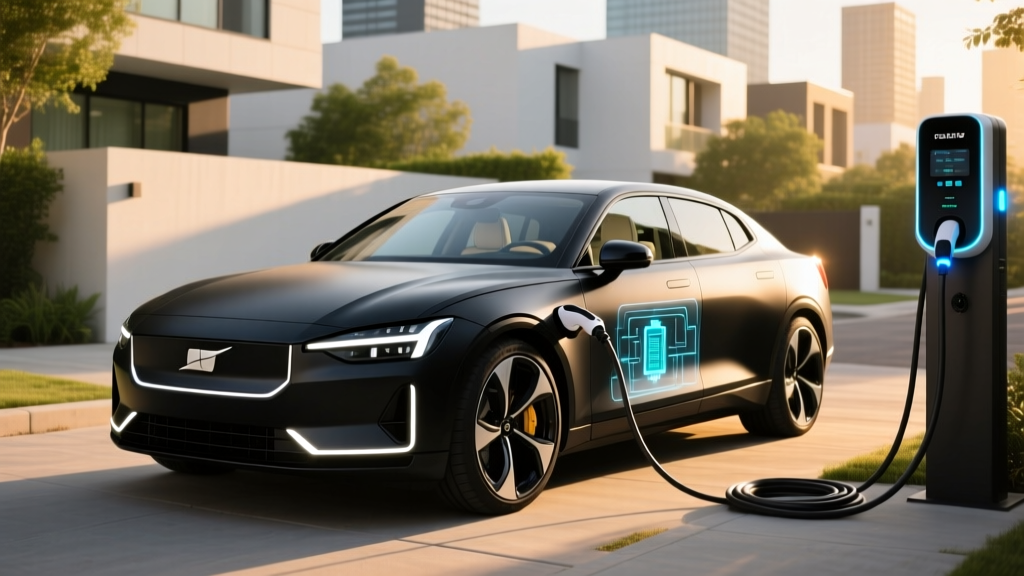
The Polestar 2 has evolved significantly since its debut as the Swedish-Chinese brand's first volume vehicle. For 2026, the single-motor Long Range variant carries over as the most accessible trim, while the dual-motor Long Range with Performance Pack continues to chase Tesla Model 3 Performance buyers. But as Polestar's US dealer and service footprint remains limited, the question many prospective buyers search for — Polestar 2 reliability — deserves a thorough, data-driven answer before you sign a lease or purchase agreement.
This review covers the 2026 Polestar 2 lineup with exact figures: EPA range, battery chemistry, DC fast-charge curves, real-world efficiency, federal tax credit eligibility under current IRS §30D rules, and what ownership actually looks like for service and long-term durability.
2026 Polestar 2 Spec Sheet: Range, Battery & Performance
| Specification | Single Motor LR (RWD) | Dual Motor LR (AWD) |
|---|---|---|
| EPA Range | 292 miles | 276 miles |
| Battery (usable) | 82 kWh (NMC) | 82 kWh (NMC) |
| Max DC Fast Charge | 205 kW | 205 kW |
| 10–80% DC Charge Time | ~27 minutes | ~27 minutes |
| Level 2 Home Charging | 11 kW (~33 mi/hr) | 11 kW (~33 mi/hr) |
| 0–60 mph | 5.9 seconds | 4.2 seconds (Performance: 3.9s) |
| Horsepower | 299 hp | 421 hp (Perf: 476 hp) |
| Drivetrain | RWD | AWD |
| MPGe (combined) | 115 MPGe | 104 MPGe |
| Efficiency (kWh/100mi) | 29 kWh/100mi | 32 kWh/100mi |
| Base MSRP | $49,900 | $54,400 |
| Battery/Powertrain Warranty | 8 yr / 100,000 mi | 8 yr / 100,000 mi |
Real-World Range: What the EPA Sticker Doesn't Tell You
The 2026 Polestar 2 uses an 82 kWh usable NMC (nickel manganese cobalt) lithium-ion pack — not LFP. NMC offers higher energy density, which is why Polestar achieves 292 miles in a relatively compact sedan, but it also means you should follow best practices for long-term health: avoid routinely charging to 100% and try to keep the state of charge between 20–80% for daily use. The battery management system includes active liquid thermal management, which helps mitigate degradation and enables the 205 kW peak DC charge rate even in cooler ambient temperatures — provided you precondition the battery via the infotainment system or Polestar app before arriving at a fast charger.
For context, the EPA's fueleconomy.gov listing confirms the 292-mile combined figure for the single-motor variant, which translates to roughly 29 kWh per 100 miles — competitive with the Hyundai Ioniq 6 but slightly behind the Tesla Model 3 Long Range's ~25 kWh/100mi efficiency.
Charging Speed: DC Fast, Level 2, and the Curve Reality
Charging speed is where Polestar 2 buyers need to set realistic expectations. The 205 kW peak DC rate is strong, but like all EVs, that number represents a momentary peak — not a sustained average.
| Charging Level | Power | Speed / Time |
|---|---|---|
| DC Fast Charge (peak) | 205 kW | 10–80% in ~27 minutes |
| DC Fast Charge (avg 10–80%) | ~140 kW sustained | Curve tapers sharply above 80% |
| Level 2 (home/public) | 11 kW (48A) | ~33 miles of range per hour |
| Level 1 (120V outlet) | ~1.4 kW | ~4 miles of range per hour |
At a 350 kW Electrify America or Tesla Supercharger (via NACS adapter, now included with 2026 models), you'll see the charge rate peak near 205 kW around 20–30% state of charge, then gradually step down. By 70% SoC, expect roughly 100–120 kW, and above 80%, the rate drops to under 50 kW to protect the NMC cells. This is normal charge-curve behavior, not a defect — but it means a 10–90% session will take closer to 40 minutes, not 27.
For home charging, the 11 kW onboard charger is a genuine advantage. Many competitors still ship with 7.2 kW or 9.6 kW chargers. On a properly installed 48-amp Level 2 circuit (requiring a 60-amp breaker), you'll add roughly 33 miles per hour — enough to fully replenish the 82 kWh pack overnight in about 8.5 hours. If your home electrical panel only supports a 40-amp circuit (32A continuous), you'll be limited to roughly 7.7 kW, which still provides ~23 miles per hour — sufficient for most daily commutes.
Polestar 2 Reliability: What the Data Shows
Polestar does not publish granular reliability data, and as a relatively young brand (founded 2017 as a Volvo/Geely joint venture), long-term 10-year datasets are still accumulating. However, several concrete data points help frame the reliability picture:
- Platform sharing: The Polestar 2 rides on the CMA (Compact Modular Architecture) platform shared with the Volvo XC40 Recharge and C40 Recharge. Volvo's extensive testing and validation protocols apply here, which generally lifts build quality above startup-level EV brands.
- Consumer Reports data: In recent model-year surveys, Polestar has scored in the mid-tier for predicted reliability — roughly on par with Volkswagen but below Toyota/Hyundai. Common early-model-year complaints centered on infotainment software glitches and 12V battery drain issues, many of which have been addressed via OTA updates for 2025–2026 models.
- NHTSA recalls: Check the NHTSA recall database for the specific VIN you're considering. Polestar has issued a small number of recalls related to software and electrical systems — fewer than some legacy competitors but more than Tesla's recall count by unit volume.
- Build quality: Panel fit, interior material quality, and paint finish on 2025–2026 models are consistently rated above average for the segment. The move to Android Automotive OS has stabilized after early growing pains.
The most honest assessment: Polestar 2 reliability is acceptable but not class-leading. The powertrain and battery are well-engineered (backed by the 8-year/100,000-mile warranty), but the brand's limited service network in the US is the larger practical concern. If you live near a Polestar-affiliated Volvo service center, maintenance is straightforward. If you're in a region without coverage, even routine warranty work can require significant travel or mobile-service scheduling delays.
Pricing, Tax Credits, and What You'll Actually Pay
| Trim | Base MSRP | Federal §30D Credit | Effective Price |
|---|---|---|---|
| Single Motor Long Range | $49,900 | $0 (sourcing rules) | $49,900 |
| Dual Motor Long Range | $54,400 | $0 (sourcing rules) | $54,400 |
| Dual Motor + Performance Pack | $59,900 | $0 (sourcing rules) | $59,900 |
Federal tax credit status: As of 2026, the Polestar 2 does not qualify for the $7,500 federal EV tax credit under IRS §30D. The reason is the critical-minerals and battery-component sourcing requirements — Polestar's battery supply chain (sourced primarily from CATL/LG Energy Solution with Chinese-origin minerals) does not meet the domestic-content thresholds established by the Inflation Reduction Act. Always verify current eligibility on the IRS clean vehicle credits page, as sourcing rules are subject to change.
This is a significant disadvantage against competitors like the Tesla Model 3 Long Range and certain domestically assembled EVs that do qualify. A $7,500 credit effectively reduces a Model 3's purchase price to a territory the Polestar 2 cannot reach on MSRP alone.
Additionally, §30D has buyer income caps ($150,000 single / $300,000 joint AGI) and MSRP caps ($55,000 for sedans). The Dual Motor Performance Pack at $59,900 exceeds the sedan MSRP cap regardless of sourcing, making it ineligible even if battery rules changed.
Interior, Cargo, and Daily Livability
The Polestar 2 is a fastback sedan with a liftback rear — a practical choice that yields more usable cargo space than a traditional trunk.
- Cargo volume: 14.4 cu ft (rear seats up), expandable with 60/40 split folding
- Front legroom: 42.2 inches
- Rear legroom: 34.0 inches — adequate for adults on shorter trips but tight for taller passengers on long drives
- Frunk: 1.4 cu ft (enough for charging cables and a small bag)
The interior is distinctly Scandinavian: minimalist, vegan upholstery standard (leather optional), and a portrait-oriented 11.2-inch center display running Android Automotive OS with native Google Maps, Google Assistant, and access to the Play Store for apps. The 12.3-inch driver display is clear but not configurable to the degree Tesla or Hyundai offer. Wireless Apple CarPlay is available. A head-up display is included on Plus and Pilot packages.
Notable drawbacks: The rear seat is tighter than the Tesla Model 3 or Hyundai Ioniq 6. The panoramic glass roof (standard) lacks a shade, which some owners find creates cabin heat in summer despite the infrared-reflective coating. The center console storage is modest. Visibility out the rear is compromised by the thick C-pillars and high trunk line — the standard 360-degree camera is essential.
Driver Assistance and Technology
The available Pilot Pack includes adaptive cruise control with stop-and-go, lane-centering assist, and blind-spot monitoring with steering intervention. It's competent for highway cruising but does not offer hands-free driving like GM's Super Cruise or Ford's BlueCruise. Polestar has not announced a Level 3 or higher system for the 2026 model year.
The Android Automotive infotainment system is a genuine strength — Google Maps with real-time traffic and integrated EV route planning (including charger stops and preconditioning triggers) is among the best navigation experiences in any EV. OTA updates continue to add features and refine performance post-purchase.
Warranty and Ownership Costs
- Battery warranty: 8 years / 100,000 miles, with a minimum 70% capacity retention threshold
- Powertrain warranty: 8 years / 100,000 miles
- Limited vehicle warranty: 4 years / 50,000 miles
- Roadside assistance: 4 years / unlimited miles
- Complimentary maintenance: 3 years / 36,000 miles (scheduled service included)
The 70% capacity retention threshold is standard for the industry (Tesla uses the same benchmark). In practice, NMC batteries with active thermal management typically retain 85–90% capacity at 100,000 miles when following recommended charging practices. A full battery replacement out of warranty would cost approximately $15,000–$20,000 based on current parts pricing — a figure to weigh if you plan to own the vehicle beyond 8 years.
Insurance premiums for the Polestar 2 tend to run 10–20% higher than comparable internal-combustion sedans, consistent with EV segment averages. Get quotes from your provider before purchasing — the premium difference can offset fuel savings for some drivers.
Pros
- 292-mile EPA range competitive for the segment
- 205 kW DC fast charging with NACS adapter access
- Excellent Android Automotive OS with Google Maps
- Scandinavian design, premium vegan interior
- Strong 8-year/100,000-mile battery warranty
- 11 kW Level 2 onboard charger (faster than many rivals)
Cons
- No federal §30D tax credit eligibility
- Limited US service/dealer network
- Rear seat legroom tight at 34.0 inches
- Glass roof lacks physical shade
- Level 2 driver assist only — no hands-free system
- Brand reliability data still maturing
Who Should Buy the 2026 Polestar 2?
Choose the Polestar 2 if: You value Scandinavian design and build quality, want Google-native infotainment, live near a Polestar/Volvo service center, don't need maximum rear-seat space, and are willing to forgo the federal tax credit for a distinctive alternative to the Tesla/Hyundai mainstream.
Look elsewhere if: Tax credit eligibility is essential to your budget (consider Tesla Model 3, Hyundai Ioniq 6, or Chevrolet Equinox EV), you need frequent back-seat passenger comfort, you live in a region without Polestar service access, or you want hands-free highway driving (GM Super Cruise or Ford BlueCruise vehicles).
Frequently Asked Questions
What is the real-world range of the 2026 Polestar 2?
The EPA estimates 292 miles for the Single Motor Long Range. Real-world highway driving in mild weather yields approximately 250–270 miles. In cold weather below freezing, expect 200–225 miles. The Dual Motor AWD is rated at 276 miles EPA with proportionally lower real-world figures.
How fast does the Polestar 2 charge at home and on the road?
On DC fast charging, it peaks at 205 kW and charges from 10–80% in approximately 27 minutes under ideal conditions. At home on a Level 2 (11 kW / 48A) connection, it adds about 33 miles of range per hour, fully charging overnight in roughly 8.5 hours.
Does the 2026 Polestar 2 qualify for the federal EV tax credit?
No. The Polestar 2 currently does not meet the battery-component and critical-minerals sourcing requirements under IRS §30D. It is also subject to the $55,000 sedan MSRP cap, which disqualifies the Performance Pack trim regardless. Always check the IRS clean vehicle credits page for the latest eligibility updates.
Is the Polestar 2 reliable compared to competitors?
Polestar 2 reliability is mid-tier — comparable to Volkswagen but below Toyota and Hyundai in predicted-reliability surveys. The CMA platform benefits from Volvo engineering, and the 8-year/100,000-mile battery warranty provides solid coverage. The bigger concern is Polestar's limited US service network, which can make warranty repairs inconvenient in many regions.
Is the Polestar 2 worth buying over a Tesla Model 3 or Hyundai Ioniq 6?
If you prioritize distinctive design, Google Automotive OS, and Scandinavian build quality — and can absorb the higher effective price without the federal tax credit — the Polestar 2 is a compelling choice. If budget, maximum range, service network breadth, or hands-free driving tech are your top priorities, the Tesla Model 3 Long Range or Hyundai Ioniq 6 offer stronger practical value.