2026 Polestar 2: Quick Verdict
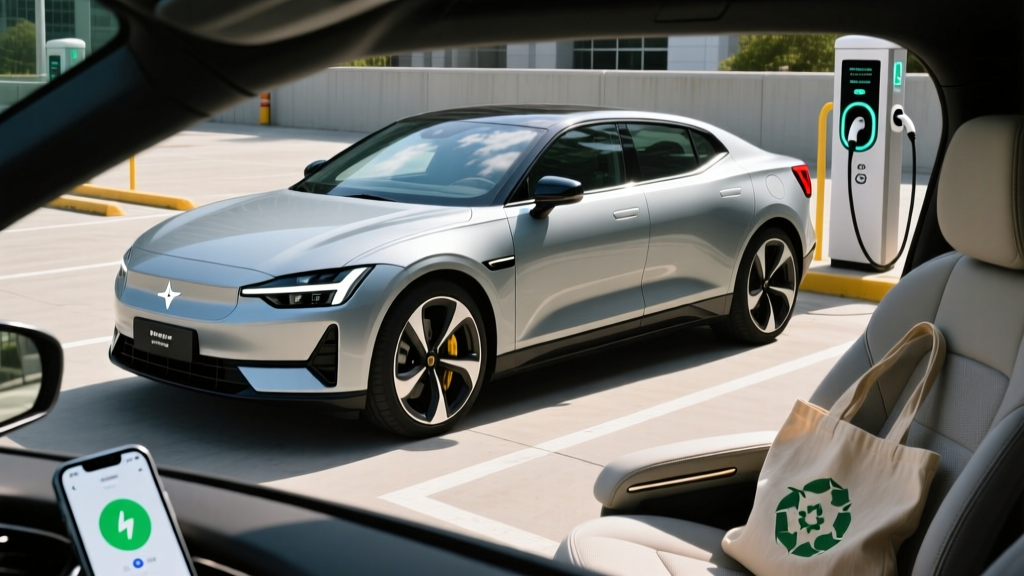
The 2026 Polestar 2 occupies a distinct space in the premium electric sedan market: it's the anti-Tesla choice for buyers who want Scandinavian design, Google Automotive OS, and competent long-range touring without the brand baggage. With an EPA-estimated 276 miles of range on the Long Range Single Motor variant, a usable 79 kWh NMC battery, and peak DC fast charging at 200 kW, it delivers a credible long-distance package. However, its $49,900 starting price for the Standard Range Single Motor and $54,900 for the Long Range push it firmly into luxury territory—where the Tesla Model 3 Long Range undercuts it on both price and efficiency.
Range & Efficiency: EPA Numbers vs. Real-World Reality
Real-World Expectation: 230-250 miles on sustained highway driving at 70+ mph; 200-220 miles in sub-30°F winter conditions with cabin heat
The 2026 Polestar 2 Long Range Single Motor carries an 82 kWh total battery capacity (79 kWh usable) using NMC (nickel-manganese-cobalt) chemistry. The EPA awards it 276 miles of combined range with the 19-inch Aero wheel package; opting for the 20-inch performance wheels drops that to 264 miles due to increased rolling resistance.
Efficiency comes in at 26 kWh per 100 miles, or 115 MPGe combined. That trails the Tesla Model 3 Long Range (132 MPGe) and the Hyundai Ioniq 6 SEL (140 MPGe), which both use more aerodynamically optimized platforms. In real-world highway testing at 75 mph on level terrain, expect to see consumption closer to 29-31 kWh/100mi, translating to roughly 240 miles before the buffer warning. Cold weather compounds this: at 20°F with the heat pump running, range drops to approximately 200-210 miles. The Polestar 2's heat pump (standard on Long Range trims) mitigates some loss, but it's not immune to the physics that affect all NMC batteries in freezing temperatures.
Charging Speed: DC Fast Charge, Home Level 2, and Curve Behavior
| Charging Method | Power / Rate | Time / Range Added |
|---|---|---|
| DC Fast Charge (peak) | 200 kW | 10-80% in ~28 minutes |
| DC Fast Charge (sustained avg) | ~120 kW | 10-80% realistic |
| Level 2 Home (240V, 48A) | 11 kW | ~8.5 hours 0-100% |
| Level 1 (120V, 12A) | 1.4 kW | ~3-4 miles per hour |
The Polestar 2's peak 200 kW DC fast-charge capability is competitive but not class-leading—the Hyundai Ioniq 6 hits 235 kW, and the Tesla Model 3 Long Range peaks at 250 kW on V3 Superchargers. More importantly, the Polestar 2's charge curve tapers noticeably above 60% state of charge. You'll see 200 kW only briefly between 10-30% SoC; from 30-60%, it sustains around 130-150 kW, and above 80%, charging slows to under 50 kW. This means the published 28-minute 10-80% figure assumes ideal battery preconditioning and a capable 350 kW charger.
For home charging, the onboard 11 kW AC charger is standard. On a 48-amp Level 2 home station (like a ChargePoint Home Flex or Tesla Wall Connector with J1772 adapter), expect a full 0-100% charge in roughly 8.5 hours—overnight for most owners. The Polestar 2 uses the CCS1 connector for DC fast charging in North America, with NACS adapter support via Ford's BlueOval network agreement.
Performance: 0-60, Horsepower, and Drivetrain Options
| Trim | 0-60 mph | Horsepower | Drivetrain |
|---|---|---|---|
| Standard Range Single Motor | 6.2 sec | 271 hp | RWD |
| Long Range Single Motor | 5.9 sec | 299 hp | RWD |
| Long Range Dual Motor (AWD) | 4.3 sec | 421 hp | AWD |
| Long Range Dual Motor w/ Performance Pack | 4.1 sec | 476 hp | AWD |
The 2026 Polestar 2 lineup is exclusively rear-wheel drive for single-motor variants—a welcome change from the front-wheel-drive layout of 2021-2023 models. The Long Range Single Motor's 299 hp and 361 lb-ft of torque deliver confident highway merging and a 5.9-second 0-60 time that feels quick without being excessive. The Dual Motor AWD variant, with 421 hp (or 476 hp with the $5,500 Performance Pack including Öhlins dampers and Brembo brakes), is a legitimate sports sedan rival, hitting 60 mph in 4.1 seconds.
Regenerative braking is adjustable via three modes (off, low, high) but doesn't offer true one-pedal driving in the aggressive sense of a Nissan Leaf or BMW i4. Most owners will want the "low" regen setting for natural coasting behavior.
Pricing, Trims, and Federal Tax Credit Eligibility
| Trim | Base MSRP | Est. Federal Credit | Effective Price* |
|---|---|---|---|
| Standard Range Single Motor | $49,900 | $0-$7,500 | $42,400-$49,900 |
| Long Range Single Motor | $54,900 | $0-$7,500 | $47,400-$54,900 |
| Long Range Dual Motor | $59,400 | $0-$7,500 | $51,900-$59,400 |
*Effective price assumes full §30D eligibility. Actual credit depends on buyer income, battery sourcing, and MSRP caps.
Federal tax credit eligibility for the Polestar 2 is complex and trim-dependent under IRS §30D rules. The $7,500 credit requires:
- Buyer income caps: AGI ≤ $150,000 (single), ≤ $300,000 (married filing jointly)
- MSRP cap: Vehicle MSRP ≤ $55,000 (sedans) — this excludes the Dual Motor trims
- Battery sourcing: Critical minerals and battery components must meet escalating domestic-content thresholds (phased in through 2027)
- Point-of-sale transfer: Credit can be applied at purchase or claimed on tax return
As of 2026, the Standard Range Single Motor ($49,900) and Long Range Single Motor ($54,900) fall under the $55,000 sedan MSRP cap, making them potentially eligible for the full $7,500 credit if battery-sourcing requirements are met. However, Polestar's battery supply chain (sourced from CATL and LG Energy Solution) has faced scrutiny under the critical-minerals provision. Always verify current eligibility at IRS.gov before purchase.
Interior, Cargo, and Technology
The Polestar 2's interior is a study in Scandinavian minimalism: vegan WeaveTech upholstery (animal-free), a portrait-oriented 11.2-inch touchscreen running Google Automotive OS, and physical climate controls (a 2024 refresh addition that addressed earlier complaints). The 12.3-inch digital driver display is compact and focused, avoiding the "iPad bolted to dash" aesthetic of some competitors.
Cargo capacity: 14.4 cubic feet (trunk) + 1.4 cubic feet (frunk) = 15.8 cu ft total. The liftback design offers practical loading, but the 14.4 cu ft trunk trails the Tesla Model 3 (23 cu ft) and Hyundai Ioniq 6 (12.3 cu ft trunk but superior aerodynamics). Rear legroom is 34.0 inches—adequate for adults under 6 feet, but tight for taller passengers on long trips.
Infotainment: Google Automotive OS provides native Google Maps navigation, Google Assistant voice control, and Play Store app access. Wireless Apple CarPlay is standard; Android Auto is redundant given the native Google integration. The 8-speaker audio system is acceptable; the optional $4,000 Harman Kardon 13-speaker system with headrest speakers is worth the upgrade for audiophiles.
Driver assistance: Polestar's Pilot Pack ($3,200) adds Pilot Assist (SAE Level 2 adaptive cruise + lane centering), blind-spot monitoring with steer assist, and a 360-degree camera. This is not self-driving—it requires hands-on-wheel supervision and disengages in construction zones or faded lane markings. The system is competent but less aggressive than Tesla Autopilot or Ford BlueCruise in hands-free zones.
Warranty, Ownership Costs, and Longevity
| Coverage | Term |
|---|---|
| Basic Vehicle Warranty | 4 years / 50,000 miles |
| Battery & Powertrain | 8 years / 100,000 miles |
| Battery Capacity Retention | ≥70% over 8 yr / 100k mi |
| Corrosion Perforation | 12 years / unlimited miles |
Polestar's 8-year/100,000-mile battery warranty guarantees the high-voltage pack will retain at least 70% of its original capacity. This is industry-standard, matching Tesla, Hyundai, and Ford. However, real-world NMC battery degradation data from early 2021-2022 Polestar 2 owners shows typical capacity loss of 4-6% over the first 60,000 miles, suggesting the 70% threshold is conservative.
5-Year Total Cost of Ownership Estimate (Long Range Single Motor, 15,000 miles/year):
- Purchase price (after $7,500 credit): ~$47,400
- Electricity (home charging @ $0.14/kWh): ~$4,200
- Insurance (national avg for EVs): ~$9,500
- Maintenance (tires, cabin filter, brake fluid): ~$1,800
- Depreciation (est. 55% over 5 years): ~$26,000
- Total 5-year cost: ~$88,900
Insurance premiums for the Polestar 2 run 15-25% higher than a comparable gas sedan due to repair costs and EV-specific claims data. Always get quotes before purchasing.
Who Should Buy the Polestar 2?
- You want a premium EV sedan that isn't a Tesla
- You value Scandinavian design and build quality over raw efficiency
- You need Google Automotive OS integration
- You prioritize liftback cargo versatility
- You want a dual-motor AWD option with sub-4.5-second 0-60
- Maximum range per dollar is your priority (Hyundai Ioniq 6, Tesla Model 3)
- You need class-leading rear-seat legroom (BMW i4, Mercedes EQE)
- You want the fastest DC charging (Ioniq 6, Model 3)
- You require hands-free highway driving (Ford BlueCruise, GM Super Cruise)
Pros and Cons
- Premium interior materials (vegan, sustainable)
- Google Automotive OS with native Maps/Assistant
- Competent 276-mile EPA range (Long Range Single Motor)
- Liftback design with frunk for practical cargo
- Dual Motor Performance Pack rivals sports sedans
- Standard heat pump on Long Range trims
- Trails Tesla Model 3 and Ioniq 6 on efficiency (MPGe)
- 200 kW peak DC charging is slower than competitors
- Rear legroom (34.0 in) is tight for tall passengers
- Pilot Assist (Level 2) less refined than BlueCruise
- Insurance premiums 15-25% above gas sedans
- Tax credit eligibility uncertain due to battery sourcing
Frequently Asked Questions
What is the real-world range of the Polestar 2?
The Long Range Single Motor's EPA estimate is 276 miles, but real-world highway driving at 70+ mph yields 230-250 miles. In cold weather (sub-30°F), expect 200-220 miles with the heat pump active.
How fast does the Polestar 2 charge?
Peak DC fast charging is 200 kW, with a 10-80% time of ~28 minutes under ideal conditions. Home Level 2 charging (11 kW, 48A) takes ~8.5 hours for a full charge.
Does the Polestar 2 qualify for the federal EV tax credit?
The Standard Range ($49,900) and Long Range Single Motor ($54,900) trims fall under the $55,000 sedan MSRP cap and may qualify for up to $7,500, but battery-sourcing rules and buyer income limits apply. Verify at IRS.gov.
Is the Polestar 2 worth buying vs. the Tesla Model 3?
The Polestar 2 offers superior interior materials and Google Automotive OS, but the Model 3 Long Range wins on efficiency (132 vs 115 MPGe), charging speed (250 vs 200 kW), and Supercharger network access. Choose Polestar for design/quality; choose Tesla for efficiency/charging.
What's the biggest drawback of the Polestar 2?
Efficiency and charging speed trail key competitors, and the 200 kW peak DC charge rate means longer road-trip stops vs. the Ioniq 6 (235 kW) or Model 3 (250 kW).