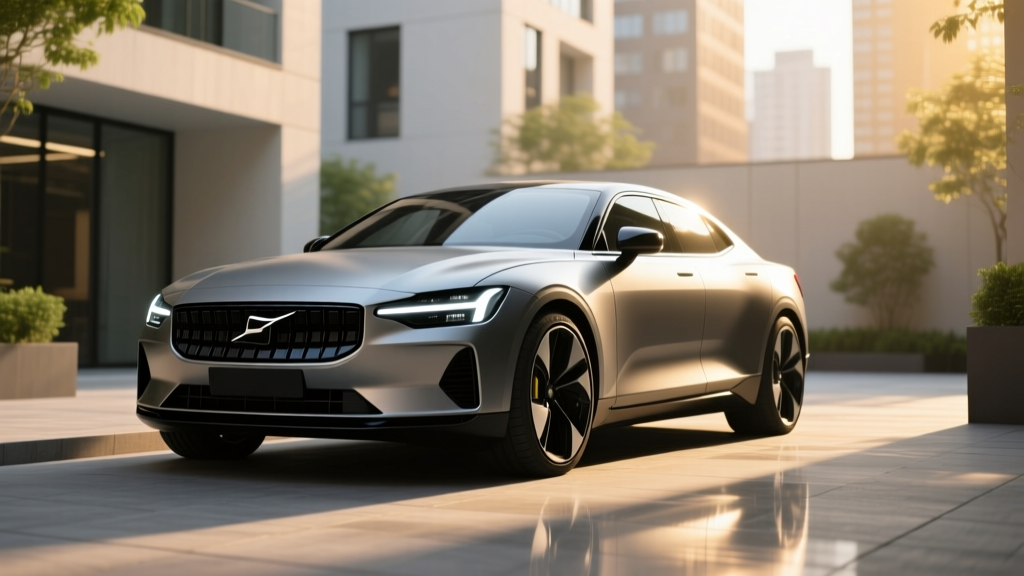
If you've been researching the Polestar 2 and stumbled across forum rumors or outdated headlines asking is the Polestar 2 discontinued, you're not alone. The Scandinavian-branded electric fastback has been through a significant mid-cycle refresh, a shift from front-wheel drive to rear-wheel drive, and a changing federal tax credit landscape — all of which have fueled confusion about its availability. As of the 2026 model year, the Polestar 2 is not discontinued. It remains a core product in Polestar's lineup, though its positioning and pricing have evolved considerably since the car's 2020 U.S. launch.
This guide cuts through the noise with exact specs, real-world range data, charging performance, and the current federal tax credit picture — everything you need to decide whether the 2026 Polestar 2 belongs on your shortlist.
Why People Think the Polestar 2 Was Discontinued
The discontinuation rumors stem from several converging factors. First, Polestar's corporate parent, Volvo Cars (backed by Geely), has been restructuring its EV strategy, and early reports in 2024 suggested Polestar might trim its model range. Second, the original front-wheel-drive Polestar 2 was phased out after the 2023 model year in favor of a rear-wheel-drive architecture for 2024 onward — a significant enough change that some automotive outlets framed it as a "replacement" rather than a refresh. Third, the Polestar 2 lost its full $7,500 federal tax credit eligibility due to updated IRS §30D battery-sourcing rules, which reduced its visibility in incentive-driven search results.
None of these factors mean the car is gone. The 2026 Polestar 2 is actively sold in the U.S. in two primary configurations: the Long Range Single Motor (RWD) and the Long Range Dual Motor (AWD). A Performance-oriented BST edition has been offered in limited runs in prior years but is not a permanent fixture of the 2026 lineup.
2026 Polestar 2: Range, Battery, and Efficiency
The 2026 Polestar 2 uses an 82 kWh usable lithium-ion battery pack (NMC chemistry — nickel manganese cobalt) supplied by CATL and LG Energy Solution depending on the production batch. This is an increase from the original 78 kWh pack used in 2020–2023 models and is a key reason the refreshed car achieves meaningfully better range.
| Trim | Drivetrain | EPA Range | MPGe (Combined) | kWh/100 mi |
|---|---|---|---|---|
| Long Range Single Motor | RWD | 320 miles | 114 MPGe | 29 |
| Long Range Dual Motor | AWD | 298 miles | 104 MPGe | 32 |
Efficiency figures sourced from fueleconomy.gov confirm the Single Motor's advantage: its lighter curb weight and single-motor drivetrain reduce energy consumption by roughly 10% compared to the Dual Motor variant.
Charging Performance: DC Fast Charging and Home Level 2
Charging speed is where the 2024+ refresh brought genuine improvement. The updated Polestar 2 supports a peak DC fast-charge rate of 200 kW (up from 150 kW on pre-2024 models), though sustained rates depend on state of charge and battery temperature.
| Charging Level | Power | Speed / Time |
|---|---|---|
| Level 1 (120V household) | ~1.4 kW | ~4 miles per hour |
| Level 2 (240V home/public) | 11 kW (onboard charger) | ~32 miles per hour; full charge in ~8 hours |
| DC Fast Charge (CCS) | Peak 200 kW | 10–80% in approximately 27 minutes |
The 10–80% DC fast-charge time of roughly 27 minutes is competitive but not class-leading — rivals like the Hyundai Ioniq 5 (which uses an 800V architecture and peaks at 240 kW) can complete the same window in about 18 minutes. The Polestar 2's 400V architecture and NMC chemistry produce a charge curve that holds near peak power between 10–40% SoC, then progressively tapers. Above 80%, charging slows dramatically to protect battery longevity — plan to unplug at 80% on road trips rather than waiting for a full top-off.
At home on a Level 2 charger, the 11 kW onboard charger is generous. Most home Level 2 installations deliver 7.2–11.5 kW depending on your circuit. On a 48-amp circuit (the recommended setup for 11 kW), you'll add roughly 32 miles of range per hour of charging, meaning an overnight session easily replenishes a full day's driving.
Performance: 0-60, Horsepower, and Drivetrain
The switch to rear-wheel drive for the Single Motor was a welcome change for driving dynamics. Here's how the two configurations compare:
- Long Range Single Motor (RWD): 299 hp, 361 lb-ft of torque, 0–60 mph in 5.9 seconds
- Long Range Dual Motor (AWD): 421 hp (with Performance software upgrade; 408 hp standard), 546 lb-ft, 0–60 mph in 4.3 seconds (Performance) or 4.5 seconds (standard)
The Dual Motor's optional Performance software upgrade (a $2,000 over-the-air purchase) unlocks the full 421 hp output, Öhlins dampers (if equipped with the Performance Pack), and gold Brembo brakes. Even without it, the standard 408 hp Dual Motor is genuinely quick and provides confident all-weather traction.
The RWD Single Motor's 5.9-second 0–60 time is more than adequate for daily driving and highway merging. The rear-biased weight distribution and instant torque delivery make it feel livelier in corners than the original FWD model ever did.
Pricing, Trims, and Federal Tax Credit Eligibility
The 2026 Polestar 2's pricing positions it squarely in the premium compact EV segment. Here's the current MSRP breakdown:
| Trim | Base MSRP | Federal §30D Credit | Effective Price (if eligible) |
|---|---|---|---|
| Long Range Single Motor | $49,900 | Not eligible (battery sourcing) | $49,900 |
| Long Range Dual Motor | $54,400 | Not eligible (battery sourcing) | $54,400 |
Polestar occasionally offers lease incentives or loyalty bonuses that can offset the lack of a federal credit. Some states — including California, Colorado, and New York — offer additional rebates that may apply, though amounts and eligibility vary by jurisdiction. Check your state energy office or DMV for current local incentives.
Options packages (Plus, Pilot, Performance) can push a well-equipped Dual Motor past $62,000. The as-tested price on a Dual Motor with the Plus and Pilot packs typically lands around $59,000–$61,000 before destination.
Interior Space, Cargo, and Daily Practicality
The Polestar 2 is a liftback-style fastback, which gives it a practical advantage over traditional sedans despite its sleek roofline. Cargo and passenger dimensions:
- Cargo volume (rear seats up): 14.4 cu ft
- Cargo volume (rear seats folded): 37.6 cu ft
- Front trunk (frunk): 1.4 cu ft (enough for a charging cable bag)
- Rear legroom: 33.4 inches
- Front headroom: 39.0 inches
- Rear headroom: 36.6 inches
The rear seat is best suited for two adults; the center position is compromised by a floor hump (a vestige of the platform's shared architecture with Volvo's CMA). Compared to a Tesla Model 3 (which offers 23 cu ft of trunk space and a more spacious rear seat), the Polestar 2 gives up some practicality. Families with rear-facing car seats will find the space tight.
The interior materials are a standout: Polestar uses a vegan textile called WeaveTech (standard) or available Nappa leather, with real wood or reconstructed aluminum inlays. Build quality is excellent and feels more premium than a comparably priced Model 3.
Tech, Driver Assistance, and Standout Features
The Polestar 2 runs a Google built-in infotainment system on a vertically oriented 11.2-inch touchscreen. Google Maps handles navigation with live charging station data integrated into route planning, Google Assistant provides voice control, and the Google Play Store allows app downloads. Apple CarPlay is supported; Android Auto is unnecessary given the native Google integration.
The 12.3-inch digital driver display is clean but basic — it shows speed, range, and navigation directions but lacks the configurability of some competitors' screens.
Driver assistance (Pilot Pack): The optional Pilot Pack adds adaptive cruise control with stop-and-go, lane-centering assist, and Pilot Assist (Polestar's Level 2 SAE driver-assist system). This is not self-driving — the driver must remain engaged with hands on the wheel and eyes on the road at all times. It performs well on highways but is less aggressive about lane changes than GM's Super Cruise or Ford's BlueCruise.
Unique features include a panoramic glass roof (standard on Plus-equipped models), a Harman Kardon premium audio system, and a pixelated LED rear light bar that animates on lock/unlock. The phone-as-key functionality via Bluetooth is standard, though some owners report occasional connection delays.
Warranty and Long-Term Ownership
Polestar's warranty coverage aligns with the premium EV segment standard:
- Basic vehicle warranty: 4 years / 50,000 miles
- Battery & powertrain warranty: 8 years / 100,000 miles (covers battery capacity falling below 70% state of health)
- Corrosion warranty: 12 years, unlimited miles
- Roadside assistance: 4 years / unlimited miles
The 70% capacity retention threshold at 8 years/100,000 miles is standard for the industry. Real-world degradation data for the NMC pack in the refreshed Polestar 2 is still accumulating, but CATL and LG NMC packs in similar applications typically show 8–12% degradation over 100,000 miles. The 82 kWh pack provides a buffer that should keep usable range above 270 miles (Single Motor) even at the warranty threshold.
Pros, Cons, and Who the Polestar 2 Suits Best
Pros
- Premium Scandinavian design and interior quality
- 320-mile EPA range (Single Motor) is competitive
- Google built-in infotainment is intuitive and well-integrated
- Strong build quality and quiet cabin at highway speeds
- Liftback cargo versatility (37.6 cu ft with seats folded)
- RWD dynamics are engaging for a compact EV
Cons
- No federal tax credit eligibility (adds $7,500 effective cost vs. rivals)
- Rear seat is cramped for three adults or car seats
- DC fast charging (200 kW peak, ~27 min 10–80%) trails 800V competitors
- Heat pump is optional, not standard — hurts cold-weather range
- Pilot Assist lacks hands-free highway capability
- Brand awareness and service network are limited vs. Tesla/BMW
Who Should Buy the 2026 Polestar 2
- Design-conscious commuters who want a premium interior and distinctive styling that doesn't look like every other EV on the road
- Two-person households who rarely need the rear seat and value liftback cargo flexibility
- Google ecosystem users who want native Maps, Assistant, and Play integration without phone projection
- Buyers in states with local EV rebates that can partially offset the lack of a federal credit
Who Should Look Elsewhere
- Families with multiple car seats — the rear seat is too tight (consider the Tesla Model Y or Kia EV9)
- Cost-optimizers — without the $7,500 federal credit, competitors like the Hyundai Ioniq 5 or Chevrolet Equinox EV offer similar range at a lower effective price
- Road-trip enthusiasts who want the fastest possible DC charging (look at 800V platforms from Hyundai/Kia or Porsche)
Frequently Asked Questions
Is the Polestar 2 discontinued in 2026?
No. The Polestar 2 is actively sold in the U.S. for the 2026 model year in Long Range Single Motor (RWD) and Long Range Dual Motor (AWD) configurations. Rumors of discontinuation stemmed from the 2024 powertrain refresh and corporate restructuring news, but the model remains in production.
What is the real-world range of the 2026 Polestar 2?
The EPA rates the Single Motor at 320 miles and the Dual Motor at 298 miles. Real-world highway driving at 70–75 mph typically yields 270–285 miles (Single Motor) and 255–270 miles (Dual Motor). Cold weather can reduce range by 20–30%, especially without the optional heat pump.
How fast does the Polestar 2 charge?
On a DC fast charger, the Polestar 2 peaks at 200 kW and charges from 10–80% in approximately 27 minutes. At home on a Level 2 (240V) charger, the 11 kW onboard charger adds about 32 miles of range per hour, fully recharging the battery in roughly 8 hours.
Does the Polestar 2 qualify for the federal EV tax credit?
No. The 2026 Polestar 2 does not meet the battery-component and critical-minerals sourcing requirements under IRS §30D, so it is not eligible for the $7,500 federal tax credit. State and local incentives may still apply — check your jurisdiction's current programs.
Is the Polestar 2 worth buying over a Tesla Model 3 or Hyundai Ioniq 5?
It depends on your priorities. The Polestar 2 offers superior interior materials, distinctive design, and Google-native tech. The Tesla Model 3 provides better range (up to 363 miles for Long Range RWD), faster Supercharger access, and a lower effective price. The Hyundai Ioniq 5 charges significantly faster (800V architecture) and may qualify for the federal credit. If premium feel and design matter more than maximum range or lowest price, the Polestar 2 holds its own.
What is Polestar's long-term future — will the brand survive?
Polestar has received financial support from Geely and Volvo Cars to stabilize operations, and the brand has announced plans for additional models including the Polestar 3 SUV and Polestar 4. While the brand's financial position has been uncertain, discontinuation of the Polestar 2 is not currently indicated by any official statement.