The Final Chapter of Polestar's Halo Plug-In Hybrid
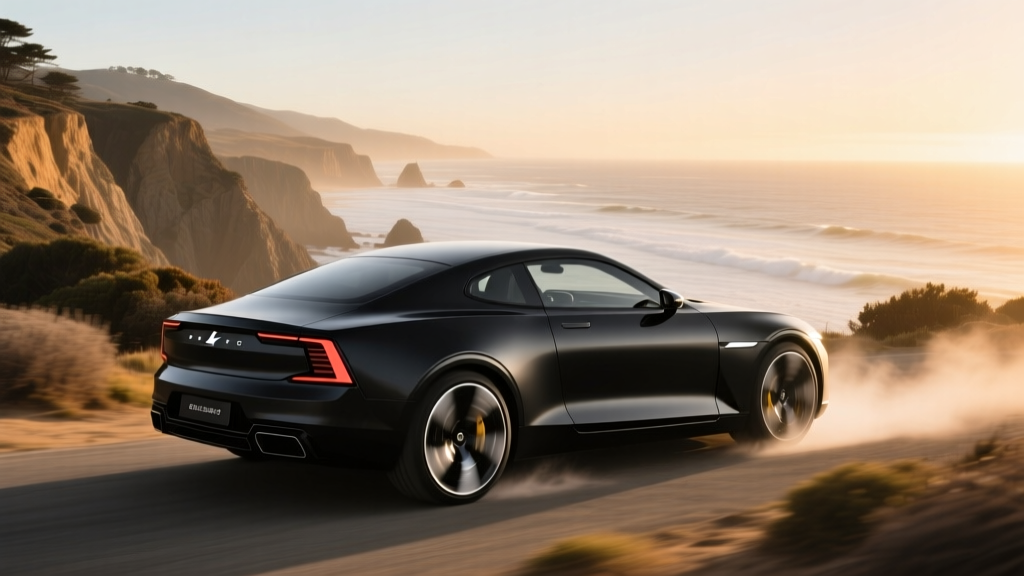
The Polestar 1 Hero Edition represents the closing curtain on Polestar's most ambitious vehicle — a carbon-fiber-bodied, 619-horsepower plug-in hybrid grand tourer that debuted the brand's standalone identity before the company pivoted to fully electric models. Limited to just 25 units worldwide for the 2021 model year, the Hero Edition featured a unique matte gold exterior, gold-painted brake calipers, and a bespoke interior. With production having ended in late 2021, the Polestar 1 Hero Edition now exists exclusively on the secondary market, where it commands collector-grade pricing well above its original $176,500 MSRP.
This review examines what makes the Hero Edition special, how its plug-in hybrid powertrain performs in real-world driving, and whether it remains a worthwhile acquisition for collectors and enthusiasts in 2026.
Polestar 1 Hero Edition: Core Specifications at a Glance
| Specification | Value |
|---|---|
| Powertrain | 2.0L turbocharged + supercharged I4 + twin rear electric motors (PHEV) |
| Total System Output | 619 HP / 738 lb-ft torque |
| Drivetrain | AWD (engine drives front axle; electric motors drive rear axle with torque vectoring) |
| 0–60 mph | 3.8 seconds |
| Battery Capacity | 34 kWh (gross), NMC lithium-ion |
| EPA Electric-Only Range | 52 miles |
| EPA Combined MPGe | 58 MPGe (electric + gas combined) |
| EPA Combined MPG (gas only) | 26 MPG |
| Max DC Fast Charge | 50 kW (CCS1) |
| Level 2 Charge Rate | 3.6 kW (approx. 14 miles of range per hour) |
| 10–80% DC Fast Charge | ~45 minutes |
| Fuel Tank | 15.8 gallons |
| Total Range (electric + gas) | ~520 miles |
| Cargo Volume | 5.0 cu ft (trunk) |
| Curb Weight | 5,184 lbs |
| Original MSRP | $176,500 (Hero Edition) |
| Battery/Powertrain Warranty | 8 years / 100,000 miles (original, transferable) |
Electric Range and Real-World Efficiency
The Polestar 1's 34 kWh NMC battery delivers an EPA-estimated 52 miles of electric-only range — one of the longest EV-only ranges of any plug-in hybrid sold during its era. That figure was genuinely usable for daily commuting, allowing many owners to complete weekday driving without burning a drop of gasoline.
EPA estimate: 52 miles electric-only. Expect approximately 42–48 miles in mixed highway driving at 70+ mph, and 35–42 miles in cold weather (below 40°F) due to cabin heating demands and reduced battery efficiency. City driving with frequent regenerative braking can match or slightly exceed the EPA figure, reaching up to 55 miles in mild conditions. On gasoline alone, the 15.8-gallon tank provides roughly 410 miles at the EPA combined 26 MPG rating.
The Hero Edition's combined 58 MPGe rating reflects the blend of electric and gasoline operation over the EPA test cycle. Once the battery depletes, the 2.0-liter four-cylinder engine — aided by both turbocharging and supercharging — returns 26 MPG combined. That's respectable for a 5,184-pound grand tourer, though it trails lighter PHEVs and conventional hybrids. According to fueleconomy.gov, the Polestar 1's energy consumption in charge-depleting mode averages about 58 kWh/100 miles from the wall, translating to roughly 2.0 kWh per mile of electric driving.
Charging Speed: DC Fast and Home Level 2
Charging was never the Polestar 1's strongest suit. The car arrived during an era when most PHEVs offered limited fast-charging capability, and the Polestar 1 is no exception.
| Charging Level | Power | Connector | Speed / Time |
|---|---|---|---|
| Level 1 (120V household) | ~1.4 kW | J1772 | ~5 miles of range per hour; full charge in ~24 hours |
| Level 2 (240V home/public) | 3.6 kW | J1772 | ~14 miles per hour; 0–100% in ~9 hours |
| DC Fast Charge | 50 kW peak | CCS1 | 10–80% in approximately 45 minutes |
The 3.6 kW Level 2 onboard charger is the limiting factor for home charging. Even with a 48-amp Level 2 wall connector capable of delivering 11.5 kW, the Polestar 1 will only accept 3.6 kW — meaning a full charge from empty takes roughly nine hours overnight. For most PHEV owners who plug in nightly, this is adequate: replenishing 52 miles of range during a standard overnight session is straightforward.
The 50 kW DC fast-charging capability is modest by 2026 standards, where many BEVs accept 200+ kW. However, the Polestar 1's relatively small 34 kWh battery means 50 kW is still meaningful — a 10–80% session takes about 45 minutes. The charge curve is relatively flat compared to larger BEV batteries, so you won't see dramatic taper until above 85% state of charge. In practice, most owners rarely DC fast-charge a PHEV with this much electric range; overnight Level 2 handles daily needs.
Performance: 619 HP in a Carbon-Fiber GT
The Polestar 1's powertrain is engineering theater. The front axle is driven by a 2.0-liter four-cylinder engine that is both turbocharged and supercharged, producing 326 HP on its own. The rear axle houses two independent electric motors — one per wheel — producing a combined 232 HP (up to 261 HP in short bursts via the Power mode). A third, smaller electric motor serves as a crank-mounted integrated starter-generator, adding 46 HP and smoothing stop-start transitions.
The result: 619 HP and 738 lb-ft of torque, delivered through an 8-speed automatic transmission to the front wheels and direct-drive electric propulsion to the rear. The 0–60 mph sprint takes 3.8 seconds — brisk for a car weighing over 5,100 pounds. The rear-axle torque vectoring provides genuine handling benefits, pushing the car into corners with a stability that belies its mass.
Drive modes include Pure (electric-only, rear-drive), Hybrid (blended), Power (maximum output, AWD), and an individual mode. In Pure mode, the car operates as a rear-drive EV with 232 HP — enough for confident merging and passing without engaging the gasoline engine.
Interior, Technology, and Cargo Practicality
The Polestar 1's cabin draws heavily from Volvo's design language — unsurprising given Polestar's origins as Volvo's performance sub-brand. The Hero Edition featured unique gold-tone interior accents, Nappa leather with ventilated front seats, a Bowers & Wilkins premium audio system, and a panoramic glass roof.
The 9-inch portrait-oriented infotainment touchscreen runs Volvo's Sensus system (pre-dating the Android Automotive OS used in later Polestar models). It supports Apple CarPlay and Android Auto, navigation, and vehicle settings, though the interface feels dated compared to 2026 infotainment standards. Response times are adequate but not quick, and some climate controls are buried in submenus.
Driver-assistance features include:
- Adaptive cruise control with stop-and-go
- Lane-keeping assist (SAE Level 2 driver assistance — driver must remain engaged)
- Blind-spot monitoring with rear cross-traffic alert
- 360-degree surround-view camera
- Pilot Assist (combined steering and speed assistance on highways)
All Polestar 1 driver-assistance features are SAE Level 2 — they assist with steering, acceleration, and braking but require the driver to remain fully attentive and in control at all times. This is not autonomous or self-driving capability.
Practicality is where the Polestar 1 reveals its GT-car priorities. The trunk offers just 5.0 cubic feet of cargo space — enough for two carry-on bags or a weekend's groceries, but not much more. Rear seats exist but are best suited for children or additional cargo; adult legroom is severely limited. This is a 2+2 grand tourer, not a family sedan.
Pricing, Tax Credits, and the Used Market in 2026
The Polestar 1 Hero Edition carried an original MSRP of $176,500, making it one of the most expensive plug-in hybrids ever sold. Only 25 Hero Edition units were built worldwide, and all were spoken for before production ended. Standard Polestar 1 models originally started at $156,500.
| Item | Detail |
|---|---|
| Hero Edition Original MSRP | $176,500 |
| Standard Polestar 1 Original MSRP | $156,500 |
| Estimated Used Market Price (2026) | $140,000–$220,000+ (Hero Edition, depending on mileage and condition) |
| Federal §30D New EV Credit | Not applicable — vehicle is out of production |
| Federal §25E Used EV Credit | Up to $4,000 (30% of sale price, capped) if buyer meets income limits and vehicle sale price is ≤$25,000 — unlikely to apply given market pricing |
| IRS Income Caps (§25E Used) | $75,000 single / $112,500 head of household / $150,000 married filing jointly |
Because the Polestar 1 is no longer in production, the federal §30D new vehicle tax credit does not apply. The §25E used clean vehicle credit offers up to $4,000 or 30% of the sale price (whichever is less), but only for used EVs and PHEVs sold for $25,000 or less. Given that even high-mileage standard Polestar 1 examples trade well above $100,000, this credit is effectively inaccessible for this model.
Prospective buyers should also note that the original 8-year/100,000-mile battery and powertrain warranty may still have remaining coverage on low-mileage examples, as the earliest Polestar 1 deliveries occurred in mid-2020. Verify remaining warranty status directly with a Polestar service center before purchase.
Pros, Cons, and Who Should Buy the Hero Edition
Pros
- 619 HP with genuine torque-vectoring AWD dynamics
- 52-mile electric-only range covers most daily commutes
- Carbon-fiber body — exotic construction at a fraction of hypercar pricing
- Extreme rarity (25 Hero Editions) supports collector value
- Over 520 miles of total range eliminates road-trip range concerns
- Bowers & Wilkins audio, Nappa leather, panoramic roof standard
Cons
- 3.6 kW Level 2 charger is slow by modern standards
- 50 kW DC fast charge is well below 2026 BEV benchmarks
- 5.0 cu ft trunk and cramped rear seats limit practicality
- Dated Sensus infotainment (pre-Android Automotive)
- 5,184-lb curb weight affects handling agility vs. lighter sports cars
- No federal tax credit applicability on the used market
- Limited dealer/service network for such a rare vehicle
Who this car suits: The Polestar 1 Hero Edition is a collector's item first and a daily driver second. It's ideal for enthusiasts who value extreme rarity, Scandinavian design, and the unique engineering story of a PHEV grand tourer with genuine electric commuting capability. It is not suited for buyers seeking a practical family vehicle, a cutting-edge tech showcase by 2026 standards, or a cost-efficient commuter. Think of it as a future classic that happens to have a usable electric powertrain — not an appliance, but an experience.
How the Polestar 1 Hero Edition Compares to Alternatives
At its original price point, the Polestar 1 competed with vehicles like the BMW i8 (production ended 2020), the Porsche Panamera E-Hybrid, and the Aston Martin Rapide E (limited production). In the 2026 used market, buyers cross-shopping the Polestar 1 Hero Edition might also consider:
- BMW i8 Roadster (used): More engaging to drive, but only 18 miles of electric range and less power (369 HP). Trades for $80,000–$120,000.
- Porsche Panamera Turbo S E-Hybrid (used): More practical (four doors, larger trunk), 690 HP, but heavier and less exotic in construction. Trades for $100,000–$140,000.
- Polestar 2 or Polestar 3 (new): Fully electric, modern tech, far more affordable, but lacking the Hero Edition's exclusivity and GT character.
The Hero Edition's 25-unit production run gives it a scarcity advantage that none of these alternatives can match. Whether that translates to long-term value appreciation depends on the collector market's appetite for PHEV grand tourers — a segment that may never be replicated as the industry moves to full electrification.
Frequently Asked Questions
What is the real-world electric range of the Polestar 1 Hero Edition?
The EPA rates it at 52 miles electric-only. In real-world driving, expect 42–48 miles on the highway, up to 55 miles in city conditions with regenerative braking, and 35–42 miles in cold weather below 40°F. The 34 kWh NMC battery provides ample buffer for daily commuting without gasoline.
How fast does the Polestar 1 charge at home and on DC fast chargers?
At home on a Level 2 (240V) charger, the Polestar 1 accepts a maximum of 3.6 kW, adding roughly 14 miles of electric range per hour. A full charge from empty takes about 9 hours. On a DC fast charger, it peaks at 50 kW and can go from 10–80% in approximately 45 minutes. The onboard charger is the bottleneck — upgrading your home charger beyond 16 amps won't speed things up.
Does the Polestar 1 Hero Edition qualify for any federal EV tax credit?
No. Because the vehicle is out of production, the §30D new vehicle credit is unavailable. The §25E used clean vehicle credit (up to $4,000) requires a sale price of $25,000 or less, which the Polestar 1 far exceeds on the used market. Consult a tax professional or the IRS for the latest credit rules.
Is the Polestar 1 Hero Edition worth buying in 2026 vs. competitors?
If you're a collector seeking an ultra-rare PHEV GT with carbon-fiber construction and 619 HP, the Hero Edition is essentially without peer. Its 25-unit production run ensures exclusivity. However, as a practical daily driver, newer EVs like the Porsche Taycan, Lucid Air, or even Polestar's own models offer superior technology, faster charging, and more cargo space at lower prices. Buy it for what it represents — not for what it does on a spec sheet compared to 2026 EVs.
What are the biggest maintenance and ownership concerns?
The Polestar 1's complexity — a turbocharged and supercharged engine, three electric motors, a high-voltage battery, and carbon-fiber body panels — means repairs can be expensive and require specialized service. Polestar's service network is smaller than Volvo's, and body repair for carbon-fiber panels requires certified facilities. The 8-year/100,000-mile battery warranty may still apply on low-mileage examples, but verify coverage before purchase. Parts availability for a 25-unit limited edition may also become a concern over time.
What is the battery warranty on a used Polestar 1?
Polestar provided an 8-year/100,000-mile warranty on the high-voltage battery and powertrain components, with a capacity retention threshold of 70%. Since the earliest deliveries were in 2020, the warranty remains active through 2028 for the original owners or subsequent owners (the warranty is transferable). Always confirm remaining warranty status with Polestar directly using the vehicle's VIN.