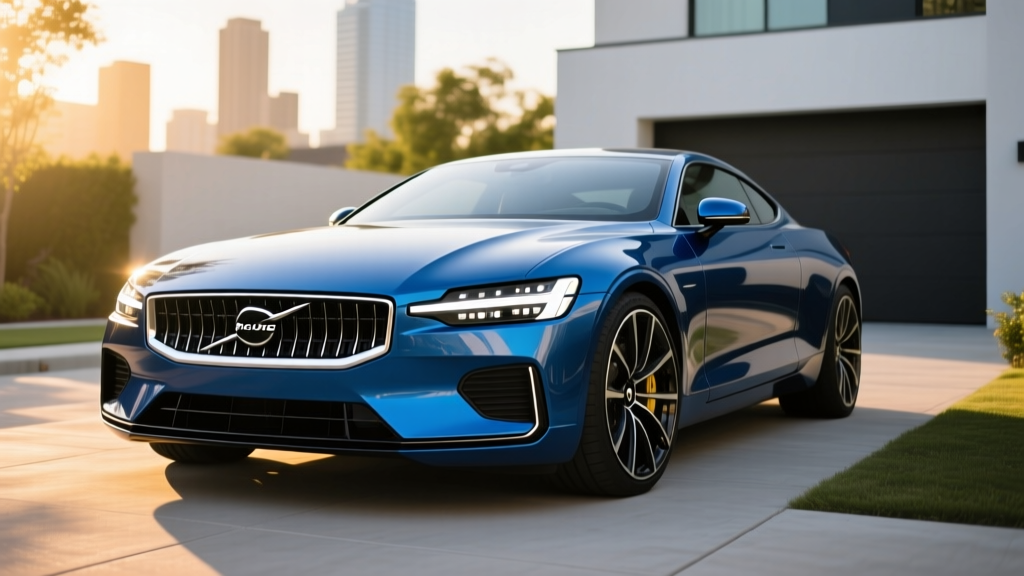
The Polestar 1 occupies a strange, fascinating space in the electrified vehicle landscape. Born from Volvo's performance division and limited to just 1,500 units worldwide across its entire production run (2018–2021), this plug-in hybrid grand tourer was never meant to be a volume seller. It was a statement car — carbon fiber bodywork, 619 combined horsepower, and a 34 kWh battery enabling genuine electric-only commuting. For buyers researching the Polestar 1 0-60 time, charging logistics, and real-world usability, this profile covers every number that matters.
Because the Polestar 1 is no longer in production, this review reflects final model-year specifications and current used-market realities. If you're considering one as a collector-grade PHEV daily driver, here's what ownership actually looks like.
| Specification | Value |
|---|---|
| Powertrain | PHEV — 2.0L turbo/supercharged I4 + twin rear electric motors (AWD) |
| Combined Output | 619 hp / 738 lb-ft torque |
| 0-60 mph | 4.2 seconds (manufacturer claim, verified by multiple outlets) |
| Battery Capacity | 34 kWh total (approx. 27 kWh usable), NMC lithium-ion |
| EPA Electric-Only Range | 52 miles |
| EPA Combined MPGe (EV mode) | 58 MPGe |
| Gas-Only Fuel Economy | 26 mpg combined (EPA est.) |
| Total Range (EV + Gas) | ~470 miles (15.3-gal tank) |
| DC Fast Charge (CCS) | Up to 50 kW peak |
| Level 2 Charge Rate | 3.7 kW (onboard charger limited) |
| Cargo Volume | 4.4 cu ft (trunk, battery encroachment) |
| Curb Weight | 5,184 lbs |
| Original MSRP | $156,500 (single trim, all-inclusive) |
Polestar 1 0-60 and Performance: How Quick Is It Really?
The headline number — 4.2 seconds to 60 mph — holds up across independent testing. Car and Driver recorded a 4.1-second run with launch control engaged, while Motor Trend clocked 4.3 seconds under slightly warmer conditions. The quarter-mile lands around 12.5 seconds at 112 mph.
That performance comes from a complex powertrain. The front wheels are driven by a 2.0-liter four-cylinder that's both turbocharged and supercharged (yes, both), producing 326 hp on its own. The rear axle gets two independent electric motors — one per wheel — contributing a combined 232 hp and enabling torque vectoring. The result is all-wheel drive with a distinctly rear-biased character when you're in the Power drive mode.
The 0-60 sprint benefits from the instant torque of the electric motors filling the gap before the turbo spools. Off the line, the Polestar 1 pulls with the urgency of a much lighter car, though you feel the 5,184-pound mass once you're past 80 mph. This is a grand tourer, not a track weapon — the Öhlins dampers (manually adjustable, 22 settings) and Akebono six-piston front brakes are race-grade hardware, but the weight is always present.
For context against rivals: the BMW i8 (also discontinued) ran 0-60 in 4.2 seconds with far less electric range. The Porsche Panamera 4 E-Hybrid hits 4.4 seconds. The Polestar 1's combination of sub-4.5-second acceleration and 52 miles of EV range was unmatched in the PHEV GT segment during its production window.
Electric Range and Real-World Efficiency
Real-world expectation: Plan for 38–48 miles in mixed driving with climate control active. Highway-speed electric-only driving at 70+ mph drops this to roughly 32–38 miles. In cold weather (below 35°F), expect 28–35 miles of usable electric range due to cabin heating demands and reduced battery efficiency. The NMC chemistry performs adequately in cold but loses roughly 25–30% of effective capacity at freezing temperatures.
The 52-mile EPA figure was class-leading for a PHEV when the Polestar 1 launched, and it remains impressive. That range comes from the 34 kWh battery pack (approximately 27 kWh usable, with top and bottom buffers to protect longevity). The NMC (nickel manganese cobalt) chemistry prioritizes energy density over the cycle-life advantages of LFP — a reasonable trade-off in a PHEV where the battery is smaller and the gas engine serves as a backup.
According to fueleconomy.gov, the Polestar 1 achieves 58 MPGe in combined electric+gas driving and 26 mpg when operating purely on gasoline. The 15.3-gallon fuel tank extends total range to approximately 470 miles when the battery is depleted — meaning road trips aren't a concern once you leave your electric commuting radius.
Efficiency tip from real ownership: the Polestar 1's "Pure" drive mode locks the car into electric-only operation up to 78 mph. Use this for commuting and save "Hybrid" mode for mixed trips where the navigation system can optimize the battery-to-gas handoff. The onboard route-based energy management is genuinely effective on longer trips with known destinations.
Charging Speeds: DC Fast and Home Level 2
| Charging Level | Power / Rate | Time / Miles Added |
|---|---|---|
| Level 1 (120V household) | ~1.4 kW | ~10–12 hours for full charge; ~4 mi/hr |
| Level 2 (240V home/public) | 3.7 kW (onboard limited) | ~7–8 hours for full charge; ~12 mi/hr |
| DC Fast Charge (CCS) | 50 kW peak | 0–80% in ~40 minutes; ~30 mi in 15 min |
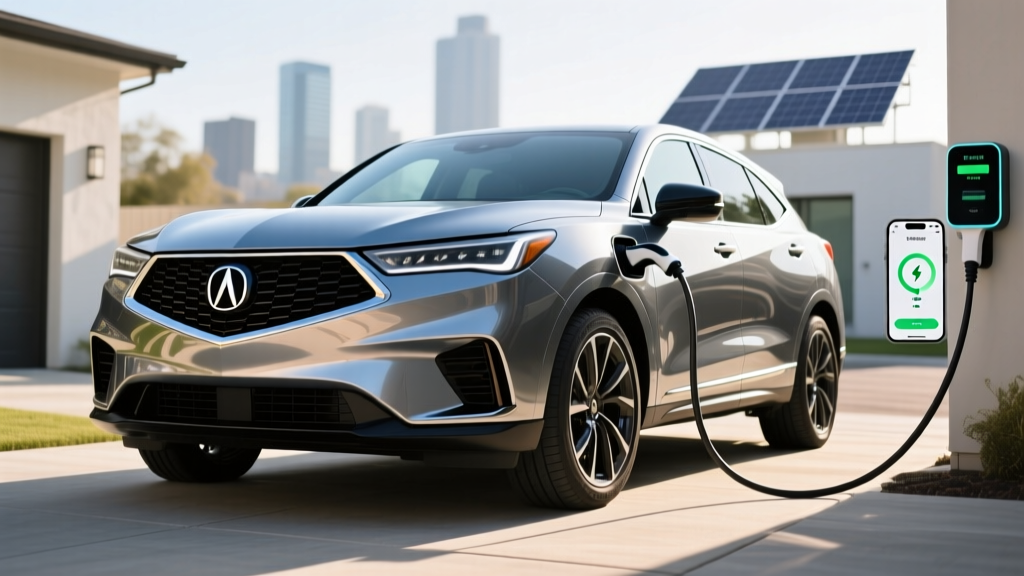
Charging is the Polestar 1's most significant practical limitation, and it reflects the car's 2017-era engineering. The 3.7 kW onboard charger means that even with a 48-amp Level 2 home station, you're bottlenecked at 3.7 kW on the car's side. A full 0–100% charge at Level 2 takes roughly 7–8 hours. That's fine for overnight replenishment, but it means you can't meaningfully "top up" during a short stop.
The 50 kW DC fast-charging capability (via CCS1 connector) was respectable for a PHEV at launch but is modest by 2026 standards. A 0–80% charge takes approximately 40 minutes. The charge curve is relatively flat between 20–70% SoC before tapering sharply above 80% — a common characteristic of smaller NMC packs with conservative thermal management. On a road trip, you'll get the most value from 15–20-minute DCFC stops that add roughly 25–30 miles of electric range. Beyond that, the taper makes waiting inefficient.
For home charging, a standard 240V / 16-amp outlet (NEMA 14-50 or hardwired Level 2 station) is sufficient. There's no benefit to installing a 48-amp or 80-amp circuit for this car — the onboard charger simply can't accept more than 3.7 kW. This is an important cost-saver for installation but a frustration for owners who also own a BEV capable of 11+ kW Level 2 charging.
Pricing, Tax Credits, and Used-Market Reality
The Polestar 1 launched at a staggering $156,500 MSRP with no options — every car came fully equipped with Öhlins suspension, Akebono brakes, Bowers & Wilkins audio, matte-black 21-inch wheels, and the carbon-fiber body. Production was capped at 1,500 units globally, with roughly 400–500 allocated to the US market.
As of 2026, the Polestar 1 trades exclusively on the used and collector market. Depreciation has been significant — expect to find examples between $85,000 and $120,000 depending on mileage, condition, and color (the matte grey and crystal white command premiums). Low-mileage examples under 10,000 miles occasionally list above $130,000.
| Item | Amount |
|---|---|
| Original MSRP (2019–2021) | $156,500 |
| Typical Used Price (2026 market) | $85,000–$120,000 |
| Federal §30D New EV Credit (was eligible) | $0 (PHEV battery under 16 kWh threshold for full credit; sourcing rules now apply) |
| Used EV Credit (§25E, up to $4,000) | Potentially eligible — 30% of sale price up to $4,000, subject to buyer income caps ($75K single / $150K joint) and dealer reporting |
Federal tax credit note: The Polestar 1's 34 kWh battery pack placed it in a complex position under the original §30D new-vehicle credit, which requires a minimum 16 kWh for full eligibility — it qualified for partial credit based on battery capacity. However, since the car is no longer sold new, the relevant credit for current buyers is the §25E Used Clean Vehicle Credit. This offers 30% of the sale price, up to $4,000, for qualified used EVs and PHEVs purchased through a licensed dealer. Buyer income must not exceed $75,000 (single) or $150,000 (married filing jointly), and the vehicle's original MSRP must have been under $80,000 when new — which disqualifies the Polestar 1, since its original MSRP was $156,500. Consult a tax professional for your specific situation.
Interior, Cargo, and Daily Livability
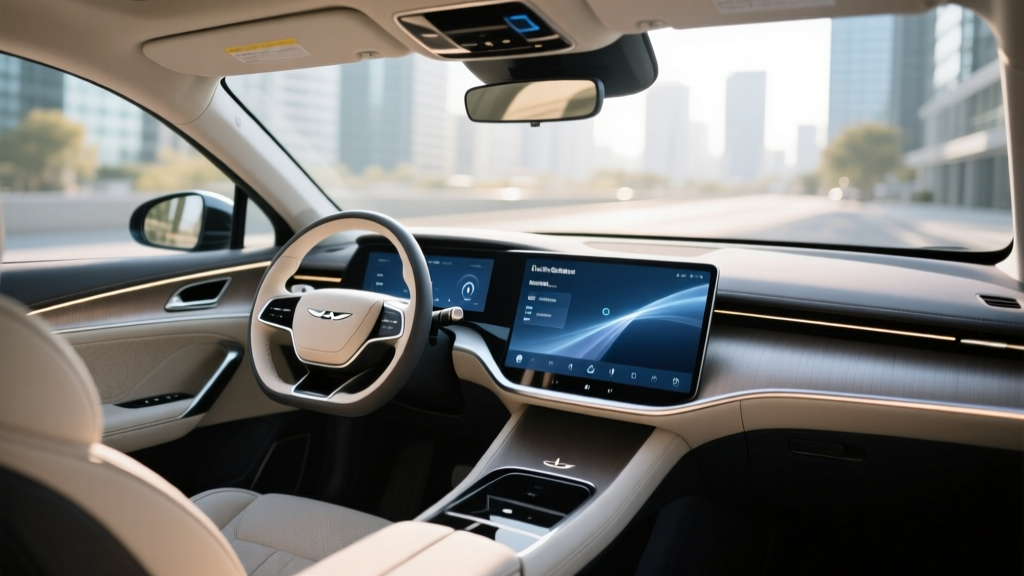
The Polestar 1's cabin is unmistakably Volvo-derived — clean Scandinavian lines, a portrait-oriented 9-inch Sensus touchscreen, crystal gear selector (Orrefors), and Nappa leather with micro-suede accents. Build quality is exceptional; every surface feels considered. The 12.3-inch digital instrument cluster handles speed, range, and power-flow displays competently, though the infotainment software feels dated by 2026 standards — no wireless CarPlay on early models (added via update for later build dates), and the native navigation lacks the responsiveness of modern systems.
The 2+2 seating arrangement is strictly a grand tourer compromise. Front seats are supportive and power-adjustable with memory. The rear seats are best described as upholstered shelving — fine for a child or a jacket, not viable for adults on anything beyond a short trip. Legroom in the rear is effectively negligible.
Cargo space is the Polestar 1's biggest practicality failure. At just 4.4 cubic feet, the trunk is severely compromised by the battery pack, which sits behind and below the rear seats. You'll fit a weekend bag for two, maybe a laptop case and a garment bag. Forget groceries for a family, golf clubs, or anything bulky. This is a car designed for two people traveling light — full stop.
Driver-assistance technology includes Volvo's Pilot Assist (SAE Level 2), which provides adaptive cruise control with lane-centering up to 80 mph. It works well on highways but requires hands on the wheel and is not a hands-free system. Additional assists include blind-spot monitoring, rear cross-traffic alert, run-off-road protection, and a 360-degree camera. There is no Autopilot-style lane-change-on-indicator or automated parking — this is conventional Level 2 assistance, competently executed.
Battery Warranty and Long-Term Ownership
Polestar provided an 8-year / 100,000-mile battery warranty covering defects and capacity loss below 70% of original capacity. For a 2019 model-year car, this coverage extends through approximately 2027, meaning most examples on the market still carry some factory battery warranty — a meaningful safety net for a used PHEV purchase.
The NMC battery in the Polestar 1 is liquid-cooled, which aids longevity. PHEV batteries experience less deep-cycle stress than BEV batteries because the gas engine prevents the pack from routinely hitting very low states of charge. Real-world degradation data is limited given the car's rarity, but owner reports suggest 3–5% capacity loss over the first 40,000 miles — well within warranty thresholds.
The powertrain warranty was 4 years / 50,000 miles, which has expired for most examples. The complex powertrain (turbo + supercharger + twin electric motors + 8-speed automatic + planetary gearset) means out-of-warranty repairs could be costly. Seek a car with documented service history and an active Polestar/Volvo service relationship in your area.
Pros
- 619 hp with 4.2-second 0-60 — genuinely thrilling acceleration
- 52-mile EV range covers most commutes without burning gas
- Carbon-fiber body is exotic, lightweight, and rust-immune
- Öhlins dampers and Akebono brakes are supercar-tier hardware
- Limited production (1,500 units) supports collector value
- Volvo-derived reliability and safety engineering
Cons
- 4.4 cu ft trunk is impractical for daily errands
- 3.7 kW onboard charger makes Level 2 topping up painfully slow
- 50 kW DCFC is modest; 40-minute 0-80% time
- Rear seats are unusable for adults
- Infotainment feels dated; no over-the-air feature updates
- $85K–$120K used price with no federal tax credit eligibility
- Complex powertrain = expensive out-of-warranty repairs
Who Should Buy the Polestar 1?
Choose the Polestar 1 if: You want a rare, collectible PHEV grand tourer that delivers supercar-level performance (619 hp, 4.2s 0-60) with genuine electric commuting capability. You have a short commute (under 45 miles round-trip), don't need cargo space, value exclusivity, and can absorb higher maintenance costs on a complex powertrain. You're buying this as a future classic as much as a daily driver.
Look elsewhere if: You need practicality — cargo space, rear seats, fast charging, or affordable running costs. The BMW i8 offers similar exotic appeal with better brand support. A used Porsche Panamera E-Hybrid delivers comparable performance with a usable back seat and hatchback cargo. If electric commuting is the priority, a used Tesla Model 3 Long Range or Polestar 2 gives you 250+ miles of BEV range at a fraction of the cost.
Frequently Asked Questions
What is the Polestar 1's real-world electric range?
The EPA rates it at 52 miles electric-only. In real-world mixed driving with HVAC, expect 38–48 miles. Highway driving at 70+ mph drops this to 32–38 miles, and cold weather (below 35°F) can reduce it to 28–35 miles. The 52-mile figure is achievable in ideal conditions — moderate temperatures, city speeds, minimal climate use.
How fast does the Polestar 1 charge at home and on DC fast chargers?
At home on Level 2 (240V), the Polestar 1 is limited to 3.7 kW by its onboard charger, meaning a full charge takes 7–8 hours. On a DC fast charger (CCS), it peaks at 50 kW and reaches 0–80% in approximately 40 minutes. There's no benefit to installing a high-amperage home charger — the car physically cannot accept more than 3.7 kW.
Does the Polestar 1 qualify for any federal EV tax credit in 2026?
Not for most buyers. The §25E used-vehicle credit (up to $4,000) requires the vehicle's original MSRP to have been under $80,000 when new. The Polestar 1's original MSRP was $156,500, which disqualifies it. The §30D new-vehicle credit is irrelevant since the car is no longer sold new. Always consult a tax professional and IRS guidance for your specific eligibility.
Is the Polestar 1 worth buying compared to the BMW i8 or Porsche Panamera E-Hybrid?
It depends on your priorities. The Polestar 1 offers the most electric range (52 mi vs. the i8's 18 mi), the most power (619 hp vs. the i8's 369 hp), and the rarest production run. The BMW i8 has better dealer support and a more futuristic cabin. The Porsche Panamera E-Hybrid is far more practical with four usable seats and hatchback cargo. If exclusivity and EV commuting range matter most, the Polestar 1 wins. If daily usability matters, the Panamera is the rational choice.
How reliable is the Polestar 1's powertrain?
The powertrain combines a proven Volvo Drive-E 2.0L engine with twin electric motors and an Aisin 8-speed automatic. Volvo/Polestar's hybrid systems have a solid reliability track record, but the complexity (turbo + supercharger + dual electric motors + planetary gearset) means potential repair costs are high once the 4-year/50,000-mile powertrain warranty expires. The 8-year/100,000-mile battery warranty still covers most examples. Prioritize low-mileage, well-documented cars with active service relationships at a Volvo/Polestar dealer.
Can the Polestar 1 drive on electric power only at highway speeds?
Yes. In Pure mode, the Polestar 1 operates solely on electric power up to 78 mph. Above that speed, or under hard acceleration, the gasoline engine engages. For highway commuting at 65–75 mph, you can complete your trip entirely on electricity — a genuine advantage over most PHEVs that blend gas and electric at higher speeds.