Quick Answer: What Is a Polaris Electric Vehicle?
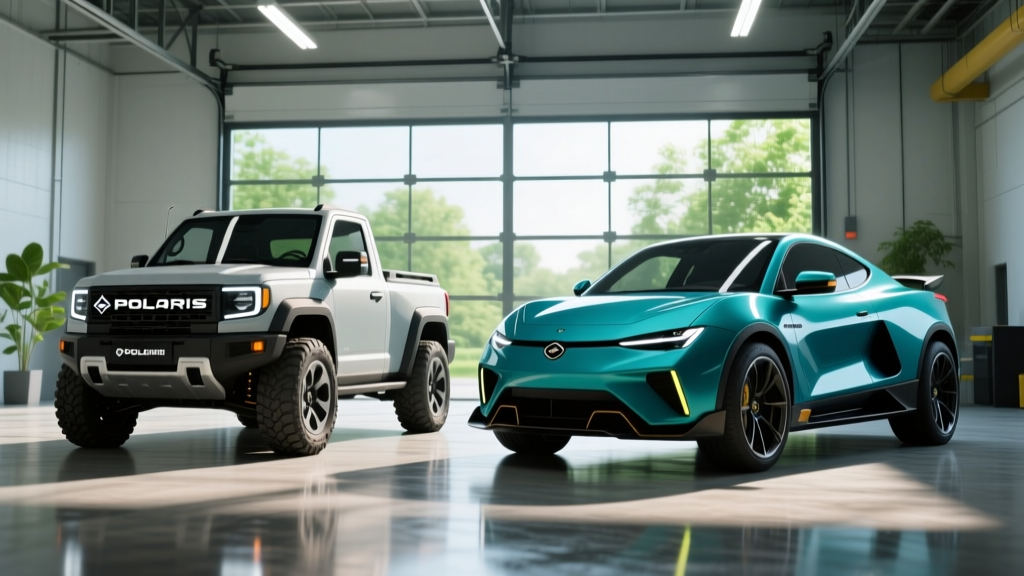
Polaris currently offers two main electric utility/recreation models: the Ranger XP 2000 (an all-electric side-by-side UTV) and the Sportsman XP 1000 E (an electric ATV). These are off-road electric vehicles — not street-legal passenger cars. The Ranger XP 2000 delivers an estimated 50-70 miles of real-world range, 110 horsepower, and a starting MSRP around $29,990. For buyers comparing a Polaris electric vehicle to a gas UTV, the EV eliminates oil changes, air filters, and exhaust noise while offering instant torque and lower per-hour operating costs, but at a higher upfront price and with range limitations on long trail rides.
What Polaris Electric Vehicles Are Available?
Polaris entered the electric off-road market with purpose-built platforms, not converted gas models. As of 2026, the lineup centers on two models aimed at work and recreation:
| Specification | Ranger XP 2000 (Electric UTV) | Sportsman XP 1000 E (Electric ATV) |
|---|---|---|
| Vehicle Type | Side-by-side UTV (2-3 seat) | Quad ATV (1 rider) |
| Motor Power | 110 hp / 140 lb-ft torque | ~45 hp equivalent |
| Battery Capacity | ~14.9 kWh (lithium-ion) | ~7 kWh (lithium-ion) |
| Estimated Range | 50-70 miles (mixed use) | 30-45 miles (mixed use) |
| Top Speed | ~65 mph | ~55 mph |
| Towing Capacity | 2,500 lbs | 1,500 lbs |
| Payload | 1,250 lbs | 550 lbs |
| Charge Time (120V) | ~10-12 hours (full) | ~8-10 hours (full) |
| Charge Time (240V) | ~4-5 hours (full) | ~3-4 hours (full) |
| Base MSRP | ~$29,990 | ~$14,990 |
| Drivetrain | AWD with e-brake | AWD selectable |
Key distinction: These are off-road vehicles (ORVs). They are not eligible for the federal §30D EV tax credit, which applies only to on-road passenger vehicles meeting specific MSRP, income, and battery-sourcing requirements per IRS guidelines. Some state or local utility rebates may apply to off-road electric equipment — check your jurisdiction.
Range Reality: What to Expect Off-Road
Polaris does not publish EPA range figures because ORVs fall outside EPA testing protocols. Instead, range estimates come from Polaris's internal testing and owner reports under typical trail/work conditions.
Ranger XP 2000 Range Breakdown
- Light trail use (flat terrain, 15-25 mph): Up to 70 miles
- Mixed work use (stop-start, moderate loads, hills): 45-55 miles
- Heavy towing or steep terrain: 30-40 miles
- Cold weather (below 32°F): Expect 15-25% range reduction due to battery chemistry and cabin-less exposure
Real-world note: Aggressive throttle use and high-speed desert running will deplete the 14.9 kWh battery much faster than moderate trail cruising. Unlike highway EVs, off-road range varies enormously based on terrain, load, and driving style.
For context, a gas-powered Ranger XP 1000 with a 12-gallon fuel tank can cover 100+ miles on a tank depending on conditions. The electric Ranger trades range for silence, zero exhaust fumes (critical for indoor agricultural use or hunting), and instant torque delivery.
Charging a Polaris EV: What Owners Need to Know
Polaris electric off-road vehicles charge via standard AC outlets — there is no DC fast charging capability on these platforms. This is a fundamental difference from on-road EVs that use CCS or NACS connectors at public fast-charging stations.
Charging Setup Options
| Level | Voltage | Power (kW) | Full Charge Time (Ranger) | Setup Cost |
|---|---|---|---|---|
| Level 1 (standard outlet) | 120V | ~1.2-1.4 kW | 10-12 hours | $0 (included cord) |
| Level 2 (dedicated circuit) | 240V | ~3.3 kW | 4-5 hours | $500-$1,500 (outlet install) |
| Level 2 (hardwired charger) | 240V | ~3.3-6.6 kW | 3-4 hours | $800-$2,500 (electrician + equipment) |
Practical charging advice: Most Ranger XP 2000 owners charge overnight on a standard 120V outlet in a garage or barn. If you use the vehicle heavily during the day and need faster turnaround, a licensed electrician can install a 240V NEMA 14-50 outlet for roughly $500-$1,500 depending on panel proximity and local permit costs. Always confirm your electrical panel has capacity — a 200-amp panel is typically sufficient, but older rural properties may need an upgrade ($1,500-$3,000+).
kW vs kWh reminder: The Ranger's battery stores approximately 14.9 kWh of energy (capacity). A Level 2 charger delivers power at roughly 3.3 kW (rate). Divide capacity by rate: 14.9 ÷ 3.3 ≈ 4.5 hours for a full charge, minus efficiency losses.
Cost Comparison: Polaris EV vs Gas UTV
The upfront premium for electric is significant, but operating costs tell a different story over time. Here's a five-year ownership comparison between the electric Ranger XP 2000 and the gas-powered Ranger XP 1000 Premium.
5-Year Ownership Cost Estimate (500 Hours Use)
| Cost Category | Ranger XP 2000 (Electric) | Ranger XP 1000 (Gas) |
|---|---|---|
| Purchase Price (MSRP) | $29,990 | $18,499 |
| Fuel/Energy (500 hrs) | ~$450 (electricity at $0.14/kWh) | ~$2,800 (gas at $3.50/gal, ~12 mpg equiv.) |
| Oil Changes | $0 | ~$500 (10 changes at $50 each) |
| Air Filters | $0 | ~$150 |
| Belt/Clutch Maintenance | $0 | ~$400 |
| Spark Plugs / Exhaust | $0 | ~$200 |
| Coolant / Misc. | $0 | ~$150 |
| Brake Wear | ~$200 (regen reduces wear) | ~$400 |
| Insurance (est. annual × 5) | ~$3,500 | ~$3,000 |
| 5-Year Total | ~$34,340 | ~$26,099 |
The math: The electric Ranger saves approximately $3,600-$4,000 in fuel and maintenance over five years of moderate use, but the $11,500 purchase premium means the gas model remains cheaper overall unless you log very high hours, benefit from commercial electricity rates, or place high value on the noise and emissions advantages.
Break-even point: At typical usage (100 hours/year), you would need 12-15+ years to break even on the purchase premium through operating savings alone. The EV makes financial sense primarily for buyers who value the qualitative benefits: near-silent operation (hunting, wildlife observation, residential areas), zero exhaust (indoor barns, greenhouses, enclosed work sites), and instant torque response.
EV vs Gas UTV: Which Should You Choose?
| Factor | Polaris EV (Ranger XP 2000) | Polaris Gas (Ranger XP 1000) |
|---|---|---|
| Noise Level | Near-silent (huge for hunting/residential) | Loud exhaust and engine |
| Exhaust/Fumes | Zero — safe for indoor use | CO and exhaust hazards indoors |
| Instant Torque | Yes — full torque from 0 RPM | Needs RPM buildup |
| Range | 50-70 miles max | 100+ miles per tank |
| Refuel/Recharge Time | 4-12 hours | 3 minutes (gas can) |
| Cold Weather | 15-25% range loss | Minimal impact |
| Maintenance | Minimal (no fluids, belts, filters) | Regular oil, filters, belts, plugs |
| Upfront Cost | ~$30,000 | ~$18,500 |
| Long Trail Rides | Limited — range anxiety on remote trails | Carry spare gas, go anywhere |
| Towing Heavy Loads | Range drops significantly | Less range penalty |
Common Misconceptions About Polaris Electric Vehicles
| Myth | Fact |
|---|---|
| "The EV qualifies for the $7,500 federal tax credit" | Off-road vehicles do NOT qualify for the §30D clean vehicle credit. Only on-road passenger vehicles meeting MSRP, income, and sourcing rules are eligible per the IRS. |
| "Electric UTVs have no power" | The Ranger XP 2000 produces 110 hp and 140 lb-ft of instant torque — comparable to or exceeding many gas UTVs in low-speed grunt. |
| "You can fast-charge it on the trail" | No DC fast charging. AC-only charging requires hours, not minutes. Plan rides within range or carry a generator for emergency top-ups. |
| "Batteries won't last" | Polaris offers a battery warranty (typically 1 year limited; check dealer for extended options). Lithium-ion off-road packs are designed for vibration and dust, but like all batteries, capacity degrades over time and with extreme heat/cold exposure. |
| "It's street-legal" | These are ORVs. They are not DOT-approved for highway use. Some states allow limited road crossing or low-speed road use with modifications — check local regulations. |
Real-World Ownership Considerations
Who Should Buy a Polaris Electric Vehicle?
- Choose the electric Ranger if: You hunt and need silent approach; you work in enclosed agricultural spaces (greenhouses, barns, warehouses) where exhaust is dangerous; you operate in noise-restricted areas; you value minimal maintenance and have reliable access to overnight charging; your typical rides stay within 40-50 miles round trip.
- Choose the gas Ranger if: You ride long remote trails with no charging access; you need quick refueling between work shifts; you tow heavy loads over long distances; you operate in extreme cold regularly; upfront budget is a primary constraint.
- Choose the electric Sportsman if: You want a quiet, low-maintenance ATV for property work, light trail riding, and have garage/barn charging. Range is more limited — best for rides under 30 miles.
- Wait or reconsider if: You need a street-legal electric vehicle for commuting (look at on-road EVs like the Ford F-150 Lightning or Rivian R1T instead); you require DC fast charging for all-day use; you frequently ride in sub-zero temperatures where range loss is severe.
Climate and Terrain Impact
Battery chemistry in the Ranger XP 2000 performs best between 50°F and 85°F. Below freezing, expect reduced range and slower charge acceptance. In desert heat above 100°F, battery thermal management becomes critical — avoid charging immediately after heavy use in extreme heat. Store the vehicle in shade or a garage when possible.
For hilly or mountainous terrain, range drops significantly versus flat-land estimates. Regenerative braking recovers some energy on descents, but steep climbs at load will consume battery rapidly. Plan routes conservatively — if your trail is 30 miles out and 30 miles back with significant elevation change, you may not have sufficient range on a single charge.
First-Time EV Buyer Tips for Off-Road
- Install a 240V outlet before delivery. Waiting 10-12 hours on 120V is frustrating if you need the vehicle daily. A $500-$1,500 electrician visit for a NEMA 14-50 outlet cuts charge time to 4-5 hours.
- Don't trust max range claims. Budget 60-70% of stated range for real-world mixed use. Plan rides to return with 20% battery remaining as a safety buffer.
- Carry a portable 120V extension cord (heavy-duty, 12-gauge). If you have access to any barn, cabin, or shed outlet on your property, you can trickle-charge during stops.
- Understand the warranty. Review the battery and powertrain warranty terms with your Polaris dealer. Off-road use involves vibration, water crossings, and dust that differ from automotive EV conditions.
Frequently Asked Questions
Does the Polaris Ranger XP 2000 qualify for any tax credits?
No. The federal §30D clean vehicle credit applies only to on-road passenger vehicles. Off-road vehicles like the Ranger and Sportsman are excluded. Some states or utilities offer rebates for electric agricultural or off-road equipment — check your local programs.
How long does the Polaris EV battery last before replacement?
Polaris does not publish a specific cycle-life rating publicly. Based on lithium-ion off-road battery behavior, expect noticeable capacity reduction after 800-1,200 full charge cycles (roughly 5-8 years of moderate use). Replacement battery packs are dealer-installed and cost approximately $5,000-$8,000 depending on model and availability. Proper storage (avoid full discharge, store at ~50% charge in moderate temperatures) extends battery life.
Can I tow with the electric Ranger?
Yes — the Ranger XP 2000 is rated for 2,500 lbs towing. However, towing heavy loads dramatically reduces range. If you normally get 55 miles on a charge, expect 30-35 miles when towing near max capacity on varied terrain.
Is the Polaris EV waterproof for creek crossings?
Polaris designs its electric ORVs for typical off-road conditions including water crossings, but check the owner's manual for maximum wading depth. Battery enclosures are sealed, but electrical connections and the motor have depth limits. Do not submerge beyond manufacturer specifications.
How does the Polaris EV compare to a gas UTV in terms of noise?
This is the single biggest advantage. The electric Ranger operates at roughly 60-70 dB under load (similar to a normal conversation), versus 90-100+ dB for a gas UTV. For hunting, wildlife photography, residential property work, or noise-sensitive commercial sites, the difference is transformative.
What happens if I run out of battery on the trail?
Unlike a gas UTV where you can walk out with a fuel can, a dead EV battery requires a tow or trailer. Some owners carry a portable gasoline generator (like a Honda EU2200i, ~$1,200) for emergency trickle charging, though this adds weight and negates the emissions benefit. Plan rides conservatively and know your range.
Sources: Polaris official specifications, Polaris Ranger XP 2000, IRS §30D Clean Vehicle Credit. Specs and pricing reflect 2025-2026 model year information available at publication. Confirm current pricing and availability with your local Polaris dealer.