Search for "Peter Bannon Tesla" and you'll find a trail of patents, teardown analyses, and engineering milestones that trace directly to the vehicle sitting in your driveway — or the one you're about to buy. Bannon, who served as Tesla's VP of Powertrain Engineering and later led critical platform architecture work, was instrumental in the development of the hairpin-wound permanent-magnet synchronous reluctance motor, the integrated octovalve thermal management system, and the structural battery pack concepts that define today's Model Y and Model 3. While Bannon departed Tesla around 2021 (later joining Rivian and then launching his own ventures), the engineering DNA he helped embed continues to shape the 2026 Tesla Model Y "Juniper" refresh.
This review examines the 2026 Tesla Model Y through the lens of the powertrain and thermal engineering innovations Bannon championed — and tests whether those innovations still deliver a competitive edge against a field that has closed the gap significantly.
2026 Tesla Model Y: Core Specifications at a Glance
| Specification | Long Range RWD | Long Range AWD | Performance |
|---|---|---|---|
| EPA Range | 320 mi | 300 mi | 277 mi |
| Battery (usable) | ~75 kWh (NMC) | ~75 kWh (NMC) | ~75 kWh (NMC) |
| Drivetrain | RWD (single motor) | Dual-motor AWD | Dual-motor AWD |
| Horsepower | 295 hp | 384 hp | 456 hp |
| 0-60 mph | 5.8 sec | 4.8 sec | 3.5 sec |
| Peak DC Fast Charge | 250 kW | 250 kW | 250 kW |
| 10-80% DC Time | ~25 min | ~25 min | ~25 min |
| Level 2 Rate | 11.5 kW (~44 mi/hr) | 11.5 kW (~44 mi/hr) | 11.5 kW (~44 mi/hr) |
| MPGe (combined) | 122 MPGe | 116 MPGe | 111 MPGe |
| Efficiency | 27 kWh/100 mi | 29 kWh/100 mi | 30 kWh/100 mi |
| Base MSRP | $44,990 | $47,990 | $52,990 |
Sources: EPA fueleconomy.gov, Tesla official specifications.
Real-World Range: What the EPA Sticker Doesn't Tell You
EPA Estimate: 300 miles
Real-World Highway (70 mph, 75°F): ~260-275 miles
Real-World Highway (32°F, winter): ~215-240 miles
City/Commuter Mixed: ~285-300 miles (regen-heavy driving recovers energy)
Note: Sustained 80+ mph driving, roof cargo boxes, and cold-soak starts can push range loss to 25-35% below EPA.
The 2026 Model Y's EPA numbers remain competitive, but Tesla's efficiency advantage — once an unassailable lead — has narrowed. The Hyundai Ioniq 5 achieves 318 miles from a larger 84 kWh battery, and the Ford Mustang Mach-E Extended Range posts 312 miles. Where Tesla still excels is energy efficiency per mile: at 29 kWh/100 mi for the Long Range AWD, the Model Y extracts more distance per kilowatt-hour than almost any crossover in its class. That efficiency traces directly to the integrated thermal management architecture (the octovalve system that routes waste heat between battery, motors, and cabin) — a system Bannon's team pioneered during his tenure.
For buyers in cold climates, the heat pump is standard and highly effective, but expect 15-25% range reduction in sustained sub-freezing highway driving. Preconditioning the battery before departure (scheduled via the Tesla app) recovers a meaningful portion of that loss by warming the pack to its optimal operating temperature.
Charging Speed and Infrastructure: Still the Benchmark?
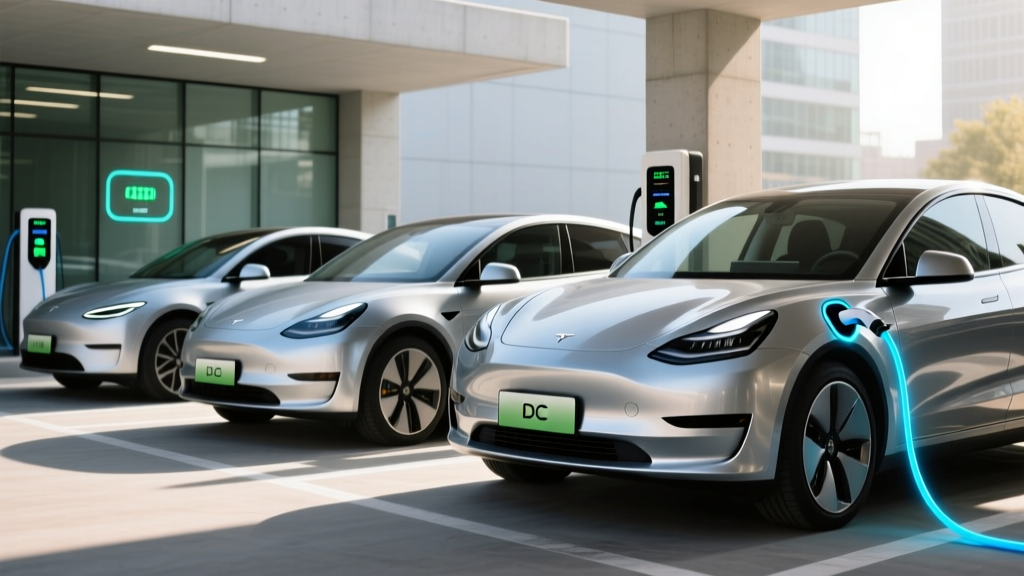
The 2026 Model Y retains its NACS (North American Charging Standard) connector natively — no adapter needed at any of Tesla's 6,500+ North American Supercharger stations. With the broader industry adopting NACS through 2025-2026, the Model Y's charging-network advantage is less about exclusivity and more about seamlessness.
| Charging Level | Power (kW) | Speed (miles added/hr) | Typical Use Case |
|---|---|---|---|
| Level 1 (120V) | 1.4 kW | ~5 mi/hr | Emergency/trickle only |
| Level 2 (240V, 48A) | 11.5 kW | ~44 mi/hr | Home overnight charging |
| Level 2 (240V, 32A) | 7.7 kW | ~30 mi/hr | Portable/mobile connector |
| DC Fast Charge (peak) | 250 kW | ~1,000+ mi/hr (initial) | Road trips, Supercharger V3/V4 |
| DC Fast Charge (avg 10-80%) | ~140 kW sustained | — | Actual average over session |
Charging-curve reality: The Model Y peaks at 250 kW only at a low state of charge (roughly 5-20% SoC) with a preconditioned battery. By 50% SoC, power tapers to approximately 150 kW, and above 80% it drops sharply to under 50 kW. A 10-80% session at a V3 Supercharger takes approximately 25 minutes under ideal conditions. Expect 30-35 minutes in cold weather without adequate preconditioning. The kW (power) versus kWh (energy) distinction matters here: the 75 kWh battery (energy capacity) absorbs power at up to 250 kW (charge rate), but the average rate over the session is closer to 140 kW due to the taper.
For home charging, a Level 2 Wall Connector on a 60-amp circuit delivers 11.5 kW — enough to replenish a full day's driving in roughly 2-3 hours. Installation typically runs $800-$2,000 depending on panel proximity and local permitting. A 200-amp electrical panel is usually sufficient; older homes may need a panel upgrade ($1,500-$3,000).
The Bannon Engineering Legacy: Powertrain and Thermal Architecture
Peter Bannon's most consequential contributions to Tesla's engineering stack are largely invisible to consumers but profoundly affect daily ownership. Three innovations stand out:
1. Hairpin-Wound Motor Stator: Bannon's team developed the manufacturing process for hairpin-style copper windings in the permanent-magnet synchronous reluctance motor. This design increases copper fill factor (more conductor in the same volume), reducing resistive losses and improving both peak power and sustained efficiency. The 2026 Model Y's rear motor is a direct descendant of this work — producing 295 hp in the RWD variant with remarkably low thermal derating even under sustained highway loads.
2. Octovalve / Integrated Thermal Management: The octovalve is a multi-port refrigerant and coolant routing manifold that connects the battery thermal loop, motor cooling loop, cabin HVAC, and heat pump into a single managed system. Waste heat from the motors can warm the battery in cold weather; excess battery heat can precondition the cabin. This system is why the Model Y's cold-weather efficiency, while still reduced, outperforms many competitors that rely on resistive cabin heating or lack integrated heat routing.
3. Structural Battery Pack Foundations: While the 2026 Model Y Long Range still uses a conventional 2170-cell pack (not the 4680 structural pack found in some Cybertruck and Model Y Austin-built variants), the engineering principles Bannon's team established for cell-to-pack integration and load-bearing battery enclosures informed the platform's overall stiffness and packaging efficiency. The Juniper refresh benefits from a lower, more rigid floor structure that improves handling dynamics and crash performance.
Interior, Tech, and Daily Livability
The Juniper-generation Model Y interior represents a meaningful step up from the pre-2025 model, addressing long-standing complaints about material quality and ride comfort:
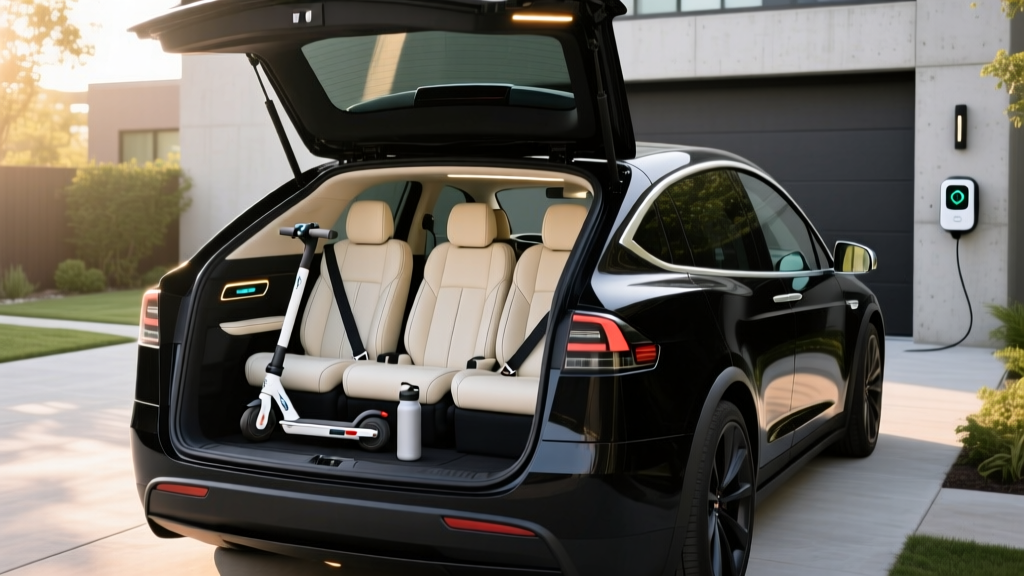
Cargo Space: 30.2 cu ft behind the second row; 72.1 cu ft with rear seats folded. The front trunk (frunk) adds 4.1 cu ft — enough for a charging cable kit and a small bag. Total cargo volume is competitive with the Hyundai Ioniq 5 (56.2 cu ft max) but trails the Kia EV6 and Ford Mach-E in rear-seat-folding versatility due to the sloping roofline.
Passenger Space: Front legroom: 41.8 inches. Rear legroom: 41.6 inches. Headroom is adequate for passengers under 6'2", but the panoramic glass roof reduces front headroom slightly compared to vehicles with a conventional steel roof. Rear-seat comfort has improved with revised cushioning and a slightly reclined seatback angle in the Juniper update.
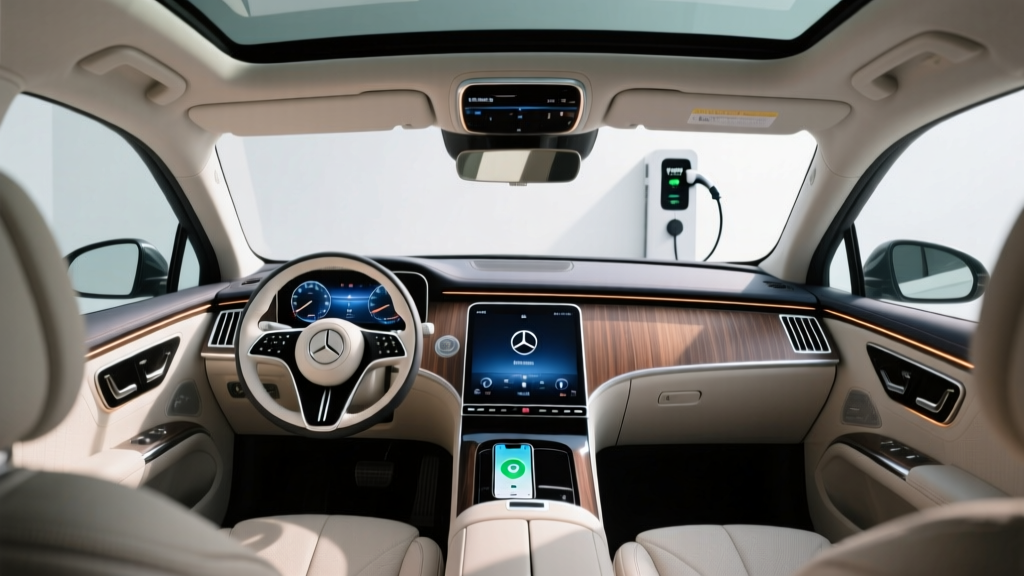
Infotainment: The 15.4-inch center touchscreen remains the sole interface — no physical instrument cluster, no head-up display. The Juniper adds ambient lighting, ventilated front seats, and a rear-seat entertainment screen. Tesla's software ecosystem (navigation, Sentry Mode, over-the-air updates, theater mode) remains the most responsive and feature-rich in the segment, though the lack of Apple CarPlay/Android Auto continues to alienate some buyers.
Driver Assistance: Basic Autopilot (lane centering, adaptive cruise) is standard. Full Self-Driving (Supervised) remains a $8,000 option or $99/month subscription.
Tesla Autopilot and FSD (Supervised) are Level 2 driver-assistance systems. The driver must remain attentive, keep hands on the wheel, and be prepared to take over at any moment. These are not self-driving systems. Only Level 4 services like Waymo operate without a driver in the loop, and those are limited to geo-fenced urban areas.
Pricing, Tax Credits, and Total Cost
| Trim | Base MSRP | Destination | Est. Price After §30D Credit* |
|---|---|---|---|
| Long Range RWD | $44,990 | $1,390 | $38,880 |
| Long Range AWD | $47,990 | $1,390 | $41,880 |
| Performance | $52,990 | $1,390 | $46,880 |
*Federal tax credit eligibility under IRS §30D is subject to multiple requirements. The figures above assume full $7,500 credit eligibility, which is NOT guaranteed for every buyer.
- MSRP Cap: Vehicle must be under $80,000 for SUVs/crossovers (Model Y qualifies on all trims).
- Buyer Income Cap: Adjusted gross income must not exceed $150,000 (single), $225,000 (head of household), or $300,000 (joint filers).
- Battery Sourcing: Critical minerals and battery components must meet phased-in domestic/free-trade-partner sourcing thresholds. Tesla's supply chain has been progressively compliant, but eligibility can shift by production batch. Verify at fueleconomy.gov before purchase.
- Point-of-Sale Transfer: The credit can be transferred to the dealer at purchase, reducing the purchase price directly — you do not need to wait until tax filing.
- Consult a tax professional for your specific situation. Rules are subject to change. See IRS.gov clean vehicle credits.
5-Year Ownership Snapshot (Long Range AWD, 15,000 mi/yr):
| Cost Category | Estimated 5-Year Cost |
|---|---|
| Purchase (after credit, before state incentives) | ~$41,880 |
| Home electricity ($0.14/kWh avg) | ~$4,570 |
| Insurance (national avg for Model Y) | ~$12,500 |
| Maintenance (tires, cabin filter, wiper fluid) | ~$1,800 |
| Estimated depreciation | ~$18,000 |
| Estimated 5-Year Total | ~$78,750 |
Insurance remains a notable cost driver for Tesla vehicles — the Model Y's average annual premium runs approximately $2,500, roughly 20-35% higher than comparable non-Tesla crossovers, driven by repair-cost data and ADAS calibration expenses.
Warranty Coverage
Tesla's warranty for the 2026 Model Y:
- Basic Vehicle: 4 years / 50,000 miles
- Battery & Drive Unit: 8 years / 120,000 miles (Long Range); 8 years / 120,000 miles (Performance)
- Battery Capacity Retention: Tesla warrants that the battery will retain at least 70% of its original capacity over the warranty period. If it drops below 70%, Tesla will repair or replace it.
Real-world degradation data from fleet monitoring (including Teslanomics and owner-reported datasets) suggests the NMC pack in the Model Y loses approximately 8-12% capacity over the first 100,000 miles, with the curve flattening significantly after the initial break-in period. The 70% retention threshold at 120,000 miles is conservative relative to observed degradation curves.
Pros and Cons: The Honest Scorecard
Pros
- Class-leading energy efficiency (29 kWh/100 mi AWD)
- Best-in-class Supercharger network access (native NACS)
- 250 kW DC fast charging with strong preconditioning
- Over-the-air updates continuously add features
- Spacious rear seat and cargo area for the footprint
- Standard heat pump minimizes cold-weather range loss
- Strong resale value relative to non-Tesla EVs
Cons
- No Apple CarPlay / Android Auto
- Insurance premiums 20-35% above segment average
- FSD (Supervised) remains Level 2 at $8,000 — expensive for what it delivers
- Competitors now match or exceed EPA range (Ioniq 5, Mach-E)
- Minimal physical controls — everything through the touchscreen
- Ride quality improved but still firm on broken pavement
- Service center wait times remain long in many metro areas
Who Should Buy the 2026 Tesla Model Y?
- You road-trip frequently and value Supercharger reliability over peak range numbers
- You want the most energy-efficient electric crossover in the segment
- Home Level 2 charging is available and you drive under 250 miles daily
- You value OTA software updates and Tesla's ecosystem (Sentry Mode, app control, Supercharger routing)
- Apple CarPlay/Android Auto is non-negotiable
- You need maximum cargo volume or flat-folding versatility
- Insurance cost is a primary budget concern
- You want a more traditional interior layout with physical buttons and a head-up display
- You prioritize 800V architecture and faster 10-80% charge times (Hyundai/Kia at 350 kW chargers: ~18 min)
Frequently Asked Questions
What is the real-world range of the 2026 Tesla Model Y?
The EPA rates the Long Range AWD at 300 miles. In real-world highway driving at 70 mph in moderate temperatures, expect 260-275 miles. In winter highway conditions (32°F or below), plan for 215-240 miles. City driving with regenerative braking can approach or match the EPA number.
How fast does the Model Y charge at home and on the road?
At home on a Level 2 (240V, 48A) Wall Connector, the Model Y charges at 11.5 kW, adding approximately 44 miles of range per hour — a full overnight session easily replenishes daily driving. On DC fast chargers (Supercharger V3/V4), it peaks at 250 kW and completes a 10-80% session in approximately 25 minutes under ideal conditions.
Does the 2026 Model Y qualify for the $7,500 federal EV tax credit?
The Model Y's MSRP (all trims under $80,000) falls within the §30D cap for SUVs/crossovers. However, buyer income limits ($150K single / $300K joint) and battery critical-mineral sourcing requirements apply. Eligibility can vary by production batch and model year. Verify your specific vehicle's eligibility at fueleconomy.gov and consult a tax professional. The credit can be applied as a point-of-sale reduction.
Is the Model Y still worth buying vs. the Hyundai Ioniq 5 or Ford Mach-E?
The Model Y's advantages — Supercharger network, energy efficiency, software ecosystem, and resale value — remain real, but the gap has narrowed. The Ioniq 5 offers 800V architecture (faster peak charging at compatible stations), a more distinctive interior, and Apple CarPlay. The Mach-E provides a more conventional driving feel and competitive range. If Supercharger access and software are priorities, the Model Y remains the default choice. If you want faster DC charging, CarPlay, or lower insurance, test-drive the competition.
What was Peter Bannon's role at Tesla?
Peter Bannon served as Tesla's VP of Powertrain Engineering and later led platform architecture efforts. His team developed the hairpin-wound motor stator manufacturing process, the octovalve integrated thermal management system, and foundational structural battery pack concepts. He departed Tesla around 2021. The engineering systems he helped create continue to define the Model Y's powertrain efficiency and thermal performance in the 2026 Juniper generation.
How long will the Model Y battery last?
Tesla warrants the battery for 8 years / 120,000 miles with a minimum 70% capacity retention guarantee. Fleet data suggests typical NMC degradation of 8-12% over 100,000 miles. Many Model Y packs from earlier generations are projected to retain 80%+ capacity at 150,000 miles under normal use patterns (avoiding repeated 100% charges, using daily charge limits of 80-90%).