Quick Answer: Is a Paddle Boat with Electric Motor Worth It?
A paddle boat with electric motor makes sense if you primarily boat on small, calm lakes (often with gas-engine restrictions), value silent operation, and can charge at home or at a marina with standard 120V/240V access. Expect $2,500–$8,000 total for a quality pontoon-style or pedal-electric hybrid with a 1–3 kWh lithium battery delivering 2–5 hours of runtime at moderate speed. Operating cost is roughly $0.15–$0.40 per hour in electricity versus $3–$6 per hour in gasoline for a comparable 2–5 HP outboard. The trade-off: limited range (typically 8–20 miles per charge), slower top speeds (4–7 mph), and longer recharge times (3–8 hours on Level 1). If you need open-water performance, towing power, or all-day range without shore charging access, a gas outboard or a larger electric pontoon with a 10+ kWh pack is the better fit.
What Exactly Is an Electric Paddle Boat?
The term "paddle boat with electric motor" covers two distinct categories that buyers frequently conflate:
- Pedal-electric hybrids: Human-powered paddle/pedal craft with an auxiliary electric trolling motor (typically 30–55 lbs thrust, drawing from a 12V 50–100Ah battery). These are the most common and affordable, often sold by brands like Sea Eagle, Old Town, or Pelican.
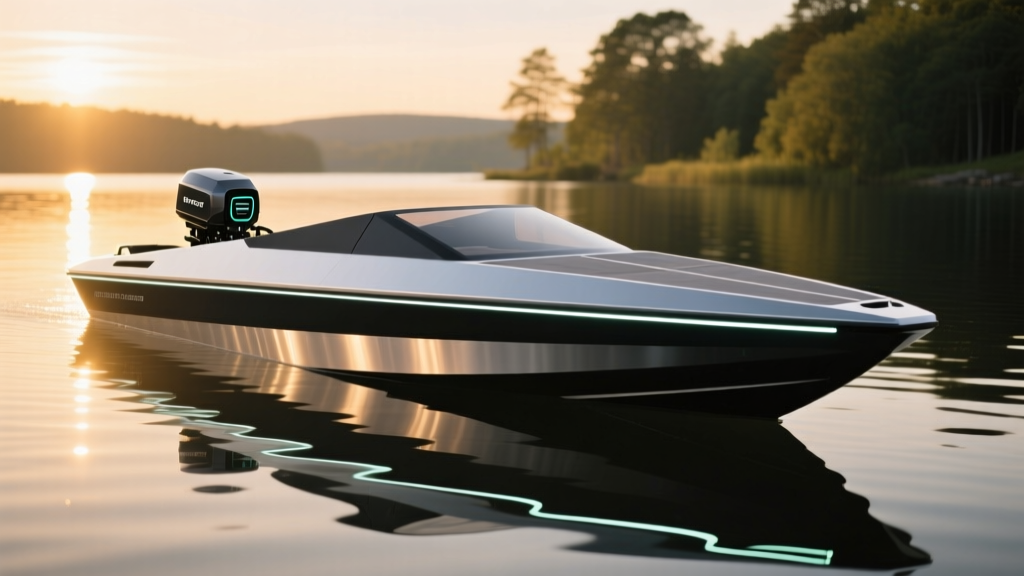
- Fully electric pontoon/paddle boats: Purpose-built electric watercraft with integrated motors (1–5 kW continuous) and larger lithium packs (2–10 kWh). Examples include models from Aqua Marina, Sun Tracker (electric tritoon concepts), and niche builders like ElectraCraft or Phantom Marine.
The distinction matters enormously for cost, range, and what you can actually do on the water. A 12V trolling motor on a pedal boat will push you at 3–4 mph for 2–3 hours. A 48V integrated system can cruise at 6–8 mph for 4–6 hours. Below, we focus on the practical middle ground: electric-assisted paddle/pontoon craft in the $3,000–$8,000 range that most recreational buyers are actually searching for.
Battery, Range, and Runtime: The Numbers That Matter
Just like with electric vehicles, the single most important spec is usable battery capacity in kWh (kilowatt-hours, a measure of energy), not just voltage. Here's what typical configurations deliver in real-world conditions:
| Configuration | Battery (kWh) | Motor (kW) | Cruise Speed | Est. Runtime | Range |
|---|---|---|---|---|---|
| 12V trolling motor + pedal hull | 0.6–1.2 kWh (lead-acid) / 0.6–1.5 kWh (LiFePO4) | 0.3–0.6 kW | 3–4 mph | 2–3 hrs | 6–12 mi |
| 24V electric pontoon | 1.5–3.0 kWh (LiFePO4) | 0.75–1.5 kW | 4–6 mph | 3–5 hrs | 12–25 mi |
| 48V integrated electric | 4–10 kWh (NMC or LFP) | 2–5 kW | 6–8 mph | 3–6 hrs | 18–40 mi |
Real-world caveat: Runtime drops 20–35% in windy conditions, against current, or with a full passenger load. Cold water temperatures (below 55°F) reduce lithium battery usable capacity by roughly 10–15% compared to midsummer conditions. Always plan for 70% of the sticker runtime when mapping your route.
Electric vs. Gas: Cost and Experience Comparison
Here's how a typical electric paddle boat setup stacks up against a small gas outboard on a comparable hull over five years of moderate use (50 outings/year, ~4 hours each):
| Factor | Electric Paddle Boat (24V, 2 kWh LFP) | Gas Outboard (5 HP, 4-stroke) |
|---|---|---|
| Purchase price (boat + motor) | $4,500–$6,500 | $3,800–$5,200 |
| Energy/fuel cost per hour | $0.20–$0.40 (electricity at $0.16/kWh) | $3.50–$5.50 (gas at ~$3.50/gal, ~0.5 gal/hr) |
| Annual energy cost (200 hrs) | $40–$80 | $700–$1,100 |
| Maintenance (5-year total) | $100–$300 (battery terminal checks, prop inspection) | $800–$1,500 (oil, spark plugs, impeller, winterizing) |
| Noise level | ~50 dB (conversation-quiet) | ~85 dB (loud, fatiguing) |
| Emissions on water | None at point of use | Direct hydrocarbon + CO output |
| 5-year total operating cost | $200–$400 | $3,500–$5,500 |
The electric setup carries a modest upfront premium but pays for itself in fuel and maintenance savings within 2–3 years for a regular user. The experience difference is equally significant: silent operation lets you hear wildlife, hold conversations without shouting, and access lakes that ban gas engines entirely.
Charging Logistics: What You Actually Need
Unlike EVs with standardized NACS or CCS connectors, electric boats use a fragmented mix of marine-grade connectors (Anderson SB, Marinco, or proprietary barrel plugs). Here's what charging looks like in practice:
| Charging Method | Power (kW) | Time for 2 kWh Pack (0–100%) | Time for 8 kWh Pack (0–100%) |
|---|---|---|---|
| Standard 120V outlet (Level 1) | 0.3–0.5 kW | 4–7 hours | 16–27 hours |
| 240V marina/dryer outlet (Level 2) | 1.0–2.0 kW | 1–2 hours | 4–8 hours |
| Onboard solar (100–300W panel) | 0.1–0.3 kW | Trickle/top-up only | Trickle/top-up only |
Key ownership reality: Most paddle-boat owners charge at home on a standard 120V outlet between outings. If you boat daily or take multi-day trips, you'll need either a 240V outlet at your dock or a second battery pack to swap. Plan your charging logistics before you buy — a 10 kWh pack that takes 24 hours to recharge on 120V is useless for consecutive-day use.
Battery Chemistry: LFP vs. Lead-Acid vs. NMC
Marine batteries face harsh conditions — vibration, moisture, temperature swings — making chemistry choice critical:
| Chemistry | Cycle Life | Weight (for 2 kWh) | Cost (for 2 kWh) | Safety | Best For |
|---|---|---|---|---|---|
| Lead-Acid (AGM/Gel) | 300–500 cycles | ~55 lbs | $250–$400 | Very high | Budget builds, infrequent use |
| LFP (LiFePO4) | 2,000–4,000 cycles | ~22 lbs | $600–$1,000 | Very high (thermally stable) | Most buyers — best long-term value |
| NMC (Nickel Manganese Cobalt) | 800–1,500 cycles | ~18 lbs | $700–$1,200 | Moderate (thermal runaway risk if damaged) | Weight-critical applications |
Our recommendation: LFP is the clear winner for most paddle boat buyers. It offers 5–10× the cycle life of lead-acid at half the weight, and its thermal stability makes it far safer in a marine environment where battery damage from impact or water intrusion is a real possibility. The higher upfront cost pays for itself by year three.
Common Misconceptions, Corrected
| Myth | Fact |
|---|---|
| "Electric boats can't go far enough to be useful." | A 24V, 2 kWh setup delivers 12–25 miles of range at cruising speed — more than enough for a full day on most lakes under 500 acres. |
| "You need a special dock charger." | Most small electric boats charge from any standard 120V GFCI outlet. Larger 48V systems benefit from 240V but don't require proprietary infrastructure. |
| "Electric motors have no power." | A 3 kW electric outboard delivers thrust comparable to a 5–6 HP gas motor. The difference is top speed, not torque — electric motors produce peak torque at zero RPM. |
| "The battery will die in 2 years." | A quality LFP marine battery retains 80%+ capacity after 2,000 cycles. At 50 outings/year, that's 40+ years of use before significant degradation. |
| "Solar panels on the boat eliminate charging." | A 200W marine solar panel generates roughly 0.8–1.2 kWh per day in good sun — enough to extend runtime by 1–2 hours, not replace shore charging. |
Decision Framework: Should You Buy Electric?
Choose an Electric Paddle Boat If:
- You boat primarily on small-to-medium lakes (under 1,000 acres) with calm conditions
- Your lake restricts or bans gas engines (increasingly common on reservoirs and nature preserves)
- You have access to a standard 120V outlet at home or your dock for overnight charging
- You value silence for fishing, wildlife observation, or conversation
- You boat 20+ times per year (the operating-cost savings compound quickly)
- You're willing to accept 4–7 mph top speed and 2–5 hour runtime per charge
Stick with Gas (or Look at Larger Electric Pontoons) If:
- You boat on large, open lakes or rivers with significant current or wind
- You need to tow tubes, skiers, or carry heavy loads at speed
- You take multi-day trips without shore-power access
- You need 20+ mph top speed or 50+ mile range in a single outing
- You have no access to any electrical outlet near where you store or launch the boat
Frequently Asked Questions
How much does a paddle boat with electric motor cost in 2026?
Entry-level pedal-electric hybrids (inflatable or rotomolded hull + 12V trolling motor + lead-acid battery) start around $1,500–$2,500. Mid-range rigid-hull electric pontoon boats with LFP batteries and integrated 24V–48V motors run $4,000–$8,000. Premium fully-electric pontoons with 10+ kWh packs and 5 kW motors can exceed $15,000–$25,000.
Can I use a regular EV home charger for my electric boat?
Generally no — marine batteries use different charge profiles and connectors than EVs. However, if your boat has a 48V system with an onboard charger that accepts a standard NEMA 14-50 (240V) plug, you can share the same outlet you'd use for a Level 2 EV charger. Always confirm voltage and charge-controller compatibility with your boat manufacturer before connecting.
Do electric boat motors qualify for any tax credits or incentives?
The federal §30D EV tax credit applies only to highway-capable vehicles — boat motors do not qualify. However, some state and local clean-energy programs offer rebates for electric marine equipment, particularly in states with significant recreational boating (e.g., California, Minnesota, Washington). Check your state energy office or AFDC incentive database for current programs.
How long do electric boat batteries last before replacement?
LFP marine batteries typically last 2,000–4,000 full charge cycles before degrading to 80% of original capacity. At 50 outings per year with one full cycle per outing, that translates to 40–80 years — effectively the life of the boat. Lead-acid batteries, by contrast, typically need replacement every 3–5 years (300–500 cycles). Replacement cost for a 2 kWh LFP pack in 2026 is roughly $500–$800.
Is it safe to use lithium batteries on a boat?
LFP (lithium iron phosphate) batteries are considered extremely safe for marine use — they do not experience thermal runaway under normal abuse conditions (puncture, overcharge, short circuit). NMC batteries carry a higher thermal-runway risk and require more robust battery management systems. Always choose marine-rated batteries with IP67 waterproofing and built-in BMS (battery management system) protection, and install them in a ventilated, dry compartment above the waterline.
What's the real-world range vs. what manufacturers advertise?
Manufacturers typically advertise range at minimum speed with minimal load and calm conditions. Expect 65–80% of the advertised range in typical mixed-use conditions (moderate speed, 2–4 passengers, light wind). In headwinds or against current, plan for 50–60% of sticker range. Always carry a backup plan — whether that's a second battery, a small gas kicker motor, or a paddle.