Why Buyers Are Hunting for the Oldest Tesla Models in 2026
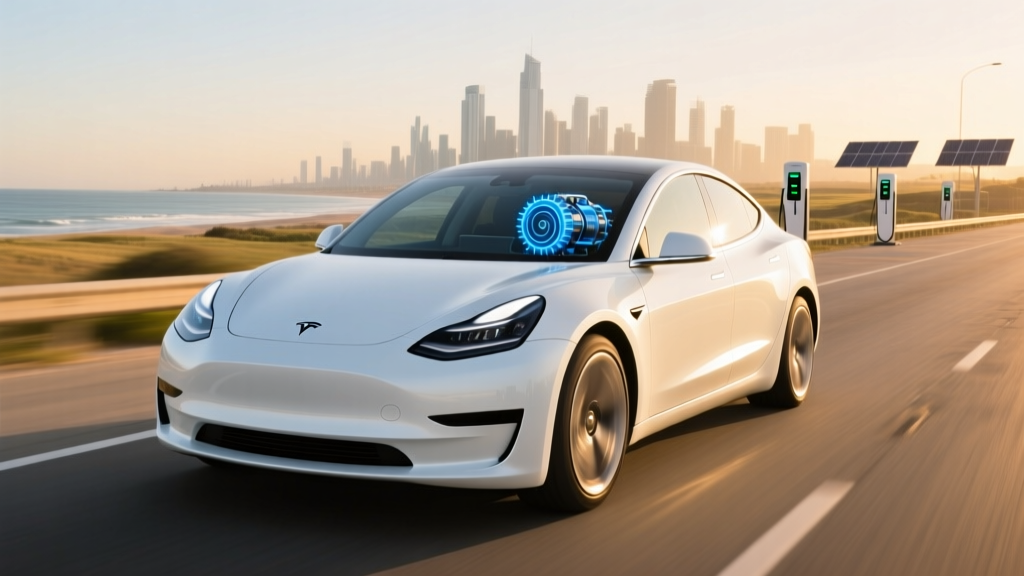
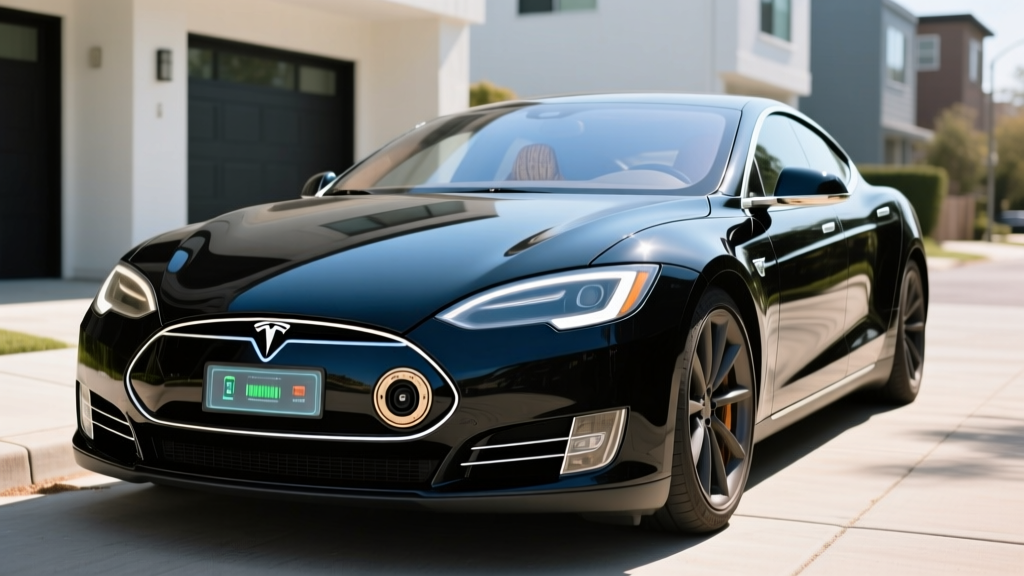
The phrase "oldest Tesla" covers two distinct groups of used electric vehicles hitting the market in 2026: the original Tesla Model S (introduced in 2012, with the most desirable used examples from 2015–2020) and the early Tesla Model 3 (launched in 2017, with high-volume used inventory from 2018–2021). Both offer a compelling entry point into the Tesla ecosystem — access to the Supercharger network, over-the-air updates, and proven electric powertrains — at a fraction of their original MSRPs.
But buying a 6-to-14-year-old EV demands a different calculus than buying new. Battery degradation, expired warranties, outdated charging hardware, and shifting federal tax credit rules (the IRS §30D used EV credit has its own set of caps) all factor in. This guide walks through the specs, real-world ownership data, and decision framework you need before signing on the oldest Tesla you can find.
Spec Snapshot: Tesla Model S (2015–2020) vs. Model 3 (2018–2021)
| Spec | Model S 75D / 100D (2015–2020) | Model 3 Long Range AWD (2018–2021) |
|---|---|---|
| EPA Range (original sticker) | 259 mi (75D) / 335 mi (100D) | 310–353 mi (varies by year) |
| Battery Capacity (usable) | ~75 kWh / ~100 kWh (NMC) | ~75 kWh (NMC, 2170 cells from 2018+) |
| Max DC Fast Charge | 120 kW (V2 Supercharger era) | 150–170 kW (V2/V3 compatible) |
| 10–80% DC Charge Time | ~45–55 min | ~30–40 min |
| Level 2 Home Charge Rate | 11.5 kW (~34 mi/hr) | 11.5 kW (~44 mi/hr) |
| 0–60 mph | 4.2 sec (75D) / 3.7 sec (100D) | 4.4 sec (LR AWD) |
| Horsepower | ~328 hp (75D) / ~417 hp (100D) | ~346 hp (LR AWD dual-motor) |
| Drivetrain | Dual-motor AWD | Dual-motor AWD |
| Efficiency (combined) | 101–103 MPGe / ~33 kWh/100mi | 120–134 MPGe / ~25–28 kWh/100mi |
| Cargo Volume | 26.3 cu ft (rear) + 5.3 cu ft (frunk) | 15.0 cu ft (trunk) + 3.1 cu ft (frunk) |
| Rear Legroom | 35.4 in | 35.2 in |
Sources: EPA fueleconomy.gov, Tesla archived spec sheets. Exact specs vary by model year and trim.
Real-World Range: What the EPA Sticker Doesn't Tell You
EPA Sticker vs. Reality
A 2018 Model 3 Long Range carries an EPA rating of 310 miles. In real-world mixed driving at 70 mph highway speeds, expect 250–275 miles. In cold weather (below 32°F), that drops to 200–230 miles due to cabin heating loads and reduced battery efficiency. The older Model S 100D, EPA-rated at 335 miles, typically delivers 260–290 miles in moderate conditions and 210–240 miles in winter, compounded by its heavier curb weight and older thermal management system.
Range degradation is a function of both the battery's State of Health (SoH) and driving conditions. A 2017 Model S with 90,000 miles might show 10–15% degradation on the battery health indicator, meaning a 100 kWh pack now holds roughly 85–90 kWh usable. This is normal NMC chemistry behavior — most Tesla batteries lose roughly 10% capacity in the first 100,000 miles, then degradation slows considerably.
The Model 3's 2170-format NMC cells (introduced with the 2018 production ramp) have demonstrated slightly better longevity than the older 18650 cells in early Model S vehicles. When evaluating the oldest Tesla you're considering, request a battery health screenshot from the vehicle's service menu — it's the single most important data point in a used EV purchase.
Charging Speed: Where Older Teslas Show Their Age
Charging hardware is where the gap between old and new Tesla models becomes most apparent on a road trip.
| Charging Level | Model S (2015–2020) | Model 3 (2018–2021) | Miles Added per Hour |
|---|---|---|---|
| Level 1 (120V, 12A) | ~1.4 kW | ~1.4 kW | 3–5 mi/hr |
| Level 2 (240V, 48A) | 11.5 kW | 11.5 kW | 34–44 mi/hr |
| DC Fast (V2 Supercharger) | 120 kW peak | 150 kW peak | ~200–300 mi/hr (peak) |
| DC Fast (V3 Supercharger) | ~120 kW (capped by hardware) | ~170 kW (2019+ CCS adapter compatible) | ~250–400 mi/hr (peak) |
Key insight for buyers: Pre-2019 Model S vehicles use Tesla's proprietary connector (now called NACS) and charge at a maximum of ~120 kW on DC fast chargers. They cannot take advantage of V3 Supercharger 250 kW speeds. The Model 3, especially 2019 and later, supports faster V3 charging curves and, with a CCS adapter (sold by Tesla for ~$175), can access non-Tesla DC fast chargers from Electrify America, EVgo, and others.
On a 300-mile road trip, the difference matters. A Model S 100D will need roughly 50–55 minutes of DC fast charging to go from 10% to 80%. A 2020 Model 3 Long Range accomplishes the same in about 30–35 minutes. Both are slower than a 2026 Model 3 Highland, which peaks at 250 kW and charges 10–80% in roughly 18 minutes.
At home on a Level 2 Wall Connector (240V/48A), both vehicles add roughly 34–44 miles of range per hour of charging. An overnight charge (8 hours) easily replenishes a full day's driving for most commuters. Home installation costs for a Level 2 circuit typically range from $800 to $2,500 depending on panel proximity and whether a 200A service upgrade is needed — always get a quote from a licensed electrician before committing.
Used Pricing and Tax Credit Eligibility in 2026
The used EV market has softened considerably since the 2022–2023 peak, making the oldest Tesla models more accessible. Here's what pricing looks like in early 2026:
| Model / Year | Typical Used Price (2026) | Federal Used EV Credit (§25E) | Effective Price After Credit |
|---|---|---|---|
| 2015–2017 Model S 75D | $14,000–$20,000 | Up to $4,000 (30% of sale price, capped) | $10,000–$16,000 |
| 2018–2019 Model S 100D | $22,000–$30,000 | Up to $4,000 | $18,000–$26,000 |
| 2018–2019 Model 3 LR AWD | $16,000–$22,000 | Up to $4,000 | $12,000–$18,000 |
| 2020–2021 Model 3 LR AWD | $20,000–$27,000 | Up to $4,000 | $16,000–$23,000 |
Federal used EV tax credit (§25E) rules for 2026:
- Credit amount: 30% of the sale price, capped at $4,000
- Vehicle price cap: Sale price must not exceed $25,000
- Vehicle age: Must be at least 2 model years old (all models here qualify)
- Buyer income limits: AGI ≤ $75,000 (single), $112,500 (head of household), $150,000 (joint)
- Dealer requirement: Must purchase from a licensed dealer (private-party sales do not qualify)
- Transfer: Credit can be transferred to the dealer at point of sale, reducing the purchase price directly
This means a 2019 Model 3 Long Range priced at $22,000 from a qualifying dealer could effectively cost $18,000 after the $4,000 credit — a remarkable value for a 310-mile EPA-range AWD sedan. However, a Model S priced above $25,000 will not qualify for the used credit, even though it still qualifies mechanically. Always confirm eligibility with the dealer and consult a tax professional. Full rules are published at IRS.gov §25E.
Battery Longevity, Warranty, and Replacement Costs
The single biggest concern when buying the oldest Tesla available is battery health. Here's what the data shows:
Original warranty coverage:
- Model S (2015–2020): 8 years / unlimited miles (75 kWh) or 8 years / 150,000 miles (100 kWh), whichever comes first. Covers battery if capacity drops below 70% of original.
- Model 3 Long Range (2018–2021): 8 years / 120,000 miles, covering battery below 70% retention.
What this means in 2026: A 2015–2017 Model S is likely out of battery warranty unless it had extremely low mileage and was purchased late in the model year. A 2018 Model 3 may still have a few months of coverage if under 120,000 miles. A 2020 Model 3 is covered through 2028.
Real-world degradation data: Tesla's own impact reports and third-party fleet data (from sources like Recurrent Auto) show that Model 3 batteries with 2170 cells retain approximately 88–92% of original capacity at 100,000 miles. Older Model S vehicles with 18650 cells tend to show 82–88% retention at the same mileage. These are averages — individual results vary based on charging habits, Supercharger frequency, and climate.
Replacement cost if out of warranty: A remanufactured Model S battery pack from Tesla runs $12,000–$16,000 installed. A Model 3 pack replacement costs roughly $10,000–$14,000. Third-party repair shops are increasingly offering cell-level module replacements for $3,000–$6,000, addressing individual degraded modules rather than the full pack. This is a growing option worth investigating for out-of-warranty vehicles.
Technology, Driver Assists, and What's Missing
The oldest Tesla models still benefit from Tesla's over-the-air (OTA) update architecture, meaning software features have continued to improve years after purchase. However, hardware limitations create a ceiling.
Infotainment: Pre-2018 Model S vehicles use the older MCU1 (NVIDIA Tegra) processor, which is noticeably sluggish by 2026 standards. Tesla offered an MCU2 upgrade program (~$1,500–$2,500) that significantly improves responsiveness and enables modern features like Netflix streaming and the updated navigation stack. Model 3 vehicles from 2018 onward shipped with the faster MCU2/Ryzen-based hardware.
Autopilot and FSD: This is critical to understand — Tesla's Autopilot and Full Self-Driving (Supervised) are SAE Level 2 driver-assist systems, not self-driving. The driver must remain engaged, hands on or near the wheel, and eyes on the road at all times.
SAE Automation Level: Level 2
Tesla Autopilot (lane centering + adaptive cruise) and FSD Supervised (city streets, stop signs, traffic lights) are Level 2 systems. They assist the driver but do not replace them. Only Level 4 services like Waymo operate without a human driver in the loop. Never treat a Level 2 system as autonomous — you are responsible for the vehicle at all times.
Hardware matters here. Vehicles built before October 2016 have Hardware 1 (HW1), which does not support current Autopilot or FSD. Vehicles from late 2016 to early 2019 have HW2/HW2.5, which supports basic Autopilot but may struggle with FSD's latest neural-net demands. HW3 (introduced April 2019) and HW4 (2023+) are the configurations that support current FSD Supervised. If driver assists matter to you, verify the hardware version before buying.
Notable drawbacks of older models:
- No heat pump in pre-2021 Model 3 or pre-2021 Model S — resistive cabin heating reduces winter range by an additional 5–10% compared to newer models with heat pumps
- Older Supercharger hardware (V2 era) means slower road-trip charging
- Model S air suspension (pre-2019) has known reliability issues; replacement costs $2,000–$4,000 per corner
- Early Model 3 (2018–2019) had documented build-quality issues: panel gaps, paint defects, and interior trim rattles
Pros and Cons: The Honest Assessment
Pros
- Access to Tesla Supercharger network (largest and most reliable DC fast-charging network in the U.S.)
- OTA software updates keep older vehicles current with new features
- Strong performance even in base trims — 0–60 in ~4 seconds for dual-motor variants
- Model S offers genuine luxury-car space: 26.3 cu ft cargo + frunk, 35.4 in rear legroom
- Model 3 efficiency remains excellent: ~25–28 kWh/100mi, keeping home charging costs low
- Used EV tax credit (§25E) can knock $4,000 off qualifying purchases under $25,000
- Proven powertrain longevity — many examples running 150,000+ miles with original motors
Cons
- Battery warranty is expired or expiring on most 2015–2018 examples
- Out-of-warranty battery replacement costs $10,000–$16,000
- Older Model S (MCU1) feels dated in infotainment speed without the paid upgrade
- Slower DC fast charging (120–170 kW) vs. 2026 models (250+ kW)
- No heat pump in pre-2021 models means worse winter range
- Insurance costs can be higher than comparable non-Tesla EVs due to repair cost data
- Model S air suspension failures are a known expensive risk
Who Should Buy the Oldest Tesla — and Who Shouldn't
Choose a used Model S (2015–2020) if:
- You need maximum cargo and passenger space for family hauling
- You value the premium ride quality and air suspension (if willing to budget for repairs)
- You primarily commute and charge at home, minimizing the slower DC charging impact
- You find a 100D with verified battery health above 90% SoH
Choose a used Model 3 (2018–2021) if:
- You want the best efficiency and lowest per-mile charging cost
- You plan road trips and want faster V3 Supercharger compatibility (2019+ models)
- You want to stay under the $25,000 used EV tax credit cap
- You prefer a more modern interior and infotainment experience (no MCU1 issues)
- You want remaining battery warranty coverage (2020–2021 models covered through 2028–2029)
Look elsewhere if:
- You cannot access home or workplace Level 2 charging (public-only charging is expensive and inconvenient with older, slower-charging hardware)
- You need a vehicle with current warranty coverage and zero risk of a $10,000+ battery repair
- You require CCS charging without buying an adapter
Frequently Asked Questions
What is the real-world range of the oldest Tesla Model 3?
A 2018–2021 Model 3 Long Range AWD, EPA-rated at 310–353 miles depending on year, typically delivers 250–275 miles in real-world highway driving and 200–230 miles in cold weather. Battery State of Health (SoH) further affects this — a pack at 88% SoH will proportionally reduce all of these figures.
How fast does an older Tesla charge at home and on the road?
On a Level 2 home charger (240V/48A), both Model S and Model 3 add 34–44 miles of range per hour. On DC fast chargers, expect 120 kW peak (older Model S) to 170 kW peak (2019+ Model 3), translating to 10–80% charges of roughly 45–55 minutes and 30–40 minutes, respectively.
Does a used Tesla qualify for the federal EV tax credit?
Under IRS §25E, a used EV qualifies for a credit of 30% of the sale price (capped at $4,000) if the sale price is $25,000 or less, the vehicle is at least 2 model years old, the buyer meets income caps ($75K single / $150K joint), and the purchase is through a licensed dealer. Check current rules at IRS.gov.
Is it worth buying the oldest Tesla vs. a new Hyundai Ioniq 6 or Chevy Bolt?
A used Model 3 at $18,000 (after credit) offers more range, AWD, and Supercharger access than a new Chevy Bolt EUV (~$28,000, FWD, 247 mi range). However, the new Bolt comes with a full 8-year/100,000-mile battery warranty and zero degradation risk. If warranty security matters more than range and charging network, a new budget EV may be the smarter buy. If Supercharger access and performance are priorities, the used Tesla wins.
How long will an old Tesla battery last before replacement?
Tesla NMC batteries (both 18650 and 2170 formats) have demonstrated strong longevity, with fleet data showing 88–92% capacity retention at 100,000 miles for Model 3 2170 cells. Many Model S vehicles have exceeded 200,000 miles on original packs. The 70% capacity threshold is where Tesla considers the battery "degraded" under warranty, but vehicles remain drivable well below that — just with reduced range.
Can I use non-Tesla chargers with an older Model S or Model 3?
All older Teslas use the NACS (Tesla proprietary) connector. With a Tesla CCS adapter (~$175), you can access Electrify America, EVgo, and other CCS networks. The Model 3 handles this seamlessly. Older Model S vehicles can also use the adapter but at their hardware-limited ~120 kW peak charge rate.
Editorial note: Pricing, tax credit rules, and vehicle availability reflect early 2026 market conditions. Always verify current IRS §25E rules, obtain a pre-purchase battery health report, and consult a tax professional before claiming any EV credit.