Quick Answer: Should You Buy an Off Road Electric Vehicle?
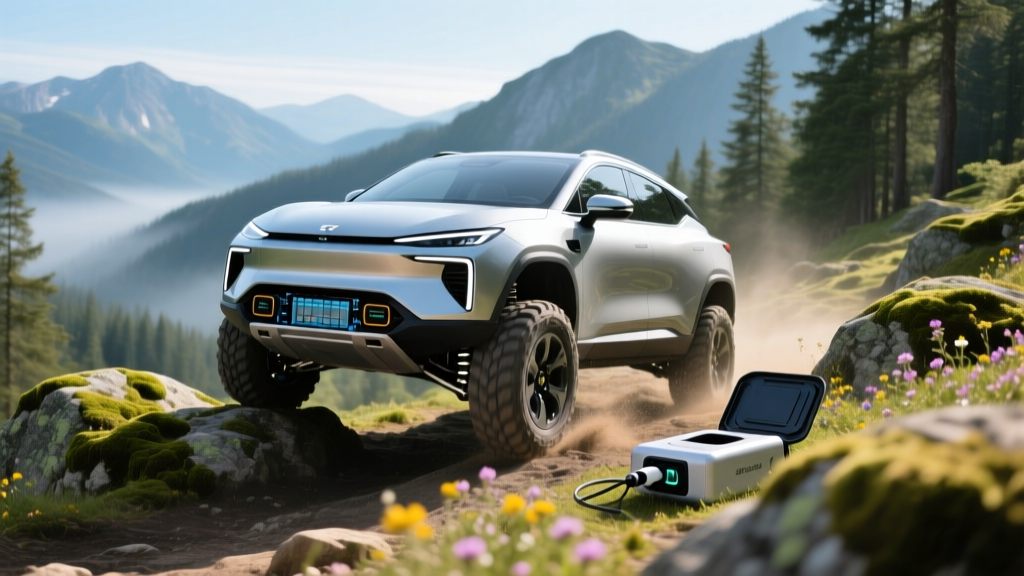
An off road electric vehicle delivers instant torque, precise low-speed crawl control, and zero trail emissions — but expect 30–50% range loss on technical terrain compared to EPA highway estimates. The current market leaders (Rivian R1S/R1T, Jeep Recon, GMC Hummer EV, and the Tesla Cybertruck) offer 310–380 miles of EPA-rated range, but a full day of rock crawling or sand running will consume 150–200 miles of equivalent battery. If you have home Level 2 charging and your trailhead is within 100 miles, an electric off-roader is practical today. If you frequently overland multi-day trips into charging deserts, a gas or hybrid 4x4 remains the safer bet.
Which Off Road Electric Vehicles Are Available Now?
The off-road EV segment has matured significantly. Here are the primary models you can actually order and drive in 2026, with verified specifications:
| Model | EPA Range | Battery (kWh) | Ground Clearance | Peak DC Charge | 0-60 mph | Base MSRP |
|---|---|---|---|---|---|---|
| Rivian R1S (Dual Max) | 410 mi | 149 kWh (NMC) | 14.9 in | 220 kW | 4.5 sec | $84,900 |
| Rivian R1T (Dual Max) | 420 mi | 149 kWh (NMC) | 14.9 in | 220 kW | 4.5 sec | $79,900 |
| GMC Hummer EV Pickup | 381 mi | 246 kWh (NMC) | 15.9 in | 350 kW | 3.0 sec | $99,995 |
| Jeep Recon | ~350 mi (est.) | ~100 kWh (NMC) | ~11 in | ~175 kW | ~4.0 sec | ~$60,000 |
| Tesla Cybertruck (AWD) | 340 mi | 123 kWh (NMC) | 16 in | 250 kW | 4.1 sec | $79,990 |
| Mercedes G 580 EQ | 268 mi (WLTP) | 116 kWh (NMC) | 9.5 in | 200 kW | 4.7 sec | $152,000 |
Real-World Trail Range Reality
EPA range is measured on paved roads at moderate speeds. Off-road driving — with low-range gearing, climbing, sand, mud, and auxiliary loads — dramatically increases energy consumption. Expect 1.5–2.5 kWh per mile on moderate trails (versus 0.35–0.45 kWh/mi on highway). A Rivian R1T with 149 kWh usable will deliver roughly 60–100 miles of actual trail range before needing to return to pavement for charging.
Electric vs Gas 4x4: Trail Performance and Cost Comparison
| Factor | Off Road EV (Rivian R1T Dual Max) | Gas 4x4 (Toyota Tacoma TRD Off-Road) |
|---|---|---|
| Peak Torque | 826 lb-ft (instant, 0 rpm) | 310 lb-ft @ 1,700 rpm |
| Crawl Control | Individual wheel torque vectoring, no gears to manage | Locking diffs, low-range transfer case |
| Trail Range | ~80 mi technical / ~150 mi fire roads | ~250 mi (18.2 gal tank, 10-14 mpg off-road) |
| Refueling/Recharging on Trail | Not possible — must return to charger | Jerry cans, 5 minutes to refill |
| Weight | ~7,100 lbs | ~4,440 lbs |
| Water Fording | ~36 in (no intake to flood) | ~33 in (snorkel extends this) |
| Purchase Price | $79,900 | $42,990 |
| Annual Fuel/Energy Cost (12k mi) | ~$720 (home charging @ $0.14/kWh) | ~$2,400 (gas @ $3.50/gal, 18 mpg avg) |
| 5-Year Maintenance | ~$1,800 (tires, cabin filter, fluid checks) | ~$4,500 (oil, filters, belts, plugs, fluids) |
The EV advantage on trails is precision: independent motors deliver exact torque to each wheel without drivetrain lag. The gas advantage is refueling logistics: you can carry extra fuel and refill anywhere. For day trips from a base with charging, the EV wins on capability. For multi-day overlanding in remote areas, gas still dominates.
The Real Cost of Off Road EV Ownership
| Cost Category | Off Road EV (Rivian R1T) | Gas 4x4 (Tacoma TRD) | Notes |
|---|---|---|---|
| Purchase Price (base) | $79,900 | $42,990 | EV carries ~$37k premium |
| Federal Tax Credit (§30D) | Up to $7,500* | $0 | *Subject to income/MSRP/sourcing caps |
| Home Level 2 Charger Install | $1,200–$3,500 | $0 | 48A charger + 60A circuit |
| Annual Energy/Fuel | $720 | $2,400 | 12,000 mi/yr, mixed driving |
| Insurance (annual avg) | $2,800 | $1,600 | EVs carry 40-75% higher premiums |
| 5-Year Maintenance | $1,800 | $4,500 | No oil, plugs, or transmission service |
| Tire Replacement (set of 4) | $1,600–$2,800 | $1,000–$1,600 | EV weight + torque wears tires 20-30% faster |
| 5-Year Total Cost of Ownership | ~$107,000 | ~$72,000 | EV saves ~$8,400 on energy/maintenance but costs ~$43k more upfront |
The math is clear: an off road EV saves roughly $1,680 per year on energy and maintenance, but the purchase premium takes 20+ years to recoup through savings alone. Buyers choose off-road EVs for capability and experience, not cost parity. The IRS §30D tax credit can reduce the upfront cost by up to $7,500, but eligibility depends on your modified adjusted gross income (single: $150k cap, joint: $300k), the vehicle's MSRP (trucks: $80k cap), and battery component/critical mineral sourcing requirements that tighten annually. Always verify current-year rules on irs.gov before purchasing.
Charging Logistics for Off-Road Trips
This is where off-road EV ownership gets real. Unlike highway road trips where DC fast chargers are increasingly common, trailheads and backcountry areas are often charging deserts.
| Charging Level | Power (kW) | Miles Added Per Hour | Off-Road Relevance |
|---|---|---|---|
| Level 1 (120V household) | 1.2–1.9 kW | 3–5 mi/hr | Emergency trickle at a cabin or campsite; adds ~40 mi overnight |
| Level 2 (240V home/portable) | 7.2–11.5 kW | 20–35 mi/hr | Primary daily charging; full recharge in 6–14 hours depending on battery size |
| DC Fast Charging | 150–350 kW | 500–1,200 mi/hr | Highway stops en route to trailhead; 10–80% in 20–45 min |
Practical Trail Charging Strategy
For a typical off-road day trip, here is the logistics framework:
- Charge to 100% at home the night before (Level 2, ~8–12 hours for a 149 kWh battery)
- Drive to trailhead (assume 50–100 highway miles each way, consuming 60–120 miles of range accounting for elevation and speed)
- Trail driving: 4–8 hours of off-road use consuming 80–150 miles of equivalent range
- Return trip: if remaining SoC is below 30%, plan a DC fast-charge stop on the highway home
The Rivian R1T's 10–80% DC fast charge takes approximately 30–35 minutes at 220 kW peak, though the charge curve tapers significantly above 80% — adding the final 20% can take as long as the first 70%. Preconditioning the battery (warming it to optimal temperature via the vehicle's navigation-routed charging system) is critical for achieving peak charge rates, especially in cold weather.
Cold Weather + Off-Road = Severe Range Penalty
At 20°F, an EV battery loses 25–40% of its usable capacity due to increased internal resistance and cabin/climate demands. Combined with off-road energy consumption, a Rivian R1T rated at 420 EPA miles may deliver as little as 50–70 miles of actual winter trail range. Always plan conservatively in cold conditions.
Common Misconceptions About Off-Road EVs
| Myth | Fact |
|---|---|
| "EVs can't handle real off-road terrain" | Rivian R1S/R1T have completed the Rubicon Trail; the Hummer EV has CrabWalk and Extract Mode (15.9" clearance). Instant torque and individual wheel control are genuine trail advantages. |
| "The battery will get damaged on rocks" | All current off-road EVs have reinforced titanium or steel skid plates. Rivian's battery pack sits within a structural frame rail. No widespread reports of trail-related battery damage. |
| "You'll get stranded with no way to refuel" | This is partially true for remote multi-day trips. For day trips within 100 miles of home or a charger, range is manageable. Portable generators with EV-compatible outputs (e.g., 240V/30A) can provide emergency Level 1/2 charging at ~3–5 mi/hr. |
| "EVs are too heavy for soft terrain" | The 7,000+ lb weight of EVs like the Hummer EV does increase sinking risk in deep sand or mud. However, precise torque control and traction management systems partially offset the weight disadvantage. Tire choice (35"+ all-terrain) matters more than weight alone. |
| "Off-road EVs qualify for the full $7,500 tax credit" | Not automatic. The Rivian R1T Dual Motor (base MSRP $79,900) fits under the $80k truck cap, but Max battery packages push MSRP above the limit. Battery sourcing requirements eliminate some configurations. Always check the fueleconomy.gov credit lookup for the exact trim. |
Decision Framework: Which Off-Roader Fits Your Situation?
If/Then Buying Guide
- If you have home Level 2 charging AND your typical trailhead is within 100 miles → An off-road EV like the Rivian R1T or Jeep Recon is practical and offers superior trail precision.
- If you frequently multi-day overland in remote areas (Utah backcountry, Mojave, Alaska) → A gas 4x4 (Tacoma, Wrangler, 4Runner) or a PHEV like the Jeep Wrangler 4xe (22 mi electric-only, then gas) remains the safer choice.
- If budget is under $50,000 → No dedicated off-road EV exists at this price. Consider a used Tesla Model Y with all-terrain tires and skid plates, or a conventional gas SUV.
- If you want a daily driver that can handle weekend trails → The Rivian R1S or Ford Bronco Sport (gas) both work. The R1S offers 410 miles EPA and genuine capability; the Bronco Sport costs $35k less but lacks EV torque precision.
- If you need to tow a trailer to the trailhead → EV towing range drops 40–60%. The Rivian R1T tows 11,000 lbs but expect range to fall from 420 to ~200 miles while towing. Gas trucks lose MPG but retain 300+ mile range.
- If you live in a cold climate (sub-30°F winters) → Budget 30–40% range loss in winter. A Max-battery pack (149+ kWh) becomes essential, not optional. The Rivian R1T Dual Max or Hummer EV are the best cold-climate off-road EVs due to large batteries and heat pump systems.
What First-Time Off-Road EV Buyers Must Know
Before you sign a purchase agreement, confirm these five items:
- Home charging access: You need a 240V/60A circuit (NEMA 14-50 or hardwired) for practical daily charging. Installation costs $1,200–$3,500 depending on panel capacity and conduit run. If your electrical panel is at capacity (common in older homes), a panel upgrade adds $2,000–$4,000. Consult a licensed electrician before ordering the vehicle.
- Battery warranty: Rivian, GM, and Jeep all offer 8-year/100,000-mile battery warranties with a capacity retention threshold (typically 70% of original capacity). Off-road use does not void the warranty, but physical damage from impacts may not be covered — confirm with the manufacturer.
- Tire and suspension costs: Off-road EVs are heavy and torque-rich. Expect to replace tires every 25,000–35,000 miles (versus 40,000–60,000 for lighter vehicles). Budget $1,600–$2,800 per set for quality all-terrain tires in EV-compatible load ratings.
- Insurance premiums: Off-road EVs cost 40–75% more to insure than comparable gas vehicles due to higher repair costs, battery replacement risk, and purchase price. Get a quote before committing — annual premiums of $2,500–$3,500 are common for the R1T and Hummer EV.
- Trail etiquette and regulations: Some OHV areas and national forests are beginning to restrict or incentivize zero-emission vehicles. Check local land management rules. EVs are quieter, which is a safety consideration around hikers and wildlife — use your horn proactively on shared trails.
Frequently Asked Questions
Can an off road electric vehicle really handle rock crawling?
Yes. The Rivian R1T/R1S and Hummer EV have both completed the Rubicon Trail (a benchmark rock-crawl route in California). Electric motors deliver full torque at 0 rpm with no clutch or gear management, and individual wheel torque vectoring provides traction control precision that mechanical lockers can't match. Ground clearance of 14–16 inches on air suspension exceeds most gas 4x4s.
How far can I actually drive off-road on a full charge?
On moderate fire roads and gravel: approximately 150–200 miles of equivalent range from a 149 kWh pack (Rivian Max). On technical rock crawling or deep sand: 50–100 miles. These numbers drop further in cold weather (25–40% reduction below 30°F). Always plan to return to pavement with at least 20% SoC remaining.
Do off-road EVs qualify for the federal tax credit?
Some do, with conditions. Under IRS §30D rules, trucks must have an MSRP at or below $80,000 and the buyer must meet income caps ($150k single / $300k joint). Battery component and critical mineral sourcing requirements apply and tighten annually. The Rivian R1T Dual Motor base trim may qualify; the Hummer EV (MSRP $99,995+) does not. Always verify on fueleconomy.gov for the specific trim and model year.
What happens if I run out of battery on a remote trail?
Unlike a gas vehicle where a jerry can solves the problem, a depleted EV requires a tow to a charger or a portable generator capable of 240V output for emergency trickle charging (adding roughly 3–5 miles of range per hour). Services like AAA have begun deploying mobile DC fast-charging trucks in some regions, but coverage in remote off-road areas is extremely limited. Never venture beyond your return-to-charger range margin.
Is a PHEV like the Wrangler 4xe better for off-roading than a full EV?
It depends on your use case. The Jeep Wrangler 4xe offers 22 miles of electric-only range (silent, torque-rich crawling) plus a gas engine for unlimited range on multi-day trips. If you overland remotely and need fuel flexibility, the 4xe is the pragmatic bridge. If you primarily do day trips from home and want full EV benefits, a Rivian or Hummer EV delivers more electric range and capability — at a higher price.