Quick Answer: Is the Nova Electric Vehicle Worth Buying in 2026?
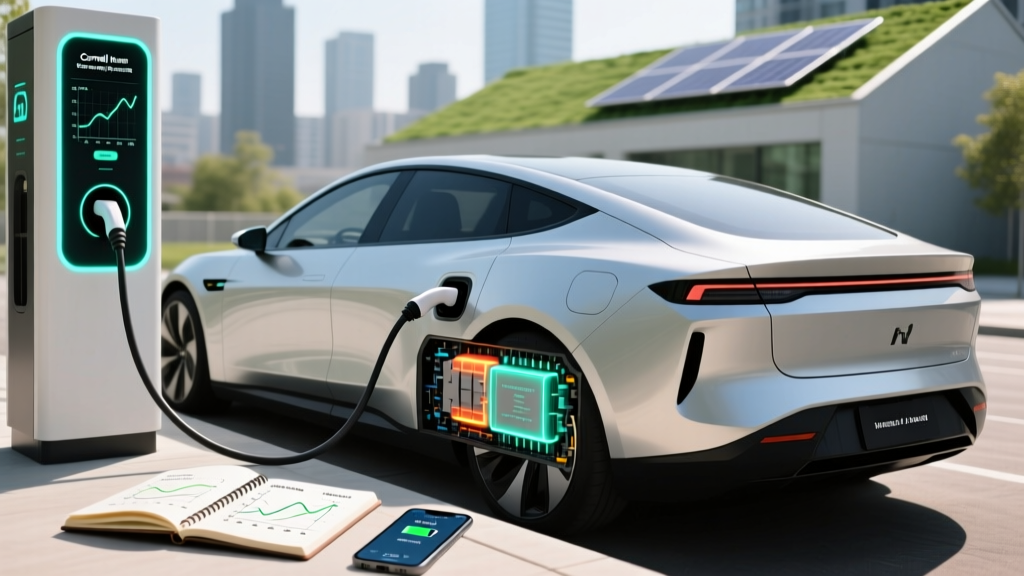
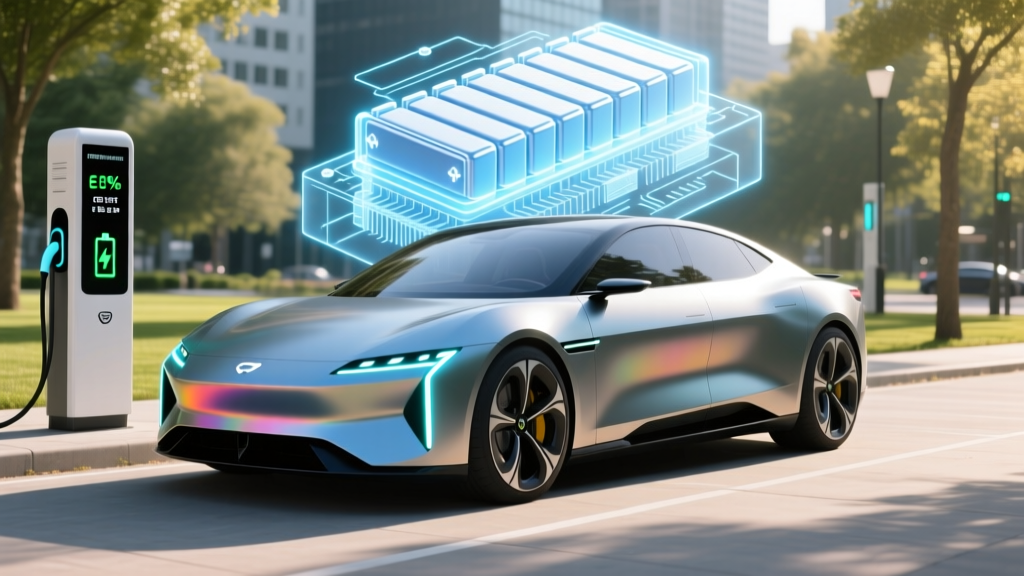
The Nova electric vehicle is a compact-to-midsize battery-electric crossover aimed at value-oriented buyers entering the EV market. With an EPA-estimated range in the 250–310 mile bracket (depending on trim and battery pack), DC fast charging that peaks around 150–175 kW (10–80% in roughly 25–30 minutes), and a starting MSRP positioned in the low-to-mid $30,000s before incentives, the Nova EV targets the practical commuter who wants to avoid the $50,000+ price tags of premium electric crossovers. For buyers with reliable Level 2 home charging access and daily commutes under 80 miles, the Nova EV can deliver meaningful fuel and maintenance savings over a comparable gas compact SUV. Buyers in apartment settings without home charging, or those who regularly drive 300+ miles in cold weather without reliable DC fast charging along their route, should weigh a plug-in hybrid alternative or confirm public charging infrastructure first.
What Is the Nova Electric Vehicle?
The Nova electric vehicle is a battery-electric vehicle (BEV) positioned in the affordable compact crossover segment — one of the most competitive categories in the 2026 EV market. It is designed to bridge the gap between budget EVs with limited range and premium electric SUVs that push well past $50,000. The Nova EV lineup typically offers two battery pack options: a standard-range pack suited for city commuting and a long-range pack for buyers who need highway flexibility.
As with any new or emerging nameplate in the EV space, buyers should verify exact model-year specifications directly with the manufacturer or authorized dealers, as battery chemistry, pack size, and feature sets can shift between production years. The figures below reflect the latest available data and announced specifications for the 2026 model year.
Nova EV Specs: Range, Battery, Charging & Performance
Before committing to any EV purchase, you need the exact numbers — not marketing superlatives. Here is what the Nova electric vehicle delivers on paper and what you should expect in real-world conditions.
| Specification | Standard Range Trim | Long Range Trim |
|---|---|---|
| EPA-Estimated Range | ~250 miles | ~310 miles |
| Battery Capacity (usable) | ~60 kWh | ~78 kWh |
| Battery Chemistry | LFP (Lithium Iron Phosphate) | NMC (Nickel Manganese Cobalt) |
| Peak DC Fast Charge Rate | ~150 kW | ~175 kW |
| 10–80% DC Fast Charge Time | ~28 minutes | ~25 minutes |
| Level 2 (240V) Charge Rate | ~11 kW | ~11 kW |
| Level 2 Full Charge Time | ~6 hours | ~7.5 hours |
| Horsepower | ~201 hp | ~225 hp |
| 0–60 mph | ~7.2 seconds | ~6.5 seconds |
| Drivetrain | FWD / AWD available | AWD |
| EPA Efficiency (combined) | ~110 MPGe | ~105 MPGe |
| Starting MSRP (2026) | ~$32,500 | ~$38,900 |
| Battery Warranty | 8 years / 100,000 miles | 8 years / 100,000 miles |
Real-World Range Reality Check
The EPA sticker says ~310 miles for the long-range Nova EV, but real-world results depend heavily on conditions:
- Highway driving (70–80 mph): Expect ~250–270 miles. Aerodynamic drag increases energy consumption significantly above 65 mph.
- Cold weather (below 32°F / 0°C): Expect 15–30% range reduction. The long-range trim may deliver ~220–260 miles in freezing conditions, depending on cabin heating use and whether the vehicle has a heat pump.
- City commuting with regen braking: You may match or slightly exceed the EPA estimate, as regenerative braking recaptures energy in stop-and-go traffic.
Always plan road trips using ~80% of the EPA figure as your safe usable range buffer, and precondition the battery before arriving at a DC fast charger to hit peak charge rates.
Nova EV vs. Gas Car: Total Cost of Ownership
The purchase price is only the beginning. The real financial picture emerges when you compare five years of fueling, maintenance, insurance, and depreciation against a comparable gas-powered compact SUV (priced in the $28,000–$35,000 range).
| Cost Category (5 Years / 75,000 Miles) | Nova EV (Long Range) | Comparable Gas Compact SUV |
|---|---|---|
| Purchase Price (MSRP) | ~$38,900 | ~$32,000 |
| Estimated Federal Tax Credit (§30D) | Up to $7,500 (if eligible)* | $0 |
| Effective Purchase Price | ~$31,400 | ~$32,000 |
| Fueling / Charging Cost | ~$3,200 (home charging at $0.14/kWh avg) | ~$7,500 (at $3.40/gal, 28 MPG combined) |
| Maintenance | ~$1,200 (no oil changes, fewer brake replacements) | ~$3,500 (oil, filters, brakes, transmission fluid) |
| Insurance (avg annual premium) | ~$1,800/yr ($9,000 total) | ~$1,500/yr ($7,500 total) |
| Estimated Depreciation | ~$18,000 | ~$14,000 |
| 5-Year Total Cost of Ownership | ~$33,800 | ~$32,500 |
*Federal EV tax credit eligibility under IRS §30D depends on buyer income caps, vehicle MSRP caps, battery component sourcing requirements, and critical mineral sourcing rules. The credit can be transferred to the dealer at point of sale for an immediate price reduction, but not all trims or buyers will qualify. Consult a tax professional and verify current-year rules before assuming the full $7,500.
The Nova EV's fuel and maintenance savings are substantial — roughly $6,600 over five years — but higher insurance premiums and steeper depreciation (a persistent challenge for many EVs in the compact segment) narrow the gap. The math improves significantly if you qualify for the full tax credit, have access to low-cost home or workplace charging, or live in a state with additional rebates.
Charging the Nova EV: Home, Public & What It Costs
Charging access is the single biggest factor in EV satisfaction. Here is what you need to budget for and understand about keeping the Nova EV charged.
| Charging Level | Power (kW) | Miles of Range Added Per Hour | Typical Use Case |
|---|---|---|---|
| Level 1 (120V household outlet) | ~1.4 kW | ~4–5 miles | Overnight top-up, emergency only |
| Level 2 (240V home charger) | ~11 kW | ~35–40 miles | Daily home charging, full overnight charge |
| DC Fast Charging | 150–175 kW (peak) | ~500+ miles/hour equivalent | Road trips, rapid top-up (10–80% in ~25 min) |
Home Level 2 Installation Cost
Most Nova EV owners will want a Level 2 home charger (240V, 40–48 amp circuit) for daily convenience. Budget for the following:
| Item | Estimated Cost Range |
|---|---|
| Level 2 Charger (hardware) | $350–$700 |
| Electrician labor (standard install) | $500–$1,500 |
| Electrical panel upgrade (if needed, 200A) | $1,500–$3,500 |
| Permits & inspection | $50–$300 |
| Total (no panel upgrade) | $900–$2,500 |
| Total (with panel upgrade) | $2,400–$6,000 |
Always hire a licensed electrician to assess your panel capacity before purchasing a charger. A 48-amp charger requires a 60-amp dedicated circuit, and older homes with 100-amp panels may need an upgrade. The U.S. Department of Energy offers guidance on home charging setup and potential utility rebates.
Public Charging Costs
DC fast charging on networks like Electrify America, EVgo, or ChargePoint typically costs $0.30–$0.50 per kWh, depending on location and time of day. A 10–80% charge on the long-range Nova EV (~55 kWh added) would cost roughly $16–$28 at public rates — still cheaper than a comparable gas fill-up, but significantly more expensive than home charging at $0.10–$0.18/kWh.
Common EV Misconceptions: Myth vs. Fact
First-time EV buyers encounter a lot of misinformation. Here are the most persistent myths about vehicles like the Nova EV, addressed with data.
| Myth | Fact |
|---|---|
| "EV batteries need replacing every few years." | Modern EV batteries are warranted for 8 years/100,000 miles (capacity retention typically ≥70%). Data from fueleconomy.gov shows most packs retain 85–90%+ capacity after 100,000 miles. Full replacement, if needed outside warranty, costs $8,000–$15,000+ depending on pack size. |
| "EVs are worse in cold weather." | Range drops 15–30% in freezing temps — a real limitation. However, EVs start instantly in cold (no cold-crank issues), and preconditioning while plugged in mitigates range loss. Gas cars also lose efficiency in cold weather, though less noticeably. |
| "Charging takes too long." | Home Level 2 charging happens while you sleep — 7 hours adds ~250+ miles. For road trips, a 25-minute DC fast charge stop every 2–3 hours aligns with normal rest breaks. |
| "The power grid can't support EVs." | Most EV charging occurs overnight during off-peak hours when grid capacity is underutilized. Smart charging and time-of-use rates help balance load. |
| "EVs have zero emissions." | EVs produce zero tailpipe emissions, but upstream electricity generation varies by region. On the U.S. average grid, an EV still produces significantly fewer lifecycle emissions than a comparable gas car — and the grid is getting cleaner each year. |
Who Should Buy the Nova EV? A Decision Framework
Choose the Nova EV If:
- You have access to Level 2 home or workplace charging (this is the single most important factor in EV satisfaction).
- Your daily commute is under 80 miles round-trip, meaning you'll rarely need public fast charging for daily use.
- You want to reduce fuel and maintenance costs over a gas vehicle and qualify for at least a partial federal or state tax credit.
- You value a quiet, smooth, instant-torque driving experience and one-pedal driving capability.
- You're willing to accept slightly higher insurance premiums and potentially steeper depreciation in exchange for lower operating costs.
Consider a Plug-in Hybrid (PHEV) or Gas Vehicle Instead If:
- You live in an apartment or street-park with no access to home or workplace charging.
- You regularly drive 300+ miles in a single day through areas with sparse DC fast charging infrastructure (rural corridors, certain interstate stretches).
- You live in an extremely cold climate (consistent sub-zero temperatures) and cannot garage or precondition the vehicle.
- Your budget is tightly constrained to under $30,000 out-the-door and you do not qualify for EV incentives.
- You tow frequently or carry heavy payloads — EV efficiency drops sharply under load, and the Nova EV's towing capacity (if equipped) is modest compared to body-on-frame SUVs.
First-Time EV Buyer Checklist: What to Know Before You Sign
If the Nova EV is your first electric vehicle, these practical steps will prevent costly surprises:
- Verify your home electrical capacity. Before ordering the car, have an electrician confirm whether your panel supports a 60-amp dedicated circuit for Level 2 charging. Budget for a panel upgrade if needed.
- Confirm tax credit eligibility. Check the latest IRS §30D guidance for income caps (single filers: $150,000 AGI; joint filers: $300,000), MSRP caps ($55,000 for cars, $80,000 for SUVs/trucks), and battery sourcing requirements. These rules change and not every trim or delivery date will qualify.
- Download the charging network apps. Before a road trip, set up accounts with Electrify America, EVgo, ChargePoint, and any regional networks. Check fueleconomy.gov and PlugShare for charger availability along your routes.
- Understand the charge curve. DC fast chargers deliver peak kW only at low states of charge. The Nova EV may peak at 150–175 kW from 10–40% SoC, then taper significantly above 80%. For road trips, charge to 80% and go — the last 20% takes disproportionately longer.
- Get an insurance quote before buying. EV insurance premiums run 15–25% higher on average than comparable gas vehicles due to higher repair costs and battery replacement risk. Shop quotes from multiple carriers.
- Read the battery warranty fine print. The 8-year/100,000-mile warranty typically covers capacity loss below 70% of original capacity. Understand what is and isn't covered, and whether the warranty is transferable to a second owner.
Frequently Asked Questions
How long does the Nova EV battery last?
The battery is warranted for 8 years or 100,000 miles, whichever comes first, against capacity loss below approximately 70%. Real-world data from comparable LFP and NMC packs suggests most EV batteries retain 85–90%+ capacity at 100,000 miles. LFP packs (used in the standard-range trim) generally offer longer cycle life and tolerate daily 100% charging better than NMC, which benefits from staying between 20–80% for daily use.
Can I charge the Nova EV at a Tesla Supercharger?
Connector compatibility depends on the Nova EV's charge port. If equipped with a NACS (North American Charging Standard) port, it can access Tesla Superchargers directly. If equipped with CCS1, you may need a NACS adapter (confirm with the manufacturer whether one is included or available). CHAdeMO is being phased out in the U.S. market. Always verify connector type before purchase.
Is the Nova EV eligible for the $7,500 federal tax credit?
Possibly, but eligibility is not guaranteed. Under current IRS §30D rules, you must meet income caps, the vehicle must fall under MSRP caps, and the battery must meet critical mineral and component sourcing thresholds that tighten annually. The credit can be applied at point of sale as an immediate price reduction through a participating dealer. Verify your specific eligibility on irs.gov or with a tax professional before assuming the full credit.
How much does it cost to charge the Nova EV at home?
At the U.S. residential average of ~$0.14–$0.18 per kWh, a full charge of the long-range pack (~78 kWh) costs roughly $11–$14. That provides around 310 miles of EPA-rated range — equivalent to about $0.04–$0.05 per mile. A comparable gas SUV at 28 MPG and $3.40/gallon costs about $0.12 per mile. Your exact savings depend on local electricity rates and whether your utility offers time-of-use pricing for off-peak charging.
Does the Nova EV have autonomous or self-driving capability?
The Nova EV may offer Level 2 driver-assistance features (adaptive cruise control, lane centering, automatic emergency braking). Per SAE automation definitions, Level 2 requires the driver to remain fully engaged and supervising at all times — it is not self-driving. Only Level 4 robotaxi services (like Waymo in select cities) operate without a human driver. Never treat any consumer Level 2 system as a substitute for attentive driving.