Quick Answer: Is the Nissan Micra EV Worth Buying?
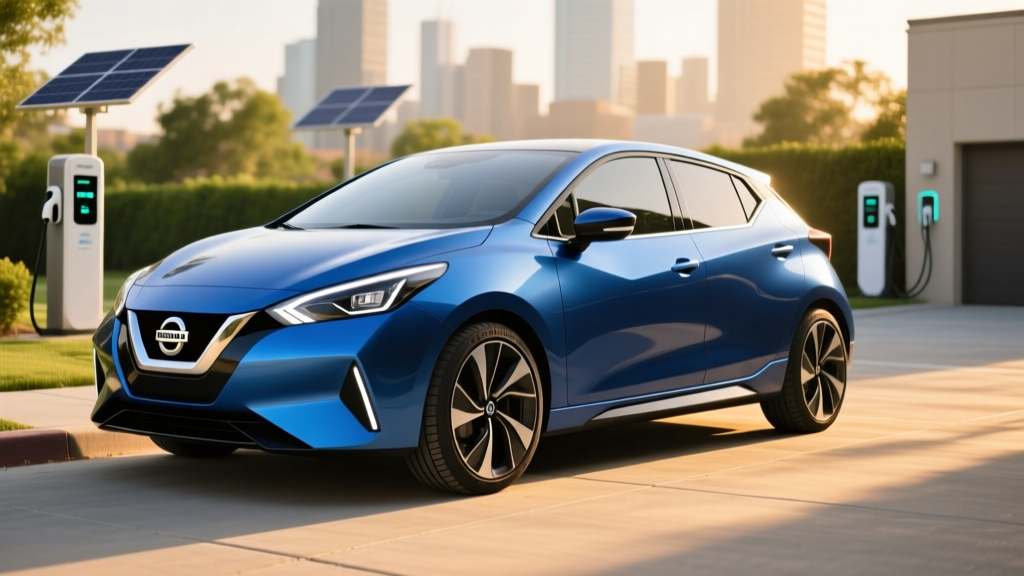
The 2026 Nissan Micra EV is a compact, affordable city hatchback built on the Renault-Nissan-Mitsubishi AmpR Small platform (shared with the Renault 5 E-Tech). It pairs a ~52 kWh usable NMC battery with a front-mounted motor producing up to 150 hp, targeting a WLTP range of approximately 186 miles (roughly 155–165 miles EPA-equivalent for US buyers). Pricing is expected to start near $28,000 before incentives. It is best suited for urban commuters with home Level 2 charging who need a nimble, low-running-cost second car or daily driver under 40 miles round-trip.
Key caveat: The Micra EV is primarily a European-market vehicle. As of early 2026, Nissan has not confirmed US availability. US buyers looking at this segment should also consider the Chevrolet Bolt EV/EUV, Mini Cooper SE, and Hyundai Kona Electric as confirmed alternatives. This guide covers the Micra EV's announced specs and ownership math for research purposes and potential future import.
Nissan Micra EV Specs at a Glance
Because the Micra EV has been officially unveiled for Europe but remains unreleased in the United States, the figures below are based on Nissan and Renault platform data. US EPA ratings typically run 10–15% lower than WLTP, which we reflect in our real-world estimates.
| Specification | Figure (Announced / Estimated) |
|---|---|
| Battery (usable) | ~52 kWh, NMC chemistry |
| WLTP Range | ~186 miles (300 km) |
| Estimated EPA-equivalent Range | ~155–165 miles |
| Real-world Highway (70 mph) | ~125–140 miles |
| Real-world Cold Weather (30°F) | ~110–130 miles |
| Motor Output | 110 kW / ~150 hp, 260 Nm torque |
| 0–62 mph (0–100 km/h) | ~7.9 seconds |
| Peak DC Fast Charge | ~100 kW (CCS2 in Europe; CCS1 if US-bound) |
| 10–80% DC Fast Charge | ~28–32 minutes |
| AC Level 2 Onboard Charger | 11 kW (3-phase Europe); 7.2 kW likely for US |
| Level 2 Charge (0–100%) | ~5.5 hours (11 kW) / ~7.5 hours (7.2 kW) |
| Estimated Base MSRP (US) | ~$28,000 (if launched) |
| Battery/Powertrain Warranty | 8 years / 100,000 miles (typical Nissan) |
Real-World Range Reality Check
WLTP's 186-mile figure is measured under mild conditions with frequent stops. On a sustained 70-mph highway drive, expect 125–140 miles before the low-SoC warning. In freezing temperatures (below 32°F), cabin heating and battery resistance can drop usable range to 110–130 miles. If your daily round-trip exceeds 80 miles in winter, the Micra EV will require mid-day charging or a larger-battery alternative.
How the Micra EV Compares to Gas and Hybrid Alternatives
Most Micra EV cross-shoppers also consider gas subcompacts like the Nissan Versa, Hyundai Accent, or the Toyota Yaris Hybrid (Europe). Let's run the numbers over five years and 75,000 miles of mixed driving.
| Cost Category | Nissan Micra EV (est.) | Nissan Versa (Gas) | Toyota Yaris Hybrid |
|---|---|---|---|
| Estimated Purchase Price | $28,000 | $17,500 | $23,500 |
| Fuel/Energy (75k mi) | $2,850 (home L2) | $7,500 (35 mpg avg) | $4,800 (55 mpg avg) |
| Maintenance (75k mi) | $900 | $2,800 | $2,400 |
| Estimated Insurance (5 yr) | $7,500 | $6,000 | $6,400 |
| Federal Tax Credit (§30D) | $0–$7,500* | $0 | $0 |
| 5-Year Total Cost (pre-credit) | $39,250 | $33,800 | $37,100 |
| 5-Year Total Cost (with max credit) | $31,750 | $33,800 | $37,100 |
*The IRS §30D credit depends on MSRP caps ($55,000 for cars), buyer income limits ($150K single / $300K joint), and battery critical-mineral sourcing. Eligibility for a US-spec Micra EV cannot be confirmed until Nissan finalizes North American battery supply chains. Consult a tax professional before relying on the credit.
The Micra EV's advantage comes from low per-mile energy cost (roughly 3.8¢/mile at $0.16/kWh national average) versus gas (roughly 10¢/mile at $3.50/gallon). Maintenance savings are significant: no oil changes, no spark plugs, far less brake wear thanks to regenerative braking. Insurance tends to run 15–25% higher on EVs due to battery replacement costs in collisions.
Real-World Ownership: What First-Time EV Buyers Must Know
The Micra EV's small battery and modest 100 kW peak charge rate mean ownership satisfaction hinges on your charging access and driving pattern. Here's what to evaluate before committing.
Home Charging Is Non-Negotiable for Most Owners
With a 52 kWh battery, a standard 120V Level 1 outlet adds only ~3–4 miles of range per hour — roughly 30 miles overnight. That's fine for a 20-mile commute but inadequate for longer days. A Level 2 home charger (240V, 32–40A) adds ~25 miles per hour and fully replenishes the battery in under 8 hours. Expect to spend $800–$2,200 on a Level 2 unit plus licensed electrician installation, with panel-upgrade costs adding $1,500–$3,500 if your home has older 100A service.
Public DC Fast Charging: Adequate, Not Class-Leading
The Micra EV's ~100 kW peak DC charge rate is modest compared to Hyundai/Kia's 240 kW+ 800V architectures. On networks like Electrify America or EVgo, expect a 10–80% session in about 30 minutes. The charge curve tapers sharply above 80% SoC, so plan to unplug at 80% on road trips rather than waiting for a full charge. For a subcompact city car, this is acceptable — most owners will rarely DC fast-charge.
Cold Climate Buyers: Plan for 30% Range Loss
The Micra EV is expected to use a resistive PTC heater rather than a heat pump (common on entry-level EVs). In sustained sub-freezing weather, budget for a 25–35% range reduction. Preconditioning the battery while plugged in at home mitigates this but does not eliminate it. If you live in Minnesota, Maine, or the Mountain West, the 186-mile WLTP figure becomes roughly 120 usable miles in January.
Common Misconceptions About the Micra EV
| Myth | Fact |
|---|---|
| "186 miles of range is enough for any commute." | WLTP range assumes mild weather and mixed driving. Real highway range at 70 mph is ~125–140 miles; cold weather drops it further. |
| "It qualifies for the full $7,500 tax credit." | §30D eligibility requires meeting MSRP, income, and battery-sourcing rules. As a European-market car, US credit status is unconfirmed. |
| "EV batteries need replacing every few years." | Nissan typically warranties traction batteries for 8 years/100,000 miles at 70% capacity retention. Real-world degradation on NMC cells averages 10–15% over 8 years. |
| "Charging is always cheaper than gas." | Home Level 2 charging is cheaper. Public DC fast charging at $0.40–$0.60/kWh can equal or exceed gas costs per mile. |
| "Any outlet will charge it overnight." | A standard 120V outlet adds only ~30 miles in 10 hours. Level 2 installation is essential for most owners. |
Decision Framework: Is the Micra EV Right for You?
Choose the Nissan Micra EV If:
- Your daily round-trip commute is under 60 miles, even in winter.
- You have (or can install) a Level 2 home charger in a garage or driveway.
- You want a second car or city runabout with minimal running costs.
- You live in a temperate or mild-winter climate where cold-weather range loss is manageable.
- You can wait for potential US availability or are purchasing in a European market.
Look Elsewhere If:
- Your daily driving exceeds 80 miles or you take frequent 200+ mile road trips.
- You rely exclusively on apartment or street parking with no charging access.
- You live in a region with harsh winters and need reliable 200+ mile range year-round.
- You need a confirmed US-market model with immediate dealer availability and service support.
- You want DC fast charging under 20 minutes (consider Hyundai Ioniq 5 or Kia EV6 instead).
Strong US-Confirmed Alternatives to Cross-Shop
If the Micra EV remains Europe-only, these US-market compacts fill the same niche:
- Chevrolet Bolt EV/EUV: ~259 miles EPA, ~$28,000 base, 11.5 kW AC charging, widely available.
- Hyundai Kona Electric: ~261 miles EPA, ~$33,000 base, 100 kW DC, strong dealer network.
- Mini Cooper SE: ~114 miles EPA, ~$31,000 base, fun handling, short range limits use case.
- Nissan Leaf (if still offered): ~212 miles EPA on SV Plus trim, CHAdeMO connector is a long-term liability as the industry shifts to NACS.
Frequently Asked Questions
Is the Nissan Micra EV available in the United States?
As of early 2026, Nissan has not confirmed US availability. The Micra EV is positioned for European markets where subcompact hatchbacks are more popular. US buyers should check with Nissan dealers for updates or consider the Bolt EV, Kona Electric, or Mini Cooper SE as confirmed domestic alternatives.
How long does it take to charge the Micra EV at home?
On a 240V Level 2 charger at 7.2–11 kW, a full 0–100% charge takes roughly 5.5 to 7.5 hours depending on the onboard charger spec. On a standard 120V household outlet (Level 1), expect 35+ hours for a full charge — practical only for emergency top-ups or very low daily mileage.
Will the battery need replacement during ownership?
Unlikely under normal use. NMC batteries in modern EVs typically lose 10–15% capacity over 8 years and 100,000 miles. Nissan's standard battery warranty covers capacity below 70% within 8 years/100,000 miles. Full replacement, if ever needed, runs $8,000–$14,000 depending on labor and cell pricing at the time.
Can I road-trip in the Micra EV?
Yes, with planning. Expect 125–140 real highway miles per charge, requiring DC fast stops every 2 hours at 70 mph. A 300-mile trip means two 30-minute charging breaks. This is viable for occasional travel but noticeably slower than a gas car or a long-range EV like the Tesla Model 3 or Hyundai Ioniq 5.
Does the Micra EV support the Tesla Supercharger (NACS) network?
European models ship with CCS2. If a US version launches, it would likely use CCS1 or the emerging NACS standard. Nissan has not announced a NACS commitment for the Micra, so expect CCS compatibility with Electrify America, EVgo, and ChargePoint networks.
What's the real cost per mile to drive the Micra EV?
At the US average electricity rate of ~$0.16/kWh and an estimated efficiency of 3.5 miles/kWh, the Micra EV costs roughly 4.6¢ per mile on home charging. Public DC fast charging at $0.50/kWh pushes this to ~14¢ per mile. A comparable gas car at 35 mpg and $3.50/gallon costs ~10¢ per mile, so home charging delivers clear savings while public charging can be more expensive.
Sources: Nissan Europe press materials for AmpR Small platform specifications; fueleconomy.gov for comparative efficiency data on US-market alternatives; IRS §30D for current federal EV tax credit rules.