Quick Answer: Is the Nissan Juke Electric Available Now?
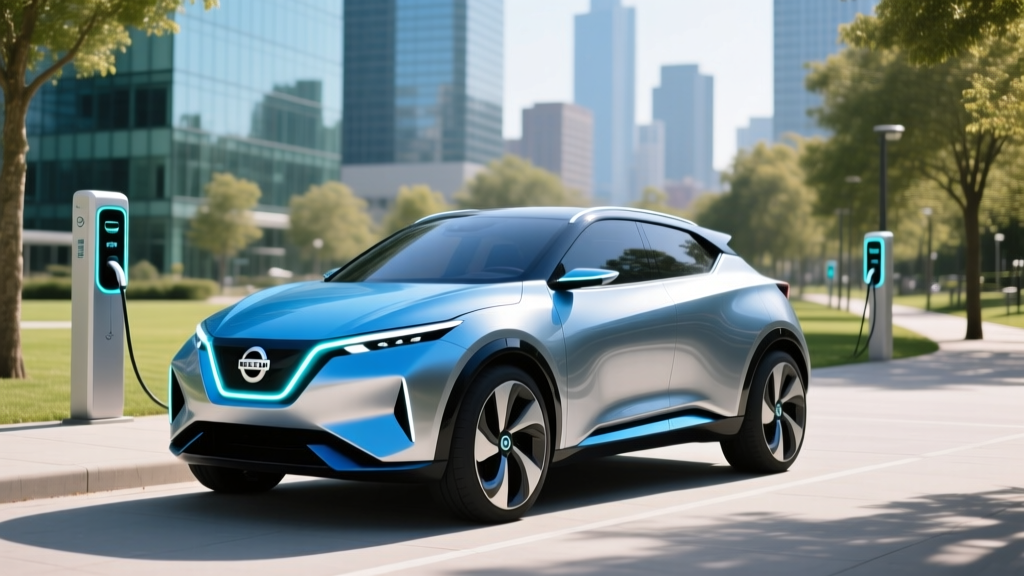
No. As of 2026, Nissan has not officially confirmed a production "Nissan Juke Electric" for the U.S. market. Nissan discontinued the Juke in the United States after the 2017 model year and has since replaced its subcompact crossover slot with the Kicks (including the 2025+ Kicks EV variant sold in select markets). Rumors of a Juke EV persist in European and UK media, where the Juke nameplate remains active, but no official U.S. launch, EPA range figure, pricing, or release date has been announced. This guide covers what is known, what is speculative, and what alternatives exist for buyers looking for a similarly sized electric crossover today.
Where the Nissan Juke Electric Stands in 2026
The original Nissan Juke was a polarizing subcompact crossover that sold in the U.S. from 2011 through 2017 before Nissan pulled it from the American lineup. In Europe, the second-generation Juke continues on the Renault-Nissan-Mitsubishi CMF-B platform, offered with mild-hybrid and conventional powertrains. European automotive press has periodically reported that Nissan is exploring a fully electric Juke successor built on the alliance's CMF-B EV architecture — the same platform underpinning the upcoming Renault 4 E-Tech and the next-generation Renault Twingo.
However, "Nissan Juke Electric" remains an unconfirmed, speculative model. Nissan's official U.S. EV strategy for 2026–2028 centers on:
- The refreshed Nissan Ariya (midsize electric crossover, currently on sale)
- The all-new third-generation Nissan LEAF (announced, expected to debut as a 2026/2027 model on the CMF-EV platform)
- Potential electric variants of high-volume nameplates like the Rogue
If a Juke-sized electric subcompact does arrive from Nissan, it would more likely wear the Kicks badge in the U.S. rather than revive the Juke name. Nissan has not published preliminary specs, battery capacity, or pricing for such a vehicle.
What a Nissan Juke EV Would Need to Compete
The subcompact electric crossover segment is increasingly crowded. If Nissan brings a Juke Electric (or electric Kicks) to market, it would need to match or exceed benchmarks set by current competitors. Here is where the segment stands with real, buyable vehicles in 2026:
| Model | EPA Range | Battery (kWh usable) | Peak DC Charge | 10–80% Time | Base MSRP |
|---|---|---|---|---|---|
| Hyundai Kona Electric | 261 mi | 65.4 (NMC) | ~100 kW | ~43 min | $32,975 |
| Kia Niro EV | 239 mi | 64.8 (NMC) | ~77 kW | ~45 min | $39,600 |
| Chevrolet Equinox EV | 319 mi | 85 (NMC) | ~150 kW | ~30 min | $33,600 |
| Volvo EX30 | 265 mi | 69 (NMC) | ~153 kW | ~26 min | $36,950 |
| Nissan Ariya (closest current Nissan) | 289 mi | 87 (NMC) | ~130 kW | ~35 min | $39,790 |
Any Nissan Juke Electric would need to target at least 250+ miles of EPA range, a sub-$35,000 starting price, and DC fast charging above 100 kW to be competitive. Given that the Ariya — Nissan's current flagship EV — peaks at roughly 130 kW on DC fast charging (a figure that lags Hyundai/Kia's 800V architecture), a smaller, more affordable Nissan EV would likely use a 400V architecture with similar or slightly lower charge rates.
Estimated Specs: Educated Guesses vs. Confirmed Data
Based on the CMF-B EV platform's known parameters (from Renault alliance announcements) and Nissan's current EV engineering, here is what a plausible Juke Electric could look like — but treat every number below as preliminary and unconfirmed:
| Attribute | Estimated / Plausible Range | Basis for Estimate |
|---|---|---|
| Battery Capacity | 50–65 kWh (usable) | CMF-B EV platform constraints; Renault 4 E-Tech targets ~52 kWh |
| EPA Range | 220–270 mi | Comparable to Kona Electric, Volvo EX30 |
| Chemistry | Likely NMC; LFP possible for base trim | Renault alliance has announced LFP for entry-level EVs |
| DC Fast Charge Peak | 80–120 kW | 400V architecture, similar to current LEAF/Ariya rates |
| 10–80% Charge Time | 30–45 min (estimated) | Depends on sustained charge curve, not just peak kW |
| Horsepower | 130–200 hp | Single front motor likely; AWD possible on upper trims |
| U.S. Availability | Not confirmed | Nissan U.S. has not announced a Juke return |
| Estimated U.S. MSRP | $28,000–$36,000 (if launched) | Would need to undercut Ariya to avoid cannibalization |
Real-world range caveat: Even if a Juke Electric achieves a 260-mile EPA estimate, expect ~200–220 miles on sustained highway driving at 70+ mph and ~170–190 miles in sub-30°F winter conditions without a heat pump. These reductions are consistent with what we observe across all current EVs in this size class and are not unique to Nissan.
EV vs. Gas Subcompact Crossover: The Cost Reality
For buyers cross-shopping a potential Juke Electric against the current gas Nissan Juke (Europe) or Nissan Kicks (U.S.), here is how the economics compare using a gasoline Kicks as the baseline:
| Cost Category | Gas Crossover (e.g., Kicks, ~$24,000 MSRP) | EV Equivalent (~$32,000 est. MSRP) |
|---|---|---|
| Purchase Price | $24,000 | $32,000 |
| Federal Tax Credit (§30D) | $0 | Up to $7,500 (if eligible — see rules below) |
| Effective Purchase Price | $24,000 | $24,500–$32,000 |
| Fuel/Energy (5 years, 75,000 mi) | ~$7,500 (at $3.30/gal, 30 MPG combined) | ~$3,000 (at $0.13/kWh home charging, 3.5 mi/kWh) |
| Maintenance (5 years) | ~$2,800 (oil, filters, brakes, fluids) | ~$1,200 (cabin filter, tire rotation, wiper fluid) |
| Insurance (5 years, avg) | ~$6,500 | ~$7,800 (EV premiums run 10–20% higher on average) |
| Estimated 5-Year Total Cost | ~$40,800 | ~$36,500–$44,000 |
The EV path wins on fuel and maintenance but loses ground on insurance and upfront price. The §30D federal tax credit — currently up to $7,500 under IRS rules — can narrow the gap, but eligibility depends on battery component sourcing, critical mineral requirements, buyer income caps ($150K single / $300K joint), and vehicle MSRP caps ($55,000 for SUVs/crossovers). Always verify current-year eligibility on irs.gov or with a tax professional before counting on the credit.
Common Misconceptions About a Nissan Juke EV
| Myth | Fact |
|---|---|
| "The Nissan Juke Electric is available to buy in 2026." | No production Juke EV exists in any market as of 2026. The Juke nameplate was discontinued in the U.S. after 2017. |
| "It will have 300+ miles of range." | A subcompact EV with a 50–65 kWh battery physically cannot achieve 300+ EPA miles. Expect 220–270 miles realistically. |
| "It will charge as fast as a Hyundai Ioniq 5." | Hyundai/Kia's 800V architecture enables 240 kW peaks. A budget subcompact Nissan on a 400V platform would likely peak at 80–120 kW — significantly slower. |
| "It will qualify for the full $7,500 tax credit." | §30D credit eligibility depends on battery sourcing, critical minerals, buyer income, and MSRP caps. Many 2026 EVs qualify for only $3,750 or nothing at all. Check fueleconomy.gov for the current list. |
| "Nissan EVs have terrible batteries because of the old LEAF." | The early LEAF's air-cooled battery had degradation issues. The Ariya uses liquid-cooled NMC packs with a 8-year/100,000-mile warranty — a fundamentally different system. |
What First-Time EV Buyers Should Know Right Now
If you are interested in a Nissan Juke Electric because you want a small, affordable electric crossover, here is the practical reality:
Home Charging Access Is the Deciding Factor
Level 1 charging (120V standard outlet) adds roughly 3–5 miles of range per hour — adequate only if you drive under 40 miles daily and can plug in overnight. Level 2 home charging (240V, 7–11 kW) adds 25–40 miles per hour, meaning a full overnight charge. Installation costs for a Level 2 home charger typically run $800–$2,500 depending on panel capacity and run length. If you lack home charging access (apartment, street parking), public DC fast charging becomes your primary refueling method — and that adds both time and cost.
Cold Weather Reduces Range 20–35%
In sustained sub-30°F temperatures, any subcompact EV will lose a meaningful portion of its EPA-rated range. A 250-mile EPA rating could drop to 165–200 real-world miles in deep winter, particularly on highway trips. A heat pump (which Nissan includes on the Ariya) mitigates this somewhat but does not eliminate it.
DC Fast Charging Is About the Curve, Not the Peak
A vehicle that advertises "130 kW peak charging" does not sustain that rate for the entire session. Most EVs hit peak rate between roughly 10–40% State of Charge, then taper progressively. A 10–80% charge session on a 130 kW-capable vehicle with a 65 kWh battery typically takes 30–40 minutes — not the 15 minutes the peak number might suggest.
Decision Framework: Should You Wait or Buy Now?
Wait for a Nissan Juke Electric (or electric Kicks) if:
- You are not in a rush to buy and your current vehicle is reliable through 2027–2028
- You specifically want a Nissan-badged subcompact EV and no other brand will do
- You are in a market (e.g., Europe/UK) where the Juke nameplate is still sold and an EV variant may arrive sooner
Buy a currently available subcompact EV now if:
- You need a vehicle within the next 6–12 months
- You want proven EPA range data, real-world charging curves, and established reliability records
- You want to lock in current §30D tax credit eligibility before sourcing rules potentially tighten further
- You value fast DC charging (Hyundai/Kia's 800V platform) or established dealer service networks
Consider a plug-in hybrid (PHEV) instead if:
- You lack reliable home charging access
- You regularly drive 300+ mile trips and don't want to plan around DC fast-charging stops
- You want electric-only commuting (25–40 miles) with a gas engine for longer trips
Best Available Alternatives to a Nissan Juke Electric
Since the Juke Electric is not a vehicle you can buy today, here are the closest alternatives ranked by how well they fill the "small, affordable electric crossover" brief:
- Hyundai Kona Electric: 261 mi EPA, $32,975 base, widely available. Slower DC charging (~100 kW) but strong efficiency and practical cargo space.
- Chevrolet Equinox EV: Up to 319 mi EPA on higher trims, $33,600 base. Larger than a Juke but priced competitively and qualifies for partial §30D credit on eligible trims.
- Volvo EX30: 265 mi EPA, $36,950, fast 153 kW DC charging. Premium interior but tighter rear seat and cargo area.
- Nissan Ariya: 289 mi EPA, $39,790. Larger and more expensive than a Juke would be, but it is Nissan's current EV and the best indicator of what a future Juke EV's tech would look like.
Frequently Asked Questions
Is the Nissan Juke Electric confirmed for the U.S.?
No. Nissan has not announced a Juke Electric for any market. The Juke was discontinued in the U.S. after 2017. An EV successor to the European Juke may eventually be announced, but it would likely sell as a Kicks EV in America if it comes at all.
When could a Nissan Juke EV be released?
Purely speculative: if Nissan decides to build an electric subcompact on the CMF-B EV platform, the earliest realistic U.S. arrival would be the 2028 model year, meaning calendar-year 2027 at the earliest. Nothing is confirmed.
Will it use CHAdeMO or CCS/NACS for charging?
Any new Nissan EV sold in the U.S. from 2026 onward would almost certainly use NACS (Tesla's connector, now SAE J3400) or CCS1. The legacy CHAdeMO connector used on the original LEAF is effectively dead for new vehicles. Nissan has already adopted CCS for the Ariya and is expected to transition to NACS for future models as the industry standardizes.
What is Nissan's current EV lineup in the U.S.?
As of 2026, Nissan sells the Ariya (all-electric midsize crossover) and the LEAF (all-electric hatchback, final model year). A next-generation LEAF is expected to debut soon. Nissan also offers mild-hybrid versions of the Rogue in some markets.
How does a potential Juke EV compare to the current Nissan Kicks?
The gasoline Kicks starts around $21,000–$24,000 and gets roughly 31 MPG combined per fueleconomy.gov. An electric equivalent would cost $8,000–$12,000 more upfront but save roughly $4,000–$5,500 in fuel and maintenance over five years. The break-even point depends heavily on whether you qualify for the §30D tax credit and your local electricity rates.
Should I wait for this car or buy something else?
If you need a vehicle soon, do not wait for an unconfirmed model. The subcompact EV segment already has strong options from Hyundai, Chevrolet, and Volvo. If you can wait 2–3 years and want to see what Nissan delivers, keep an eye on official Nissan newsroom announcements — not rumor sites.