Quick Answer: Is the Newport Vessels NT300 Right for You?
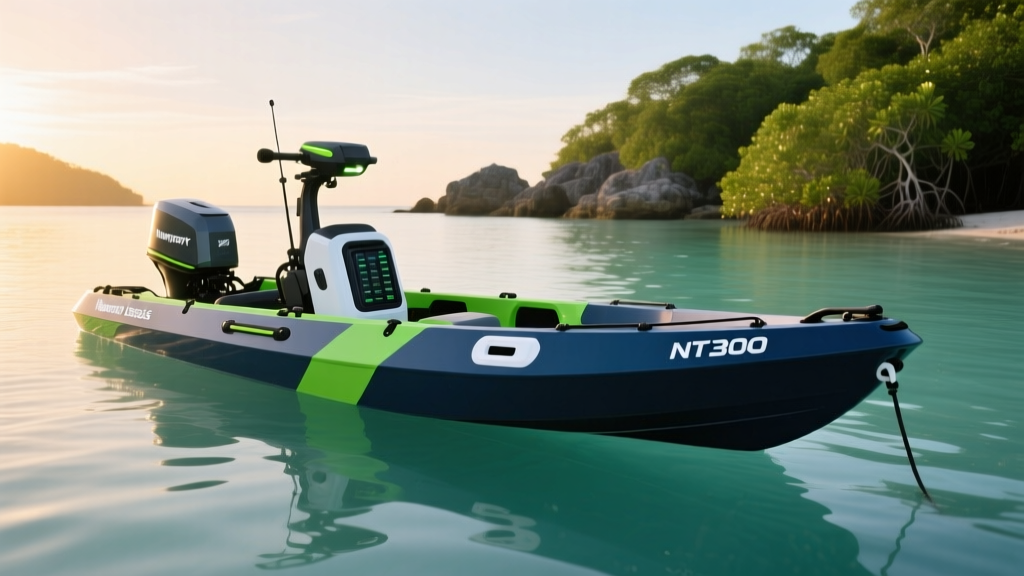
The Newport Vessels NT300 electric outboard fishing kayak is a compact, battery-powered watercraft designed for calm-water fishing. It uses a 36V lithium battery system (approximately 1.44 kWh usable capacity) paired with a brushless electric motor rated for thrust equivalent to a small trolling motor. Expect 2–4 hours of runtime at mixed speeds on a full charge, with a top speed around 5–7 mph depending on load and conditions. Full recharges take roughly 4–6 hours on a standard 120V outlet. Pricing typically starts in the $1,500–$2,500 range depending on package and accessories. It eliminates fuel, oil changes, and the noise of a gas outboard — but it is not a replacement for larger boats or open-water use.
Note: AutoEdgeView primarily covers electric and hybrid road vehicles. The Newport Vessels NT300 is an electric marine product. This guide applies EV ownership analysis — battery care, charging economics, real-world range honesty, and cost-of-ownership math — to help you evaluate it as an electrified purchase.
What the NT300 Actually Is (and Isn't)
The Newport Vessels NT300 sits in the category of electric fishing kayaks — a small, sit-on-top or sit-in hull with an integrated or transom-mounted electric outboard motor. Unlike a full electric boat (think Newport Vessels' larger dinghy motors or brands like Candela), the NT300 is purpose-built for:
- Quiet, emission-free fishing on lakes, ponds, and slow rivers
- Solo or tandem anglers who want motorized assistance without trailering a full boat
- Users who lack the space, budget, or licensing requirements for a gas-powered craft
What it is not: a high-speed vessel, an open-water craft, or a replacement for a 15+ HP gas outboard. If you need to cover large reservoirs at planing speeds or deal with significant current and wind, this is the wrong tool.
Battery, Motor, and Real-World Runtime
The core of the NT300's electric drivetrain is its 36V lithium battery pack, typically rated around 40 Ah — yielding approximately 1.44 kWh of usable energy. For comparison, that's roughly the energy in a large portable power station (like a Jackery or EcoFlow), or about 1/50th of a Tesla Model 3 battery.
| Spec | Value |
|---|---|
| Battery Voltage / Capacity | 36V / ~40 Ah (~1.44 kWh) |
| Battery Chemistry | Lithium-ion (NMC typical) |
| Motor Type | Brushless DC electric outboard |
| Thrust Rating | ~300 lbs equivalent (varies by trim) |
| Top Speed (calm water, solo) | 5–7 mph |
| Runtime (mixed use) | 2–4 hours |
| Charge Time (120V) | 4–6 hours (full) |
| Charge Time (240V, if supported) | 2–3 hours (estimated) |
| Hull Weight (approx.) | 60–90 lbs (kayak only) |
| Max Payload | ~350–450 lbs (varies by model) |
Real-World Runtime vs. Marketing Claims
Manufacturers often quote "up to X hours" based on minimum-throttle trolling. In practice:
- Trolling speed (2–3 mph): You can stretch the battery to 4–5+ hours, drawing minimal watts.
- Cruising speed (4–5 mph): Expect 2.5–3.5 hours of continuous runtime.
- Full throttle (6–7 mph): Runtime drops sharply to roughly 1–1.5 hours as power draw spikes.
This mirrors the "charge curve" reality in electric cars: peak performance is not sustained performance. Running at full throttle continuously drains the small 1.44 kWh battery fast, just as sustained 80 mph highway driving reduces an EV's EPA range by 15–25%.
Real-World Range Reality: At cruising speed (4–5 mph) with 3 hours of runtime, expect roughly 12–15 miles of total distance on a full charge. Wind, current, payload, and water temperature all reduce this. Cold water (below 50°F) can reduce lithium battery output by 10–20%, just as cold weather reduces EV range.
Charging the NT300: What You Need to Know
Unlike electric cars with standardized connectors (NACS, CCS), electric marine products typically use proprietary DC barrel connectors or Anderson-style plugs with a dedicated charger included in the package.
| Level | Power (kW) | Time to Full | Notes |
|---|---|---|---|
| Standard 120V (included charger) | ~0.25–0.35 kW | 4–6 hours | Any household outlet |
| 240V (if supported/adapter avail.) | ~0.5–0.7 kW | 2–3 hours | Requires compatible charger; check manual |
| Portable solar (supplemental) | ~0.05–0.15 kW | Days (top-off only) | Useful for trickle-maintaining, not full charges |
Home charging access is straightforward: any standard 120V garage or outdoor outlet works. You do not need a panel upgrade or dedicated circuit for a ~300W charger — it draws about the same power as a desktop computer. This is a major advantage over Level 2 home EV charging, which typically requires a 240V circuit and professional installation costing $500–$2,000+.
Battery Care for Longevity
The NT300's lithium-ion (likely NMC chemistry) battery will degrade over time, just like an EV battery. To maximize lifespan:
- Don't store at 100% or 0%: Store at 40–60% state of charge during off-seasons.
- Avoid extreme heat: Don't leave the battery baking in direct sun on a hot dock for hours.
- Don't deep-discharge regularly: Try to recharge before the battery drops below 20%.
- Expected lifespan: 500–1,000 full charge cycles before significant degradation (roughly 3–7 years of moderate use), after which capacity may drop to 70–80% of original.
Replacement batteries for 36V marine lithium packs typically cost $300–$600 depending on capacity and brand — a significant ownership cost to budget for down the road.
Cost of Ownership: NT300 vs. Gas-Powered Alternatives
The strongest argument for the NT300 is operating cost. Here's how the math stacks up against a comparable gas-powered fishing kayak with a small 2.5–5 HP outboard (e.g., a Honda BF2.3 or similar).
| Cost Factor | NT300 Electric | Gas Kayak + 2.5 HP Outboard |
|---|---|---|
| Purchase Price (approx.) | $1,800–$2,500 | $1,200–$2,000 (kayak + motor) |
| Fuel/Energy (5 yrs, 50 trips/yr) | $75–$150 (electricity) | $500–$900 (gasoline + oil mix) |
| Maintenance (5 yrs) | $0–$50 (prop inspection) | $300–$600 (oil, spark plug, impeller, winterization) |
| Battery Replacement (yr 5–7) | $300–$600 | N/A |
| Insurance/Registration | Usually not required | May require registration in some states |
| 5-Year Total (est.) | $2,175–$3,300 | $2,000–$3,500 |
The totals are close, but the ownership experience diverges sharply:
- Electric: Plug in overnight, zero noise on the water, no fuel storage, no winterization of an engine.
- Gas: Higher per-trip range and speed, but ongoing maintenance, fuel mixing, noise, and emissions.
For anglers who fish 20–50 times per year on small-to-medium bodies of water, the electric option typically breaks even or saves money by year 3–4, especially when factoring in the elimination of gas and oil costs. For high-use or open-water scenarios, gas still wins on range and refueling speed.
Who Should (and Shouldn't) Buy the NT300
Decision Framework: Is the NT300 Right for You?
Choose the Newport Vessels NT300 electric outboard fishing kayak if:
- You fish primarily on calm lakes, ponds, or slow rivers under 500 acres
- You value silence (electric motors are nearly silent — critical for wary fish)
- You have access to a standard 120V outlet for overnight charging
- You want zero-emission operation (important in ecologically sensitive waters)
- You don't want to deal with gas storage, fuel mixing, or engine winterization
- Your typical outing is 2–4 hours and covers less than 15 miles
Look elsewhere (gas outboard or larger electric boat) if:
- You fish large reservoirs, rivers with strong current, or coastal waters
- You need speeds above 7 mph or ranges beyond 15 miles per outing
- You cannot charge at home or your launch site
- You frequently fish in cold conditions (below 40°F air/water) where battery output drops
- You carry heavy gear loads that push the kayak near its max payload
Common Misconceptions About Electric Kayaks
| Myth | Fact |
|---|---|
| "Electric kayaks have no power" | 36V systems with ~300 lbs thrust move a loaded kayak at 5–7 mph — adequate for fishing, not for water skiing. |
| "The battery won't last a full day" | At trolling speeds, 4–5+ hours is realistic. Most anglers don't run the motor continuously — they motor to a spot, fish, then motor to the next. |
| "Lithium batteries are dangerous on water" | Marine-grade lithium packs are sealed (IP67+) and include BMS protection. They're used in electric boats worldwide. Proper care is still essential. |
| "You can't fish in cold weather" | You can, but expect 10–20% range reduction below 50°F. Keep the battery insulated and pre-warm it if possible. |
| "It's cheaper to just paddle" | For short trips, yes. But a motor lets you cover more water, fight less fatigue, and fish longer — which is the point for serious anglers. |
Tax Credits, Incentives, and Registration
Unlike electric road vehicles that may qualify for the IRS §30D federal tax credit (up to $7,500 for qualifying new EVs), electric kayaks and small marine craft do not qualify for federal EV purchase incentives. The §30D credit applies to on-road motor vehicles with four wheels and a GVWR under 14,000 lbs.
However, some states and local utilities offer rebates for electric marine equipment or outdoor recreation electrification — check your state's energy office or utility provider. Additionally, most states do not require registration or titling for unpowered or small electric kayaks, saving you annual fees. Always verify with your state's boating authority, as rules vary.
Frequently Asked Questions
How far can the Newport Vessels NT300 go on a single charge?
At a cruising speed of 4–5 mph with approximately 3 hours of mixed-use runtime, expect roughly 12–15 miles total. Trolling at 2–3 mph stretches this further; full throttle reduces it to roughly 6–10 miles. Wind, current, and payload all affect real-world distance.
How long does it take to charge the NT300 battery?
Using the included 120V charger, expect 4–6 hours for a full charge from empty. This is comparable to charging a large laptop or e-bike battery overnight. If a 240V-compatible charger is available, that drops to roughly 2–3 hours.
Can I use the NT300 in saltwater?
Newport Vessels designs many of its products for both fresh and saltwater use, but always rinse the motor, prop, and battery connections with fresh water after any saltwater outing. Corrosion is the primary enemy of marine electronics. Check the owner's manual for specific saltwater warranty terms.
How long will the battery last before needing replacement?
Lithium-ion marine batteries typically deliver 500–1,000 full charge cycles before degrading to ~80% capacity. With moderate use (30–50 outings per year), that translates to roughly 5–7 years before a replacement ($300–$600) is needed. Proper storage (40–60% charge, cool and dry) extends this significantly.
Is the NT300 stable enough for standing and casting?
Stability depends on the specific hull design included in your NT300 package. Wider, flat-bottom kayak hulls (32"+ beam) offer reasonable stand-up stability in calm water. Always test in shallow, protected water first and use a leash or anchor when standing.
How does the NT300 compare to pedal-drive kayaks?
Pedal drives (like Hobie's MirageDrive or Native Watercraft's Propel) offer hands-free propulsion and are excellent for fitness-minded anglers. The NT300's electric motor provides effortless, consistent speed without physical exertion — better for long days, anglers with limited mobility, or covering larger distances. Pedal kayaks have unlimited range (you are the engine) but require more effort and are typically heavier.
What's the warranty on the Newport Vessels NT300?
Newport Vessels typically offers a 1–2 year warranty on the motor and electronics, with battery warranties varying by pack manufacturer. Always confirm the exact warranty terms at the time of purchase, as they can change by model year and retailer.
Bottom Line
The Newport Vessels NT300 electric outboard fishing kayak fills a specific niche: quiet, low-maintenance, emission-free fishing on calm water for anglers who prioritize simplicity over speed and range. With roughly 1.44 kWh of battery capacity, 2–4 hours of real-world runtime, and overnight charging on any household outlet, it works well for the majority of freshwater fishing outings. Operating costs are dramatically lower than gas, though the purchase price is higher upfront and a battery replacement in year 5–7 should be budgeted. If your fishing grounds are small, your trips are short, and you value silence, the NT300 earns its place on the rack. If you need range, speed, or open-water capability, look to gas or a larger electric platform.