Ford's Mustang Mach-E has matured from an early electric-SUV experiment into a polished, data-rich midsize crossover that competes head-to-head with the Tesla Model Y, Hyundai Ioniq 5, and Chevrolet Equinox EV. For 2026, the Mach-E lineup carries over its refreshed battery pack and standard NACS charge port, but the real story is how the numbers stack up in the driveway and on the highway. Below is a spec-by-spec breakdown rooted in EPA data, real-world testing realities, and current federal incentive rules.
2026 Mustang Mach-E Spec Sheet at a Glance
| Specification | Select (RWD) | Premium AWD | GT |
|---|---|---|---|
| EPA Range | ~320 mi | ~290 mi | ~280 mi |
| Battery (usable) | ~91 kWh, NMC lithium-ion | ||
| Horsepower | 266 hp | 346 hp | 480 hp |
| 0-60 mph | ~6.1 sec | ~5.1 sec | ~3.5 sec |
| Drivetrain | RWD (single motor) | AWD (dual motor) | AWD (dual motor) |
| DC Fast Charge (peak) | ~150 kW (NACS connector) | ||
| 10-80% DC Time | ~36 min | ||
| Level 2 Charge Rate | ~10.5 kW (~30 mi/hr) | ||
| MPGe (combined) | ~101 MPGe | ~93 MPGe | ~84 MPGe |
| Base MSRP | $37,995 | $43,995 | $55,995 |
| Battery Warranty | 8 years / 100,000 miles | ||
EPA Range vs. Real-World Expectations
Real-World Highway (70 mph): Expect ~260-280 miles in moderate temps
Cold Weather (below 30°F): Expect 20-30% reduction — roughly 220-250 miles for the RWD trim
GT Performance Trim: Aggressive driving can drop effective range below 200 miles on a full charge
The 320-mile EPA figure applies to the rear-wheel-drive Select with the Extended Range battery. That number is achievable in mixed suburban driving at moderate speeds. However, highway cruising at 75-80 mph pushes consumption closer to 34-36 kWh/100mi, dropping effective range to roughly 260-280 miles. In freezing temperatures, the Mach-E's resistive cabin heating (supplemented by a heat pump on higher trims) and battery conditioning demands cut into usable capacity. Owners in northern climates should plan for 220-250 real-world miles in winter on the RWD, and closer to 190-210 on the AWD trims.
Ford publishes the usable battery capacity at approximately 91 kWh. The chemistry is NMC (nickel manganese cobalt), which offers higher energy density than LFP but is more sensitive to sustained high-state-of-charge storage. For maximum longevity, set daily charge limits to 80-90% and only charge to 100% before long trips.
Charging Speed: DC Fast and Home Level 2
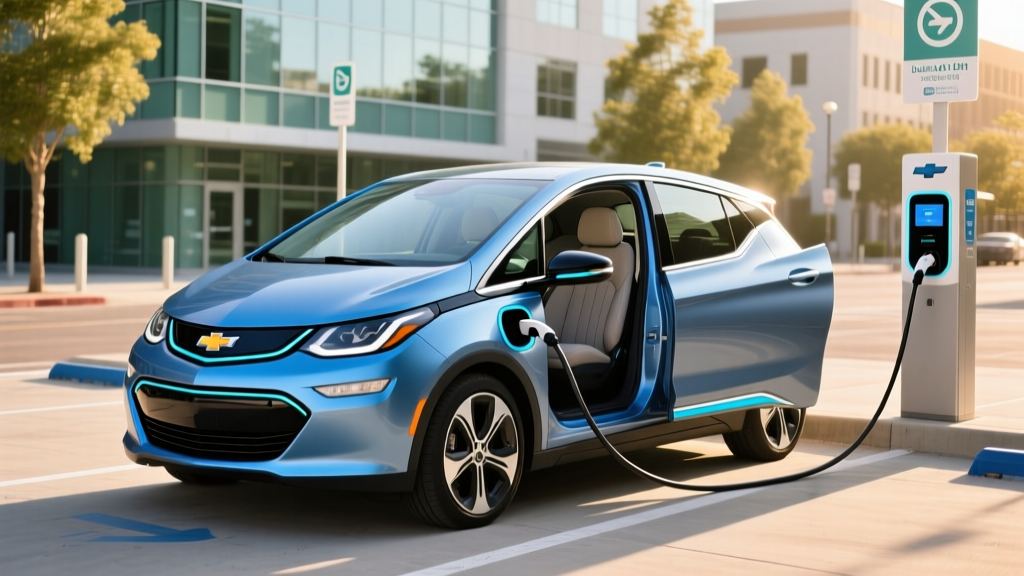
The 2026 Mach-E comes equipped with a native NACS (North American Charging Standard) port, giving it direct access to Tesla's Supercharger network without an adapter — a significant practical advantage over CCS-equipped competitors. Peak DC fast-charge rate is approximately 150 kW.
| Charging Method | Power / Rate | Estimated Speed |
|---|---|---|
| Level 1 (120V household) | ~1.4 kW | ~3-4 mi/hr |
| Level 2 (240V, 48A home charger) | ~10.5 kW | ~30 mi/hr (full charge ~9 hrs) |
| DC Fast Charge (NACS Supercharger) | Up to 150 kW | 10-80% in ~36 min; ~130 mi in 15 min |
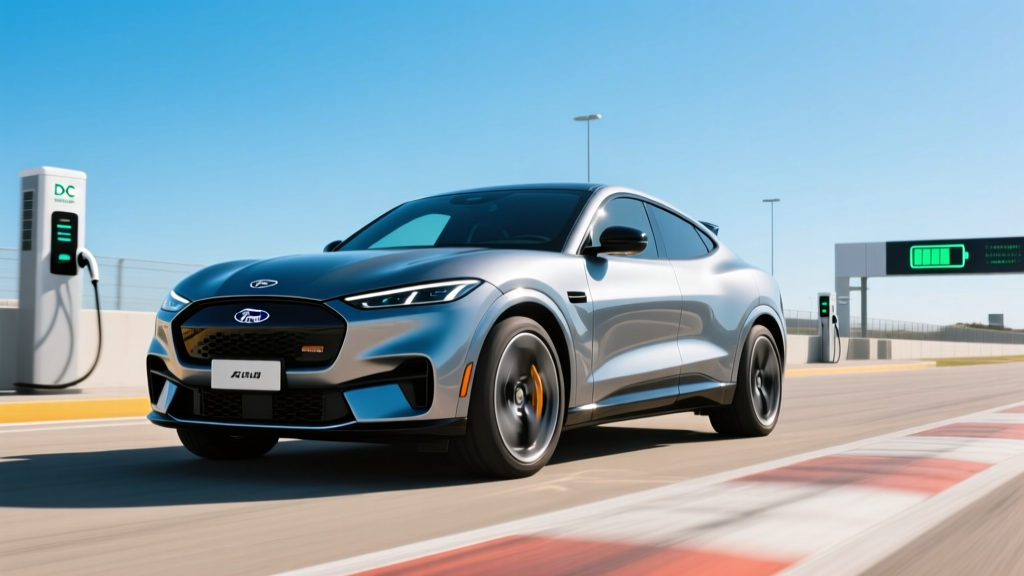
At a 150 kW-capable Supercharger (V3 or equivalent), the Mach-E ramps quickly to peak rate between 10-40% state of charge, then tapers progressively. The 10-80% session takes roughly 36 minutes — competitive but not class-leading. The Hyundai Ioniq 5, for comparison, achieves 10-80% in approximately 18 minutes on an 800V architecture with a 240 kW peak. If you road-trip frequently, the Mach-E's charging curve means you'll spend more time at stops than in some rival EVs, but Supercharger network reliability partially offsets the speed gap.
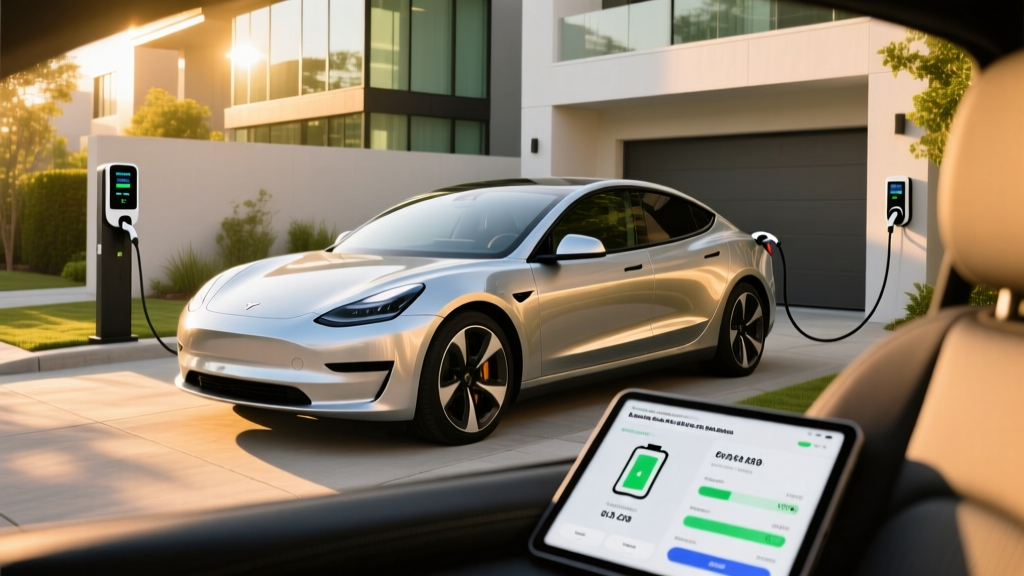
For home charging, Ford's Connected Charge Station or any quality 48-amp Level 2 unit on a 60-amp circuit delivers about 30 miles of range per hour of charging. A full overnight session replenishes the entire pack in roughly 9 hours. Home installation typically runs $800-$2,000 depending on panel proximity and local permitting — budget for a potential panel upgrade if you're running a 100-amp service.
Performance: 0-60, Horsepower, and Drivetrain Breakdown
The Mach-E lineup covers a wide performance envelope. The base Select RWD with a single rear motor produces 266 horsepower and reaches 60 mph in approximately 6.1 seconds — brisk enough for confident highway merging. The Premium AWD bumps output to 346 hp with a dual-motor setup, cutting the sprint to about 5.1 seconds.
The GT is the performance flagship: 480 horsepower, 3.5 seconds to 60 mph, and a tuned suspension that makes it genuinely engaging on back roads. Ford's MagneRide adaptive dampers (standard on GT) manage body control well despite the vehicle's ~4,800-pound curb weight.
All trims feature one-pedal driving with adjustable regenerative braking intensity. The regen calibration is strong enough for true single-pedal operation in most city driving, though it doesn't quite bring the vehicle to a complete stop at the lowest speeds — you'll still tap the brake pedal for final halts.
Pricing, Trims, and Federal Tax Credit Eligibility
| Trim | Base MSRP | Est. After §30D Credit* |
|---|---|---|
| Select (RWD, Standard Range) | $37,995 | ~$30,495 |
| Select (RWD, Extended Range) | $40,995 | ~$33,495 |
| Premium (AWD, Extended Range) | $43,995 | ~$36,495 |
| GT (AWD, Extended Range) | $55,995 | ~$48,495 |
*Federal tax credit estimates assume full eligibility. Actual credit depends on IRS §30D requirements.
- Credit Amount: Up to $7,500 for qualifying new EVs
- MSRP Cap: SUVs must have a base MSRP at or below $80,000 (all Mach-E trims qualify)
- Buyer Income Cap: AGI ≤ $150,000 (single) / $225,000 (head of household) / $300,000 (joint)
- Battery Sourcing: Critical minerals and battery components must meet phased-in domestic/free-trade sourcing thresholds — Ford has worked to qualify the Mach-E, but verify current eligibility at IRS.gov's qualifying vehicle list
- Point-of-Sale Transfer: You can transfer the credit to the dealer at purchase for an immediate price reduction rather than claiming it on your tax return
The Mach-E's positioning under the $80,000 SUV MSRP cap means all trims are potentially eligible. However, the battery-sourcing requirements under §30D have tightened annually. Always verify the specific model year and trim on the IRS qualifying list before committing to a purchase, as eligibility can shift with supply-chain changes. If you exceed the income caps, consider whether a used Mach-E qualifies for the separate $4,000 used-EV credit (§25E).
Efficiency, Cargo Space, and Daily Practicality
Efficiency varies significantly by trim. Per fueleconomy.gov, the RWD Select Extended Range achieves approximately 101 MPGe combined (about 33 kWh/100mi), while the GT drops to roughly 84 MPGe (40 kWh/100mi) due to its performance-tuned motors, stickier tires, and heavier curb weight. For context, the Tesla Model Y Long Range AWD posts around 111 MPGe combined — a meaningful efficiency advantage over the Mach-E AWD trims.
Cargo volume is competitive for the segment:
- Behind second row: 29.7 cu ft
- Seats folded: 59.7 cu ft
- Front trunk (frunk): 4.7 cu ft (drainable — useful for tailgating or muddy gear)
- Rear legroom: 38.9 inches
- Front headroom: 40.4 inches (panoramic glass roof on Premium/GT reduces this slightly)
The frunk is modest compared to the Ford F-150 Lightning's massive front trunk but remains a practical bonus for charging cables or groceries. The drainable design is a thoughtful touch for outdoor use.
Technology, Driver Assists, and Standout Features
The Mach-E's centerpiece is a 15.5-inch portrait-oriented touchscreen running Ford's SYNC 4A infotainment system. Wireless Apple CarPlay and Android Auto are standard. The interface is responsive, and the vertically oriented layout works well for map navigation. Physical buttons are minimal — even the glovebox is opened via the touchscreen, which is an ergonomic misstep that frustrates some owners.
Ford's BlueCruise hands-free driving system is available on Premium and GT trims (included for a trial period, then subscription-based). BlueCruise is an SAE Level 2 driver-assistance system — it handles steering, acceleration, and braking on pre-mapped divided highways, but the driver must remain attentive. An in-cabin camera monitors eye gaze. It works well on long interstate stretches but is not autonomous driving and requires active supervision at all times.
Standard driver assists include automatic emergency braking with pedestrian detection, blind-spot monitoring, rear cross-traffic alert, lane-keeping assist, and adaptive cruise control. The Mach-E has earned strong safety ratings from IIHS, typically achieving Top Safety Pick status when equipped with the optional LED projector headlights.
- Native NACS port — direct Tesla Supercharger access without adapter
- Engaging driving dynamics, especially GT with MagneRide
- Competitive cargo space and practical drainable frunk
- Strong safety ratings and comprehensive driver-assist suite
- Available BlueCruise for hands-free highway driving
- 150 kW peak DC charging is slower than Ioniq 5/EV6 (240+ kW)
- Real-world highway and cold-weather range falls noticeably below EPA sticker
- Touchscreen-only glovebox and climate controls annoy some users
- BlueCruise requires ongoing subscription after trial period
- GT trim's efficiency penalty is steep (84 MPGe vs. 101 for RWD)
Who the Mustang Mach-E Suits Best
The Mach-E is strongest as a daily-driver crossover for households that want a spacious, tech-forward EV without the Tesla ecosystem. The RWD Select Extended Range is the value pick — 320 miles of EPA range, adequate performance, and a post-credit price near $33,000 make it compelling for commuters with home charging access.
The Premium AWD targets families in four-season climates who need all-weather traction and are willing to sacrifice ~30 miles of range for dual-motor grip. The GT is a niche choice for driving enthusiasts who want sports-sedan acceleration in a crossover body and don't mind frequent charging stops on road trips.
For heavy road-trippers, the Mach-E's 150 kW charging ceiling and ~36-minute 10-80% sessions mean longer stops than the Hyundai Ioniq 5 or Kia EV6. If you regularly drive 400+ mile routes, plan your Supercharger stops carefully. For primarily local and commuting use, the Mach-E's range and home-charging practicality make it a strong, well-rounded choice.
Frequently Asked Questions
What is the real-world range of the Mustang Mach-E?
The EPA rates the RWD Select Extended Range at approximately 320 miles. In real-world highway driving at 70-75 mph, expect 260-280 miles. In freezing temperatures, range can drop to 220-250 miles. The GT trim, driven aggressively, may deliver under 200 miles on a full charge.
How fast does the Mach-E charge at home and on the road?
At home on a 240V Level 2 charger (48 amps), the Mach-E adds about 30 miles of range per hour, with a full charge taking roughly 9 hours. On a DC fast charger at peak rate (150 kW), it charges from 10-80% in approximately 36 minutes. Actual speeds vary based on battery temperature, state of charge, and charger capability.
Does the 2026 Mustang Mach-E qualify for the federal EV tax credit?
The Mach-E's MSRP falls under the $80,000 SUV cap, and Ford has worked to meet battery-sourcing requirements. However, eligibility under IRS §30D depends on current critical-mineral and battery-component sourcing rules, buyer income limits (≤$150K single / $300K joint), and the specific model year. Always verify on the IRS qualifying vehicles page before purchasing.
Is the Mustang Mach-E worth buying over the Tesla Model Y?
It depends on priorities. The Model Y offers superior efficiency (~111 MPGe vs. ~93 MPGe for Mach-E AWD), faster Supercharging, and a more mature software ecosystem. The Mach-E counters with a more traditional SUV driving feel, a physical key fob, BlueCruise hands-free capability, and a drainable frunk. If you prefer not to buy into the Tesla ecosystem, the Mach-E is a strong alternative — but compare real-world range and charging times carefully.
What is the Mach-E's battery warranty?
Ford covers the high-voltage battery and electric powertrain components for 8 years or 100,000 miles, whichever comes first. The warranty guarantees the battery will retain at least 70% of its original capacity during the coverage period. This is consistent with industry standards and competitive with most rivals.
Does the Mach-E have a NACS or CCS charging port?
The 2026 Mustang Mach-E comes with a native NACS (Tesla-style) charge port, providing direct access to the Tesla Supercharger network without needing a CCS-to-NACS adapter. This is a significant advantage for public charging convenience and reliability.
For the latest EPA data, consult fueleconomy.gov. For current federal incentive rules, see IRS.gov. Always test-charge and test-drive before committing — spec sheets tell only part of the ownership story.