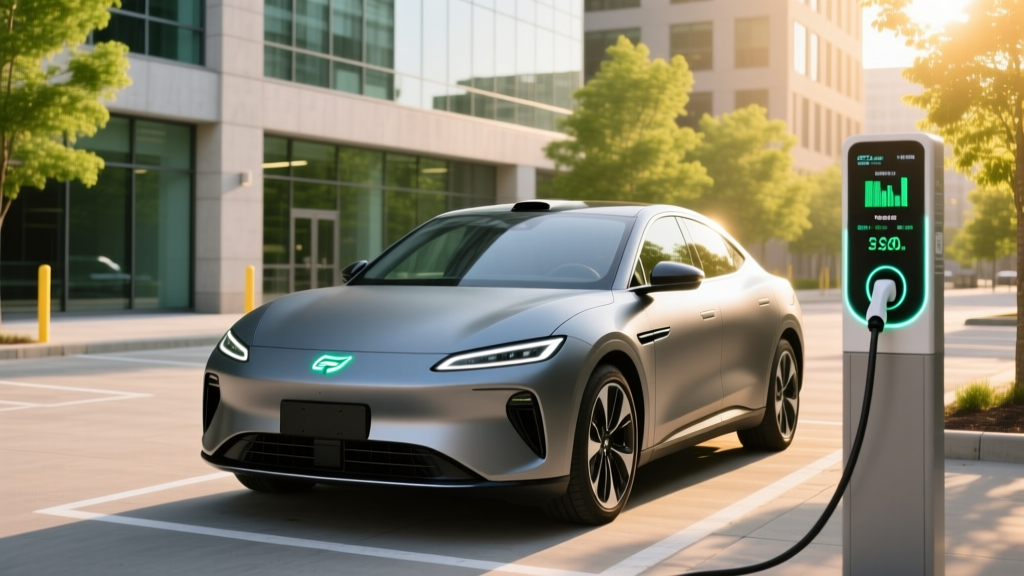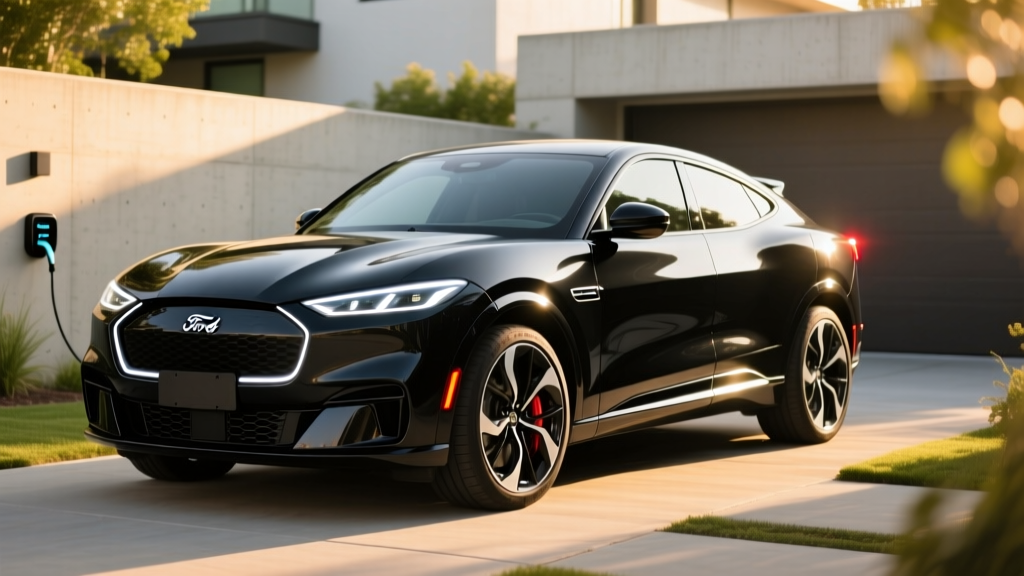
The Ford Mustang Mach-E is a fully electric crossover that carries the Mustang badge into the EV era. For 2026, it offers up to 320 miles of EPA-estimated range (Select RWD with Extended Range battery), DC fast charging up to 150 kW, and a starting MSRP around $39,995. It qualifies for partial or full federal tax credits depending on battery sourcing and buyer income. If you want Mustang performance without gas, the Mach-E delivers 0-60 times as quick as 3.5 seconds (GT Performance Edition) while costing roughly $0.04–$0.06 per mile to charge at home — about a third of what a gas Mustang EcoBoost costs per mile to fuel.
Quick Answer: Is the EV Mustang Worth It in 2026?
The Mustang Mach-E is a strong buy if you have access to home Level 2 charging, want a sporty electric crossover with 250–320 miles of range, and qualify for the §30D federal tax credit. It costs more upfront than a gas Mustang EcoBoost but saves $1,200–$1,800 per year in fuel and maintenance for average drivers. Skip it if you regularly tow heavy loads, live in a charging desert, or need the traditional V8 Mustang experience.
2026 Mustang Mach-E Lineup: Trims, Range, and Key Specs
Ford streamlined the Mach-E lineup for 2026 into four main trims. The Select serves as the entry point, while Premium adds luxury features, the California Route 1 (CR1) maximizes range, and the GT targets performance buyers. All trims offer Standard Range (~70 kWh usable, LFP chemistry) and Extended Range (~91 kWh usable, NMC chemistry) battery options. Rear-wheel drive (RWD) is standard; all-wheel drive (AWD) is available on most trims.
| Trim | Battery | Drivetrain | EPA Range | 0-60 mph | Horsepower | Base MSRP |
|---|---|---|---|---|---|---|
| Select SR | 70 kWh (LFP) | RWD | 250 mi | 6.1s | 266 hp | $39,995 |
| Select ER | 91 kWh (NMC) | RWD | 320 mi | 5.6s | 290 hp | $45,495 |
| Premium ER | 91 kWh (NMC) | AWD | 290 mi | 4.8s | 346 hp | $51,995 |
| GT Perf. Ed. | 91 kWh (NMC) | AWD | 260 mi | 3.5s | 480 hp | $59,995 |
Real-World Range vs. EPA Sticker
EPA: 320 miles (Select ER RWD) — In mixed driving at 65–75 mph with mild temperatures, expect 270–290 miles. In freezing weather (below 30°F), range drops 20–30%, yielding roughly 220–255 miles. Highway-only driving at 80 mph can cut range to 230–250 miles even in moderate weather. The Mach-E's heat pump (standard on 2025+ models) helps mitigate cold-weather losses compared to older EVs, but physics still applies.
Charging the Mach-E: Speeds, Connectors, and Real Costs
The 2026 Mach-E uses the NACS (Tesla-style) connector natively, giving it access to Tesla Supercharger stalls with a built-in adapter, plus all major CCS-based networks via the standard J1772-to-NACS adapter included in the trunk. This dual-network access is one of the Mach-E's strongest practical advantages.
| Level | Power | Miles Added/Hour | Time (10–80%) | Typical Cost |
|---|---|---|---|---|
| Level 1 (120V) | 1.4 kW | ~4 mi/hr | N/A (trickle) | $0.13/kWh avg |
| Level 2 (240V, 48A) | 11.5 kW | ~34 mi/hr | ~7.5 hrs (full) | $0.13/kWh home |
| DC Fast (peak) | 150 kW | ~250 mi/hr (peak) | ~38 min (10–80%) | $0.30–$0.48/kWh |
Charging curve reality: The Mach-E peaks at 150 kW only between roughly 10–40% State of Charge. From 40–60%, it sustains around 110–120 kW, then tapers to 60–80 kW through 80%, and drops further above 80%. A 10–80% session at a 150 kW charger takes approximately 38 minutes, but a 10–90% session stretches to about 55 minutes. Plan road-trip stops around 10–80% to minimize time at the charger.
Home charging setup: Ford includes a mobile charge cord (30A, 240V capable) with every Mach-E. For optimal home charging, a dedicated 60-amp circuit with a 48-amp hardwired Level 2 station (such as a ChargePoint Home Flex or Ford Connected Charge Station) fills the Extended Range battery from 20–80% overnight in about 5 hours. Installation typically costs $800–$2,000 depending on panel capacity and run length — budget for a potential 200-amp panel upgrade ($1,500–$3,000) if your home has an older 100-amp service.
EV Mustang vs. Gas Mustang: Cost and Experience Compared
The Mach-E shares a name with the iconic gas Mustang, but they're fundamentally different vehicles. The gas Mustang is a sports coupe; the Mach-E is a 5-passenger crossover SUV. Here's how the ownership economics stack up for a buyer cross-shopping the EV Mustang against a 2026 Mustang EcoBoost coupe.
| Factor | Mustang Mach-E Select ER | Mustang EcoBoost Coupe |
|---|---|---|
| Base MSRP | $45,495 | $32,595 |
| Federal Tax Credit (§30D) | Up to $7,500* | $0 |
| Effective Price After Credit | ~$37,995 | $32,595 |
| Energy/Fuel Cost (15k mi/yr) | ~$660/yr (home L2) | ~$2,100/yr (27 mpg, $3.80/gal) |
| Annual Maintenance | ~$250/yr | ~$650/yr |
| Insurance (avg annual) | ~$2,100 | ~$1,750 |
| 5-Year Total Cost of Ownership | ~$55,300 | ~$55,845 |
*§30D credit eligibility depends on buyer AGI (≤$150k single / ≤$300k joint), vehicle MSRP cap ($80k for SUVs), and battery critical-mineral/component sourcing. Verify current-year rules at irs.gov. Point-of-sale transfer is available at participating dealers, reducing the purchase price directly.
The Mach-E's higher insurance premiums (typically 15–25% more than the gas Mustang) partially offset fuel savings, but the 5-year total cost of ownership lands remarkably close — especially when the tax credit applies. Beyond year five, the Mach-E pulls ahead as battery degradation remains minimal and the gas Mustang faces rising maintenance (timing chain, turbo, transmission service).
Real-World Ownership: What First-Time EV Buyers Must Know
Transitioning from gas to the Mach-E involves practical adjustments that spec sheets don't capture. Here are the ownership realities that matter most.
Home Charging Access Is the Make-or-Break Factor
If you can install a Level 2 charger at home (garage, carport, or driveway with 240V access), the Mach-E integrates seamlessly into daily life — you wake up with a "full tank" every morning. If you live in an apartment without charging, rely on street parking, or lack electrical panel capacity, ownership becomes significantly more inconvenient. Public DC fast charging works but adds 30–45 minutes to your routine multiple times per week and costs 2–3× more per kWh than home charging. Before buying, confirm your charging plan.
Battery Longevity and Warranty Coverage
Ford covers the Mach-E's high-voltage battery for 8 years or 100,000 miles, whichever comes first, against defects and capacity loss below 70% of original capacity. Real-world degradation data from early 2021–2024 Mach-E owners shows approximately 5–8% capacity loss over the first 100,000 miles — well within warranty thresholds. The LFP battery in the Standard Range trims tends to degrade more slowly than NMC and can be charged to 100% daily without concern, making it a practical choice for high-mileage commuters.
Cold Weather and Range Management
If you live where winters regularly drop below freezing, budget 20–30% range loss. The Mach-E's heat pump and battery preconditioning (activated when you set a departure time or navigate to a charger) help, but a 320-mile EPA rating realistically becomes 225–255 miles on a 20°F January highway drive. Preconditioning while plugged in at home preserves range for your commute.
Tax Credit, Incentives, and What You'll Actually Pay
The 2026 Mach-E's eligibility for the §30D federal clean vehicle credit depends on several moving targets. Here's the current checklist:
- MSRP cap: SUVs must be ≤$80,000 — all Mach-E trims qualify
- Buyer income cap: AGI ≤$150,000 (single), ≤$225,000 (head of household), ≤$300,000 (joint)
- Battery sourcing: Critical minerals and battery components must meet phased percentage thresholds from US or FTA-trade-partner sources; check the specific VIN at fueleconomy.gov before purchase
- Point-of-sale transfer: You can transfer the credit to the dealer at purchase, reducing your out-of-pocket cost immediately rather than waiting for tax filing
- State incentives: Many states offer additional rebates ($1,000–$5,000) — check your state energy office or DMV
If your AGI exceeds the cap, consider a lease: the commercial clean vehicle credit (§45W) often allows dealers to pass a $7,500 lease credit to the lessee regardless of personal income, though this depends on the leasing company's structure.
Common Mach-E Misconceptions: Myth vs. Fact
| Myth | Fact |
|---|---|
| "It's not a real Mustang" | It's a crossover, not a coupe — but the GT Performance Edition hits 3.5s 0-60 and 480 hp, matching or exceeding most V8 Mustang variants in acceleration |
| "The battery will need replacing in 5 years" | Data shows <10% degradation at 100k miles; replacement costs $12,000–$18,000 but is rarely needed within the 8-year/100k-mile warranty period |
| "You can't road-trip an EV" | With 150 kW DC charging and Supercharger access via NACS, a 600-mile trip requires one ~35-minute stop — feasible with route planning via the FordPass app or A Better Route Planner |
| "EVs are worse in the cold" | Range drops 20–30%, but the Mach-E starts instantly, the cabin heats via heat pump without idling, and regenerative braking works in all temperatures |
| "Charging takes too long" | Home Level 2 charging happens while you sleep; DC fast charging adds ~250 miles in 38 minutes (10–80%), roughly the time for a meal break on a road trip |
Decision Framework: Should You Buy the EV Mustang?
Choose the Mach-E If:
- You have home Level 2 charging (or can install it)
- Your daily commute is under 100 miles round-trip
- You want a 5-passenger crossover with sporty acceleration
- You qualify for the §30D tax credit (or lease through a qualifying program)
- You value access to both Supercharger and CCS public networks via NACS
Look Elsewhere If:
- You lack reliable home or workplace charging access
- You regularly tow more than 2,000 lbs (Mach-E max towing: 2,200 lbs with AWD)
- You want the visceral V8 sound and rear-seat-delete coupe feel of a traditional Mustang
- You drive 400+ miles between stops regularly and can't tolerate 30–40 minute charge breaks
- Your budget is strictly under $35,000 — consider a used Mach-E or a Chevy Equinox EV instead
Frequently Asked Questions
How long does the Mustang Mach-E battery last?
Ford warranties the battery for 8 years/100,000 miles against defects and capacity loss below 70%. Real-world data from 2021–2024 models shows most Mach-E batteries retain 92–95% capacity at 100,000 miles. With proper care (avoiding frequent 100% charges on NMC batteries, using LFP batteries freely to 100%), the battery should outlast 200,000 miles.
Can I charge the Mach-E at a Tesla Supercharger?
Yes. The 2026 Mach-E comes with a native NACS charge port, meaning it plugs directly into Tesla Supercharger V3 and V4 stalls without an adapter. Ford also provides a CCS adapter for non-Tesla DC fast-charging networks. Access to Superchargers requires a FordPass-linked account and payment method.
What does it cost to charge a Mustang Mach-E at home?
At the US average residential electricity rate of ~$0.16/kWh, fully charging the 91 kWh Extended Range battery costs about $14.50, yielding roughly 320 EPA miles — or about $0.045 per mile. Compare that to a gas Mustang EcoBoost at 27 mpg combined with $3.80/gallon fuel: $0.14 per mile. Annual savings for a 15,000-mile driver: approximately $1,425.
Is the Mach-E cheaper to maintain than a gas Mustang?
Yes. The Mach-E has no engine oil, no spark plugs, no transmission fluid changes, and no exhaust system. Brake pads last 100,000+ miles thanks to regenerative braking. Annual maintenance averages $200–$300 versus $550–$800 for the gas Mustang. The main long-term cost variable is tires — the Mach-E's weight (4,600–4,900 lbs) wears tires faster than a lighter gas car.
Does the Mach-E qualify for the $7,500 federal tax credit?
Eligibility depends on your income, the specific VIN's battery sourcing compliance, and the vehicle MSRP. Many 2026 Mach-E configurations qualify for the full $7,500, but battery component and critical mineral rules shift annually. Always verify your exact vehicle's eligibility at fueleconomy.gov before finalizing a purchase, and consult a tax professional for personal guidance.