The Short Answer: Is the Mustang Mach-E the Right EV SUV for You?
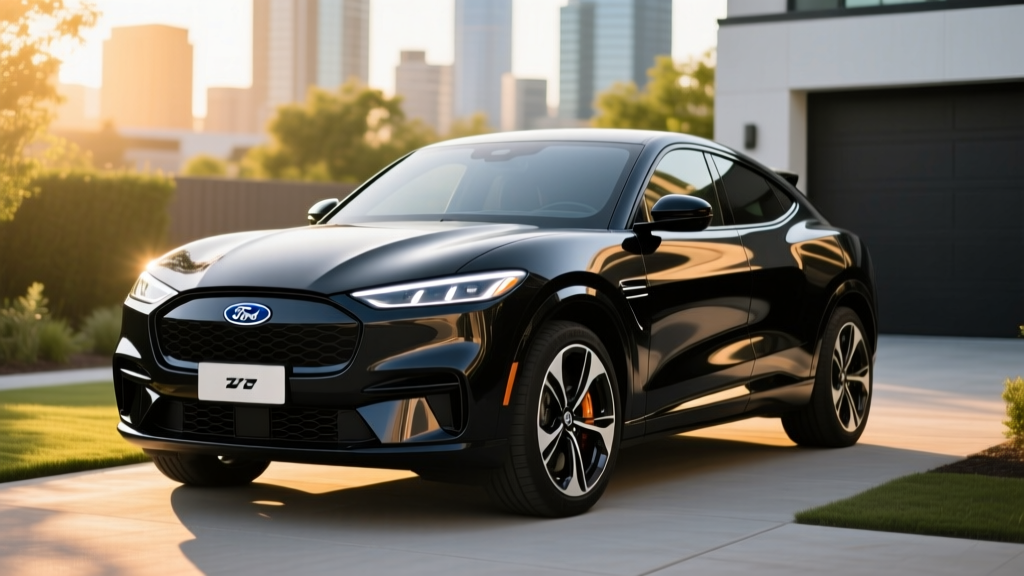
The Ford Mustang Mach-E is a five-passenger electric crossover that delivers between 250 and 320 miles of EPA-estimated range depending on trim, charges from 10–80% in roughly 28–36 minutes on a DC fast charger, and starts around $42,995 for the 2026 model year. It competes directly with the Tesla Model Y, Hyundai IONIQ 5, and Chevrolet Blazer EV. If you have access to Level 2 home charging, drive under 300 miles per day, and want an EV SUV with a mainstream dealer network and available all-wheel drive, the Mach-E is one of the strongest contenders in the segment. If you frequently tow, live in an apartment without charging access, or regularly take 500+ mile road trips through charging-sparse regions, a plug-in hybrid or a longer-range Tesla may serve you better.
2026 Mustang Mach-E: Trim Lineup, Range, and Key Specs
Ford streamlined the Mach-E lineup for 2026 after several years of rapid reshuffling. The current lineup centers on two battery sizes and three trim tiers. All models use an NMC (nickel manganese cobalt) lithium-ion battery pack, which offers higher energy density than LFP chemistry but benefits from keeping the state of charge between 20% and 80% for daily use to minimize long-term degradation.
| Spec | Select (Std Range) | Premium (Ext Range) | GT (Ext Range) |
|---|---|---|---|
| Base MSRP | $42,995 | $48,995 | $56,995 |
| Battery (usable kWh) | 72 kWh (NMC) | 91 kWh (NMC) | 91 kWh (NMC) |
| EPA Range (mi) | 250 (RWD) / 230 (AWD) | 320 (RWD) / 290 (AWD) | 280 (AWD) |
| Motor Output (HP) | 266 (RWD) / 325 (AWD) | 290 (RWD) / 365 (AWD) | 480 (AWD) |
| 0–60 mph (sec) | 6.3 (RWD) / 5.2 (AWD) | 6.1 (RWD) / 4.8 (AWD) | 3.5 (AWD) |
| Max DC Fast Charge (kW) | 115 kW | 150 kW | 150 kW |
| 10–80% DC Charge Time | ~28 min | ~33 min | ~36 min |
| Level 2 Charge Rate | 10.5 kW | 10.5 kW | 10.5 kW |
| MPGe (combined) | 101 | 98 | 87 |
| Cargo (cu ft, rear up) | 29.7 | 29.7 | 29.7 |
| Battery Warranty | 8 years / 100,000 miles (≥70% capacity retention) | ||
Sources: EPA fueleconomy.gov, Ford.com Mach-E specs. Figures vary by model year and trim; confirm with your dealer.
Real-World Range vs. EPA Sticker
The EPA numbers above are measured under controlled conditions. In real-world driving, expect the following from the Extended Range RWD (EPA 320 mi):
- Mixed suburban/highway (65–70 mph, 60°F+): ~270–290 miles
- Sustained highway (75 mph, 80°F): ~250–265 miles
- Cold weather highway (30°F, cabin heat on): ~210–230 miles — a 25–30% reduction
- Cold weather city (20°F, stop-and-go): ~240–260 miles (regen is less effective in cold; battery preconditioning helps)
The Mach-E's heat pump (standard on 2025+ models) reduces cold-weather losses compared to earlier model years, but any EV will shed range in freezing temperatures. If your daily commute is under 80 miles round-trip, even worst-case winter range is more than sufficient on any trim.
Charging the Mach-E: What You Actually Need at Home and on the Road
The Mach-E uses the NACS (North American Charging Standard) connector as of the 2025 model year, giving it native access to the Tesla Supercharger network — the largest and most reliable DC fast-charging network in the US. This is a major ownership advantage over CCS-only vehicles in 2026.
| Level | Power (kW) | Miles of Range Added per Hour | Typical Use Case |
|---|---|---|---|
| Level 1 (120V outlet) | ~1.3 kW | ~3–4 mi/hr | Overnight top-up, emergencies |
| Level 2 (240V, 48A home charger) | 10.5 kW | ~30–34 mi/hr | Daily overnight charging (full charge in ~9–10 hrs for Ext Range) |
| DC Fast Charge (150 kW peak) | Up to 150 kW | ~160+ mi in first 15 min | Road trips; 10–80% in ~33 min |
Understanding kW vs. kWh: kW (kilowatts) is the rate of energy flow — like water pressure from a hose. kWh (kilowatt-hours) is the total energy stored — like the size of the bucket. The Mach-E's 91 kWh battery is the bucket; the 150 kW DC charger is the flow rate. Charging always slows as the battery fills (the "charge curve taper"), which is why 10–80% times are the industry standard metric, not 0–100%.
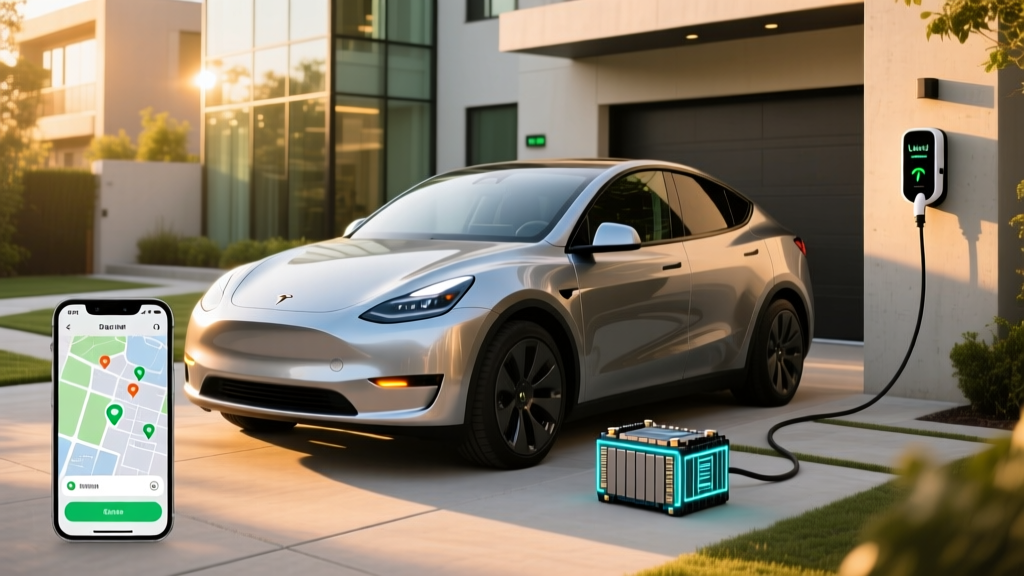
Home charging setup: Most Mach-E owners install a 48-amp Level 2 wall connector on a dedicated 60-amp 240V circuit. Budget $500–$800 for the charger unit and $800–$2,000 for electrician labor, depending on panel proximity and whether your home's electrical panel needs an upgrade (a 200-amp panel is typically sufficient; older 100-amp panels may require a $1,500–$3,000 upgrade). The Ford Mobile Power Cord is included and can serve as a Level 2 charger with the correct 240V NEMA 14-50 outlet.
Ownership Costs: Mach-E EV SUV vs. a Gas Crossover
EV ownership economics depend heavily on your local electricity rate, driving volume, and whether you qualify for federal incentives. Here's a five-year cost comparison between the Mach-E Premium Extended Range AWD and a comparably equipped gas crossover (e.g., Ford Edge or Toyota RAV4, MSRP ~$42,000).
| Cost Category | Mustang Mach-E Premium AWD | Gas Crossover (AWD) |
|---|---|---|
| Purchase Price (MSRP) | $48,995 | $42,000 |
| Federal Tax Credit (§30D)* | Up to $3,750–$7,500 | $0 |
| Effective Purchase Price | ~$41,495–$45,245 | $42,000 |
| Fuel / Electricity (60k mi) | $3,200–$4,800** | $7,200–$8,400*** |
| Maintenance (5 yr) | $800–$1,200 | $2,500–$3,500 |
| Insurance (5 yr avg) | $7,500–$9,500 | $6,000–$7,500 |
| Est. 5-Year Total Cost | ~$53,000–$60,700 | ~$57,700–$61,400 |
* §30D credit eligibility depends on MSRP caps (SUVs: $80,000), buyer income limits ($150k single / $300k joint), and battery critical-mineral sourcing rules. The Mach-E's credit amount has fluctuated; check IRS.gov §30D for current eligibility. Point-of-sale transfer is available through participating dealers.
** Based on $0.12–$0.18/kWh home charging and 3.0–3.5 mi/kWh efficiency. Public DC charging at $0.35–$0.48/kWh raises costs significantly.
*** Based on 25 MPG combined and $3.00–$3.50/gallon.
The Mach-E's maintenance savings are substantial: no oil changes, no spark plugs, no transmission fluid, and regenerative braking extends pad life to 80,000+ miles in many cases. However, EV insurance premiums run 15–25% higher than comparable gas vehicles due to higher repair costs after collisions and battery replacement valuations. Get quotes from your insurer before purchasing.
First-Time EV Buyer: What to Know Before You Sign
If the Mach-E would be your first EV, these are the ownership realities that don't appear on the window sticker:
1. Home Charging Is Non-Negotiable for Convenience
Over 80% of EV charging happens at home. If you live in a single-family home with a garage or driveway, a Level 2 installation is straightforward. If you're in an apartment or street-park, you'll depend on public charging — which is improving via Supercharger access but still inconsistent in rural areas. Before buying, map your daily routine against available chargers using apps like PlugShare or A Better Routeplanner.
2. Battery Degradation Is Real but Manageable
NMC batteries like the Mach-E's typically lose 8–12% capacity over the first 100,000 miles, then plateau. Ford warrants the battery at ≥70% capacity for 8 years / 100,000 miles. To maximize longevity: set your daily charge limit to 80%, avoid leaving the car at 100% SoC for extended periods, and use DC fast charging sparingly (it's fine for road trips, just not as your daily routine).
3. Route Planning Matters on Road Trips
With NACS and Supercharger access, the Mach-E's road-trip experience is far better than CCS-only EVs in 2026. Plan stops every 200–220 miles in warm weather (every 160–180 in winter). A 30-minute fast-charge stop is a reasonable rest break. The Mach-E's built-in navigation will precondition the battery when you navigate to a charger, warming it for faster charging — don't skip this step.
| Myth | Fact |
|---|---|
| "It's not a real Mustang." | It shares no platform with the Mustang coupe, but it's a legitimate Ford EV SUV with strong performance credentials (GT: 480 HP, 3.5s 0–60). |
| "The battery will need a $20,000 replacement in 5 years." | NMC degradation data shows ~8–12% loss over 100k miles. Full replacements under warranty are rare. Out-of-warranty pack replacement currently costs $12,000–$18,000, but most owners never need one. |
| "EVs don't work in cold weather." | Range drops 20–30% in freezing temps, but the Mach-E's heat pump and battery preconditioning mitigate this. Owners in Minnesota and Norway drive EVs year-round. |
| "I can't take road trips." | With Supercharger access and 280–320 mi range, 500-mile trips require one 30-min stop. Cross-country is viable with planning. |
| "Charging takes hours." | Level 2 home charging refills overnight while you sleep. DC fast charging adds ~160 miles in 15 minutes. |
Decision Framework: Should You Buy the Mustang Mach-E?
Choose the Mustang Mach-E If:
- You have home Level 2 charging or can install it (garage, driveway, or workplace charging)
- Your daily driving is under 250 miles and you want one-charge coverage with margin
- You value Supercharger network access without adapters (native NACS)
- You want a mainstream dealer service network for warranty work and collision repair
- You prefer a car-like driving experience over truck-like ride quality
- You qualify for some or all of the §30D federal tax credit (check income and sourcing rules)
Look Elsewhere If:
- You have zero access to home or workplace charging and live in a public-charging desert
- You regularly tow more than 1,500 lbs (the Mach-E is rated for just 1,500 lbs with the towing package; consider an F-150 Lightning or Rivian R1S)
- You need three rows of seating (the Mach-E seats five; look at the Kia EV9 or Tesla Model X)
- You take frequent 600+ mile road trips through the Mountain West or rural areas with sparse charging infrastructure
- You want maximum range per dollar — the Tesla Model Y Long Range AWD offers ~330 EPA miles at a similar price point
Trim Recommendation and Next Steps
For most buyers, the Premium Extended Range RWD ($48,995) is the value sweet spot: 320 miles EPA, 150 kW DC charging, and a well-equipped interior with Ford's BlueCruise hands-on-wheel driver-assist (SAE Level 2 — you must remain engaged; this is not self-driving). Add AWD for $3,000 if you face snow or need the traction, accepting a ~30-mile range reduction.
The GT is a performance flagship that sacrifices 40 miles of range for 480 HP and a 3.5-second 0–60. It's thrilling but harder to justify on cost-per-mile unless performance is a priority.
Before visiting a dealer:
- Check your §30D tax credit eligibility on IRS.gov — the credit amount and sourcing requirements change periodically.
- Get a Level 2 installation quote from a licensed electrician (ask about panel capacity).
- Compare insurance quotes for the Mach-E vs. your current vehicle.
- Test drive with one-pedal driving mode enabled to experience regenerative braking.
Frequently Asked Questions
Does the Mustang Mach-E qualify for the $7,500 federal tax credit?
Eligibility depends on current §30D rules including battery critical-mineral sourcing, buyer income caps ($150,000 single / $300,000 joint filers), and the $80,000 SUV MSRP cap. The Mach-E's credit has ranged from $3,750 to $7,500 depending on the model year and sourcing changes. Check the IRS Clean Vehicle Credits page and confirm with your dealer at the time of purchase. Point-of-sale transfer is available, reducing your out-of-pocket cost at signing.
How long does it take to charge the Mach-E at home?
On a 10.5 kW Level 2 home charger, the Extended Range (91 kWh) battery charges from empty to full in approximately 9–10 hours. In practice, you'll rarely arrive home below 20%, so a typical overnight session adds 200+ miles in 6–7 hours. Level 1 (standard 120V outlet) adds only ~3–4 miles per hour — fine for plug-in hybrids but too slow as a primary charging method for a 91 kWh battery.
Is the Mach-E good in snow and cold weather?
The available AWD system provides strong traction, and the heat pump (standard on 2025+ models) preserves cabin warmth without gutting range. Expect a 20–30% range reduction in sustained sub-freezing temperatures. Preconditioning the cabin and battery while plugged in before departure recovers significant range. Winter tires improve stopping and cornering performance beyond what all-season tires provide.
Can I use Tesla Superchargers with the Mach-E?
Yes. The 2025+ Mach-E has a native NACS charge port, meaning it plugs directly into Tesla Supercharger stalls without an adapter. This gives you access to 20,000+ Supercharger stalls across North America — the most reliable DC fast-charging network available. Older 2021–2024 Mach-E models with CCS ports can use a Ford-provided NACS adapter.
What does BlueCruise actually do?
Ford BlueCruise is a Level 2 driver-assistance system (per SAE International definitions) that allows hands-off-wheel driving on pre-mapped divided highways — over 130,000 miles of road in the US and Canada. However, a driver-monitoring camera requires your eyes on the road at all times. It is not autonomous driving. You are legally and practically responsible for the vehicle at all times. BlueCruise is included for a trial period; continued use requires a subscription (~$75/month or $800/year after the trial).
What happens if the battery degrades significantly?
Ford's battery warranty guarantees at least 70% capacity retention for 8 years or 100,000 miles, whichever comes first. If your 91 kWh pack drops below ~63.7 kWh usable within that period, Ford will repair or replace it at no cost. Real-world data from high-mileage Mach-E owners suggests typical degradation of 8–12% over 100,000 miles, well within the warranty threshold. Out-of-warranty replacement, while rare, currently costs between $12,000 and $18,000 depending on pack size and labor.