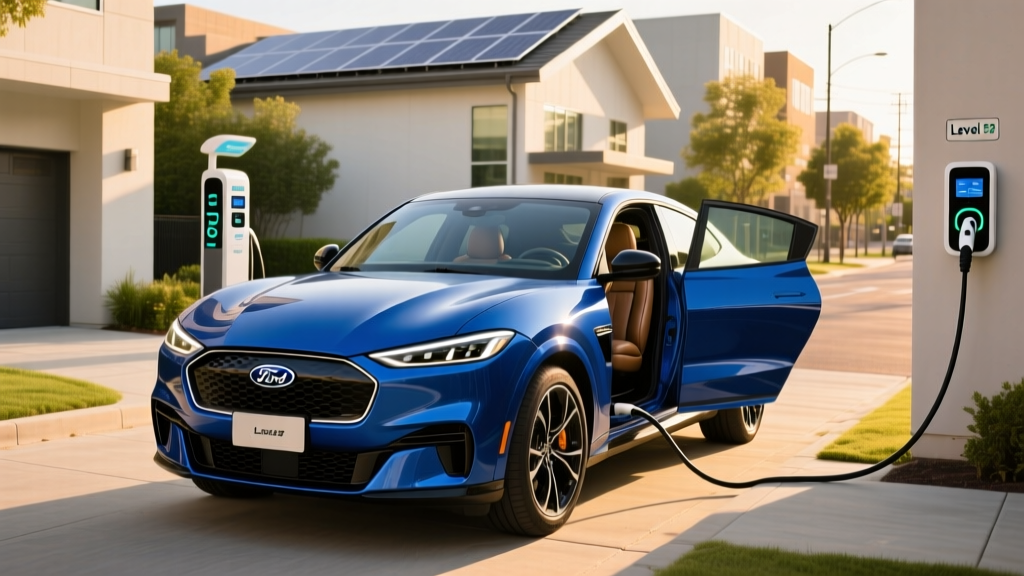
Ford's 2021 Mustang Mach-E was the Blue Oval's first serious battery-electric vehicle, and five years later it remains one of the most common models on the used EV market. If you're shopping for a 2021 Mustang Mach-E in 2026, you're likely weighing it against newer rivals like the Hyundai Ioniq 5, Tesla Model Y, and Volkswagen ID.4 — all of which have benefited from faster charging architectures and updated software. This review breaks down exactly what the first-model-year Mach-E delivers today, where it falls short, and whether the used-EV tax credit makes it a smart buy.
2021 Mach-E at a Glance: Core Specifications
| Spec | Select RWD (SR) | Premium RWD (ER) | GT (ER AWD) | GT Perf. Edition |
|---|---|---|---|---|
| EPA Range | 230 mi | 300 mi | 270 mi | 260 mi |
| Battery (usable) | 68 kWh (NMC) | 88 kWh (NMC) | 88 kWh (NMC) | 88 kWh (NMC) |
| Horsepower | 266 hp | 290 hp | 480 hp | 480 hp |
| 0–60 mph | 5.8 sec | 6.1 sec | 5.1 sec | 3.5 sec |
| Drivetrain | RWD (single motor) | RWD (single motor) | AWD (dual motor) | AWD (dual motor) |
| Max DC Fast Charge | 115 kW | 150 kW | 150 kW | 150 kW |
| 10–80% DCFC Time | ~38 min | ~45 min | ~45 min | ~45 min |
| EPA Efficiency | 101 MPGe | 104 MPGe | 90 MPGe | 87 MPGe |
| Original MSRP | $43,995 | $50,000 | $61,000 | $66,000 |
Real-World Range: What to Actually Expect
The 2021 Mach-E Premium Extended Range RWD carries a 300-mile EPA estimate — the highest of any first-year trim. In real-world driving, plan on 250–275 miles on mixed highway trips at 70 mph. In cold weather (below 32°F), expect a further 15–25% reduction, bringing usable range to roughly 200–230 miles before you'll want to find a charger.
The Standard Range battery (68 kWh usable) in the Select trim drops to 230 miles EPA, which translates to roughly 185–205 miles in real-world highway driving and as little as 150–170 miles in freezing conditions. The 2021 Mach-E does not include a heat pump — it uses resistive cabin heating, which is one of the larger energy draws in cold weather and a notable disadvantage versus the Hyundai Ioniq 5 or later Tesla Model Y.
According to EPA data at fueleconomy.gov, the Premium ER RWD achieves 104 MPGe combined (32 kWh/100 mi). The GT trims drop to 87–90 MPGe due to their dual-motor AWD powertrain and stickier summer tires. If your commute is mostly city driving with regenerative braking opportunities, you'll trend closer to or slightly above the EPA estimate.
Charging Speed: DC Fast Charging and Home Level 2
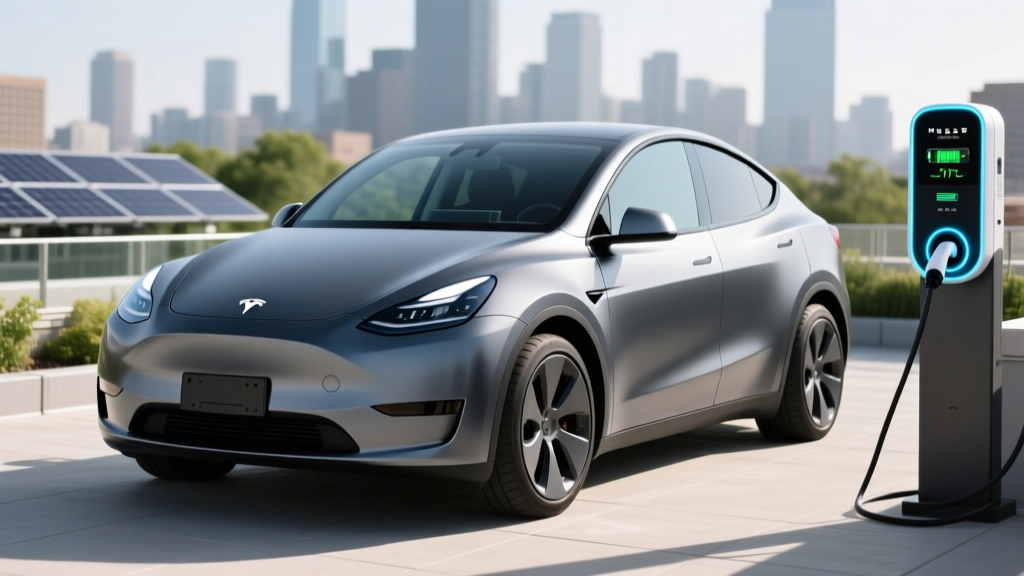
The 2021 Mach-E uses the CCS1 connector standard for DC fast charging. Ford equipped Extended Range models with a peak charge rate of 150 kW, while Standard Range models peak at 115 kW. These figures are modest by 2026 standards — the Ioniq 5 peaks at 240 kW and the Tesla Model Y at 250 kW on V3 Superchargers.
| Charging Level | Power / Voltage | Rate (mi/hr added) | Notes |
|---|---|---|---|
| Level 1 (120V household) | ~1.4 kW | ~3 mi/hr | Emergency/trickle only; ~30 hrs for full ER battery |
| Level 2 (240V home, 48A) | 10.5 kW (onboard charger) | ~30 mi/hr | Full charge in ~8–9 hrs (ER); Ford Mobile Power Cord included |
| DC Fast Charge (ER) | Peak 150 kW | ~520 mi/hr (peak) | 10–80% in ~45 min; tapers sharply above 80% |
| DC Fast Charge (SR) | Peak 115 kW | ~400 mi/hr (peak) | 10–80% in ~38 min; smaller battery = shorter session |
The charge curve on the 2021 Mach-E is the real story. While Ford advertises a 150 kW peak, sustained charging above 100 kW only occurs roughly between 15–55% State of Charge (SoC). Above 80%, the rate drops to under 40 kW — so if you're road-tripping, plan your stops around the 10–80% window and don't bother waiting for a full charge at a public DCFC station.
At home, the Mach-E's 10.5 kW onboard AC charger is competitive. A full Level 2 installation on a 60-amp circuit (48A continuous) will replenish the Extended Range battery overnight. Expect home charging installation costs between $500–$2,000 depending on whether your electrical panel needs an upgrade — always get a quote from a licensed electrician before committing.
Performance and Driving Dynamics
The GT Performance Edition's 3.5-second 0–60 mph time makes it genuinely quick — rivaling a Porsche Macan GTS. The standard GT does it in 5.1 seconds, and the single-motor RWD models are adequate at 5.8–6.1 seconds. All trims use NMC (nickel manganese cobalt) lithium-ion battery chemistry, which offers higher energy density than LFP but requires more careful thermal management and typically shows slightly more degradation over high-mileage ownership.
Ride quality is firm but composed, and the steering is heavier than you'd expect from a crossover — Ford clearly leaned into the "Mustang" branding. The GT's MagneRide adaptive dampers (standard on the Performance Edition) improve body control noticeably over rough pavement. One drawback: the 2021 model's brake pedal feel is inconsistent, a common complaint with early regen-blended braking systems. The friction brakes engage abruptly at low speeds, which takes some acclimation.
Interior, Cargo, and Technology
The 2021 Mach-E's cabin is dominated by a portrait-oriented 15.5-inch touchscreen running Ford's SYNC 4A infotainment system. The interface is responsive, supports wireless Apple CarPlay and Android Auto, and includes a physical volume knob integrated into the bottom of the screen — a practical touch. Over-the-air (OTA) updates have continued through 2025, adding features like Ford BlueCruise hands-free highway driving (available as a subscription or purchase on equipped models).
Cargo space measures 29.7 cubic feet behind the rear seats and 59.7 cubic feet with the rear seats folded. There's also a small front trunk (frunk) with 4.7 cubic feet of space, which includes a drain plug — useful as a cooler for tailgating. Rear legroom is 38.9 inches, adequate for adults but tighter than the Model Y's 40.5 inches.
BlueCruise is a SAE Level 2 driver-assistance system. It allows hands-free driving on pre-mapped divided highways, but you must remain attentive and ready to take over at all times. It is not self-driving. In 2026, BlueCruise coverage has expanded significantly, but it still requires a subscription after the initial trial period (typically $75/month or $800/year for the 2021 model's original plan).
Used Pricing and Federal Tax Credit Eligibility
As of early 2026, used 2021 Mustang Mach-E pricing typically falls in these ranges:
| Trim | Mileage Range | Typical Used Price | After Used EV Credit (max) |
|---|---|---|---|
| Select RWD (SR) | 35k–55k mi | $22,000–$26,000 | $18,000–$22,000 |
| Premium RWD (ER) | 30k–50k mi | $26,000–$32,000 | $22,000–$28,000 |
| GT (ER AWD) | 25k–45k mi | $32,000–$38,000 | $28,000–$34,000 |
| GT Perf. Edition | 20k–40k mi | $36,000–$42,000 | $32,000–$38,000 |
The used EV federal tax credit (IRS §25E, formerly §30D for new vehicles) can provide up to $4,000 or 30% of the sale price, whichever is lower, for qualifying pre-owned EVs. Key eligibility rules for the used credit:
- Vehicle price cap: Sale price must be $25,000 or less
- Buyer income caps: AGI must not exceed $75,000 (single), $112,500 (head of household), or $150,000 (joint) — per IRS guidelines
- Vehicle age: Must be at least 2 model years old (2021 qualifies in 2026)
- Dealer requirement: Must be purchased from a licensed dealer (private sales excluded)
- First transfer: Credit applies only on the first qualified resale after August 16, 2022
- One-time use: Each buyer can claim the credit once every 3 years
This means the Select and some Premium trims priced at or below $25,000 can qualify for the full $4,000 credit, bringing effective prices down significantly. GT trims typically exceed the $25,000 cap and will not qualify. Always verify eligibility with a tax professional before relying on the credit.
Battery Health, Warranty, and Longevity
Ford provides an 8-year/100,000-mile battery and powertrain warranty on the 2021 Mach-E, covering defects and capacity loss below 70% of original capacity. For a 2021 model, that warranty extends through the 2029 model year or 100,000 miles, whichever comes first — meaning most used examples still carry meaningful factory coverage.
NMC battery degradation data from early Mach-E owners suggests roughly 5–8% capacity loss over the first 50,000 miles, which is within industry norms. To maximize battery longevity:
- Set daily charge limits to 80% for NMC chemistry (reserve 100% for road trips)
- Avoid repeated DC fast charging in extreme heat without preconditioning
- Use the FordPass app to monitor State of Health (SoH) estimates
- Minimize prolonged storage above 90% SoC or below 10% SoC
Replacement battery costs for the Mach-E's Extended Range pack have been estimated at $15,000–$20,000 out of warranty, though few owners have needed replacements. As supply of refurbished and aftermarket packs grows through 2026, these costs are expected to moderate.
2021 Mach-E vs. Key Used EV Competitors
| Attribute | Mach-E Prem. ER RWD | Tesla Model Y LR (2021) | Hyundai Ioniq 5 (2022) | VW ID.4 Pro S (2021) |
|---|---|---|---|---|
| EPA Range | 300 mi | 326 mi | 303 mi | 260 mi |
| Max DCFC | 150 kW | 250 kW | 240 kW | 125 kW |
| 10–80% Time | ~45 min | ~27 min | ~18 min | ~38 min |
| Supercharger / NACS | CCS (adapter avail.) | Native NACS | CCS (adapter avail.) | CCS (adapter avail.) |
| Cargo (rear seats up) | 29.7 cu ft | 30.2 cu ft | 27.2 cu ft | 30.3 cu ft |
| Typical Used Price | $26k–$32k | $28k–$35k | $27k–$33k | $22k–$27k |
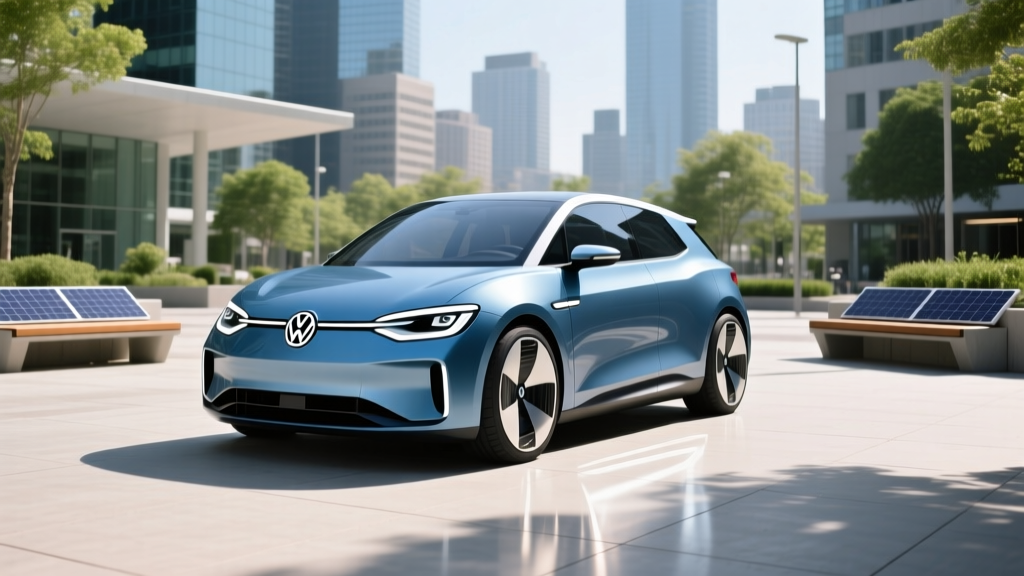
The Model Y charges significantly faster and has access to the full Tesla Supercharger network natively (though Ford now offers a NACS adapter for Mach-E owners). The Ioniq 5's 800V architecture delivers the fastest charging in this group but came a year later, so used supply is tighter. The ID.4 is the value pick but trails on range and charging speed.
Pros, Cons, and Who Should Buy
- Up to 300 miles EPA range (Premium ER)
- Spacious, well-built interior with large SYNC 4A screen
- Competitive used pricing; eligible for $4,000 used EV credit
- Frunk with drain plug; strong cargo versatility
- Remaining factory battery warranty through 2029
- BlueCruise available for hands-free highway driving
- 150 kW max DCFC is slow by 2026 standards (~45 min 10–80%)
- No heat pump — significant cold-weather range penalty
- Inconsistent brake pedal feel (regen blending)
- NACS adapter required for Tesla Supercharger access
- GT trims exceed $25k used credit price cap
- First-year model: early build-quality quirks reported
- Daily commuters with home Level 2 charging who rarely exceed 200 miles round-trip
- Small families needing cargo space and rear-seat comfort without SUV bulk
- Budget-conscious EV buyers who can capture the $4,000 used tax credit on a Select or Premium SR
- Less ideal for: frequent long-distance road trippers (slow DCFC), cold-climate drivers (no heat pump), or buyers wanting native Supercharger access
Frequently Asked Questions
What is the real-world range of the 2021 Mustang Mach-E?
The Premium Extended Range RWD is EPA-rated at 300 miles. Real-world highway driving at 70 mph yields roughly 250–275 miles in mild weather and 200–230 miles in freezing conditions. Standard Range models deliver roughly 185–205 miles on the highway.
How fast does the 2021 Mach-E charge at home and on the road?
On a Level 2 home charger (240V, 48A), the Mach-E adds about 30 miles of range per hour and fully charges overnight. DC fast charging peaks at 150 kW (Extended Range), taking approximately 45 minutes from 10–80%. Charging slows significantly above 80% SoC.
Does the 2021 Mustang Mach-E qualify for a federal tax credit?
As a used vehicle in 2026, the Mach-E may qualify for the IRS §25E used clean vehicle credit of up to $4,000, provided the sale price is $25,000 or less, buyer income is within limits, and the purchase is through a licensed dealer. GT trims typically exceed the price cap. Consult a tax professional and review IRS used vehicle credit rules for your situation.
Is the 2021 Mach-E worth buying over a Tesla Model Y or Ioniq 5?
The Mach-E is worth considering if you prioritize interior build quality, a lower used price, and the $4,000 used EV credit. However, the Model Y charges nearly twice as fast and has native Supercharger access, while the Ioniq 5 offers even faster 800V charging. If road-trip charging speed is a priority, the Mach-E trails both rivals.
What should I check before buying a used 2021 Mach-E?
Request a battery health report via FordPass or a dealer diagnostic scan showing current State of Health (SoH). Verify remaining warranty coverage (8 years/100,000 miles from original in-service date). Check for any open recalls — the 2021 model year had a high-voltage battery contactor recall that Ford addressed via software update and, in some cases, hardware replacement. Confirm the vehicle has received all available OTA updates.
Can I use Tesla Superchargers with a 2021 Mach-E?
Yes, but you'll need Ford's NACS charge adapter, which Ford began offering to Mach-E owners. With the adapter, you can access V3 Superchargers (up to the Mach-E's 150 kW limit). The CCS-to-NACS adapter adds a minor convenience cost but significantly expands your DC fast-charging network options.