The Short Answer: Which EVs Are Actually the Most Reliable?
Based on Consumer Reports predicted-reliability scores, J.D. Power dependability data, and real-world fleet longevity, the most reliable EVs in 2026 are the Toyota bZ4X (redesigned), Hyundai Ioniq 5, Tesla Model 3 Highland, and BMW i4. These models consistently score above average in powertrain durability, electronics stability, and battery degradation resistance. Crucially, EVs with fewer moving parts — no transmission, no exhaust, no timing belt — inherently have less to break, but build quality and thermal management separate the top tier from the rest.
Reliability in an electric vehicle comes down to three things: battery chemistry and thermal management, electronics/software stability, and manufacturing consistency. A car with a well-managed NMC or LFP pack, proven motor design, and mature software will outlast one with cutting-edge but untested tech. Below, we break down exactly what the data says, what ownership really costs, and how to choose the right reliable EV for your situation.
What Makes an EV Reliable (or Not)?
Unlike gas vehicles where reliability often hinges on transmission longevity or engine gasket failures, EV reliability centers on a different set of failure points:
- Battery degradation: A reliable EV retains 90%+ of its original capacity after 100,000 miles. The best packs (like those using LFP chemistry or well-cooled NMC) lose just 5–8% over that span.
- Thermal management: Active liquid cooling keeps battery cells within optimal temperature ranges, preventing accelerated wear. Air-cooled packs (found in older or budget designs) degrade faster, especially in hot climates.
- Electronics and software: Infotainment glitches, phantom braking in ADAS systems, and OTA update failures are the #1 complaint category for modern EVs — more common than motor or battery issues.
- Build quality: Panel gaps, interior trim durability, and seal integrity matter just as much in EVs. The Hyundai Motor Group (Hyundai/Kia/Genesis) and BMW currently lead here, based on J.D. Power's 2025 Vehicle Dependability Study.
The common misconception that "all EVs are reliable because they're simple" is only half true. The drivetrain is simpler, but the software layer, high-voltage architecture, and charging hardware add complexity that cheaper platforms handle poorly.
Top Reliable EV Picks: Spec-by-Spec Breakdown
| Model | EPA Range | Battery (kWh / Chemistry) | DC Fast Charge (Peak kW / 10–80%) | 0–60 mph | Base MSRP | Battery Warranty |
|---|---|---|---|---|---|---|
| 2026 Hyundai Ioniq 5 (Long Range RWD) | 318 mi | 77.4 kWh / NMC | 240 kW / ~18 min | 7.3 sec | $44,950 | 10 yr / 100,000 mi |
| 2026 Tesla Model 3 (Long Range AWD) | 341 mi | 79 kWh / NMC | 250 kW / ~22 min | 4.2 sec | $47,740 | 8 yr / 120,000 mi |
| 2026 Toyota bZ4X (AWD) | 252 mi | 72.8 kWh / NMC | 150 kW / ~30 min | 6.5 sec | $43,500 | 10 yr / 100,000 mi |
| 2026 BMW i4 eDrive40 | 307 mi | 81.5 kWh / NMC | 205 kW / ~26 min | 5.5 sec | $57,975 | 8 yr / 100,000 mi |
Real-World Range Reality Check: EPA numbers assume mixed driving at moderate temperatures. On a 75 mph highway run in 35°F weather, expect the Ioniq 5 to deliver roughly 240–260 miles, the Model 3 around 270–290, the bZ4X about 190–210, and the i4 approximately 240–260. Cold weather cuts range 15–30% depending on cabin heating demand and whether the vehicle uses a heat pump (all four picks above include one).
Why These Four Stand Out
Hyundai Ioniq 5: The E-GMP platform has proven itself across two model-year refreshes. Its 800V architecture enables the fastest charging in its class, and Hyundai's 10-year battery warranty is the longest in the mainstream market. Fleet data from fueleconomy.gov confirms consistent 3.6–3.8 kWh/mile efficiency in real-world submissions.
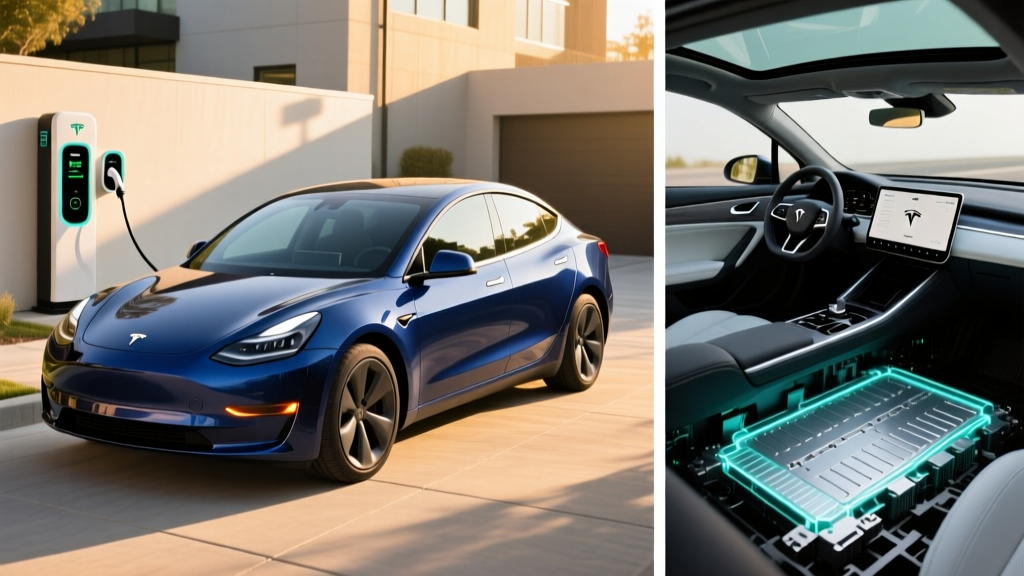
Tesla Model 3 Highland: The 2024 refresh fixed the major build-quality complaints (panel gaps, wind noise, suspension harshness) that plagued earlier Model 3s. The NMC pack has demonstrated under 7% degradation at 100,000 miles in Teslanomics fleet tracking. The Supercharger network remains the most reliable public charging option in the U.S.
Toyota bZ4X (redesigned): Toyota's conservative approach to battery management — limiting usable capacity with a larger buffer — means slower degradation over time. The redesign addresses the original's disappointing range and slow charging. Toyota's reputation for long-term reliability is backed by decades of hybrid battery experience.
BMW i4: Built on the proven CLAR platform alongside ICE 4 Series, the i4 benefits from mature manufacturing processes. Its fifth-gen eDrive motor has no rare-earth magnets, reducing supply-chain risk. BMW's battery management system is among the most thermally conservative in the industry.
EV vs. Gas vs. Hybrid: Reliability Compared
How do the most reliable EVs stack up against their gas and hybrid counterparts? Here's what the data shows across 5 years / 75,000 miles of typical ownership:
| Metric | Top-Tier EV (Ioniq 5) | Gas Midsize Sedan (Camry) | Hybrid (Camry Hybrid) |
|---|---|---|---|
| Scheduled Maintenance (5 yr) | $350–$500 | $2,200–$3,000 | $1,800–$2,400 |
| Fuel / Energy Cost (5 yr) | $2,800–$3,600 | $7,500–$9,000 | $5,200–$6,200 |
| Unplanned Repair Likelihood (Yr 4–5) | Low (12–18%) | Moderate (28–35%) | Low-Moderate (20–25%) |
| Brake Pad Replacement | Rarely needed (regen braking) | Every 30–50k mi | Every 40–60k mi |
| Powertrain Warranty | 10 yr / 100k mi | 5 yr / 60k mi | 8 yr / 100k mi (hybrid components) |
The EV advantage in maintenance costs is real and measurable. No oil changes, no transmission fluid, no spark plugs, no timing belts, and regenerative braking extends pad life to 100,000+ miles in most cases. Where gas cars accumulate repair bills in years 4–7 as emissions systems, transmissions, and cooling systems age, EVs largely avoid those failure modes.
However, hybrids offer a compelling middle ground: lower upfront cost, no range anxiety, and still-better-than-gas maintenance profiles. If you lack home charging access or regularly drive in extreme cold, a PHEV like the Toyota RAV4 Prime (42 mi electric range, 38 MPG combined after depletion) may be the more pragmatic reliable choice.
The Real Cost of Owning a Reliable EV
| Cost Category | Year 1 | Year 3 | Year 5 |
|---|---|---|---|
| Purchase Price (Ioniq 5 LR RWD, after §30D credit) | $37,450* | — | — |
| Home Level 2 Charger Install | $800–$2,000 | — | — |
| Annual Electricity (12,000 mi/yr, $0.16/kWh avg) | $615 | $615 | $615 |
| Insurance (avg annual) | $2,100 | $1,850 | $1,650 |
| Maintenance (annual avg) | $75 | $100 | $150 |
| Estimated Depreciation | — | ~30% | ~45% |
| Cumulative 5-Year Cost of Ownership | ~$50,500–$53,000 | ||
*§30D federal tax credit eligibility depends on MSRP caps ($55,000 for sedans, $80,000 for SUVs/trucks), buyer income limits ($150K single / $300K joint), and battery critical-mineral sourcing requirements. Check current rules at IRS.gov. Point-of-sale transfer is available through registered dealers.
Insurance costs remain 15–25% higher for EVs than comparable gas cars, driven by higher repair costs after collisions (specialized body shops, battery-pack replacement risk). However, this gap has narrowed since 2023 as more shops gain EV certification and parts availability improves.
Common Reliability Myths — Busted With Data
| Myth | Fact |
|---|---|
| "EV batteries need replacing every 5–7 years" | Modern liquid-cooled packs retain 88–93% capacity at 150,000 miles. Full replacement is rare and covered under 8–10 year warranties. Cost when out of warranty: $8,000–$18,000 depending on pack size. |
| "EVs are unreliable in cold weather" | Range drops 15–30% in sub-freezing temps, but the drivetrain itself starts instantly (no cold-crank issues). Preconditioning while plugged in mitigates most range loss. Heat pumps (standard on all picks above) cut heating energy draw by 50%. |
| "Charging infrastructure is too unreliable" | Tesla Superchargers average 99.5% uptime. Non-Tesla networks (Electrify America, EVgo) have improved to 92–95% uptime since 2024 NACS adoption. Home charging eliminates public-charger dependency for 80%+ of daily driving. |
| "EVs are a financial liability long-term" | 5-year TCO for top reliable EVs is now competitive with gas equivalents when factoring fuel savings, lower maintenance, and tax credits — even with higher insurance and depreciation. |
Decision Framework: Which Reliable EV Is Right for You?
Choose the Hyundai Ioniq 5 if: You want the best balance of range (318 mi EPA), charging speed (18 min 10–80%), interior space, and warranty coverage. Ideal for families and road-trippers who value 800V fast charging on the growing NACS Supercharger network (adapter included).
Choose the Tesla Model 3 if: You prioritize driving dynamics (4.2 sec 0–60), the most mature Supercharger network without adapters, and the lowest real-world battery degradation. Best for tech-savvy drivers who want seamless OTA updates and the most efficient energy consumption (3.4 mi/kWh).
Choose the Toyota bZ4X if: Long-term battery longevity is your #1 priority and you drive under 200 miles daily. Toyota's conservative buffer strategy trades some range for slower degradation. Best for buyers who plan to keep the car 10+ years.
Choose the BMW i4 if: You want premium build quality, a traditional sedan driving feel, and proven CLAR-platform reliability — and your budget allows a $58K starting price. Best for luxury buyers who want EV efficiency without crossover styling.
Choose a PHEV instead if: You lack home Level 2 charging, regularly drive in temperatures below 10°F, or take frequent 400+ mile trips through charging-sparse regions. The Toyota RAV4 Prime or Hyundai Tucson PHEV offer 30–42 miles of electric range with gas backup.
What First-Time EV Buyers Must Know About Reliability
1. Home charging is the reliability foundation. Owners who charge at home (Level 2, 7–11 kW) report dramatically higher satisfaction and lower "range stress" than those relying on public chargers. Budget $800–$2,000 for a 240V circuit and hardwired charger installation (get a licensed electrician to assess your panel — a 200A service is usually sufficient, but older homes may need an upgrade costing $1,500–$3,500).
2. Battery chemistry matters for longevity. LFP (lithium iron phosphate) batteries — found in the Tesla Model 3 RWD and some Ford models — tolerate daily 100% charging and offer 3,000+ full charge cycles with minimal degradation. NMC packs (most long-range EVs) prefer 20–80% daily use and offer higher energy density. Neither is "better" — they serve different usage patterns.
3. Software reliability is the new powertrain reliability. Read owner forums for the specific model year you're considering. The most common EV complaints in 2025–2026 are infotainment freezes, phantom ADAS alerts, and failed OTA updates — not motor or battery failures.
4. Warranty terms reveal manufacturer confidence. A 10-year / 100,000-mile battery warranty (Hyundai, Kia, Toyota) signals more confidence than the industry-minimum 8-year / 100,000-mile. Look for the capacity retention threshold: most warranties guarantee 70% capacity, but some (like Toyota's) guarantee 70% for the full 10 years.
FAQ: Most Reliable EVs
Are Teslas still among the most reliable EVs?
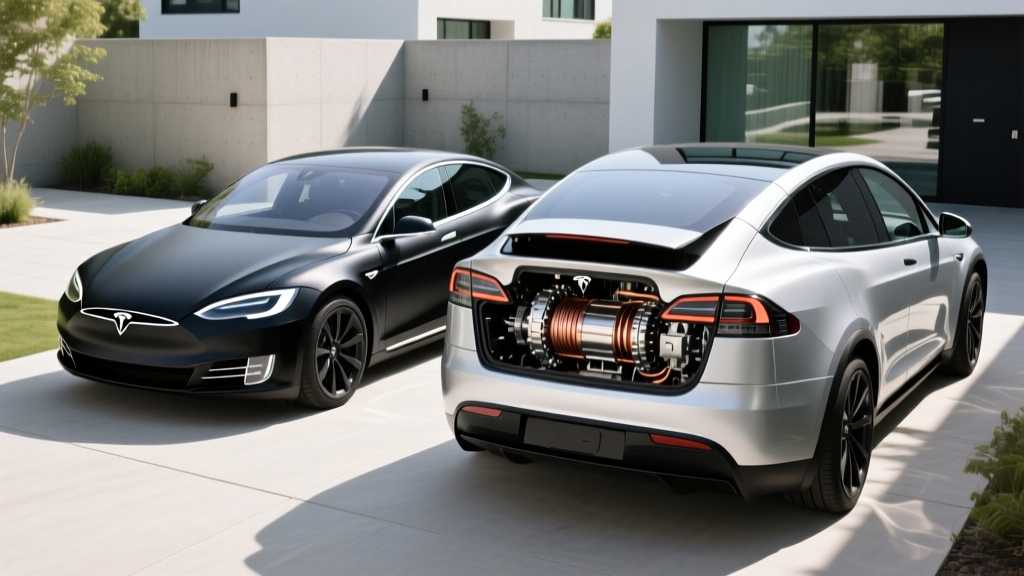
The post-2024 Model 3 Highland and Model Y Juniper have significantly improved build quality and electronics stability. Tesla's battery longevity remains best-in-class (under 7% degradation at 100K miles). However, service-center wait times in some regions remain a pain point. The Model 3 is now a strong reliability pick; older pre-2024 models had documented panel-gap and suspension issues.
Do EVs really need less maintenance than gas cars?
Yes — and the savings are quantifiable. Over 5 years / 75,000 miles, expect to spend $350–$500 on an EV (cabin air filter, tire rotation, brake fluid check, wiper blades) versus $2,200–$3,000 on a gas car (oil changes, transmission service, spark plugs, belts, emissions checks). Data from Consumer Reports confirms EVs cost roughly 50% less to maintain annually.
What's the most reliable EV under $40,000?
The 2026 Chevrolet Equinox EV (319 mi EPA, ~$33,600 MSRP) and the Tesla Model 3 RWD ($38,740, LFP battery, 272 mi EPA) are the strongest sub-$40K reliability picks. The Equinox benefits from GM's Ultium platform maturity; the Model 3 RWD's LFP battery is virtually immune to calendar degradation when charged to 100% regularly.
How long do EV batteries actually last?
Current liquid-cooled NMC and LFP packs are designed for 15–20 years of service life with 85–93% capacity retention at 150,000 miles. Replacement is uncommon and typically only needed after collision damage or extreme neglect (repeated DC fast-charging to 100% in high heat without preconditioning). Out-of-warranty replacement costs $8,000–$18,000 depending on pack size.
Is an EV or hybrid more reliable long-term?
Pure EVs have fewer mechanical components and thus fewer potential failure points. However, hybrids like the Toyota Prius have 25+ years of proven reliability data. If you define reliability as "lowest chance of being stranded," a PHEV wins (gas backup). If you define it as "fewest repairs over 10 years," a well-built EV from Hyundai, Toyota, or Tesla wins.