Quick Verdict: Is a Used Tesla Model 3 Still the Smartest EV Bargain?
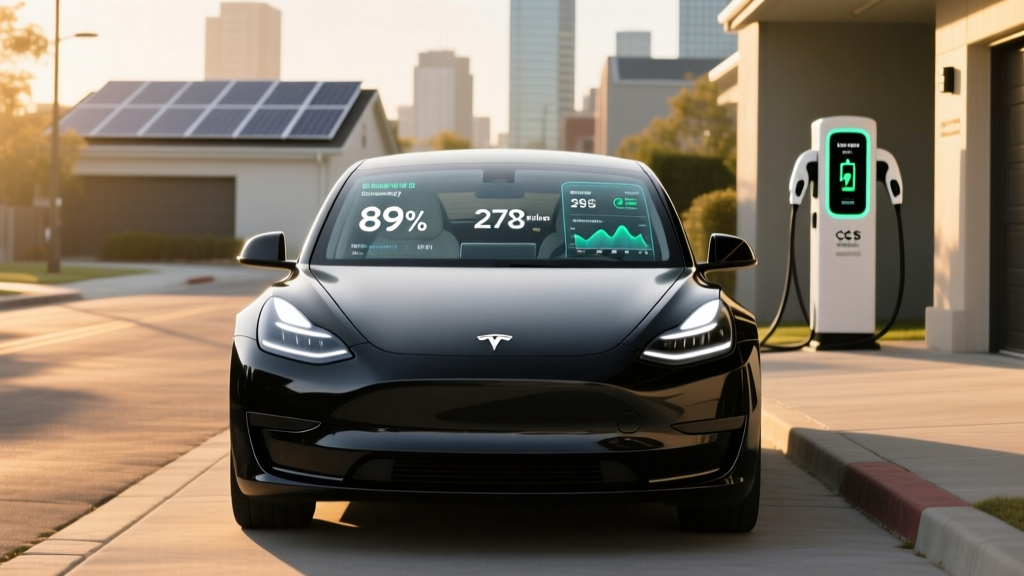
The Tesla Model 3 remains the benchmark compact electric sedan even as it enters its second major refresh cycle. On the used market, a Model 3 second hand can be acquired for well under $30,000 depending on year and trim, making it one of the most accessible long-range EVs available. The Highland refresh (2024+) brought meaningful improvements in ride quality, cabin noise, and interior materials, while pre-2024 models offer even steeper discounts. The question isn't whether the Model 3 is a good car — it is — but whether the specific used example you're eyeing has a healthy battery, active warranty, and the charging capability you need.
This guide covers every model year you'll encounter on the second-hand market (2018–2025), with exact specs, real-world range expectations, battery chemistry differences, and the tax-credit rules that can knock $4,000 off a qualifying used purchase.
Model 3 Generations on the Used Market: What You're Actually Shopping
The used Model 3 landscape splits into three distinct generations. Understanding which generation you're looking at determines battery chemistry, range, charging speed, and interior quality.
| Generation | Model Years | Key Identifier | Battery Chemistry |
|---|---|---|---|
| Pre-Refresh (original) | 2018–2020 | Chrome trim, physical gear selector stalk | NMC (2170 cells) |
| Mid-Refresh | 2021–2023 | Black chrome delete, heat pump standard | NMC (Long Range/Perf) or LFP (RWD) |
| Highland Refresh | 2024–2025 | New headlights, ventilated seats, ambient lighting, no stalks | LFP (RWD) or NMC (Long Range AWD) |
Critical distinction: Starting late 2021, Tesla introduced LFP (lithium iron phosphate) batteries in the Standard Range/RWD trims built at Giga Shanghai and later Giga Texas. LFP cells offer longer cycle life and can be charged to 100% daily without degradation concerns, but they sacrifice roughly 15–20% energy density compared to NMC. If you're buying a used RWD Model 3 from 2022 onward, you likely have LFP. Long Range and Performance trims retained NMC across all years.
Real-World Range: EPA Sticker vs. What You'll Actually Get
EPA estimates are measured under controlled conditions. In real-world highway driving at 70–75 mph, expect 10–15% less than the EPA sticker. In freezing temperatures (below 32°F), range drops an additional 20–30% due to cabin heating demand and reduced battery efficiency — even with the heat pump introduced in 2021.
| Trim / Year | EPA Range | Battery (Usable kWh) | Real-World Highway (70 mph) | Cold Weather Estimate (20°F) |
|---|---|---|---|---|
| Long Range AWD (2024–2025) | 341 mi | ~79 kWh NMC | ~290–305 mi | ~230–260 mi |
| Long Range AWD (2021–2023) | 334 mi | ~77 kWh NMC | ~285–300 mi | ~225–255 mi |
| RWD / LFP (2022–2025) | 272 mi | ~57.5 kWh LFP | ~230–245 mi | ~180–210 mi |
| Performance (2024–2025) | 315 mi | ~79 kWh NMC | ~270–285 mi | ~215–245 mi |
| Standard Range Plus (2019–2020) | 250 mi | ~52 kWh NMC | ~215–225 mi | ~170–195 mi |
According to fueleconomy.gov, the 2024 Model 3 Long Range AWD achieves 131 MPGe combined (25 kWh/100 mi). The RWD LFP variant rates at 132 MPGe combined (26 kWh/100 mi). These are among the most efficient EVs in their class, which directly translates to lower charging costs and more usable range per kWh of battery.
Buying tip: When evaluating a second-hand Model 3, check the battery State of Health (SoH) via the Tesla service menu or third-party tools like TeslaFi or Stats. Most 3-year-old Model 3 batteries show 90–94% SoH, meaning a 334-mile EPA car may now deliver ~300–315 miles when new-equivalent. Anything below 88% SoH on a 3-year-old car warrants caution.
Charging Speed: DC Fast Charging and Home Level 2
Charging speed is where model year matters enormously. Pre-2021 Model 3s lack a heat pump, meaning DC fast charging in cold weather is noticeably slower without adequate battery preconditioning. The Highland refresh (2024+) improved peak charge rates modestly.
| Generation | Max DC Fast Charge | 10–80% Time | Level 2 Home (kW) | Level 2 Miles/Hour |
|---|---|---|---|---|
| Highland LR AWD (2024+) | 250 kW peak | ~25 min (preconditioned) | 11.5 kW (48A) | ~44 mi/hr |
| Mid-Refresh LR (2021–2023) | 250 kW peak | ~27 min (preconditioned) | 11.5 kW (48A) | ~44 mi/hr |
| RWD / LFP (2022–2025) | 170 kW peak | ~25 min (preconditioned) | 11.5 kW (48A) | ~44 mi/hr |
| Pre-Refresh (2018–2020) | 195 kW peak (V3 SC) | ~30 min (preconditioned) | 11.5 kW (48A) | ~44 mi/hr |
Charging-curve reality: The 250 kW peak on Long Range models is sustained only between roughly 10–30% State of Charge (SoC). Above 50%, the rate tapers significantly — by 80%, you're pulling roughly 50–70 kW. This is why the 10–80% time is the meaningful metric, not peak kW. LFP models peak lower (170 kW) but maintain a flatter curve, so their 10–80% time is competitive despite the lower peak.
All Model 3s use the NACS (North American Charging Standard) connector natively, giving direct access to the Tesla Supercharger network — the most reliable and extensive DC fast-charging network in the US, with over 6,000 stations. No adapter needed. For home charging, a Tesla Wall Connector on a 60-amp circuit delivers the full 11.5 kW, adding roughly 44 miles of range per hour of charging.
Preconditioning is essential: Navigate to a Supercharger via the car's built-in navigation, and the battery will automatically warm to optimal charging temperature. Arriving at a Supercharger without preconditioning in cold weather can double your charge time. Always route through nav — even if you know the way.
Performance, Efficiency, and Practicality Specs
| Spec | RWD (LFP) | Long Range AWD | Performance AWD |
|---|---|---|---|
| 0–60 mph | 5.8 sec | 4.2 sec | 2.9 sec |
| Horsepower | 271 hp | 346 hp | 510 hp |
| Drivetrain | RWD (single motor) | AWD (dual motor) | AWD (dual motor) |
| MPGe (combined) | 132 MPGe | 131 MPGe | 119 MPGe |
| kWh/100 mi | 26 | 25 | 28 |
| Cargo (trunk + frunk) | 23 cu ft | 23 cu ft | 23 cu ft |
| Rear Legroom | 35.2 in | 35.2 in | 35.2 in |
| Curb Weight | 3,862 lbs | 4,034 lbs | 4,065 lbs |
The Model 3's 23 cubic feet of total cargo space (19.8 cu ft trunk + 3.1 cu ft frunk) is competitive with midsize sedans, though the trunk opening is a conventional sedan lid, not a hatchback — limiting bulk cargo compared to a Model Y. Rear legroom at 35.2 inches is adequate for adults under 6 feet but tight for taller passengers on long trips.
Pricing a Model 3 Second Hand: What You'll Actually Pay
Used Model 3 prices have dropped significantly since 2022, reflecting both Tesla's aggressive new-car price cuts and a growing supply of off-lease vehicles. Here's what the second-hand market looks like in early 2026:
| Year / Trim | Mileage Range | Typical Price | Used EV Tax Credit Eligible? |
|---|---|---|---|
| 2018–2019 Long Range AWD | 50,000–80,000 mi | $17,000–$22,000 | Yes — up to $4,000 (§25E) |
| 2020–2021 Standard Range Plus | 35,000–60,000 mi | $19,000–$24,000 | Yes — up to $4,000 (§25E) |
| 2022–2023 Long Range AWD | 15,000–40,000 mi | $26,000–$32,000 | Yes — up to $4,000 (§25E) |
| 2022–2023 RWD (LFP) | 15,000–35,000 mi | $22,000–$27,000 | Yes — up to $4,000 (§25E) |
| 2024 Long Range AWD (Highland) | 5,000–20,000 mi | $34,000–$40,000 | Yes — up to $4,000 (§25E) |
Federal used-EV tax credit (§25E): The IRS used clean vehicle credit provides 30% of the sale price, up to $4,000, for qualifying used EVs. Key requirements:
- Price cap: The sale price must be $25,000 or less (this eliminates most 2022+ Long Range and all Highland models from the credit).
- Vehicle age: The model year must be at least 2 years older than the calendar year of purchase (so in 2026, model year 2024 or older qualifies).
- Buyer income cap: Modified AGI must not exceed $75,000 (single), $112,500 (head of household), or $150,000 (joint).
- Dealer sale required: Must be purchased from a licensed dealer, not a private party.
- First transfer: The credit can only be claimed once per vehicle after August 16, 2022.
Practical implication: A 2021 Model 3 Standard Range Plus priced at $22,000 from a dealer qualifies for the full $4,000 credit (30% of $22,000 = $6,600, capped at $4,000), bringing your effective cost to $18,000. This is the sweet spot of the used Model 3 market. A 2023 Long Range at $29,000 exceeds the $25,000 cap and gets no credit — a frustrating gap in the legislation.
Note: The new-vehicle §30D credit ($7,500) does not apply to used purchases. Consult a tax professional to confirm your eligibility — income limits and vehicle qualification rules are subject to change per irs.gov.
Warranty Coverage on a Used Model 3
Tesla's warranty is attached to the vehicle, not the original owner, and transfers automatically. Here's what remains on a second-hand Model 3:
| Component | Coverage | Expires (from original in-service date) |
|---|---|---|
| Basic Vehicle (bumper-to-bumper) | 4 years / 50,000 mi | ~2028 for 2024 models |
| Battery (Long Range/Performance) | 8 years / 120,000 mi, ≥70% retention | ~2032 for 2024 models |
| Battery (RWD) | 8 years / 100,000 mi, ≥70% retention | ~2032 for 2024 models |
| Drive Unit(s) | 8 years / 120,000 mi (LR/Perf) or 100,000 mi (RWD) | Same as battery |
What the battery warranty actually covers: Tesla guarantees the battery will retain at least 70% of its original capacity during the warranty period. If your 82 kWh Long Range battery drops below ~57 kWh of usable capacity, Tesla will repair or replace it. In practice, Model 3 battery degradation has proven modest — most 100,000-mile batteries retain 88–92% of original capacity, well above the warranty threshold.
Out-of-warranty replacement cost: If you buy a high-mileage 2018–2019 Model 3 and eventually need a battery replacement, expect $12,000–$16,000 at a Tesla Service Center (parts + labor). This is a real cost to factor into total cost of ownership for older examples.
Standout Tech, Driver Assistance, and Notable Drawbacks
Every Model 3 ships with Tesla's 15.4-inch center touchscreen running Tesla's proprietary software, which handles navigation, media, climate, and vehicle settings. There is no Apple CarPlay or Android Auto — a dealbreaker for some buyers accustomed to phone-mirroring interfaces. The navigation system is excellent, with integrated Supercharger routing and battery preconditioning.
Autopilot (included): Basic Autopilot provides adaptive cruise control and lane-centering on highways. It is an SAE Level 2 driver-assistance system — you must keep your hands on the wheel and eyes on the road at all times. It is not self-driving.
Full Self-Driving (Supervised), a $8,000 add-on (or $99/month subscription as of 2025), adds automatic lane changes, traffic-light recognition, and city-street navigation. Despite the name, FSD is still SAE Level 2. The driver is legally responsible for all vehicle operation. It does not make the car autonomous. Do not pay a used-car premium for FSD expecting a self-driving vehicle.
Highland improvements (2024+): The refresh added ventilated front seats, ambient interior lighting, rear passenger touchscreen, significantly improved sound insulation, and a retuned suspension that eliminates the harsh ride quality that plagued 2018–2023 models. If ride comfort is a priority, the Highland is meaningfully better.
- Class-leading efficiency (25–28 kWh/100 mi)
- Supercharger network access (no adapter needed)
- Over-the-air updates continuously add features
- LFP battery option allows daily 100% charging without degradation worry
- Strong resale value relative to other used EVs
- Excellent safety ratings (IIHS Top Safety Pick+ for 2024)
- No Apple CarPlay / Android Auto
- Rear seat is tight for tall adults (35.2" legroom)
- Pre-2024 models have firm, noisy ride quality
- Turn-signal buttons on steering wheel (Highland) are divisive
- Insurance costs 15–25% above segment average
- No hatchback — trunk opening limits cargo versatility
Model 3 Second Hand vs. Key Competitors
The used Model 3 competes against several compelling alternatives in the $20,000–$35,000 range:
| Vehicle | EPA Range | Used Price (2022–2023) | DC Fast Charge | Key Advantage vs. Model 3 |
|---|---|---|---|---|
| Hyundai Ioniq 6 (2023) | 361 mi | $28,000–$34,000 | 240 kW (800V) | Faster charging, more rear room |
| BMW i4 eDrive40 (2022) | 301 mi | $33,000–$38,000 | 200 kW | Premium interior, CarPlay |
| Polestar 2 LR SM (2022) | 270 mi | $24,000–$29,000 | 150 kW | Hatchback cargo, Google built-in |
| Chevrolet Bolt EUV (2023) | 247 mi | $18,000–$22,000 | 55 kW | Lowest price, compact crossover |
The Model 3's edge remains the Supercharger network, efficiency, and software ecosystem. The Ioniq 6 charges faster on non-Tesla networks (800V architecture), the i4 offers a luxury experience, and the Bolt EUV is the budget king. But for total ownership simplicity — charging, updates, service infrastructure — the Model 3 is unmatched in this price bracket.
Who Should Buy a Model 3 Second Hand?
Ideal for: Daily commuters with home charging access who want a long-range, efficient sedan with minimal charging hassle. The Supercharger network makes road trips genuinely easy. The RWD LFP model is the best value for commuters who can charge to 100% nightly. Long Range AWD suits those in colder climates or who take regular 200+ mile trips.
Not ideal for: Families needing rear-facing car seats (the rear door opening is narrow), frequent heavy-cargo haulers (sedan trunk, not a hatch), or buyers who prioritize Apple CarPlay integration. If you tow — the Model 3 is not rated for towing in the US market.
- Choose a 2019–2021 Long Range AWD ($19K–$25K) if you want maximum range per dollar and don't mind the pre-refresh interior.
- Choose a 2022–2023 RWD LFP ($22K–$27K) if you commute under 100 miles daily, want the longest battery cycle life, and plan to charge to 100% regularly.
- Choose a 2024 Highland Long Range ($34K–$40K) if ride comfort, cabin quietness, and modern interior matter — you'll pay a premium but get a meaningfully refined car.
- Avoid 2018 models unless priced below $16,000 — the earliest builds had more panel-gap issues, no heat pump, and smaller batteries.
Frequently Asked Questions
What is the real-world range of a used Tesla Model 3?
A 2022 Long Range AWD with ~30,000 miles and ~93% battery SoH will deliver roughly 290–310 miles on a full charge in mild weather at mixed speeds. Highway-only driving at 75 mph drops this to ~270–285 miles. In freezing temperatures, expect 220–250 miles. The RWD LFP variant delivers roughly 230–245 miles real-world in mild conditions.
How fast does a used Model 3 charge at home and on the road?
On a home Level 2 charger (Tesla Wall Connector, 11.5 kW / 48A), all Model 3s add approximately 44 miles of range per hour — a full overnight charge from 20% to 80% takes roughly 7–8 hours. On a V3 Supercharger (250 kW), a Long Range model charges from 10–80% in about 25–27 minutes when preconditioned. LFP RWD models peak at 170 kW and take roughly 25 minutes for the same session due to their smaller battery.
Does a used Model 3 qualify for any federal tax credit?
Yes — but only the used-EV credit (§25E), not the new-vehicle §30D credit. The used credit provides up to $4,000 (30% of sale price), but the vehicle must be sold for $25,000 or less, be at least 2 model years old, and the buyer must meet income caps ($75K single / $150K joint). This means 2018–2021 models priced at or below $25,000 qualify. Most 2022+ models exceed the price cap. Verify current rules at irs.gov.
How do I check battery health on a used Model 3 before buying?
Request a screenshot of the battery health from Tesla's service diagnostics (available at any Service Center for free). Alternatively, use apps like TeslaFi or Stats, which calculate SoH from charging data over time. Look for ≥90% SoH on vehicles under 50,000 miles. Also check if the car has had any battery-related service visits via the vehicle's service history.
Is a used Model 3 worth it vs. a new EV in 2026?
A 2021 Long Range at ~$23,000 (after the $4,000 used credit) delivers 334 miles of EPA range, Supercharger access, and excellent efficiency for less than half the price of a new Model 3 Long Range ($47,740 MSRP). If you can accept a slightly older interior and can verify battery health, the value proposition is outstanding. Buy new only if you want the full Highland experience, the latest warranty, and don't mind the ~$25,000 premium.
Are there any common problems with used Model 3s?
Early models (2018–2019) had reports of panel gaps, paint chips, and suspension noise — most addressed under warranty. The pre-2021 lack of a heat pump means reduced cold-weather range and slower cold-weather charging. 2021+ models with the heat pump are significantly better in winter. Phantom braking with Autopilot has been reported across all years; this is a known Level 2 system limitation, not a defect. Overall, the Model 3 has proven mechanically reliable with few major failure points beyond the 12V battery (now a lithium-ion unit in 2022+ models).