Quick Verdict: Is the Mini Cooper S Electric Worth It?
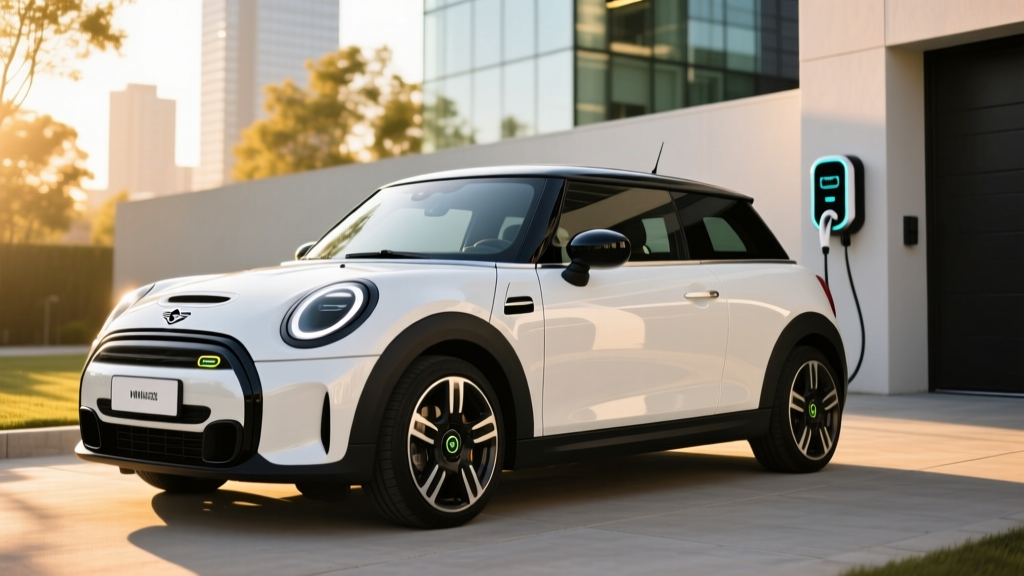
The 2026 Mini Cooper S Electric is a premium urban commuter with 137 miles of EPA-estimated range, a 54.2 kWh (usable) NMC battery, and peppy 214-hp performance. Starting at roughly $36,900 before incentives, it's best suited to drivers with home charging and daily commutes under 80 miles. It won't replace a long-range crossover for road trips, but its go-kart handling, compact footprint, and low running costs make it one of the most engaging city EVs available. Federal tax credit eligibility under §30D depends on battery-sourcing and income requirements that shift annually — check the IRS clean vehicle credit page before committing.
Range and Efficiency: EPA Numbers vs. Reality
The Cooper S Electric pairs a 214-hp (160 kW) electric motor with a 54.2 kWh usable battery pack using NMC (nickel-manganese-cobalt) chemistry. The EPA rates it at 137 miles of combined range and approximately 110 MPGe combined, according to fueleconomy.gov.
Real-World Range Expectations
EPA sticker: 137 miles combined
Mixed highway driving (65–75 mph): Expect ~115–125 miles
Cold weather (below 32°F): Plan for ~95–110 miles without preconditioning
City/regenerative driving: Up to ~140+ miles in mild conditions
The compact hatchback's relatively small battery means highway speeds and cold temperatures hit proportionally harder than in larger-pack EVs. Preconditioning the battery while plugged in — a feature Mini supports via the app — is essential in winter to preserve range and enable peak DC charging speeds. If your daily round-trip commute exceeds 70 miles, especially in colder climates, you'll want reliable Level 2 charging at home or work to avoid range stress.
| Spec | Value |
|---|---|
| EPA Range | 137 miles (combined) |
| Battery (Usable) | 54.2 kWh, NMC chemistry |
| Motor Output | 214 hp / 243 lb-ft torque |
| 0–60 mph | 6.5 seconds |
| Max DC Fast Charge | 95 kW (CCS/NACS adapter) |
| 10–80% DC Charge | ~28 minutes |
| Level 2 AC Charge Rate | 11 kW (~7.2 kW on some home circuits) |
| MPGe (Combined) | 110 MPGe |
| Base MSRP (Signature trim) | $36,900 |
| Battery/Powertrain Warranty | 8 years / 100,000 miles |
Charging Speed and Infrastructure Compatibility
The Cooper S Electric supports up to 95 kW DC fast charging via a CCS1 port (NACS access requires an adapter for Tesla Superchargers). At peak rate, the 10–80% charge takes approximately 28 minutes. However, like all EVs, the charge curve tapers significantly above 80% — a full 10–100% session can stretch past 45 minutes. For road-trip stops, plan to charge to 80% and move on.
| Level | Power (kW) | Approx. Miles Added per Hour | Use Case |
|---|---|---|---|
| Level 1 (120V household) | ~1.4 kW | ~4–5 miles/hr | Emergency / overnight trickle |
| Level 2 (240V home/public) | 7.2–11 kW | ~25–37 miles/hr | Daily home/work charging |
| DC Fast Charge | Up to 95 kW | ~150+ miles/hr (to 80%) | Road trips, quick top-ups |
On a Level 2 home charger delivering 7.2 kW (typical 32-amp circuit), a full charge from empty takes roughly 7.5 hours — easily accomplished overnight. If your electrical panel supports a 48-amp circuit and you install an 11-kW-capable wallbox, that drops to about 5 hours. A licensed electrician should evaluate your panel capacity before installation; older homes may require a $1,500–$3,000 panel upgrade.
EV vs. Gas: How the Cooper S Electric Compares to the Gas Mini Cooper S
The natural comparison is the gas-powered Mini Cooper S hardtop, which starts around $33,000, delivers roughly 30 MPG combined, and produces 189 hp from its 2.0L turbo. Here's how the two stack up over five years of ownership at 12,000 miles per year:
| Category | Cooper S Electric | Gas Cooper S |
|---|---|---|
| Base MSRP | $36,900 | $33,000 |
| Fed. Tax Credit (§30D, if eligible) | Up to $7,500* | $0 |
| Effective Purchase Price | ~$29,400 | $33,000 |
| Fuel/Energy (5 yrs @ 12k mi/yr) | ~$3,300 (home L2, $0.15/kWh) | ~$6,800 ($3.40/gal, 30 MPG) |
| Maintenance (5 yrs) | ~$1,200 | ~$3,500 |
| Insurance (avg. 5 yrs) | ~$9,500 | ~$8,200 |
| Est. 5-Year Total (excl. depreciation) | ~$43,400 | ~$51,500 |
*Federal tax credit eligibility for 2026 depends on battery critical-mineral sourcing, buyer income caps ($150k single / $300k joint), and MSRP limits ($55,000 for sedans). Confirm at irs.gov and with your tax professional. Point-of-sale transfer is available at participating dealers.
The electric Mini's advantage is clearest in fuel and maintenance savings — roughly $5,800 less over five years. EV insurance premiums tend to run 10–20% higher, partially offsetting those gains. The federal credit, if you qualify, is the swing factor that makes the EV significantly cheaper to own from day one.
Real-World Ownership: What First-Time Buyers Must Know
Home Charging Is Non-Negotiable for This Car
With 137 miles of range, relying solely on public DC fast charging is expensive ($0.30–$0.50/kWh at networks like Electrify America or EVgo) and inconvenient. A Level 2 home installation is the single biggest ownership enabler. Budget $800–$1,500 for a quality Level 2 wallbox (ChargePoint Home Flex, Emporia Level 2, or Wallbox Pulsar Plus) plus $500–$2,000 for electrician labor and permits, depending on your panel's proximity to the garage.
Cold Weather Cuts Range Hard on Small Batteries
The 54.2 kWh pack means cold-weather losses of 20–30% are acutely felt. At 15°F, expect roughly 95–110 miles of usable range without preconditioning. Garage parking and scheduled preconditioning mitigate this significantly — the battery and cabin warm while on grid power, preserving your charge.
The Cooper S Electric Is a City Car First
Mini's DNA is urban agility: short overhangs, a tight turning circle, and regenerative braking that enables one-pedal driving in traffic. On the highway, wind noise and the firm ride remind you this is a compact hatchback. For road trips exceeding 200 miles, plan one or two DC fast-charge stops and accept that you won't match the pace of a 300+ mile EV.
Common Misconceptions — Myth vs. Fact
| Myth | Fact |
|---|---|
| "137 miles of range isn't enough for anyone." | The average American drives ~37 miles/day (FHWA data). For city commuters with home charging, 137 miles covers multiple days between charges. |
| "EV batteries need replacing every few years." | Mini covers the battery for 8 years/100,000 miles against capacity loss below 70%. NMC packs in liquid-cooled systems typically retain 85–90% capacity at 100k miles. |
| "I can't take it on road trips." | You can, with planning. 95 kW DC charging adds ~100 miles in ~20 minutes. It's slower than a Tesla Model 3 (250 kW), but the CCS/NACS network is growing. |
| "The $7,500 tax credit applies to everyone." | Eligibility requires meeting income caps, MSRP limits, and battery-sourcing thresholds that tighten annually. Always verify on irs.gov before purchasing. |
| "Charging is more expensive than gas." | Home Level 2 charging at $0.15/kWh costs roughly $0.055/mile. Gas at $3.40/gal and 30 MPG costs ~$0.113/mile — more than double. |
Decision Framework: Is the Mini Cooper S Electric Right for You?
Choose the Cooper S Electric If:
- Your daily commute is under 70 miles round-trip
- You have (or can install) Level 2 home charging
- You value driving dynamics and compact size over cargo space and range
- You want the lowest running costs in the Mini lineup
- You live in a mild-to-moderate climate, or have garage parking for winter
Look Elsewhere If:
- Your commute exceeds 80 miles or you regularly drive 200+ miles without stopping
- You lack access to any form of home or workplace charging
- You need rear-seat space for adults or significant cargo volume (16.0 cu ft behind rear seats)
- You live in a severely cold climate and can't precondition while plugged in
- You want Level 2+ driver-assist features comparable to GM Super Cruise or Ford BlueCruise — Mini's Driving Assistant Pro is competent but basic
Frequently Asked Questions
Does the 2026 Mini Cooper S Electric qualify for the $7,500 federal tax credit?
It may, but eligibility is not guaranteed. The §30D credit requires the buyer to fall under income caps ($150,000 single / $300,000 joint filers for 2026), the vehicle's MSRP to be under $55,000 (it qualifies), and the battery to meet critical-mineral and component-sourcing thresholds that tighten each year. Some model years or build dates may qualify for partial or full credit. Verify current eligibility at irs.gov and confirm with the dealer and your tax professional before purchase. Point-of-sale transfer is available at participating dealerships, reducing your out-of-pocket cost at delivery.
How long does it take to charge the Cooper S Electric at home?
On a typical 7.2 kW Level 2 home charger (32-amp, 240V circuit), a full charge from near-empty takes about 7.5 hours — ideal for overnight charging. On an 11 kW circuit (48-amp), it drops to roughly 5 hours. Level 1 (standard 120V outlet) adds only about 4–5 miles of range per hour and is not practical as a primary charging method for daily use.
What is the real-world highway range?
At sustained highway speeds of 65–75 mph in moderate temperatures (50–75°F), expect approximately 115–125 miles before needing to charge. In cold weather (below freezing), highway range can drop to roughly 90–105 miles. The EPA's 137-mile combined figure includes a mix of city regenerative driving, which inflates the number compared to pure highway use.
How does the Cooper S Electric compare to the Mini Cooper SE (older model)?
The previous-generation Cooper SE had a much smaller 32.6 kWh battery and only 114 miles of EPA range. The current J01-platform Cooper S Electric nearly doubles usable battery capacity to 54.2 kWh, boosts range to 137 miles, increases power to 214 hp, and supports faster 95 kW DC charging (up from 50 kW). It's a substantial generational leap in every measurable spec.
Is the Mini Cooper S Electric safe?
The current-generation Mini Cooper Electric platform includes standard automated emergency braking, lane-departure warning, and adaptive cruise control. Check NHTSA and IIHS for the latest crash-test ratings, as the newest platform's full results may still be pending at time of publication.
What about maintenance costs compared to the gas Mini?
The EV eliminates oil changes, spark plugs, transmission fluid, and most brake wear (regenerative braking preserves pads). Expect annual maintenance of roughly $200–$300 versus $500–$800 for the gas Cooper S. Cabin air filter replacement and tire rotation remain the primary scheduled services.