Quick Answer: Is the Electric MINI Worth It?
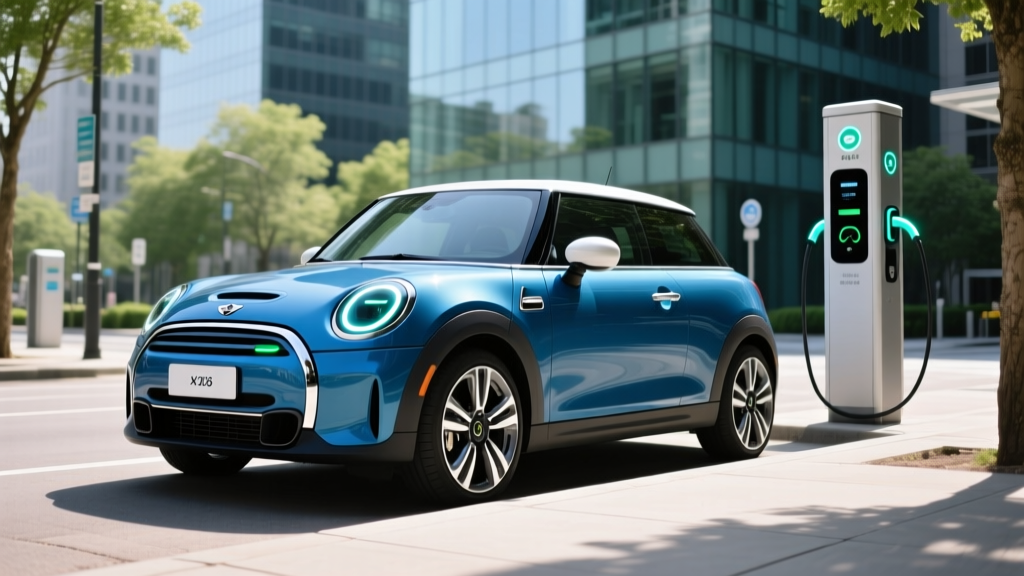
The 2026 MINI Cooper Electric (SE trim) offers an EPA-estimated 114 miles of range from a 40.7 kWh (usable) battery, starting at approximately $30,900 before incentives. It charges at up to 95 kW on DC fast chargers (10–80% in roughly 28 minutes) and delivers peppy city driving with 215 horsepower. It's a strong pick for urban commuters with home charging access who want premium styling and a fun drive, but its limited highway range and small cargo area rule it out as a sole household vehicle for road-trippers or those in charging deserts.
Range and Efficiency: EPA vs. Real World
The 2026 MINI Cooper Electric SE carries a 40.7 kWh usable lithium-ion NMC battery pack and earns an EPA-estimated 114 miles of combined range. The Cooper E (Classic trim, slightly less power) pushes closer to 150 miles on the same platform. Efficiency lands around 115 MPGe combined (29 kWh/100 mi) per the EPA, which is competitive for a small premium hatchback but not class-leading.
Real-World Range Reality
EPA Sticker: 114 miles (SE trim, combined)
Expect in practice:
- City/mixed driving (55–70°F): ~100–115 miles — regenerative braking recovers energy in stop-and-go traffic
- Sustained highway (75 mph+): ~80–95 miles — aerodynamic drag dominates at speed
- Cold weather (below 32°F): ~70–85 miles — battery chemistry slows and cabin heating draws heavily; the Cooper Electric uses a heat pump, which helps, but winter losses of 20–30% are typical for this battery size
With a usable battery under 41 kWh, there's limited buffer for range loss. Plan highway trips conservatively and precondition the battery via the MINI app when possible to maximize range and charging speed.
Charging Speed and Infrastructure
Charging is where the Cooper Electric's urban focus becomes clear. It's adequate for daily top-ups but not built for cross-country travel.
| Level | Power | Connector | Speed | Use Case |
|---|---|---|---|---|
| Level 1 | ~1.4 kW (120V) | J1772 | ~4–5 mi/hr | Emergency / overnight trickle (24+ hrs for full) |
| Level 2 | Up to 11 kW (240V) | J1772 | ~28–35 mi/hr | Home/work daily charging (~4 hrs 10–100%) |
| DC Fast | Up to 95 kW | CCS1 | 10–80% in ~28 min | Road-trip stops; taper begins above 80% SoC |
The onboard AC charger maxes at 11 kW, meaning a full Level 2 home charge takes roughly 4 hours. On DC fast chargers, the Cooper Electric peaks at 95 kW but sustains that rate only briefly — expect the charge curve to taper meaningfully past 60% state of charge (SoC). A 10–80% session takes about 28 minutes under ideal thermal conditions; cold batteries or high SoC will add time.
Critical note: The Cooper Electric uses the CCS1 connector standard. While MINI parent company BMW has committed to the NACS (Tesla-style) connector for future models, the 2026 Cooper Electric still requires a CCS-to-NACS adapter to access Tesla Superchargers. Verify adapter compatibility before relying on Supercharger access for road trips.
Performance and Driving Experience
The Cooper Electric SE produces 215 horsepower and 243 lb-ft of torque from its front-mounted electric motor. The instant torque delivery makes it genuinely quick off the line:
| Spec | Cooper Electric SE |
|---|---|
| 0–60 mph | ~6.4 seconds |
| Horsepower | 215 hp |
| Torque | 243 lb-ft |
| Drivetrain | FWD |
| Battery (usable) | 40.7 kWh, NMC |
| EPA Range | 114 miles |
| EPA Efficiency | 115 MPGe (29 kWh/100 mi) |
| Max DC Charge Rate | 95 kW |
| Level 2 Charge Rate | 11 kW |
| Cargo Volume | ~7.1 cu ft (rear seats up) |
| Base MSRP (SE) | ~$30,900 |
| Battery/Powertrain Warranty | 8 years / 100,000 miles |
The go-kart handling reputation carries over. The low center of gravity from the floor-mounted battery, combined with quick steering and firm damping, makes the Cooper Electric one of the most engaging small EVs to drive. Regenerative braking offers multiple levels, including a one-pedal driving mode that can bring the car to a full stop without touching the brake pedal.
EV vs. Gas: Cost and Practicality Compared
How does the Cooper Electric stack up against its gas-powered sibling, the MINI Cooper S, and a comparable hybrid like the Toyota Prius?
| Metric | MINI Cooper Electric SE | MINI Cooper S (Gas) | Toyota Prius LE (HEV) |
|---|---|---|---|
| Base MSRP | ~$30,900 | ~$30,400 | ~$28,350 |
| EPA Range / Tank | 114 mi | ~340 mi | ~540 mi |
| Efficiency | 115 MPGe | 32 MPG combined | 57 MPG combined |
| "Fuel" Cost per Mile* | ~$0.045 | ~$0.12 | ~$0.065 |
| Annual Fuel/Energy Cost** | ~$540 | ~$1,440 | ~$780 |
| Maintenance (Annual Avg) | ~$300 | ~$650 | ~$500 |
| 0–60 mph | 6.4 sec | 6.3 sec | 7.2 sec |
*Based on $0.15/kWh home electricity and $3.50/gal gas. **12,000 miles/year. Source: fueleconomy.gov and AAA fuel-cost averages.
The Cooper Electric wins on per-mile energy cost and maintenance (no oil changes, fewer moving parts, regenerative braking saves brake-pad wear). But the gas Cooper S and Prius blow it away on total range and refueling convenience. This is a commuter car, not a road-trip vehicle.
Total Ownership Cost: 5-Year Breakdown
| Cost Category | MINI Cooper Electric SE | MINI Cooper S (Gas) |
|---|---|---|
| Purchase Price (MSRP) | $30,900 | $30,400 |
| Federal Tax Credit (§30D)* | $0–$3,750 | $0 |
| Net Purchase (after credit) | ~$27,150–$30,900 | $30,400 |
| Home Charger Install (Level 2) | $800–$2,500 | $0 |
| 5-Year Energy/Fuel | ~$2,700 | ~$7,200 |
| 5-Year Maintenance | ~$1,500 | ~$3,250 |
| 5-Year Insurance (Avg) | ~$9,500 | ~$7,800 |
| Estimated Depreciation (5 yr) | ~$15,000 | ~$12,500 |
| 5-Year Total Cost of Ownership | ~$41,650–$46,600 | ~$48,650 |
*The Cooper Electric's §30D federal tax credit eligibility is limited. Battery sourcing and critical-mineral requirements under current IRS rules may reduce the credit to $3,750 or eliminate it entirely depending on your model year's supply chain. Income caps ($150K single / $300K joint) and MSRP caps ($55K for cars) apply. The point-of-sale transfer option lets you apply the credit at purchase rather than waiting for tax filing. Consult a tax professional for your specific eligibility.
Insurance runs higher on the EV — typically 15–25% more than the gas Cooper S — due to higher repair costs for battery-adjacent damage and specialized parts. Get quotes before purchasing.
Common Misconceptions About the Electric MINI
| Myth | Fact |
|---|---|
| "114 miles of range is useless." | The average American drives ~37 miles/day (FHWA data). For a commuter with home charging, 114 miles covers 2–3 days between charges. It's insufficient only if you regularly drive 80+ miles one-way or lack home charging. |
| "The battery will need replacing in a few years." | MINI warranties the battery for 8 years/100,000 miles against degradation below 70% capacity. NMC batteries in modern thermal-managed packs typically lose 10–15% capacity over 8 years. A full replacement would cost roughly $8,000–$12,000 out of warranty, but premature failure is uncommon. |
| "I can charge it at any Tesla Supercharger." | The 2026 Cooper Electric uses CCS1. You need a certified CCS-to-NACS adapter for Supercharger access, and not all adapters support the Cooper's communication protocol. Verify before relying on it. |
| "EVs are worse in the cold." | EVs do lose range in cold weather (20–30% for the Cooper Electric), but they start instantly, don't need warm-up idling, and the heat pump helps cabin heating efficiency. Preconditioning while plugged in mitigates most range loss. |
| "It qualifies for the full $7,500 tax credit." | Battery-component and critical-mineral sourcing rules under §30D are strict. The Cooper Electric may qualify for $3,750 (critical minerals only) or $0 depending on the model year's supply chain. Always check the latest IRS eligible-vehicle list. |
Decision Framework: Should You Buy the Electric MINI?
Choose the MINI Cooper Electric if:
- You have reliable Level 2 home charging (garage or driveway with a 240V outlet)
- Your daily commute is under 50 miles round-trip
- You want a premium, fun-to-drive urban hatchback
- This is a second vehicle in a multi-car household
- You value low running costs and minimal maintenance
- You live in a mild-to-moderate climate (or can accept winter range loss)
Look elsewhere if:
- You rely on street parking with no charging access
- You regularly drive 80+ miles one-way without a mid-route charging stop
- You need a sole household vehicle for road trips
- You live in an area with sparse DC fast-charging infrastructure
- You need more than 7.1 cu ft of cargo space (consider the MINI Countryman SE or a larger EV)
- You live in an extreme-cold climate and can't tolerate 70-mile winter range
Frequently Asked Questions
Can the electric MINI be my only car?
Only if your lifestyle fits within 114 miles of daily driving and you have home charging. For most single-car households, the range is too limiting for spontaneous longer trips. It works best as a commuter car in a two-vehicle household.
How long does it take to charge at home?
On a Level 2 home charger (240V, 11 kW), a full 0–100% charge takes roughly 4 hours. Most owners plug in overnight and wake up to a full battery every morning. On a standard 120V outlet (Level 1), expect 24+ hours for a full charge — usable only as a trickle top-up.
Does the MINI Cooper Electric qualify for any tax credits?
Possibly. Under IRS §30D, the credit is up to $7,500 but is split into two halves: $3,750 for battery components and $3,750 for critical minerals. The Cooper Electric's eligibility depends on current-year sourcing requirements. Buyer income must not exceed $150K (single) or $300K (joint), and the MSRP cap for cars is $55,000. Check the IRS clean vehicle credit page for the latest eligible-vehicle list. The point-of-sale transfer allows you to apply the credit at the dealership.
What happens if the battery degrades?
MINI's battery warranty covers capacity below 70% for 8 years or 100,000 miles. Real-world data from similar NMC packs suggests 10–15% degradation over 8 years of normal use. If the battery does fall below warranty threshold, MINI will repair or replace it at no cost. Out-of-warranty replacement would cost an estimated $8,000–$12,000.
Is the electric MINI safe?
MINI has not published specific NHTSA star ratings for the 2026 Cooper Electric at the time of writing, but the BMW Group platform includes standard automatic emergency braking, lane-departure warning, and adaptive cruise control. The low center of gravity from the floor-mounted battery reduces rollover risk. Check NHTSA and IIHS for updated crash-test results as they become available.
How does the Cooper Electric compare to the Fiat 500e or Nissan LEAF?
The Fiat 500e offers a similar urban-focused formula with ~149 miles of range and a lower price (~$28,000) but less power. The Nissan LEAF provides more range (up to 212 miles on the SV Plus) and more cargo space but uses the aging CHAdeMO connector with limited future fast-charging support. The Cooper Electric trades range for driving dynamics and premium build quality.