The Quick Verdict on Micro EVs
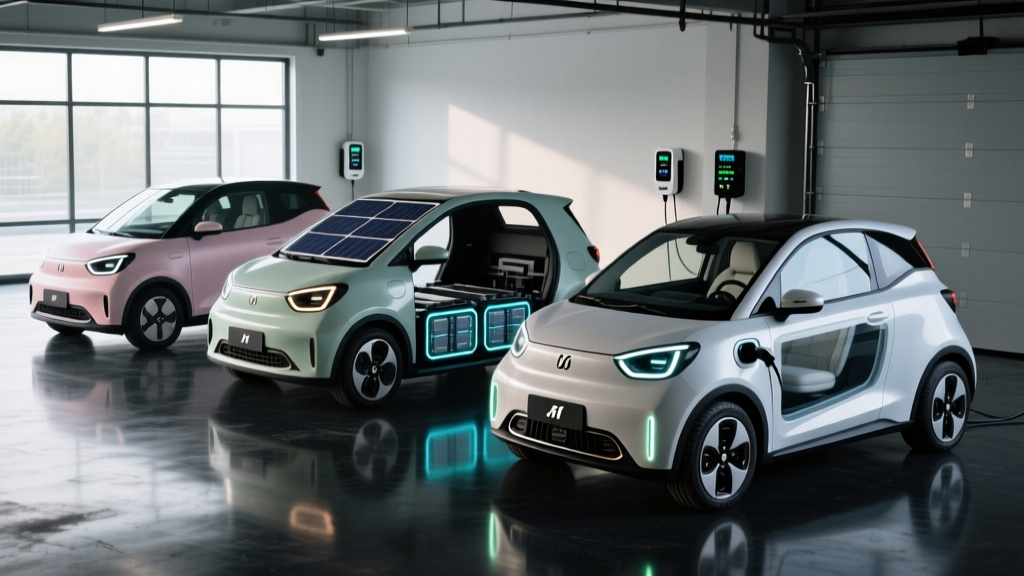
Micro EVs are compact, low-speed electric vehicles designed strictly for urban commuting. In 2026, the US market is dominated by Neighborhood Electric Vehicles (NEVs) like the Wink Motors Wink Go and the ARCimoto SRK. Most offer between 40 and 100 miles of EPA-estimated range, cost between $12,000 and $25,000, and are limited to roads with speed limits of 35 mph or lower. They are not eligible for the full $7,500 federal tax credit due to battery sourcing and MSRP classification rules, but they remain the cheapest way to electrify a short, daily commute.
What Exactly Is a Micro EV?
When shoppers search for micro EVs, they are usually looking at two distinct categories of small electric transport:
- Low-Speed Vehicles (LSVs/NEVs): Federally regulated to have a top speed between 20 and 25 mph. These are the most common "micro" options in the US, such as the Wink Go or various golf-cart-style commuters.
- City Cars (Highway-Capable): While popular in Europe and Asia (e.g., Citroën Ami, Wuling Hongguang Mini), very few are street-legal in the US. The closest highway-capable equivalent is the Mini Cooper SE, though it is a full-size compact car by comparison.
For this guide, we focus on the practical reality of the US market: NEVs and small urban runabouts.
Spec Comparison: Leading Micro EVs in 2026
| Feature | Wink Motors Wink Go (LSV) | ARCimoto SRK (FUV) | Mini Cooper SE (Compact Baseline) |
|---|---|---|---|
| EPA Range | ~40-60 miles | ~102 miles | 114 miles |
| Battery Capacity | ~7.2 kWh (LFP/NMC) | ~12.6 kWh (NMC) | 32.6 kWh (NMC) |
| Top Speed | 25 mph (LSV limit) | 75+ mph | 93 mph |
| Base MSRP | ~$12,495 | ~$21,500 | $30,900 |
| Federal Tax Credit | Not Eligible | Not Eligible (3-wheel) | Eligible (subject to §30D) |
Micro EV vs. Gas Commuter: The Cost Reality
How does a $15,000 micro EV stack up against a used gas-powered commuter like a 2018 Honda Fit? The savings are driven by the cost of energy and the near-total elimination of maintenance.
| Cost Factor (Annual) | Micro EV (40 mi/day) | Used Gas Car (30 MPG) |
|---|---|---|
| Fuel/Energy | $180 (at $0.15/kWh) | $1,200 (at $3.50/gal) |
| Maintenance | $100 (tires/wipers) | $600 (oil, filters, belts) |
| Insurance | $600-$900 | $1,000-$1,400 |
| Annual Total | ~$1,080 | ~$3,200 |
Note: Electricity costs vary by region. Home charging at $0.15/kWh is a national average; public Level 2 charging can cost $0.35-$0.50/kWh, which narrows the savings gap.
The Charging Reality for Small Batteries
One advantage of micro EVs is that they do not require expensive home infrastructure upgrades. Because their batteries are small (typically under 15 kWh), they can reach a full charge quickly even on basic equipment.
- Level 1 (120V Standard Outlet): Adds about 3-5 miles of range per hour (1.2 kW). A full charge for a 7 kWh battery takes roughly 6-8 hours—perfect for overnight.
- Level 2 (240V Dryer/Range Outlet): Adds 15-25 miles per hour (3.3-7.2 kW). Most micro EVs will charge from 0-100% in under 2 hours.
- DC Fast Charging: Most LSVs and micro EVs do not support DC fast charging. They lack the thermal management systems required to handle 50+ kW charge rates.
Myths vs. Facts: Small EV Ownership
| Myth | Fact |
|---|---|
| "They are just golf carts." | LSVs are federally regulated to include seatbelts, headlights, and VINs. They are street-legal on most roads under 35 mph. |
| "You get the $7,500 tax credit." | Most micro EVs are classified as LSVs or motorcycles, which do not qualify for the IRC §30D Clean Vehicle Credit. Some may qualify for local utility rebates. |
| "The battery will die in 3 years." | Modern LFP and NMC batteries in micro EVs are designed for 1,000+ cycles. At 40 miles a day, that’s 40,000+ miles before significant degradation. |
Decision Framework: Should You Buy a Micro EV?
Choose a Micro EV (LSV/NEV) if:
- Your daily commute is under 30 miles round-trip.
- You live in a warm or moderate climate (small batteries suffer 30%+ range loss in freezing weather).
- Your route consists of roads with speed limits of 35 mph or less.
- You have access to a standard 120V outlet at home for overnight charging.
Choose a Highway-Capable EV (like a Chevy Bolt or Nissan Leaf) if:
- You ever need to take a highway or a road with a 40+ mph speed limit.
- You need to carry more than one passenger or significant cargo.
- You live in an area with harsh winters where LSVs are impractical or legally restricted.
Frequently Asked Questions
Are micro EVs safe in traffic?
LSVs are not required to pass the same crash tests as full-size cars. They lack airbags and crumple zones. They are safest when used in low-speed, dedicated urban environments or gated communities.
Can I drive a micro EV on the highway?
No. Federal law prohibits Low-Speed Vehicles from operating on roads with speed limits above 35 mph, and they are physically incapable of maintaining highway speeds safely.
Do micro EVs qualify for any incentives?
While they usually miss the federal §30D credit, many states and local utility companies offer rebates for "off-peak" charging equipment or "neighborhood" electric vehicles. Check the Alternative Fuels Data Center for local incentives.